What Not to Put in Toaster: Must-Have Guide for Safe Use

Using a toaster is one of the simplest ways to make breakfast or snacks quickly, but it’s easy to overlook what items actually belong inside this handy appliance. Knowing what not to put in toaster slots can save you from dangerous mishaps, ruined appliances, and unexpected kitchen fires. As someone who’s tested dozens of toasters and toaster ovens, I’m here to share practical advice on safe toaster use, helping you avoid common pitfalls and keep your kitchen running smoothly.
Why Knowing What Not to Put in Toaster Matters
Toasters heat by exposing food to electric heating elements, which means anything placed inside must be safe to handle intense, direct heat. Putting the wrong items inside can cause electrical shorts, fires, or damage to your toaster. Beyond safety, using your toaster correctly also extends its lifespan and ensures consistently good results.
Early on, it’s helpful to understand the basics of toaster design and function. Most standard toasters have narrow slots meant for bread slices or similar items. Toaster ovens add versatility but still require caution. Let’s explore the key things to avoid putting in your toaster and why.
Common Items You Should Never Put in Your Toaster
1. Metal Objects
This is the number one rule every kitchen should follow: never insert metal into a toaster. Items like knives, forks, aluminum foil, or even metal skewers can cause electrical shock or short circuits. Metal conducts electricity and can bridge the toaster’s heating elements, leading to sparks or fires.
Even small pieces of aluminum foil can cause problems. While some people try to wrap food in foil to toast it, this can cause overheating and damage. Instead, use a toaster oven if you want to crisp something wrapped in foil. For more detailed safety guidelines, consult the Breville toaster user manual.
2. Plastic or Paper Products
Plastic wraps, bags, or containers should never enter a toaster. They will melt instantly, creating a mess that’s difficult to clean and possibly releasing harmful fumes. Paper products like napkins or paper towels can catch fire quickly when exposed to the toaster’s heat.
If you want to toast something delicate, place it on a proper tray or use a toaster oven with a baking pan. Remember, the toaster is designed for dry, firm foods, not soft or flammable materials.
3. Wet or Frozen Foods
Putting wet bread or frozen items directly into a toaster can cause steam buildup, which might damage the appliance. Frozen foods might also not toast evenly, leading to soggy or burnt spots. Always thaw frozen bread or pat dry any moist items before toasting.
For frozen foods, a toaster oven is usually a better choice since it allows more control over heat and time. You can find helpful tips on thawing and toasting from the Philips appliance support page.
4. Thick or Oversized Items
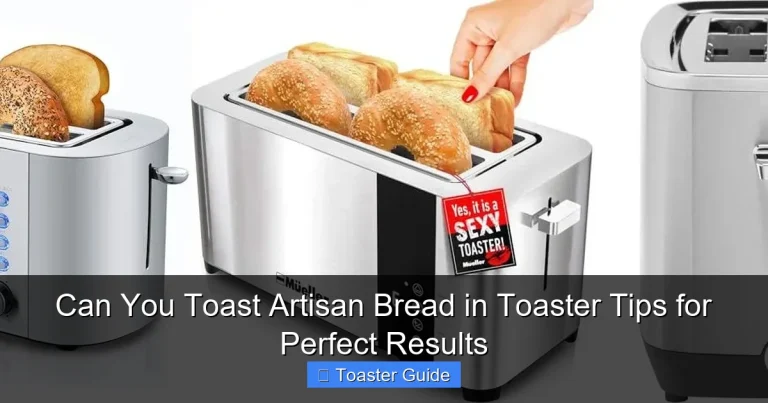
Toaster slots are designed for standard bread slices or thin items like English muffins. Trying to toast bagels, thick sandwiches, or large pastries that don’t fit can jam the toaster or cause uneven heating. This not only risks damaging the appliance but also creates fire hazards.
If you frequently toast bagels or thick items, look for toasters with wider slots or consider a toaster oven with adjustable racks and temperature settings.
5. Non-Food Items
Sometimes people get creative and try to warm things like socks, paper money, or even electronics in a toaster. This is extremely dangerous and should be avoided at all costs. Non-food items can ignite quickly or cause toxic fumes.
If you’re ever unsure about an item’s suitability for your toaster, it’s safer to err on the side of caution.
Why You Should Avoid Putting Foil-Wrapped Food in a Toaster
A lot of home cooks wonder if wrapping food in aluminum foil is safe for toasting. While foil is common in ovens, it’s generally unsafe in a traditional toaster. Foil is conductive and can cause sparks or short circuits. This risk increases if the foil touches the heating elements or the toaster’s metal interior.
If you want to use foil, a toaster oven is a much better option. It offers more space and safer heating dynamics. Check the Cuisinart toaster oven manual for specific recommendations on foil use.
How to Use Your Toaster Safely: Practical Tips
Regular Cleaning and Maintenance
Crumbs and food debris can accumulate in your toaster’s crumb tray and inside the slots, creating fire risks. Empty the crumb tray regularly and wipe down the exterior with a damp cloth. Never submerge your toaster in water.
For cleaning tips that keep your toaster in top shape, visit the Panasonic appliance support page.
Avoid Overloading the Slots
Don’t force oversized or thick items into the toaster slots. If you have a toaster with adjustable width, use it to fit your bread properly. Overloading can cause jamming and uneven toasting.
Use the Right Appliance for the Job
If you want to toast foods like frozen waffles, pastries, or small pizzas, a toaster oven is usually safer and more effective. It provides better heat control and avoids the tight space issues of standard toasters.
Don’t Leave Your Toaster Unattended
Like any heating appliance, toasters should not be left on and unattended. Always stay close while using your toaster to catch any problems early.
What to Do If Something Gets Stuck in Your Toaster
If bread or crumbs get stuck, unplug the toaster before attempting to remove anything. Use wooden or plastic tools to gently dislodge stuck items — never metal. Some toasters have removable crumb trays that make cleaning easier.
If your toaster frequently jams or sparks, it might be time to replace it. Avoid DIY repairs that involve electrical parts as this can be hazardous.
Energy Efficiency and Safe Toaster Use
Choosing an energy-efficient toaster can save you money and reduce environmental impact. Look for models with Energy Star certification, which meet strict efficiency guidelines without sacrificing performance.
For more on this, the Energy Star efficiency guidelines provide helpful insights into selecting appliances that perform well and use less power.
FAQ: Beginner Questions on Toaster Safety and Use
Q1: Can I put frozen waffles directly in my toaster?
A: It’s better to thaw frozen waffles slightly before toasting to avoid uneven heating and steam damage. A toaster oven is ideal for frozen foods.
Q2: Is it safe to toast bagels in a regular toaster?
A: Only if your toaster has wide slots designed for bagels. Otherwise, a toaster oven is a safer choice.
Q3: What happens if I accidentally put metal in the toaster?
A: Metal can cause sparks, short circuits, or fires. Immediately unplug the toaster and do not use it until it’s inspected or replaced.
Q4: How often should I clean my toaster?
A: Empty the crumb tray weekly or more often if you use the toaster daily. Wipe the exterior regularly to keep it dust-free.
Q5: Can I use aluminum foil in a toaster oven?
A: Yes, but only if the manufacturer’s manual permits it. Avoid foil in traditional toasters.
Q6: What should I do if my toaster starts smoking?
A: Unplug it immediately and let it cool. Check for stuck crumbs or food. If smoking continues, discontinue use and consider replacing the toaster.
Q7: Can I toast anything besides bread?
A: Yes, but stick to items like English muffins, bagels, and toaster pastries that fit well. Avoid wet, thick, or non-food items.
—
Understanding what not to put in your toaster is key to safe, efficient kitchen routines. Avoid metal, plastic, wet or oversized foods, and always follow basic safety steps. With the right care and knowledge, your toaster will be a reliable, time-saving appliance for years to come. For more detailed safety info, always check your model’s official support page or user manual.