How to Clean Burnt Toaster Smell: Easy and Effective Guide

Burnt smells from toasters can linger long after the snack is gone, turning your kitchen into an unpleasant space. Whether it’s from crumbs caught inside or a misfired bagel, knowing how to clean burnt toaster smell quickly and effectively is a must for any home cook. I’m Daniel Brooks, and with years of hands-on experience testing and using toasters and small kitchen appliances, I’ll guide you through simple, practical steps to refresh your toaster and keep your kitchen smelling fresh.
Why Does Your Toaster Smell Burnt?
Before diving into cleaning tips, it helps to understand why toasters develop burnt odors. The most common culprit is leftover crumbs that get trapped inside the toaster’s interior. When these crumbs heat up or burn during use, they release that unmistakable burnt smell. Sometimes, sticky residues from spreads or oils can also carbonize and add to the problem.
If you’ve ever noticed your toaster smelling like burnt toast even when you’re careful, it’s a sign that your appliance needs a good cleaning. Regular maintenance prevents buildup and keeps your toaster running efficiently.
What You’ll Need: Cleaning Supplies for Burnt Odors
Gather these simple items before you start:
– Soft cloth or microfiber towel
– Mild dish soap
– Baking soda
– White vinegar
– Small brush or old toothbrush
– Paper towels
– Compressed air (optional)
Avoid harsh chemicals or abrasive scrubbers, which can damage your toaster’s finish or internal parts.
Step-by-Step Guide: How to Clean Burnt Toaster Smell
1. Unplug and Cool Down
Safety first: unplug your toaster and let it cool completely before cleaning. Cleaning a hot toaster is risky and can cause burns or electrical hazards.
2. Remove and Empty the Crumb Tray
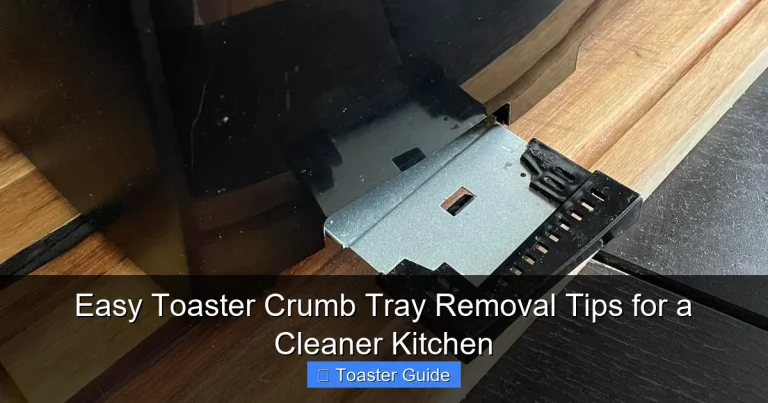
Most modern toasters have a removable crumb tray at the bottom. Pull it out carefully and dispose of all crumbs into the trash. Wipe the tray with warm, soapy water and dry thoroughly before reinserting.
If your toaster doesn’t have a crumb tray, turn it upside down over the sink or trash can and gently shake to dislodge crumbs. You can also use a soft brush or compressed air to reach crumbs stuck inside.
3. Clean the Interior Gently
Using a small brush or an old toothbrush, gently sweep out any remaining crumbs or residue inside the toaster slots. Avoid poking metal objects inside the heating elements.
For stuck-on grime, dip the brush in a mixture of warm water and mild dish soap, then carefully scrub. Wipe with a damp cloth afterward to remove any soap residue.
4. Neutralize Odors with Baking Soda
To tackle stubborn burnt smells, sprinkle baking soda inside the toaster slots and let it sit for 15–30 minutes. Baking soda naturally absorbs odors without damaging your appliance.
After the wait, turn the toaster upside down and gently shake out the baking soda. Use a dry cloth to wipe away any remaining powder.
5. Wipe Exterior Surfaces
Don’t forget the outside of your toaster—grease and food splatters can contribute to odors. Dampen a cloth with a mix of water and white vinegar (equal parts) and wipe down all exterior surfaces.
For stainless steel toasters, follow up with a dry microfiber cloth to buff and restore shine without streaks.
6. Air Out Your Toaster
Leave your toaster unplugged and open in a well-ventilated area for a few hours or overnight. Fresh air helps dissipate any lingering burnt smell.
Additional Tips for Preventing Burnt Smells
– Regular crumb tray cleaning: Make it a habit to empty and clean the crumb tray weekly or after heavy use.
– Avoid burning food: Pay attention to toast settings and avoid leaving bread or bagels in too long.
– Use toaster covers: When not in use, cover your toaster to keep dust and debris out.
– Inspect for damage: If your toaster repeatedly smells burnt despite cleaning, check for malfunctioning heating elements or damaged wiring. Refer to your Breville toaster user manual or your specific brand’s support page for troubleshooting.
How to Clean Burnt Toaster Smell from Toaster Ovens
Toaster ovens can develop similar burnt odors but require slightly different care because of their larger size and more complex interiors.
– Remove and clean trays and racks with warm soapy water.
– Wipe interior walls with a mixture of vinegar and water to break down grease.
– Use baking soda paste (baking soda + water) applied to stubborn spots, then wipe clean.
– Avoid spraying liquids directly onto heating elements.
Refer to your Cuisinart toaster oven manual for brand-specific cleaning instructions.
When to Replace Your Toaster
If burnt smells persist despite thorough cleaning, it might indicate that your toaster is worn out or damaged. Persistent odors could signal electrical issues or burnt internal components, which can be a fire hazard.
For safety and performance, consider replacing your toaster every few years. Look for Energy Star-rated models for better efficiency and durability. Check the Energy Star efficiency guidelines to find models that save energy and last longer.
Practical Advice for Busy Families and Budget Shoppers
– Choose easy-to-clean models: Toasters with removable crumb trays and accessible interiors save you time.
– Stick to simple routines: A quick crumb tray clean once a week prevents buildup and odors.
– Use natural odor absorbers: Baking soda and vinegar are cost-effective and safe.
– Read product manuals: Understanding your appliance’s features helps avoid damage and prolongs life. For example, the Philips appliance support page offers helpful cleaning tips for their toaster models.
FAQ: Quick Answers for First-Time Toaster Owners
Q1: Can I use water to clean the inside of my toaster?
A1: Avoid pouring water inside your toaster. Instead, use a damp cloth or mild soapy brush for cleaning crumbs and residue. Always unplug first.
Q2: How often should I clean my toaster to prevent burnt smells?
A2: Empty the crumb tray and wipe the exterior weekly. Deep clean the interior every couple of months, or sooner if you notice odors.
Q3: Will baking soda damage my toaster?
A3: No, baking soda is gentle and safe for absorbing odors. Just make sure to remove all residue before using the toaster again.
Q4: How do I get rid of burnt smells after a severe toaster fire?
A4: If your toaster has caught fire or smells strongly burnt, unplug it immediately and inspect for damage. Cleaning may not be enough—you might need a replacement.
Q5: Can burnt toaster smell affect food safety?
A5: While the smell itself isn’t harmful, burnt crumbs can affect the taste of your food. Regular cleaning helps keep your toaster safe and tasty.
Q6: What if my toaster doesn’t have a crumb tray?
A6: Turn it upside down and gently shake out crumbs, then use a brush or compressed air to clear remaining debris.
Q7: How can I avoid burnt smells in the future?
A7: Avoid over-toasting, clean regularly, and keep the toaster dry and dust-free.
Final Thought
Cleaning burnt toaster smell doesn’t have to be a chore. With a few straightforward steps and simple household items, you can keep your toaster fresh, safe, and ready for your next breakfast. Regular maintenance not only improves performance but also helps your kitchen feel welcoming and clean. For detailed cleaning instructions tailored to your model, always check the official product manuals or manufacturer support pages.
By making these small habits part of your routine, you’ll enjoy delicious toast without the unwanted burnt aroma. Happy toasting!