Toaster Burning Plastic Smell: Must-Have Tips to Eliminate Bad Odors

Toaster Burning Plastic Smell: Must-Have Tips to Eliminate Bad Odors
If your toaster is giving off a burning plastic smell, it’s usually due to leftover packaging, melted plastic parts, or crumbs catching fire. To fix this, unplug the toaster, clean it thoroughly, run it empty on low heat, and ventilate your kitchen. Regular cleaning and proper use prevent bad odors and keep your toaster safe and fresh.
There’s nothing like the smell of toast in the morning, but when your toaster starts emitting a burning plastic odor, it can quickly ruin the experience. This smell is a common frustration for many home cooks and new appliance owners. It often signals leftover manufacturing residues, trapped crumbs, or even small plastic parts overheating. Don’t worry—this guide walks you through simple, practical steps to identify the cause and eliminate the odor for good. You’ll also learn how to maintain your toaster to avoid this problem in the future. Let’s get started with easy, hands-on tips that anyone can follow.
Why Does My Toaster Smell Like Burning Plastic?
A burning plastic smell from your toaster can be alarming. Understanding the root causes helps you address the problem quickly and prevent damage. Here are the most common reasons:
- New Toaster Residue: Brand-new toasters often have protective coatings, oils, or plastic packaging remnants inside that burn off during initial use.
- Plastic Parts Overheating: Internal plastic components can sometimes melt or warp if the toaster overheats or malfunctions.
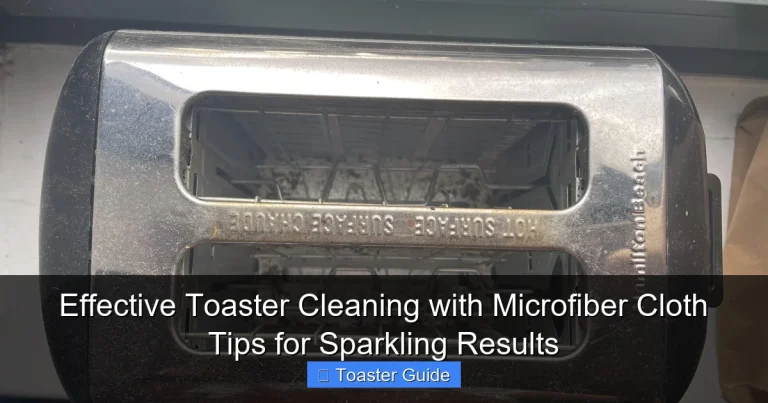
- Trapped Crumbs and Food Debris: Old crumbs catch fire or burn, producing unpleasant odors that can smell like plastic.
- Incorrect Use or Placement: Using non-approved accessories or placing the toaster near plastic items can cause melting or burning smells.
Knowing these causes makes it easier to troubleshoot and fix the issue safely without risking damage to your appliance or home.
Step-By-Step Guide to Eliminating Toaster Burning Plastic Smell
Follow these clear, beginner-friendly steps to get rid of that stubborn burning plastic smell from your toaster.
1. Unplug and Cool Down Your Toaster
Before you start cleaning or inspecting, always unplug your toaster and allow it to cool completely. This prevents electric shock and protects you from burns.
2. Remove and Clean the Crumb Tray
The crumb tray collects bits of bread and food that can burn and cause odors. Here’s how to clean it:
- Slide out the crumb tray from the bottom of the toaster.
- Empty the crumbs into the trash.
- Wash the tray with warm, soapy water and a soft sponge.
- Dry it thoroughly before reinserting.
Regular crumb tray cleaning prevents buildup and burning smells.
3. Shake Out Loose Crumbs
Turn the toaster upside down over a trash can and gently shake to dislodge crumbs stuck inside. Avoid shaking too hard to prevent damaging heating elements.
4. Wipe Down the Exterior and Interior Surfaces
Use a damp cloth with mild dish soap to clean the outside and accessible parts inside the toaster. Avoid harsh chemicals or soaking the appliance. For hard-to-reach areas, a soft brush or toothbrush works well.
5. Run the Toaster Empty on Low Heat
This step helps burn off any leftover manufacturing oils or plastic residues:
- Plug the toaster back in.
- Set it to the lowest setting.
- Run the toaster empty for 2–3 cycles in a well-ventilated area.
- Open windows or use a fan to clear the air.
This process should reduce or eliminate the plastic smell from new toasters or stubborn residues.
6. Check for Damaged or Melted Plastic Parts
Inspect your toaster carefully for any melted plastic or broken components. If you find any, stop using the toaster immediately and contact the manufacturer or check your model’s support page for repair options. Using a damaged toaster can be dangerous.
7. Avoid Using Plastic Accessories Near the Toaster
Never insert plastic items like bag clips or wrappers into the toaster slots. Also, keep plastic utensils and containers away from the toaster’s heat zones to prevent melting.
Pro Tips for Preventing Toaster Burning Plastic Smell
Once you’ve eliminated the odor, follow these expert tips to keep your toaster smelling fresh and working safely over time.
- Regular Cleaning: Clean crumb trays weekly and wipe down the toaster exterior monthly.
- Ventilation: Use your toaster in a well-ventilated area to disperse any odors quickly.
- Use Approved Accessories: Only use toaster-specific racks or accessories recommended by the manufacturer.
- Don’t Overload: Avoid toasting items with plastic coatings or wrappers still attached.
- Check Power Supply: Use the correct voltage and avoid extension cords that can cause overheating.
These simple habits extend your toaster’s life and prevent unpleasant smells.
Common Mistakes to Avoid When Dealing with Toaster Odors
Knowing what NOT to do can save you time and frustration:
- Don’t Use Harsh Chemicals: Cleaners with strong solvents can damage toaster parts and leave harmful residues.
- Avoid Water Inside the Toaster: Never pour water directly inside or submerge your toaster. It’s an electrical hazard.
- Don’t Ignore Persistent Odors: If the smell continues after cleaning, it could signal electrical issues or melting parts. Seek professional help.
- Don’t Place Toaster Near Flammable Items: Keep plastics, paper towels, and cloths away from the toaster’s heat zone.
How to Choose a Toaster That Minimizes Burning Plastic Smell
When buying a toaster, consider these features to avoid plastic odor issues:
- High-Quality Materials: Stainless steel or metal exteriors resist melting and odors better than plastic.
- Easy-to-Clean Design: Removable crumb trays and wide slots make cleaning easier.
- Trusted Brands: Brands like Breville toaster user manual provide clear instructions and quality assurance.
- Energy Efficiency: Look for models with Energy Star efficiency guidelines to save power and reduce overheating risks.
Investing in a well-built toaster reduces the chances of plastic smells and improves your daily kitchen experience.
Table: Quick Troubleshooting Guide for Toaster Burning Plastic Smell
| Issue | Cause | Solution | When to Seek Help |
|---|---|---|---|
| New toaster smells like burning plastic | Manufacturing oils or plastic residues | Run empty on low heat, ventilate kitchen | If smell persists after 3 uses |
| Persistent burning smell during use | Crumbs or food debris burning inside | Clean crumb tray and shake out crumbs | Smell continues after cleaning |
| Plastic parts melting | Overheating or faulty components | Stop use and inspect for damage | Visible melting or smoke |
| Electrical burning smell | Wiring issues or short circuits | Unplug immediately, do not use | Any electrical burning odor |
Maintaining Your Toaster for Long-Term Freshness and Safety
Keeping your toaster in top shape prevents odors and ensures safe, reliable use. Here’s how to maintain it:
- Clean Regularly: Clear crumbs weekly and wipe surfaces monthly.
- Store Properly: Keep your toaster unplugged and covered when not in use to avoid dust buildup.
- Inspect Periodically: Check cords, plugs, and toaster body for damage or wear.
- Use Correct Settings: Avoid excessively high heat unless needed.
- Follow Manufacturer’s Instructions: Consult your toaster’s manual for specific care tips. For example, the Cuisinart toaster support page offers detailed cleaning and safety advice.
These steps preserve your toaster’s performance and keep your kitchen smelling great.
FAQ: Toaster Burning Plastic Smell Explained
Why does my new toaster smell like burning plastic?
New toasters often have leftover manufacturing oils or protective coatings that burn off during initial use. Running the toaster empty on a low setting for a few cycles in a ventilated area usually removes the smell.
Is it safe to use a toaster that smells like burning plastic?
If the smell comes from new toaster residues, it’s generally safe after the initial burn-off. However, if the odor persists or you see melting plastic or smoke, unplug the toaster and have it inspected or replaced.
How often should I clean my toaster to avoid bad smells?
Clean the crumb tray at least once a week if you use the toaster daily. Wipe down the exterior and interior surfaces monthly to prevent buildup and odors.
Can plastic wrappers cause the burning plastic smell?
Yes, accidentally toasting bread with plastic packaging still attached can melt plastic inside the toaster, producing a strong burning smell. Always remove wrappers before toasting.
What should I do if my toaster smells like burning plastic and won’t stop?
Unplug the toaster immediately and inspect for melted parts or electrical issues. Contact the manufacturer or check the Philips appliance support page for repair options or replacement advice.
Are metal toasters less likely to smell like burning plastic?
Metal toasters tend to resist melting and odors better than plastic models. Choosing a stainless steel toaster can help reduce burning plastic smells and improve durability.
How can I ventilate my kitchen effectively when using a toaster?
Open windows or use an exhaust fan while running your toaster, especially during the first uses or after cleaning. This helps disperse any odors and keeps the air fresh.
Conclusion
A burning plastic smell from your toaster can be unsettling, but it’s often an easy fix. By unplugging your toaster, cleaning crumb trays, shaking out crumbs, and running the appliance on low heat in a ventilated space, you can quickly eliminate most odors. Regular cleaning and proper use prevent this issue from returning. If you notice damaged parts or persistent smells, don’t hesitate to consult manufacturer support or replace your toaster to avoid safety risks. With these practical tips, your kitchen will stay fresh, safe, and inviting for every breakfast. Remember, a well-maintained toaster not only smells better but also lasts longer and performs reliably—making your daily routine smoother and more enjoyable.