How to Toast Without Hard Edges for Perfectly Crisp Bread Every Time

Toasting without hard edges is all about controlling heat and using the right techniques to achieve evenly crisp, golden bread without those tough, burnt borders. By understanding your toaster’s settings and prepping your bread properly, you can enjoy perfectly toasted slices that are crispy yet soft around the edges every time.
Key Takeaways
- Adjust toaster settings carefully: Lower heat and shorter toasting times help prevent hard edges.
- Choose the right bread: Thicker, fresh bread tends to toast more evenly without tough crusts.
- Use alternative toasting methods: Pan-toasting or oven-toasting can give more control over crust texture.
- Prep bread before toasting: Lightly buttering or moistening edges can reduce hardness.
- Understand your toaster’s mechanics: Knowing how your toaster lever and thermostat work improves results.
- Regular cleaning matters: Clean toaster crumbs and trays to avoid uneven heating and burning.
- Experiment with timing: Small tweaks in time can make a big difference to edge crispness.
📑 Table of Contents
- Introduction
- Understanding Why Hard Edges Form on Toast
- How to Adjust Your Toaster Settings for Perfect Toast
- Prepping Your Bread to Avoid Hard Edges
- Alternative Toasting Methods to Control Edge Crispness
- Maintaining Your Toaster for Consistent Results
- Practical Tips and Tricks for Perfect Toast Every Time
- Conclusion
Introduction
There’s nothing quite like a perfectly toasted slice of bread—crispy on the outside, soft inside, and golden all over. But for many, toasting bread often means ending up with hard, burnt edges that ruin the experience. Those tough, dry crusts can make your toast less enjoyable and even tough to chew.
So, how do you toast without hard edges? The secret lies in understanding your toaster, controlling heat, and applying some simple tricks that can transform your toast game. Whether you’re using a classic pop-up toaster or an oven, these tips will help you achieve evenly crisp bread every time.
In this guide, we’ll explore the best ways to avoid hard edges and get that perfect crunch without sacrificing softness. We’ll cover everything from toaster settings to bread selection and even share practical tips for maintaining your toaster for optimal results.
Understanding Why Hard Edges Form on Toast
The Science of Toasting Bread
When bread is toasted, heat causes moisture to evaporate and the sugars and starches to brown—a chemical reaction called the Maillard reaction. This browning is what gives toast its flavor and crisp texture. However, too much heat or uneven heating can dry out the edges excessively, making them hard and brittle.
The Role of Toaster Settings
The toaster’s heat level and timing are key factors. High heat or longer toasting times can cause the outside of the bread, especially the edges, to burn or become rock hard before the center is properly toasted. This happens because the edges are thinner and dry out faster.
Impact of Bread Type and Thickness
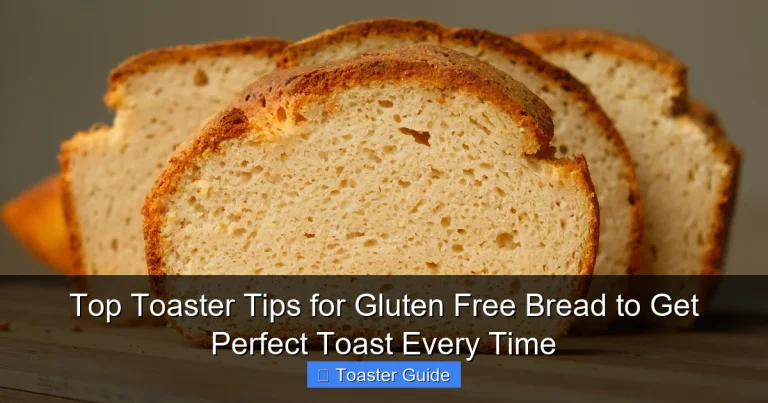
Thin slices, stale bread, or bread with a thick crust tend to develop hard edges more easily. Fresh, thicker slices retain moisture better and toast more evenly. Understanding your bread’s properties helps you adjust your approach accordingly.
How to Adjust Your Toaster Settings for Perfect Toast
Lower the Heat Setting
Start with a medium or low heat setting rather than high. This reduces the risk of burning the edges while allowing the bread to toast slowly and evenly. You might need to increase the toasting time slightly but it’s worth it for softer edges.
Experiment with Toasting Time
Try shorter toasting cycles and check your bread frequently. Some toasters allow you to pause or pop up the toast mid-cycle to check progress. This helps prevent over-toasting the edges.
Use the Right Slot Size
Wide slots accommodate thicker or fresh bread better, promoting even toasting. Narrow slots can squeeze the bread, causing uneven heat distribution which can harden edges. Learn more about choosing the right toaster slot size in our guide on how toaster slots work.
Understand Your Toaster’s Thermostat and Lever
Knowing how your toaster thermostat controls heat output can help you make better setting choices. The lever mechanism affects how deeply the bread sits near the heating elements. For more detailed info, check our guide on how toaster thermostats work and how toaster levers work.
Prepping Your Bread to Avoid Hard Edges
Choose Fresh, Thick Slices
Fresh bread with a soft crumb and thicker slices hold moisture better, which helps prevent hard edges. Avoid very thin or stale bread when possible.
Lightly Butter or Oil the Edges
Applying a thin coat of butter or olive oil around the edges adds moisture and fat, which helps soften the crust and promote even browning. This trick works well whether you toast in a toaster or oven.
Moisten Edges Slightly
If your bread is a bit stale or dry, lightly mist the edges with water before toasting. This rehydrates them just enough to keep edges from hardening too much.
Try Toasting at Room Temperature
Cold bread often toasts unevenly. Letting your bread sit out for a few minutes before toasting can help it toast more evenly, reducing hard edges.
Alternative Toasting Methods to Control Edge Crispness
Pan Toasting on the Stove
Using a non-stick skillet or frying pan allows you to control heat precisely. Toast bread on medium-low heat, turning frequently, and using butter or oil to keep edges soft and golden.
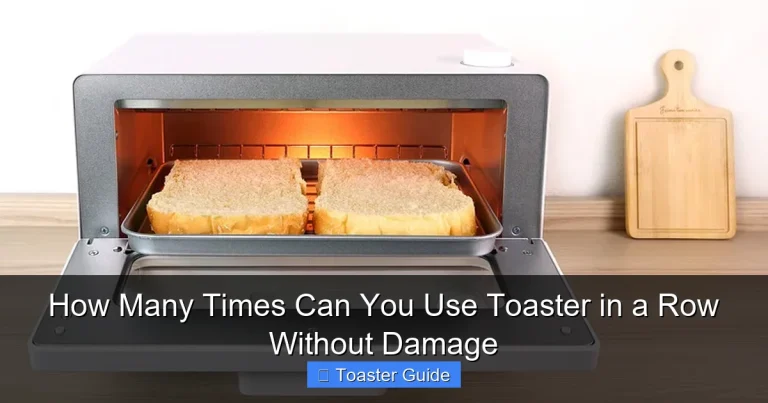
Oven or Toaster Oven Toasting
Set your oven to 350°F (175°C) and place bread on a baking sheet. Toast for 5-7 minutes, flipping halfway through. This method heats bread more evenly and gently, preventing hard edges.
Using a Griddle or Electric Grill
Griddles provide even heat and allow you to toast bread with added moisture from butter or oil, keeping edges soft while crisping the surface.
Maintaining Your Toaster for Consistent Results
Clean Toaster Crumbs Regularly
Crumbs build-up can cause uneven heating and burning. Empty crumb trays often and wipe down interior surfaces. For easy and effective cleaning tips, visit our detailed guide on how to clean toaster crumbs.
Inspect and Repair Toaster Components
A faulty thermostat or lever can lead to uneven toasting and burnt edges. If your toaster isn’t popping up properly or heating evenly, consult our guides on how to fix toaster not popping up and how to fix toaster not heating.
Use Toaster Settings Consistently
Once you find the right setting for your preferred bread, stick to it for consistent results. Keep notes if needed until it becomes second nature.
Practical Tips and Tricks for Perfect Toast Every Time
Toast in Batches
If you’re making multiple slices, toast in small batches to avoid overloading the toaster, which can cause uneven heat distribution and hard edges.
Flip Your Toast Mid-Cycle
If your toaster allows, flip slices halfway toasting to ensure even browning on both sides and reduce hard edges.
Use a Toaster Bag
Toaster bags help retain moisture inside the bread while toasting, resulting in softer edges. They also keep your toaster cleaner.
Let Toast Rest Briefly
After toasting, let your bread rest for 30 seconds to a minute. This allows moisture to redistribute, softening edges slightly before eating.
Conclusion
Toasting without hard edges is achievable with a bit of knowledge and practice. By adjusting your toaster settings, prepping your bread thoughtfully, and maintaining your appliance, you can enjoy perfectly crisp, golden toast with soft, tender edges every time. Don’t be afraid to experiment with heat levels and toasting methods until you find what works best for your favorite bread.
Remember, understanding your toaster’s thermostat and lever mechanisms can be a game changer for consistent results. Regular cleaning and proper care ensure your toaster delivers top performance without burnt edges or uneven browning. For more tips on keeping your toaster in great shape, check out our ultimate guide to cleaning a toaster.
With these techniques, say goodbye to hard edges and hello to perfectly crisp toast that’s a delight to eat every morning!
Frequently Asked Questions
Why do the edges of my toast get so hard?
Edges harden because they dry out faster than the center due to heat exposure and lower moisture content. High heat or long toasting times increase this effect.
Can I prevent hard edges by changing bread type?
Yes, using fresh, thicker slices of bread with soft crusts helps reduce hard edges. Stale or thin bread tends to toast unevenly and harden faster.
Is it better to toast bread in a toaster or oven for soft edges?
Oven toasting offers gentler, more even heat, which can help avoid hard edges. However, with the right settings, toasters can also achieve great results.
Does buttering the bread before toasting help with soft edges?
Lightly buttering edges adds moisture and fat, promoting even browning and preventing the crust from becoming too hard or dry.
How often should I clean my toaster to avoid uneven toasting?
Clean your toaster crumb tray and interior at least once a week to prevent buildup that can cause uneven heating and burnt edges.
Can flipping toast during toasting reduce hard edges?
Yes, flipping toast halfway through helps evenly distribute heat, reducing the chance of one side developing hard, burnt edges.