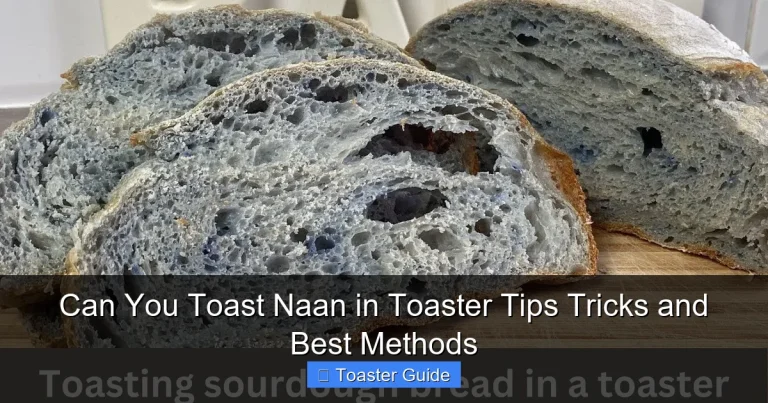
How to Toast Thick Bread All the Way Through for Perfect Crispness

Toasting thick bread all the way through can be a challenge, but with the right techniques, you can enjoy perfectly crisp and evenly toasted slices every time. From choosing the right bread to adjusting your toaster settings and using alternative methods, this guide shares practical tips to get your thick bread toasted just right.
Key Takeaways
- Choose the right thick bread: Dense breads like sourdough or artisan loaves require special attention for even toasting.
- Adjust toaster settings carefully: Use longer toasting times and lower heat to avoid burning the outside while under-toasting the inside.
- Use a toaster oven or oven method: These offer more control and space for thick slices compared to standard slot toasters.
- Toast in stages: Toast one side first, then flip and toast the other to ensure evenness.
- Preheat your toaster or oven: Warm equipment helps toast thick bread evenly and reduces toasting time.
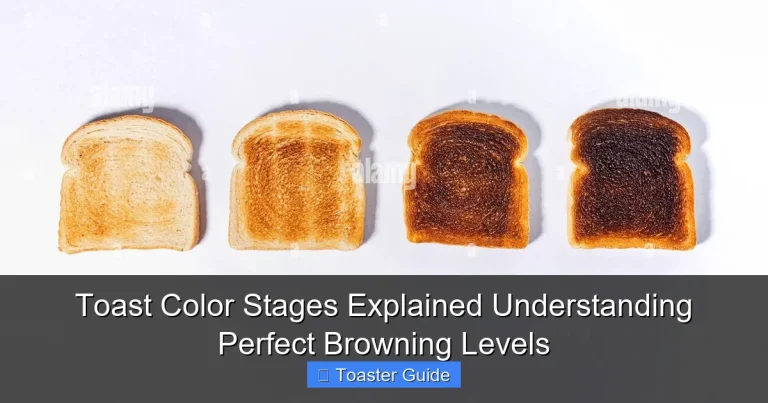
- Check for doneness visually and by touch: Look for golden brown crust and a firm but tender inside.
- Clean your toaster regularly: Crumbs and residue can cause uneven toasting and affect heat distribution.
📑 Table of Contents
- Introduction
- Understanding Thick Bread and Its Toasting Challenges
- Choosing the Right Bread for Toasting Thick Slices
- Toaster Settings and Techniques for Thick Bread
- Alternative Methods to Toast Thick Bread Perfectly
- Tips to Ensure Even Toasting and Perfect Crispness
- Common Mistakes to Avoid When Toasting Thick Bread
- Conclusion
Introduction
There’s nothing quite like biting into a perfectly toasted slice of bread. But when it comes to thick bread, many of us struggle to achieve that ideal crispness all the way through. The outside often burns while the inside remains soft or even soggy. It’s frustrating, especially if you love hearty slices of artisan or homemade bread.
Toasting thick bread requires a bit more finesse than your average sandwich slice. The thickness changes how heat penetrates the bread, and your usual toaster settings might just not cut it. But don’t worry — with some smart techniques and a little patience, you can master the art of toasting thick bread all the way through.
In this guide, we’ll explore everything from choosing the best bread to using the right appliances and settings. Plus, we’ll share practical tips and tricks that work in everyday kitchens. Ready to get that perfect, evenly toasted bread? Let’s dive in.
Understanding Thick Bread and Its Toasting Challenges
What Makes Thick Bread Different?
Thick bread slices vary widely — from dense sourdough to fluffy brioche or rustic country loaves. Their texture, moisture content, and density affect how heat moves during toasting. Thick slices naturally take longer to toast through because the heat must travel deeper to reach the center.
Common Toaster Limitations
Most standard toasters are designed for thinner slices. The heating elements and timer settings are optimized to toast 1/2-inch slices evenly. When you insert a thick slice, the toaster may toast the surface quickly, leading to burnt edges while the middle stays underdone. Also, many toasters have narrow slots that can’t accommodate very thick slices well.
Learning how toaster components work, like the lever mechanism and heating elements, can help you adjust your approach. You might find our guide on how toaster lever works and toaster heating element explained useful for understanding your toaster better.
Choosing the Right Bread for Toasting Thick Slices
Pick Breads That Toast Well
Not all bread toasts equally well when sliced thick. Dense breads such as sourdough, rye, or multigrain have a firm crumb that holds up during toasting. They develop a nice crust and maintain structure without becoming chewy inside.
Light breads like white sandwich bread or brioche can toast well but may require gentler heat to avoid burning the crust before the inside is ready.
Consider Moisture and Freshness
Fresh bread with higher moisture content can be tricky to toast through since the water inside slows down heat penetration. Slightly stale or day-old bread is often better for toasting thick slices, as it crisps up faster and more evenly. If your bread is very fresh, consider letting it sit uncovered for a few hours to dry slightly before toasting.
Toaster Settings and Techniques for Thick Bread
Adjusting Toasting Time and Temperature
The key to toasting thick bread all the way through is patience. Lower the heat or browning setting so the outside doesn’t burn while you give the inside enough time to cook. Many toasters have adjustable settings, and starting at a medium-low heat with a longer duration works well.
Some toasters have dedicated settings or presets for thick slices — if yours does, use them. If not, experiment with multiple cycles of shorter toasting periods to avoid overdoing the crust.
Toast in Two Stages
One effective method is to toast one side of the bread first, then flip it and toast the other side. This manual flipping ensures even heat distribution and better control over the toasting process. Since thick bread can be uneven inside, flipping helps avoid hotspots.
Use the Right Toaster Slots
Wide and deep toaster slots are better suited for thick bread. If your toaster slots are narrow, forcing thick slices can cause uneven toasting or even damage the toaster. Consider a toaster oven or a toaster with adjustable racks designed for thicker bread. Learn more about slots in our how toaster slots work article.
Alternative Methods to Toast Thick Bread Perfectly
Using a Toaster Oven
A toaster oven offers more space and better heat control for thick bread. You can toast slices on a rack or baking tray, set the temperature precisely, and even toast both sides by flipping halfway through. This method generally produces more consistent results compared to a slot toaster.
Preheat your toaster oven for a few minutes before placing the bread inside to ensure even heat distribution. Set the temperature to around 350°F (175°C) and toast for 5-7 minutes per side, depending on thickness and desired crispness.
Oven Broiling or Baking Method
If you don’t have a toaster oven, your regular oven can do the job. Preheat the oven to 375°F (190°C). Place thick bread slices on a baking sheet and toast for 5-6 minutes on one side, then flip and toast another 4-5 minutes. Keep a close eye to prevent burning.
Using a Skillet or Grill Pan
A skillet or grill pan on the stove can also toast thick bread nicely. Heat the pan over medium heat and add a little butter or oil if desired. Toast each side for 2-3 minutes until golden and crisp. This method also allows you to control browning and add flavor.
Tips to Ensure Even Toasting and Perfect Crispness
Preheat Your Toaster or Oven
Starting with a warm toaster or oven helps toast thick bread evenly. Heat from the start reduces waiting time and helps the heat penetrate the bread better.
Keep an Eye on Your Toast
Because thick bread takes longer to toast, it’s easy to overdo it. Check your bread frequently during the final stages, especially if you are using a new method or appliance.
Clean Your Toaster Regularly
Crumbs and residue inside your toaster can interfere with heat distribution, causing uneven toasting. Regular cleaning improves performance and safety. If you want simple cleaning tips, check out our ultimate easy and effective toaster cleaning guide.
Use a Bread Knife for Even Slicing
Toasting thick bread evenly starts with an even slice. Use a serrated bread knife to cut uniform slices 3/4 to 1 inch thick. Uneven slices will toast unevenly.
Add Butter or Oil for Extra Crispness
Lightly brushing the bread with butter or olive oil before toasting can enhance browning and flavor. This works especially well on skillet or oven toasts.
Common Mistakes to Avoid When Toasting Thick Bread
Using Too High Heat Settings
High heat can burn the crust before the inside is warmed through. Stick to medium-low settings or adjust based on your toaster model.
Forcing Thick Slices into Narrow Slots
This can damage your toaster and cause uneven toasting. Use a toaster with wider slots or alternative methods instead.
Skipping Flipping or Rotating
Not flipping the bread can lead to one side being toasted well and the other side underdone. Flipping helps balance the heat exposure.
Ignoring Toaster Maintenance
Dirty toasters don’t toast evenly and can even pose a fire risk. Clean crumbs regularly to keep your toaster safe and efficient.
Conclusion
Toasting thick bread all the way through for perfect crispness is totally achievable, even if it seems tricky at first. The secret lies in understanding your bread, adjusting your toaster settings, and sometimes using alternative methods like toaster ovens or skillets. By toasting in stages, preheating, and monitoring the process carefully, you’ll avoid burnt edges and undercooked centers.
Remember to slice your bread evenly, choose breads that suit your toasting style, and keep your toaster clean. Whether you love thick sourdough, rustic rye, or fluffy brioche, these tips will help you enjoy that ideal golden crust and soft, delicious inside every time.
For more insights about how your toaster works and ways to get the best toast, explore our guides on how toaster browns bread and toaster lever operations. Happy toasting!
Frequently Asked Questions
Can I toast any type of thick bread in a regular toaster?
While you can toast many types of thick bread in a regular toaster, it depends on the toaster’s slot width and heating settings. Narrow slots may not fit very thick slices, and high heat settings can burn the outside before the inside is toasted. Using a toaster oven or adjusting the method might work better.
How long should I toast thick bread to get it crispy all the way through?
Thick bread typically requires longer toasting times, around 3 to 5 minutes per side depending on thickness and bread type. It’s best to start with medium-low heat and toast in stages, flipping the bread to ensure even crispness throughout.
Is flipping the bread during toasting necessary?
Flipping thick bread is highly recommended to achieve even toasting on both sides. It helps the heat penetrate more uniformly and prevents one side from burning while the other remains soft.
Can I use a skillet to toast thick bread instead of a toaster?
Yes, using a skillet or grill pan is a great alternative to a toaster for thick bread. It allows you to control the heat and toast each side evenly. Adding a bit of butter or oil can also enhance flavor and crispness.
Why does my thick toast burn on the outside but stay soft inside?
This happens when the heat is too high or the toasting time is too short. The outer crust cooks too quickly, while the center doesn’t receive enough heat. Lowering the heat and toasting in stages with flipping can solve this issue.
How often should I clean my toaster to ensure even toasting?
It’s best to clean your toaster regularly, ideally once a week or whenever you notice crumbs build up. A clean toaster heats more evenly and reduces the risk of uneven toasting or fire hazards. Check out our cleaning guides for easy maintenance tips.