Top Toaster Tips for Thin Bread to Achieve Perfect Toast Every Time

Toasting thin bread can be tricky, but with the right tips and tricks, you can enjoy perfectly crisp and golden toast every time. From adjusting toaster settings to choosing the right bread thickness, this guide shares essential advice to help you master thin bread toasting effortlessly.
Key Takeaways
- Adjust toaster settings: Use lower heat or shorter toasting times to prevent burning thin bread.
- Choose the right bread thickness: Slightly thicker thin slices toast more evenly without drying out.
- Use toaster features wisely: Utilize defrost or bagel settings when applicable for better results.
- Consider bread moisture: Slightly stale or refrigerated bread toasts better than fresh, very soft slices.
- Prevent crumbs buildup: Regularly clean your toaster to ensure even heating and safety.
- Use additional tools: A toaster bag or tray can help toast delicate thin bread safely.
- Experiment with bread placement: Position bread centrally in the slots to reduce uneven toasting.
📑 Table of Contents
- Introduction
- Understanding the Challenges of Toasting Thin Bread
- Adjusting Your Toaster Settings for Thin Bread
- Selecting and Preparing Thin Bread for Toasting
- Techniques to Ensure Even Toasting for Thin Bread
- Maintaining Your Toaster for Consistent Thin Bread Toasting
- Creative Uses and Alternatives for Thin Bread Toasting
- Conclusion
Introduction
Toasting bread is a simple pleasure many of us enjoy daily, but when it comes to thin bread slices, the process can quickly become a challenge. Thin bread tends to toast faster, often leading to burnt edges or uneven browning. If you’ve ever struggled with turning your thin bread slices into perfect golden toast, you’re not alone. Luckily, with a few practical toaster tips, you can master the art of toasting thin bread to perfection.
In this guide, we’ll explore why thin bread requires special attention, how to adjust your toaster settings for the best results, and other helpful tricks to avoid common pitfalls. Whether you’re making toast for breakfast, sandwiches, or a quick snack, these expert tips will help you achieve consistent, delicious toast every time.
Understanding the Challenges of Toasting Thin Bread
Why Thin Bread Toasts Differently
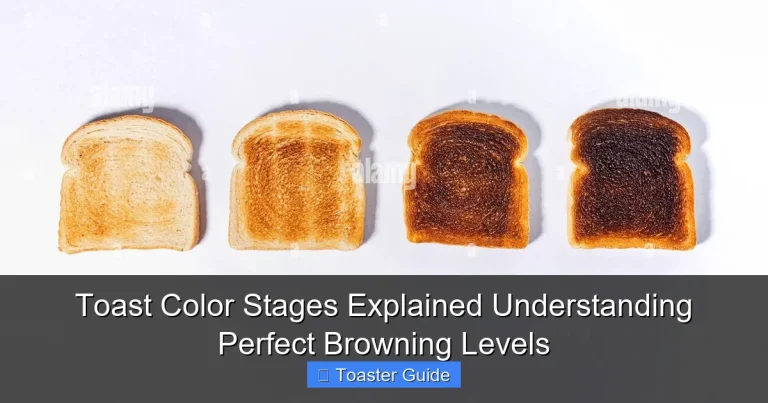
Thin bread slices have less mass and moisture compared to thicker slices, which means they heat up and brown much faster. This rapid toasting can cause the bread to burn quickly, especially around the edges, while the center may still be under-toasted. Also, thin slices dry out faster, leading to a tougher texture if over-toasted.
Common Toasting Problems with Thin Bread
- Burnt edges: Thin bread edges are exposed more and tend to crisp and burn before the middle is done.
- Uneven browning: The toaster may heat unevenly, causing some parts of the slice to be darker than others.
- Dry or crumbly texture: Over-toasting thin bread can make it brittle and hard to eat.
- Slipping through toaster slots: Very thin slices sometimes get stuck or fall through toaster slots, causing jams or safety hazards.
Adjusting Your Toaster Settings for Thin Bread
Lower the Toasting Time
Because thin bread toasts faster, it’s important to reduce the toasting time. Most toasters have adjustable browning controls—try setting it one or two levels lower than your usual setting. For example, if you normally toast medium at setting 4, drop to 2 or 3 for thin slices.
Choose Light or Medium Toast Settings
Start with a light to medium setting on your toaster and check the toast’s progress. You can always add another short cycle if needed. Avoid the darkest settings as they are more likely to burn thin bread.
Use Special Toaster Functions
Many modern toasters come with settings like defrost, bagel, or reheat. While bagel settings toast one side more than the other, defrost can gently heat frozen thin bread without burning. Refer to your toaster’s manual to see if any of these functions improve thin bread toasting. For more on toaster dos and don’ts, check out this detailed guide.
Selecting and Preparing Thin Bread for Toasting
Optimal Thickness for Thin Bread
Not all thin bread is created equal. Slices around 1/4 inch thick tend to toast better than ultra-thin slices. Slightly thicker thin slices hold moisture better and toast more evenly. If your bread is too thin, consider stacking two slices or using a toaster bag to avoid burning.
Use Slightly Stale or Refrigerated Bread
Fresh, very soft bread can become soggy or char quickly. Using bread that is a day old or refrigerated helps the bread firm up, making it easier to toast evenly. If you have frozen thin bread, thaw it first or use the defrost setting on your toaster. For best practices on frozen bread, see Can You Put Frozen Bread In Toaster Must Have Tips For Best Results.
Prepping Bread Before Toasting
- Lightly pat the bread dry if it feels moist.
- Avoid buttering thin bread before toasting; apply butter after toasting to prevent sogginess and burning.
- If you want flavored toast, consider adding toppings after toasting to preserve crispness.
Techniques to Ensure Even Toasting for Thin Bread
Position Bread Correctly in the Toaster
Make sure thin bread slices are centered in the toaster slots. This placement allows for even exposure to heating elements. Avoid pushing bread too deep or letting it tilt, which can cause uneven toasting or jams.
Use Toaster Bags for Extra Protection
Toaster bags are mesh bags that hold delicate or thin bread slices, preventing crumbs from falling inside and protecting bread from direct heat. They help achieve even toasting without burning. This method is great for thin bread, especially if you want to toast buttered or topped slices safely.
Toast in Multiple Short Cycles
Instead of one long toasting cycle, try two or three shorter ones. Check the toast between cycles to avoid overcooking. This approach gives you more control and reduces the risk of burning thin slices.
Maintaining Your Toaster for Consistent Thin Bread Toasting
Clean Crumbs Regularly
Crumbs can accumulate quickly and cause uneven heating or even fire hazards. Empty your toaster’s crumb tray at least once a week to maintain good airflow and safe operation. For detailed cleaning advice, see How To Clean Toaster Crumbs Must Have Tips For Effortless Cleaning.
Inspect and Replace Old Toasters
An old or malfunctioning toaster may heat unevenly or fail to pop up properly. If your thin bread consistently burns or toasts unevenly despite adjustments, consider replacing your toaster. Learn more about knowing when to upgrade at When To Replace A Toaster Must Have Tips For Best Timing.
Practice Safety While Toasting Thin Bread
Thin bread can sometimes slip or get stuck inside the toaster. Never use metal tools to retrieve stuck bread. Always unplug the toaster before cleaning or removing jammed slices. For comprehensive safety tips, visit Toaster Safety Tips Must Have Guide For Effortless Kitchen Safety.
Creative Uses and Alternatives for Thin Bread Toasting
Make Toasted Sandwiches
Thin bread is perfect for light toasted sandwiches. Toast the bread lightly first, then add fillings and use a sandwich press or panini maker to finish. This method prevents soggy bread and keeps the sandwich crisp.
Use Thin Bread for Croutons
If your thin bread toast doesn’t turn out perfectly, consider cutting it into bite-sized pieces and baking them into croutons. They’re great for salads and soups.
Try Toaster Alternatives
If your toaster struggles with thin bread, try other appliances like a toaster oven or skillet. These offer more control and reduce the risk of burning. You can find more tips on toasting variations in our Toaster Dos And Donts Must Have Tips For Effortless Toasting article.
Conclusion
Toasting thin bread doesn’t have to be a frustrating experience. With the right toaster settings, careful bread selection, and practical techniques, you can enjoy evenly toasted, crispy slices every time. Remember to adjust your toaster’s heat, use gentle cycles, and keep your appliance clean for the best results.
By following these top toaster tips for thin bread, you’ll turn what once felt like a challenge into a simple and enjoyable part of your breakfast routine. So go ahead, grab your favorite thin bread, and toast it to perfection!
Frequently Asked Questions
How can I prevent thin bread from burning in the toaster?
Lower the toaster’s heat setting and toast for shorter intervals. Check the toast frequently and consider using multiple short cycles instead of one long one to avoid burning.
Is it safe to toast buttered thin bread?
It’s best to avoid buttering thin bread before toasting, as butter can drip and cause smoke or fire hazards. Instead, toast the bread plain and add butter afterward for safety and better texture.
Can I use frozen thin bread in a toaster?
Yes, but it’s ideal to use the defrost setting if your toaster has one. Otherwise, thaw the bread slightly before toasting to ensure even heating and prevent burning. For more on this, see our guide on using frozen bread in a toaster.
What should I do if my thin bread slips inside the toaster?
If thin bread slips or gets stuck, unplug the toaster immediately and gently remove the bread once the appliance has cooled. Never use metal utensils to retrieve stuck bread to avoid electric shock or damage.
How often should I clean my toaster when toasting thin bread?
Clean your toaster’s crumb tray at least once a week to prevent crumbs from building up. This helps maintain even heating and reduces fire risk, especially when toasting delicate thin bread slices.
Are toaster bags helpful for thin bread?
Yes, toaster bags protect thin bread from direct heat and prevent crumbs from falling inside the toaster. They help achieve even toasting and are especially useful for buttered or topped thin slices.