Is Protein Pasta Good for You Healthy Facts to Know

Yes, protein pasta can be good for you when you want more protein and fiber in one meal. It works best when you check the label and keep the sauce and portion size in balance.
Yes, protein pasta can be good for you. It depends on the brand, the ingredients, and how you serve it. For many people, it’s a smart swap when they want more protein and fiber than regular pasta offers.
That said, it’s not a magic health food. Some boxes are made from beans, lentils, or peas. Others lean on added protein and still need a close look at sodium, fiber, and serving size.
- Healthy swap: Protein pasta can add protein and fiber to a simple meal.
- Label matters: Check sodium, ingredients, and serving size before you buy.
- Best use: It works well with vegetables, lean toppings, and lighter sauces.
- Main limit: Taste, texture, and digestion vary by brand and protein source.
Is Protein Pasta Good for You? The Short Answer
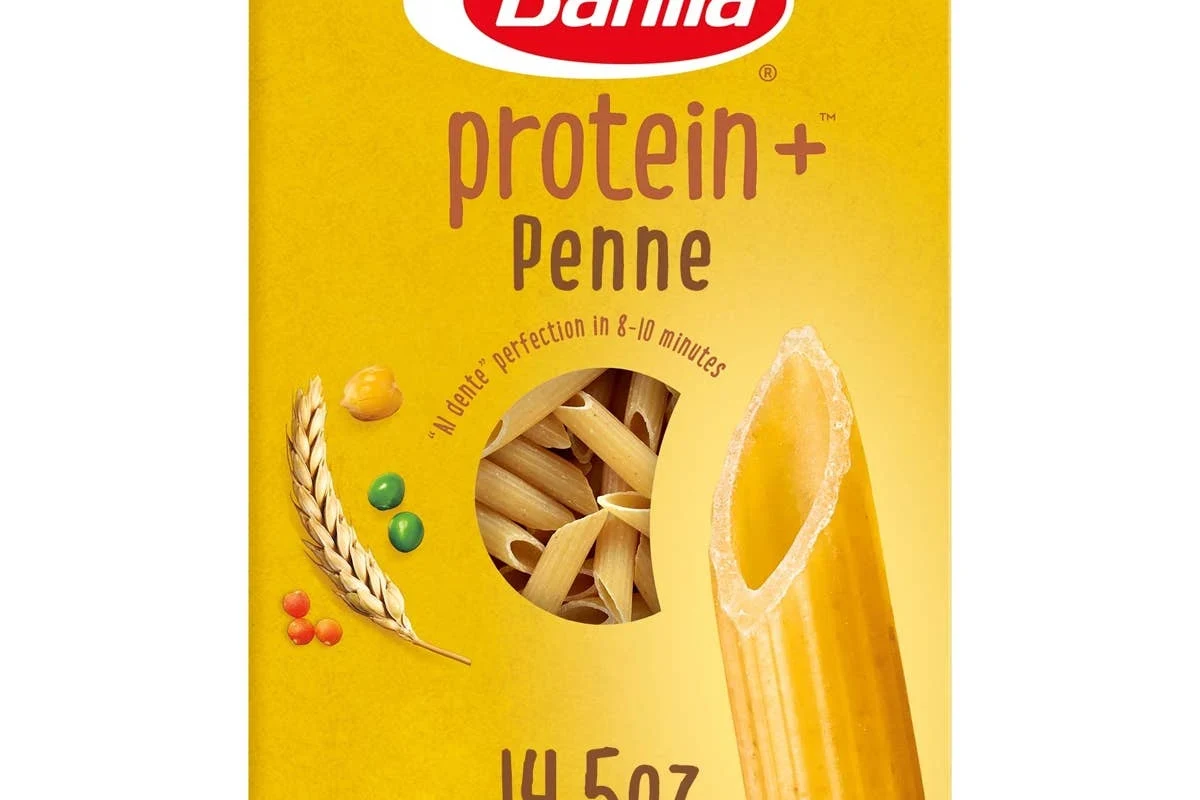
Protein pasta can fit a healthy diet. It may help you feel full longer and make it easier to build a balanced meal.
But the best choice depends on your goals. If you want more plant protein or a more filling bowl, it can be a solid pick. If you only want the same taste and texture as white pasta, you may need to compare brands carefully.
What protein pasta is and why people buy it
Protein pasta is pasta made with extra protein or protein-rich ingredients. Common versions use lentils, chickpeas, peas, soy, or wheat protein.
People buy it for simple reasons. They may want more protein after a workout. They may want more fiber. Or they may just want a pasta meal that feels a little more balanced.
Nutrition can vary a lot by brand. Always check the package, since the protein source and serving size change the final numbers.
Who it can help most in daily meals
Protein pasta can help busy home cooks, active people, and families who want an easy dinner upgrade. It can also work well for people who struggle to feel full after plain pasta.
It may be less helpful for someone with a sensitive stomach or a food allergy. In those cases, ingredient choice matters more than the protein count.
How Protein Pasta Works in Your Body

Protein pasta gives you carbs for energy, plus more protein than many regular pastas. Some types also bring extra fiber, which can help slow digestion and support fullness.
That mix can make a meal feel more steady. Instead of a quick carb-heavy bowl, you get a little more balance in one dish.
Protein, carbs, and fiber in one bowl
Carbs still do most of the energy work. Protein helps your body repair tissue and keep you satisfied. Fiber helps with digestion and can support steadier hunger levels.
Pasta made from beans or lentils often has more fiber than refined wheat pasta.
That does not mean more is always better. A very high-fiber pasta can also feel heavy if your body is not used to it.
Why the protein source matters
The source of protein changes taste, texture, and digestion. Lentil and chickpea pasta often tastes earthy. Pea protein pasta can feel softer or more neutral. Wheat-based high-protein pasta may look and cook more like regular pasta.
It also matters for allergies and diet needs. For example, a soy-based pasta won’t fit every household. A wheat-based version won’t work for someone avoiding gluten unless the label says otherwise.
How it compares with regular pasta
Regular pasta is usually cheaper and often has a more familiar texture. Protein pasta usually gives you more protein and sometimes more fiber, but the taste can be different.
- More protein in each serving
- Often more filling than plain pasta
- Can add fiber from beans or legumes
- Texture can be less familiar
- Some brands cost more
- Not all options are low in sodium
So, the better choice depends on what you value most. If you want comfort and low cost, regular pasta still has a place. If you want more nutrition per bowl, protein pasta may win.
Key Ingredients to Check Before You Buy
The front of the box can be tempting. Still, the ingredient list and nutrition panel tell you much more.
Look at the protein source, the fiber amount, and the sodium. Then check for fillers or gums if you care about a cleaner label or a simpler taste.
Common protein sources like wheat, lentils, chickpeas, and pea protein
Lentils and chickpeas are common in legume pasta. They often give a hearty bite and extra fiber. Pea protein can boost protein without making the pasta fully bean-based.
Wheat protein, such as semolina mixed with added wheat gluten, may improve texture. It can also make the pasta feel closer to standard noodles.
- More protein than standard pasta
- Possible fiber boost from legumes
- Easy way to upgrade a simple meal
Fiber, sodium, and added gums or fillers
Fiber is a big plus, but too much at once can upset your stomach. Sodium matters too, especially if the pasta or sauce is already salty.
Some brands use gums or starches to improve texture. That is not always bad. It just means the pasta is more processed, which may matter if you want simpler ingredients.
Labels that signal better quality
Good labels are usually clear and short. They list the main protein source first and keep the ingredient list easy to read.
- Check protein and fiber per serving
- Compare sodium with other brands
- Look for a protein source you tolerate well
- Read the cooking time and texture notes
If a box looks healthy but hides a long list of extras, pause and compare. A shorter ingredient list is often easier to trust.
Health Benefits and Real Limits
Protein pasta can support a healthier meal pattern. It may help with fullness, muscle support, and better balance on busy days.
Still, it has limits. It’s not a cure for poor eating habits, and it won’t turn a creamy, heavy sauce into a light meal.
Possible upsides for fullness and muscle support
Protein helps you stay full after eating. That can be useful if you often feel hungry soon after dinner.
It can also help active people reach daily protein goals. You still need enough total protein across the day, though. One bowl of pasta won’t do all the work.
Protein pasta helps most when it replaces a refined carb, not when it gets buried under a heavy sauce.
When protein pasta may not be the best fit
It may not be ideal if you want the cheapest pasta on the shelf. It may also disappoint you if you expect classic pasta flavor and texture.
Some people do better with simple foods. If you have a sensitive stomach, a bean-based pasta may feel too heavy.
Digestive issues and allergy concerns
Legume pasta can cause gas or bloating for some people. That is common when you increase fiber fast.
If you have celiac disease, a gluten allergy, or a legume allergy, check the label carefully. Do not rely on the front of the box alone.
Cross-contact can also matter. If your diet has strict allergy needs, look for clear allergen statements and trusted manufacturing details.
How to Use Protein Pasta in Real Meals
The best protein pasta meal is simple. Pair it with a sauce you like, add vegetables, and keep portions sensible.
You do not need a fancy recipe. A good bowl of pasta usually works because the parts balance each other.
Best sauces, toppings, and portion ideas
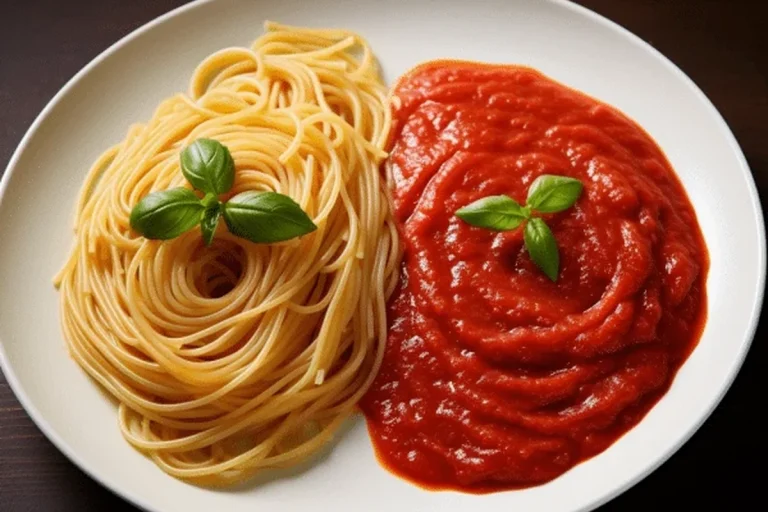
Tomato sauce, olive oil, garlic, pesto, and light cream sauces all work. Heavier sauces can still taste great, but they add calories fast.
- Use roasted vegetables for more flavor and fiber
- Add chicken, tofu, beans, or shrimp for extra protein
- Finish with herbs, lemon, or cheese for better taste
For portions, think of pasta as one part of the plate. A good rule is to use enough for satisfaction, not an overflowing bowl.
Simple meal examples for lunch or dinner
A quick lunch might be protein pasta with tomato sauce, spinach, and parmesan. For dinner, try chickpea pasta with roasted broccoli and olive oil.
You can also make a cold pasta salad. Add chopped vegetables, beans, and a simple vinaigrette. That works well for meal prep and busy weekdays.
How to balance protein pasta with veggies and fats
Protein pasta still needs balance. Vegetables add color, fiber, and volume. Healthy fats help flavor and can make the meal more satisfying.
Vegetables
Sauce
Protein topping
That mix gives you a fuller plate without overdoing any one part. It also makes the meal taste more complete.
Common Mistakes People Make
Protein pasta is useful, but people often expect too much from it. A few simple mistakes can turn a smart choice into an average one.
Thinking protein pasta is always a health food
Some boxes are better than others. A pasta made from legumes may be a strong choice, but the meal still depends on what you add.
If you cover it in lots of cheese, cream, or oil, the health edge gets smaller. The pasta helps, but the full dish matters more.
Ignoring serving size and sauce calories
Serving size is easy to miss. A package may look like one meal, but it can hold two or more servings.
Sauce can add more calories than the pasta itself. That is why a light tomato sauce can feel very different from a rich Alfredo.
Choosing a brand based on protein alone
More protein does not always mean better pasta. Taste, texture, fiber, and digestion matter too.
- Compare protein, fiber, and sodium together
- Try one new brand before buying in bulk
- Buying based on protein grams alone
- Assuming every high-protein pasta tastes the same
In short, the best box is the one you will actually eat again.
Buying Guide: How to Pick the Right Protein Pasta
The right pasta depends on your goal. Some people want weight support. Others want family-friendly taste. Some just want a better weeknight dinner.
Start with your main need. Then compare ingredients, texture, and price level.
Best choice for weight goals, fitness, or family meals
If you want a more filling meal, look for higher fiber and steady protein. If you train often, choose a pasta that fits your total daily protein plan.
For families, taste usually matters most. A pasta that cooks like regular noodles may be easier to serve to kids and picky eaters.
Texture, taste, price, and ingredient balance
Texture is often the biggest difference between brands. Some hold sauce well. Others get soft fast if you overcook them.
Taste matters just as much. If the flavor is too earthy or beany for your home, you probably won’t keep buying it.
Budget picks versus premium options
Budget options can still be good. They may use simple ingredients and give you solid protein at a lower cost.
Premium options may offer better texture or cleaner labels. Still, a higher price does not always mean better nutrition.
Pick a pasta with good protein, decent fiber, and a short ingredient list.
Choose the brand with the best texture and mildest flavor.
That approach keeps the choice practical. It also helps you avoid paying more for features you do not need.
Final Verdict: Is Protein Pasta Worth It?
Protein pasta is worth it for many people, especially if you want more fullness or a better protein boost in a simple meal. It is not perfect, but it can be a smart pantry staple.
The best version depends on the ingredient list and how you cook it. A good sauce, some vegetables, and a sensible serving size matter just as much as the pasta itself.
Best for some diets, not a magic fix
Protein pasta can fit active diets, higher-protein meal plans, and veggie-heavy dinners. It can also work for people who want a more balanced bowl than standard refined pasta.
But it won’t fix an unbalanced diet on its own. Think of it as a useful swap, not a miracle food.
Clear recommendation from the Red Kitchen Project Editorial Team
Our take is simple. If you want a pasta that adds protein and sometimes fiber, protein pasta is a good buy. If you care most about classic texture, lowest cost, or the mildest flavor, regular pasta may still be the better fit.
Protein pasta is a good choice for many home cooks, especially when you want a more filling meal. Just compare ingredients, watch the sauce, and pick the brand your household will actually enjoy.
- Protein pasta can be a healthy swap for many meals.
- Ingredient quality matters more than the protein claim alone.
- Balance it with vegetables, sauce, and smart portions.
- Choose the brand that fits your taste, budget, and diet needs.
Frequently Asked Questions
It can be, depending on the brand and your goals. Many protein pastas offer more protein and sometimes more fiber, but the full ingredient list still matters.
Check protein, fiber, sodium, and the main protein source. A shorter ingredient list is often easier to trust.
Yes, especially if it uses beans or lentils and you are not used to high fiber. Start with a smaller portion if you have a sensitive stomach.
It can help with fullness, which may support weight goals. Portion size and sauce choices still matter a lot.
Yes, if your family likes the texture and taste. Mild brands that cook like regular pasta are often the easiest to serve.
Not always. Protein pasta is useful for some meals, but regular pasta can still be the better choice for taste, cost, or texture.