Is Pasta a Grain What You Need to Know

Pasta is not a grain, but it is a grain product made from flour. Whole wheat pasta is the closest common option if you want more fiber.
Short answer: no, pasta is not a grain. Pasta is a grain product made from grain flour, usually wheat. That means it belongs with grain foods, but it is not a whole grain on its own.
- Pasta type: Pasta comes from grain flour, usually wheat.
- Main difference: Whole grains keep more of the kernel than pasta does.
- Nutrition: Whole wheat and legume pastas usually offer more fiber.
- Best use: Pasta works best in balanced meals with protein and vegetables.
Is Pasta a Grain? The Short Answer
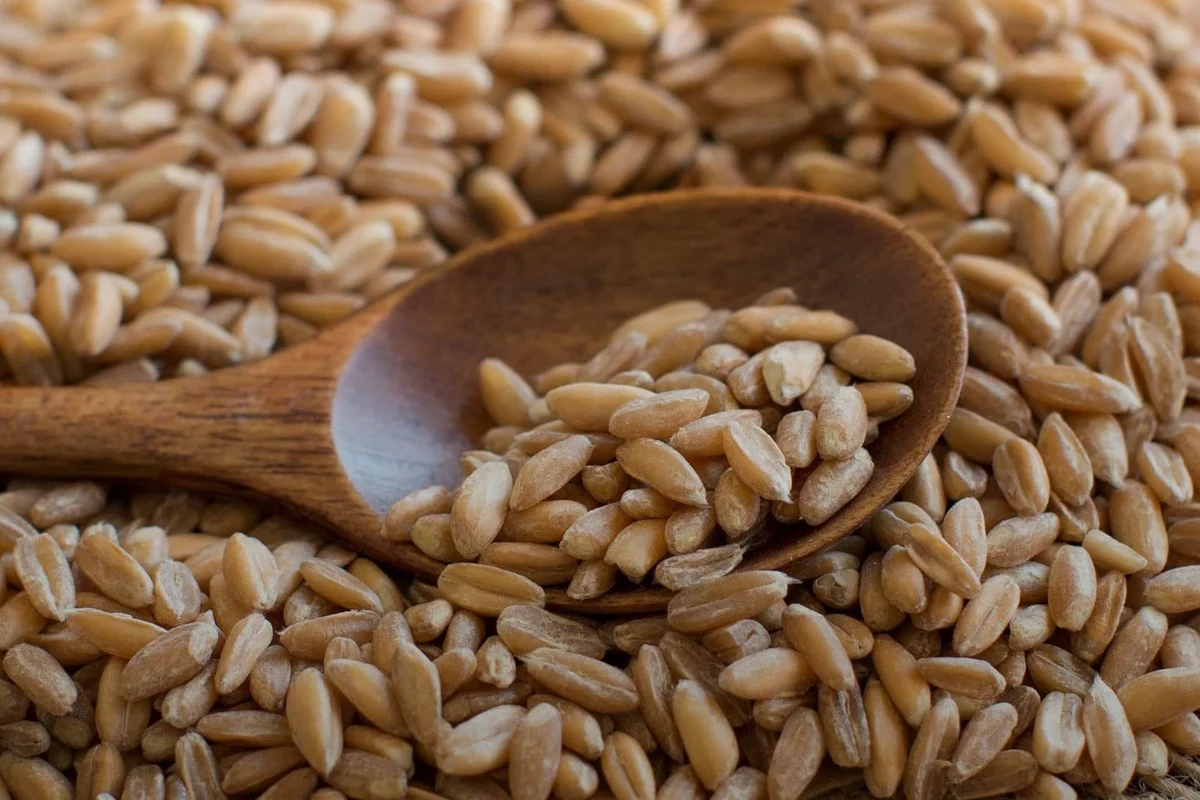
Pasta is made from grains, but it is not the grain itself. Think of it like bread or crackers. They come from grain flour, yet they are still processed foods made from that flour.
For most home cooks, that difference matters when you shop and plan meals. It helps you pick the right pasta for fiber, taste, and balance.
In short: pasta belongs in the grain food group, but it is not a grain kernel like wheat berries or brown rice.
What Pasta Is Made From and Why That Matters

Most dry pasta starts with flour and water. Many types also use eggs, salt, or added vitamins and minerals. The exact mix depends on the style and brand.
That ingredient list changes the final food. A pasta made with refined wheat flour will act differently from one made with whole wheat flour or legume flour.
Common Ingredients in Dry Pasta
Dry pasta often uses semolina, which comes from durum wheat. Some pasta uses all-purpose flour, whole wheat flour, or a blend of flours.
Some shapes include eggs. Some gluten-free pastas use rice, corn, chickpeas, lentils, or other plant foods instead.
Always check the package if you have celiac disease, a wheat allergy, or a gluten concern. Ingredients can vary a lot by brand.
In short: pasta is usually a wheat food, but the exact ingredients depend on the type.
How Pasta Differs From Whole Grains
A whole grain keeps all three parts of the grain kernel. Those parts are the bran, germ, and endosperm. Whole grain pasta may keep more of those parts than refined pasta.
Regular pasta usually uses flour that has been milled and sifted. That process removes some bran and germ. The result is a smoother texture and a milder taste.
Whole grains like oats, brown rice, barley, and wheat berries are still close to their natural form. Pasta is made after the grain gets ground and shaped.
In short: whole grains stay more intact, while pasta starts as grain flour and gets processed into a new food.
How Pasta Fits Into the Grain Food Group
Nutrition groups often place pasta in the grain category because it comes from grain flour. That does not mean every pasta choice has the same health value.
The key question is not only “Is pasta a grain?” It is also “What kind of pasta is it, and how much do you eat?”
Many nutrition guides treat pasta as a grain food, but whole grain pasta gives you more fiber than refined pasta.
Refined Pasta vs Whole Wheat Pasta
Refined pasta uses flour that has had much of the bran and germ removed. It cooks up soft and mild, which many people like.
Whole wheat pasta keeps more of the grain. It usually has more fiber and a stronger taste. It can also feel a bit firmer after cooking.
Here’s the simple trade-off:
- Whole wheat pasta usually has more fiber.
- Refined pasta often has a softer texture.
- Both can fit into balanced meals.
- Refined pasta often has less fiber.
- Whole wheat pasta may taste heavier to some people.
- Some gluten-free pastas can break apart more easily.
In short: whole wheat pasta is usually the better grain choice, but refined pasta still has a place.
Where Enriched Pasta Fits in a Healthy Diet
Some refined pasta is enriched. That means makers add back certain vitamins and minerals lost during milling. This can improve its nutrition, but it still is not the same as whole grain pasta.
Enriched pasta can work well in many meals. It may be a useful choice when you want a familiar taste and a lower cost option.
Still, enrichment does not add much fiber. If fiber matters to you, whole wheat or legume pasta may be a better pick.
In short: enriched pasta can support a balanced diet, but it should not replace whole grains all the time.
Nutritional Value, Benefits, and Limits
Pasta can be a useful food. It gives you energy, pairs well with vegetables and proteins, and can help make a filling meal.
But pasta also has limits. The nutrition changes a lot based on the flour, portion size, and what you serve with it.
Carbs, Protein, and Fiber in Pasta
Pasta is mostly a source of carbs. That makes it a quick and steady fuel for many people.
Some pasta also gives a little protein. Whole wheat pasta usually gives more fiber than refined pasta. Legume pasta can offer even more protein and fiber.
That said, pasta alone is not a complete meal. You usually need vegetables, protein, and healthy fats to round it out.
- Add beans, chicken, tofu, or fish for more staying power.
- Mix in vegetables to boost fiber and color.
- Use sauce wisely, since creamy sauces can add a lot of richness.
In short: pasta gives carbs and some protein, but the full meal matters more than the pasta alone.
When Pasta Works Well and When It Falls Short
Pasta works well when you need a fast, filling base for dinner. It also works well for batch meals and leftovers.
It falls short when the portion gets too large or the sauce is too heavy. A giant bowl of pasta with little else can leave you low on fiber and protein.
For example, pasta with roasted vegetables and grilled chicken gives a much better balance than plain pasta with butter alone.
In short: pasta is helpful, but it works best as part of a mixed meal.
Common Mistakes People Make When Calling Pasta a Grain
People often use the word “grain” loosely. That can lead to confusion in the kitchen and at the store.
Knowing the difference helps you read labels with more confidence.
Mixing Up Grain Foods With Grain Products
A grain food is not always the same as a whole grain. Pasta, bread, and cereal can all come from grain flour.
That means they are grain products. But many of them are refined or heavily processed. So they do not offer the same nutrition as intact whole grains.
If you need gluten-free food, do not assume pasta is safe just because it is made from rice or corn. Check the label carefully.
In short: grain product does not always mean whole grain.
Assuming All Pasta Has the Same Nutrition
Not all pasta is equal. White pasta, whole wheat pasta, chickpea pasta, and spinach pasta can all look different on the label.
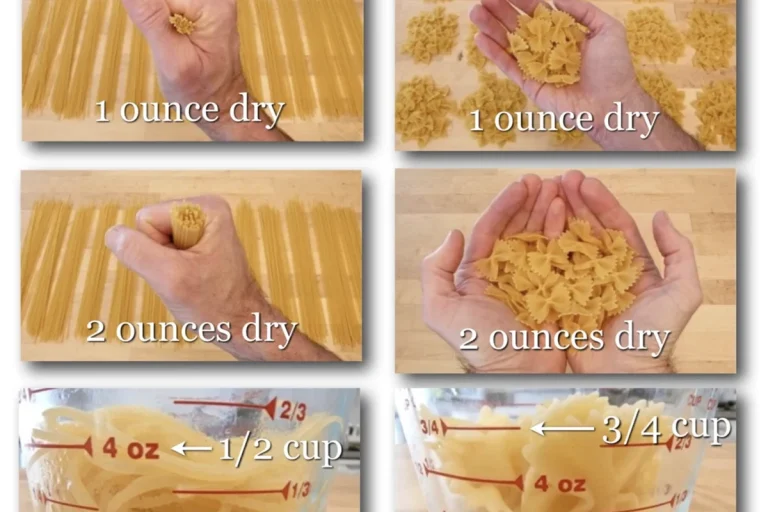
The biggest differences are fiber, protein, and how filling the pasta feels. Serving size also changes the picture a lot.
Two people can eat the same shape and get very different nutrition if one serves a small portion and the other serves a huge bowl.
In short: the pasta shape matters less than the flour and portion size.
How to Choose the Right Pasta for Your Needs
The best pasta choice depends on your goals. Are you after taste, fiber, protein, or a better balance at dinner?
Once you know that, shopping gets much easier.
Best Choices for Everyday Meals
For everyday cooking, many people do well with regular enriched pasta. It tastes familiar, cooks quickly, and pairs with almost any sauce.
If you want a little more nutrition, whole wheat pasta is a smart step up. It still cooks like pasta, but it brings more fiber to the plate.
Gluten-free pasta can be a good choice if you need it. Just know that texture and cooking time can vary a lot by brand.
In short: the best everyday pasta is the one your household will actually eat and use well.
Best Choices for More Fiber or Better Balance
If fiber is your goal, whole wheat pasta is a strong choice. Legume pasta can be even better for some people because it often has more protein and fiber.
Another smart move is to change the meal, not just the pasta. Add vegetables, lean protein, and a sauce that does not drown the dish.
- Check the flour type first.
- Look for fiber and protein on the label.
- Confirm gluten-free claims if you need them.
- Choose shapes that fit your favorite sauces.
In short: better balance usually comes from both the pasta choice and the rest of the plate.
Final Verdict: Should You Think of Pasta as a Grain?
Yes, you should think of pasta as a grain food. But no, you should not think of it as the same thing as a whole grain.
That small difference matters. It helps you choose between refined pasta, enriched pasta, whole wheat pasta, and other options based on your needs.
Pasta is a grain product, not a grain kernel. For the best balance, choose whole wheat or legume pasta when you want more fiber, and use regular pasta when taste and ease matter most.
Simple Takeaway for Home Cooks
If you want the shortest answer, here it is: pasta comes from grain, but it is not a whole grain by default. Read the label, choose the pasta that fits your meal, and build the rest of the plate around it.
That way, you get the comfort of pasta without losing sight of nutrition or balance.
In short: pasta is a grain-based food, and the kind you choose makes the biggest difference.
Frequently Asked Questions
Pasta is a grain product made from flour, usually wheat. It is not a grain kernel on its own.
Whole wheat pasta keeps more of the grain than refined pasta. It is usually a better whole grain choice, but check the label for the exact flour used.
Enriched pasta can fit into a healthy diet. It still has less fiber than whole wheat pasta, so it works best with vegetables and protein.
Whole wheat pasta usually has more fiber than refined pasta. Some legume pastas can have even more fiber and protein.
Many nutrition guides count pasta as a grain food because it comes from grain flour. The exact serving guidance can vary by diet plan and label.
Look for whole wheat or legume pasta if you want more fiber or protein. For a familiar taste, enriched pasta can still work well in balanced meals.