What Is Vanilla Bean Paste and Why Use It

Vanilla bean paste is a thick vanilla flavoring made with vanilla seeds, extract, and a sweet binder. It gives strong flavor and visible specks, so it works well in baking and desserts.
Vanilla bean paste is a thick vanilla flavoring made from vanilla extract, vanilla bean seeds, and a sweet syrup or binder. It gives you strong vanilla taste and those pretty black specks without scraping a whole bean.
For home bakers, that makes it a handy middle ground. It looks fancy, tastes rich, and is often easier to use than whole beans.
- What it is: A thick vanilla flavoring with real bean seeds.
- Why use it: It adds flavor and a bakery-style look.
- Best swap: Often replaces vanilla extract one for one.
- Watch for: Sugar level, bean content, and alcohol-free labels.
- Worth it when: Presentation and vanilla flavor both matter.
What Is Vanilla Bean Paste?
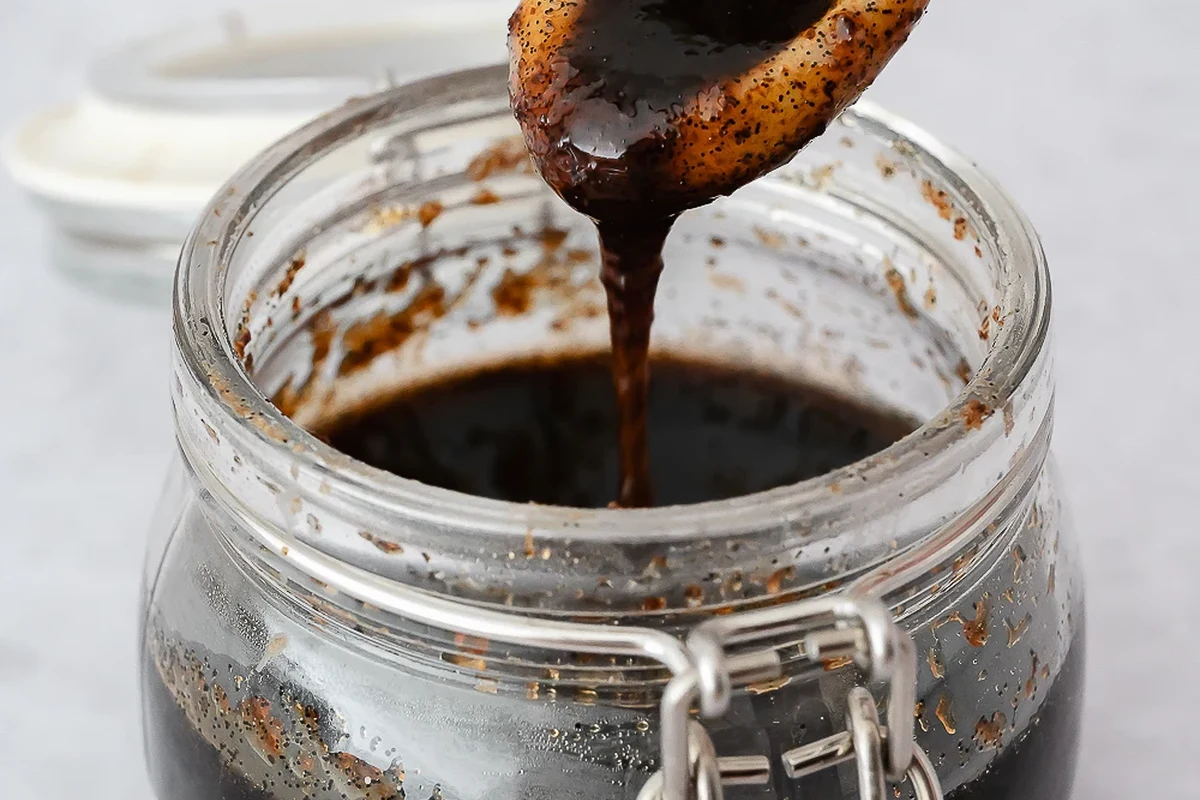
Vanilla bean paste is a concentrated vanilla product. It usually blends vanilla extract with tiny seeds from the bean pod.
The result is a spoonable paste that adds flavor and visible specks to food. You’ll often see it in frosting, custard, ice cream, and cakes.
How it differs from vanilla extract and vanilla beans
Vanilla extract is thin and liquid. It gives flavor, but it does not add the bean specks people often want in desserts.
Whole vanilla beans give the most dramatic look and a deep, fresh vanilla note. But they cost more and take more prep work.
The main difference is balance. Paste sits between easy extract and full bean pods, so it saves time while still looking special.
| Option | Best For | Key Consideration |
|---|---|---|
| Vanilla extract | Everyday baking | Easy to mix, but no specks |
| Vanilla bean paste | Decorative baking | Thicker, richer look and flavor |
| Whole vanilla beans | Special desserts | Best texture and visual appeal, but more work |
What the paste is made from
Most vanilla bean pastes include vanilla extract, bean seeds, sugar or syrup, and a thickener. Some brands also add alcohol, water, or natural flavoring.
Because formulas vary, the label matters. One paste may taste sweeter, while another may lean more bold and earthy.
Ingredients can vary a lot by brand. Always check the label if you want alcohol-free, lower-sugar, or cleaner ingredient options.
Why home cooks and bakers use it
People use vanilla bean paste when they want a stronger vanilla look without extra work. It’s a simple upgrade for desserts that need a little wow factor.
It also helps when you want the flavor of vanilla beans, but not the price or prep. That’s why it shows up so often in bakery-style recipes.
How Vanilla Bean Paste Works in Recipes
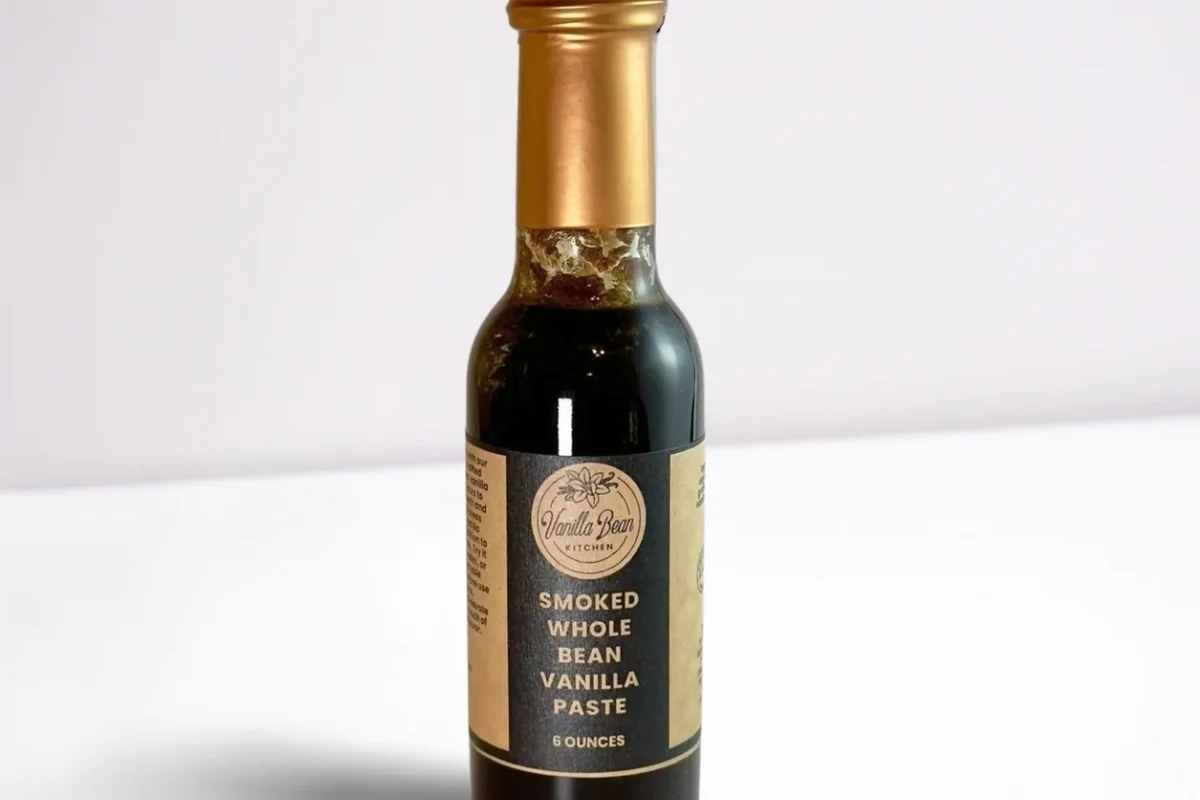
Vanilla bean paste behaves a lot like extract, but it adds more body and visible seeds. That can change both the look and the feel of a finished dish.
Flavor, texture, and the visible vanilla specks
The flavor usually tastes rounder than plain extract. The seeds give a speckled look that reads as rich and homemade.
The texture is slightly thicker, so it can cling well to batter, cream, and custard. In cold desserts, those specks stand out nicely.
The black specks in vanilla bean paste come from real vanilla seeds, not food coloring.
Best uses in baking, desserts, and drinks
Vanilla bean paste works best in recipes where vanilla is a main flavor. Think cakes, buttercream, pudding, whipped cream, custards, and no-bake desserts.
It can also work in coffee drinks, milkshakes, and homemade syrups. If the recipe is simple, the vanilla stands out even more.
Great for cakes, cookies, muffins, and frostings.
Shows off the specks in ice cream, custard, and mousse.
Adds vanilla flavor to lattes, shakes, and sweet sauces.
When paste works better than extract
Paste often wins when appearance matters. If you want a dessert that looks like it came from a bakery, paste can help.
It also helps in recipes where you want vanilla to stay noticeable after baking. In a plain pound cake, for example, the specks can make the crumb look more special.
Key Ingredients and What to Look For
Not all vanilla bean pastes are the same. The best one for you depends on how much real vanilla it contains and what else is in the jar.
Vanilla bean content and quality
Look for products that clearly list vanilla bean or vanilla seed content. A stronger bean presence usually means a more authentic vanilla look and taste.
If the label is vague, the paste may rely more on flavoring than real bean material. That can still work, but it may not give the same depth.
Sugar, syrup, and thickener differences
Many pastes use sugar or syrup to create that thick texture. Some also use gums or starches to keep the product smooth.
That matters because sweetness and texture affect the final recipe. A sweet paste may be great in frosting, but too much in a delicate custard.
- Read the ingredient list before you compare brands.
- Pick a paste that fits your recipe’s sweetness level.
- Choose a smooth paste for easy mixing in batter.
Alcohol-free and clean-label options
Some people want alcohol-free vanilla for personal, religious, or family reasons. Others prefer a short ingredient list with fewer additives.
Those options exist, but they vary by brand. If that matters to you, check the label before you buy.
- Check for real vanilla bean or seed content
- Check sugar level and thickener type
- Check for alcohol-free or clean-label claims
- Check jar size and storage needs
Benefits and Limits of Vanilla Bean Paste
Vanilla bean paste has clear upsides, but it also has a few trade-offs. Knowing both helps you decide if it fits your kitchen.
Flavor depth and visual appeal
The biggest benefit is the mix of taste and appearance. You get a strong vanilla note plus the look of tiny bean seeds.
That can make even simple desserts feel more polished. It’s a small touch, but it can change how a dish feels at the table.
- Strong vanilla flavor in one spoonful
- Visible specks for a bakery-style look
- Easy to use without scraping whole beans
Cost, shelf life, and storage trade-offs
Paste usually costs more than extract. It often costs less than many whole bean options, though exact pricing varies by brand and store.
It also needs proper storage. Keep the lid tight and avoid heat and moisture so the paste stays usable longer.
Do not store vanilla paste near a hot stove or in direct sunlight. Heat can dry it out and change the flavor.
When it may not be the best choice
Paste is not always the best pick. If you only need a little vanilla in a quick recipe, extract may be simpler and cheaper.
It may also be a poor fit for recipes where you do not want visible specks. Clear frostings or pale sauces can look different with paste.
How to Use Vanilla Bean Paste the Right Way
Using vanilla bean paste is easy, but a little care goes a long way. Start with the amount the recipe needs, then adjust for taste and sweetness.
Simple substitution guide for extract
In many recipes, you can swap vanilla bean paste for vanilla extract one for one. That means one teaspoon of extract usually equals one teaspoon of paste.
Still, the paste may taste a little richer and sweeter. If your recipe already has a lot of sugar, start with a modest amount.
If a recipe calls for both vanilla and a light color, try a small test batch first.
How much to use in common recipes
For cakes and cookies, one teaspoon often works well for a standard batch. For frostings and custards, you may want a bit more if vanilla is the star.
For drinks, start small. You can always add more, but too much paste can make a drink overly sweet or heavy.
- Measure carefully with a teaspoon
- Taste after mixing when the recipe allows it
- Adjust slowly in sweet drinks and sauces
- Dumping in extra paste without tasting
- Using a heavy hand in delicate recipes
- Assuming all brands taste the same
Tips for mixing, baking, and no-cook recipes
Mix paste into wet ingredients first when you can. That helps the seeds spread more evenly.
In baked goods, the heat will soften the flavor slightly, so a strong recipe may need a little more than a cold dessert. In no-cook recipes, the flavor stays bolder.
Common Mistakes to Avoid
Most paste mistakes are simple. They usually come from using too much, choosing the wrong product, or storing it badly.
Using too much paste
More paste does not always mean better flavor. Too much can make a dessert too sweet or too strong.
It can also darken a pale batter more than you want. That matters in white cakes, whipped cream, and light frostings.
Choosing the wrong type for the recipe
Some pastes are thick and sweet. Others are thinner and more like syrup.
A thick, sweet paste may work well in frosting. But a lighter paste may be better in custard or a drink.
Choose the Right Vanilla for the Job
The best choice depends on sweetness, color, and how much visual impact you want in the final dish.
Storing it poorly or letting it dry out
Always close the cap tightly after use. If the jar is left open, the paste can thicken and lose quality.
Use a clean spoon each time. That helps keep crumbs and moisture out of the jar.
Safety, Storage, and Value Tips
Vanilla bean paste is a food item, so safety mostly comes down to labels, storage, and freshness. A few simple checks can save money and help your recipes turn out well.
Allergen and ingredient label checks
Vanilla paste is not a common allergen, but formulas can vary. Some products may include alcohol, corn syrup, or other ingredients that matter to your household.
If you cook for someone with food allergies or sensitivities, read the full label. When in doubt, choose a product with a clear ingredient list.
Follow the package label if you have allergies or dietary limits. Stop using any product that smells off or shows mold.
Best storage habits for freshness
Store vanilla bean paste in a cool, dry cabinet. Keep it away from the stove, dishwasher steam, and bright light.
Use the lid tightly, and avoid dipping wet tools into the jar. That helps protect the texture and flavor.
Wipe the rim clean and close the lid right away.
Check for drying, clumps, off smells, or damage to the cap.
How to judge value before you buy
Value is not just about the lowest price. It’s about how much real vanilla you get, how easy the paste is to use, and how often you bake.
If you bake often, paste may be worth it. If you only use vanilla once in a while, extract may make more sense.
Choose vanilla bean paste if you want bold flavor and a polished look.
Choose extract if you want simple, low-cost everyday use.
Final Verdict: Is Vanilla Bean Paste Worth It?
Yes, vanilla bean paste is worth it for many home cooks. It gives you strong vanilla flavor, easy use, and a pretty finish in one product.
Best for bakers, dessert lovers, and home cooks
It’s especially good for bakers who care about presentation. It also suits dessert lovers who want a richer vanilla look without the hassle of whole beans.
If you make frosting, custard, ice cream, or special cakes, paste can feel like a smart upgrade. It brings more visual payoff than extract alone.
When to buy it and when to skip it
Buy it when vanilla is a star flavor and you want those visible specks. Skip it when you just need a quick, plain vanilla note in an everyday recipe.
That simple rule keeps you from overspending on a product you may not fully use.
Clear recommendation for Red Kitchen Project readers
For most bakers, vanilla bean paste is a useful pantry upgrade. It makes desserts look special and tastes rich without much extra effort.
If you want a better-looking dessert with strong vanilla flavor, paste is a smart buy. If you bake rarely or want the lowest cost, vanilla extract is still the better everyday choice.
Frequently Asked Questions
Yes, in many recipes you can swap it one for one. The paste may taste a little richer and sweeter, so start with the recipe amount.
It adds vanilla flavor plus visible black specks from real vanilla seeds. That makes desserts look more bakery-style.
It depends on your goal. Whole beans give the most classic bean look and flavor, while paste is easier and usually less work.
Store it in a cool, dry cabinet with the lid closed tightly. Keep it away from heat, steam, and direct sunlight.
It usually includes more concentrated vanilla ingredients and bean seeds. That extra vanilla content and thicker texture often raise the cost.
Skip it if you only need a small amount of vanilla in a simple recipe. Extract is often easier and more budget-friendly for everyday use.