Is Risotto a Pasta or Rice A Simple Answer Explained

Risotto is rice, not pasta. It gets its creamy texture from short-grain rice and slow-added broth.
Risotto is rice, not pasta. It’s made from special short-grain rice that turns creamy as it cooks, which is why people sometimes mistake it for a pasta dish.
- Simple answer: Risotto is a rice dish, not a pasta dish.
- Core ingredient: Short-grain rice gives risotto its creamy texture.
- Best grains: Arborio, Carnaroli, and Vialone Nano work best.
- Cooking method: Add broth slowly and stir often for the right finish.
- Leftovers: Cool, store, and reheat risotto safely and gently.
Is Risotto a Pasta or Rice? The Short Answer
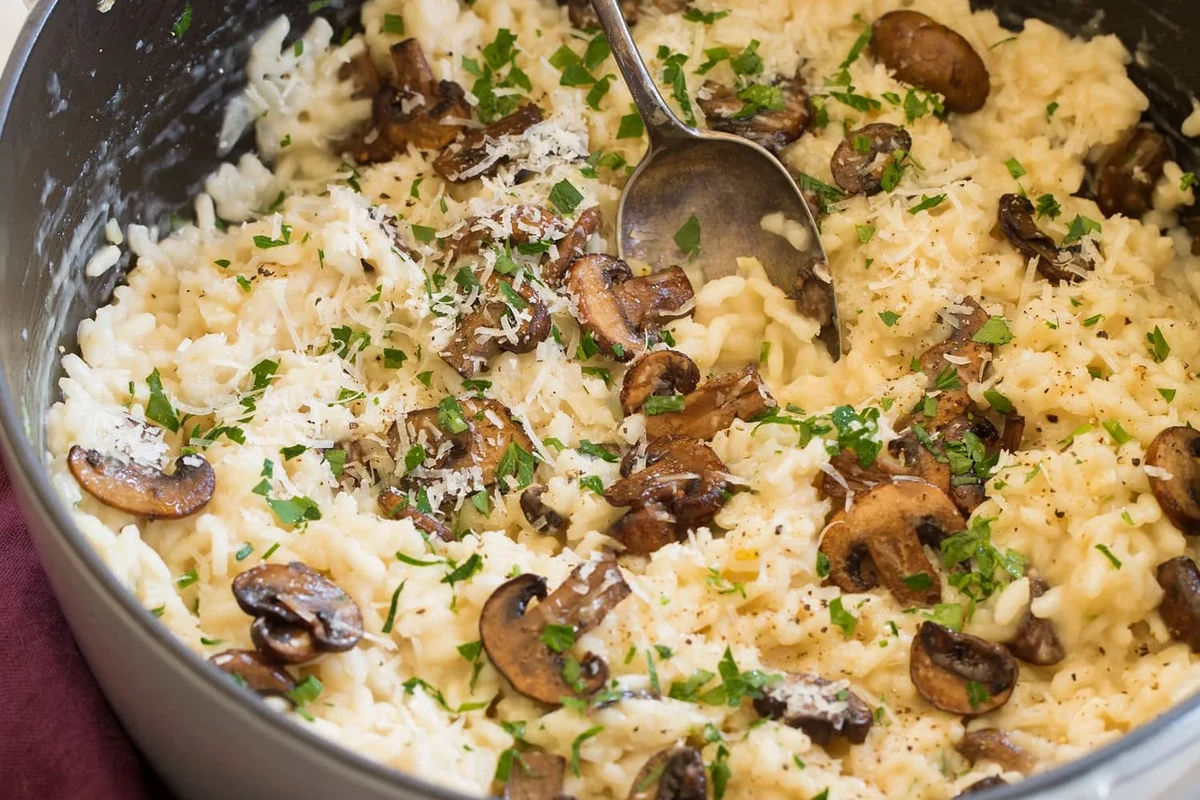
Risotto is a rice dish. The creamy texture comes from the rice’s starch, not from noodles or flour.
If you’ve ever seen it served like a main course, that can add to the confusion. But the base ingredient is still rice, and that matters for cooking, texture, and flavor.
Why do people think risotto is pasta?
Because it’s often served like pasta and can feel rich and filling. The name and presentation can blur the line, but the ingredient tells the real story.
What Risotto Is Made From and Why It Matters
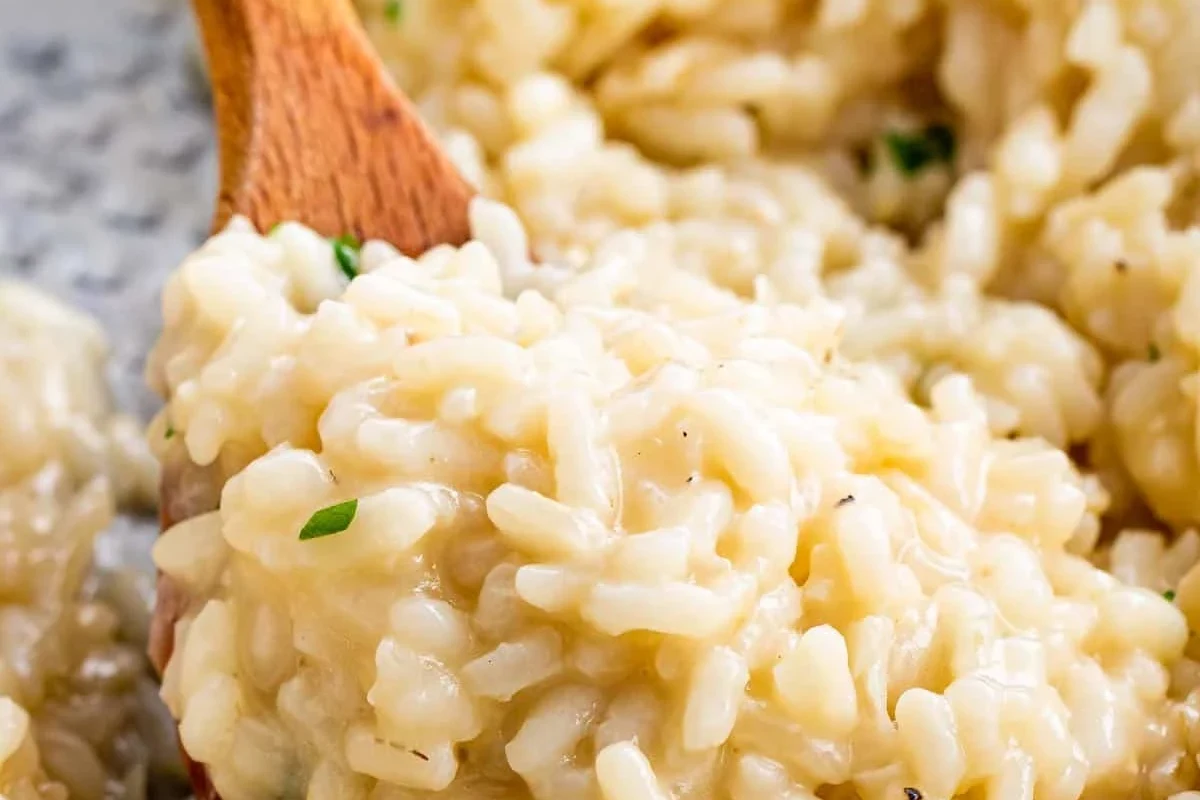
Classic risotto starts with short-grain rice. The grains are built to release starch while staying firm in the center.
That starch is the key to risotto’s smooth, velvety finish. Without the right rice, you won’t get the same result.
Best rice types for risotto
The most common risotto rices are Arborio, Carnaroli, and Vialone Nano. Each one has a slightly different starch level and cooking feel.
Easy to find and good for home cooks.
Often praised for a creamier, more steady texture.
Smaller grain with a softer, lush finish.
These rice types are not the same as long-grain rice. Long-grain rice stays more separate and dry.
Why pasta and rice get confused
Risotto can feel similar to pasta because it’s often served with sauce, cheese, herbs, or seafood. It also appears in restaurant menus next to pasta dishes.
Still, the cooking method is very different. Pasta boils in lots of water, while risotto cooks slowly in added broth.
How Risotto Is Cooked the Right Way
Risotto needs steady attention. You add warm liquid little by little and stir often so the rice releases starch in a controlled way.
Use warm broth, not cold broth. Warm liquid helps the rice cook more evenly and keeps the pan from cooling down too much.
Core steps in the cooking process
Most risotto recipes follow the same basic path. The rice is first toasted in fat, then cooked with broth until tender.
Cook the grains briefly in butter or oil before adding liquid.
Pour in a little warm broth at a time and stir often.
Stop when the rice is tender but still has a slight bite.
How texture changes during cooking
At first, the grains look dry and firm. As they cook, the outside softens and the starch thickens the liquid.
That is what gives risotto its creamy feel. It should flow a little on the plate, not sit like a stiff mound.
Risotto vs Pasta: Key Differences to Know
Risotto and pasta can both work as comfort food, but they are built on different ingredients and cooking rules. Once you know the basics, the mix-up gets much easier to avoid.
Ingredients, shape, and starch content
Pasta comes from wheat flour and water, and sometimes eggs. It’s shaped into noodles, tubes, or sheets.
Risotto comes from rice. The grains are rounder and starchier, which helps create the creamy sauce in the pan.
| Option | Best For | Key Consideration |
|---|---|---|
| Risotto rice | Creamy rice dishes | Needs slow broth addition and stirring |
| Pasta | Boiled noodle dishes | Needs plenty of water and timed cooking |
Cooking time, method, and final texture
Pasta usually cooks fast in boiling water. Risotto takes longer and asks for more attention at the stove.
Pasta should end up springy or tender, depending on the style. Risotto should end up creamy, loose, and still a bit firm in the center.
Common Mistakes People Make With Risotto
Risotto is simple once you know the method. But a few easy mistakes can ruin the texture fast.
Using the wrong grain
Regular long-grain rice won’t give you the same creamy result. It stays too separate and can turn bland or watery.
Brown rice can work in some recipes, but it changes the texture and takes longer. If you use a substitute, expect a different result.
Adding liquid too fast or too slow
If you dump in all the broth at once, the rice won’t build creaminess the right way. If you add it too slowly, the pan can dry out.
The risotto looks soupy or dries out before the rice softens.
Add broth in small ladles and wait until most liquid absorbs before adding more.
Overcooking or under-stirring
Too much cooking can make the rice mushy. Too little stirring can leave the texture uneven.
You do not need to stir nonstop, but you should stir often enough to keep the grains moving. That helps the starch spread through the pan.
How to Choose the Best Risotto Rice for Your Kitchen
The best rice depends on how often you cook, how much time you have, and how fussy you are about texture. Some rice types are more forgiving than others.
Arborio, Carnaroli, and Vialone Nano compared
Arborio is the most familiar choice in many stores. It’s a solid starting point for home cooks.
Carnaroli is often favored for a more stable, creamy result. Vialone Nano is great when you want a softer, elegant finish.
Best for most weeknight cooks and easy shopping.
Best for cooks who want a little more control and polish.
Best for lighter, silkier risotto styles.
What to buy for weeknight meals vs special dinners
For weeknight meals, buy the rice you can find easily and cook with confidence. Arborio usually fits that role well.
For special dinners, Carnaroli can be a smart choice if you want a more refined texture. The best rice is the one that matches your skill level and your menu.
Rice quality can vary by brand, region, and storage. Check the package date and store it in a cool, dry place.
Safety, Storage, and Reheating Tips
Cooked risotto needs the same basic food-safety care as other rice dishes. Let it cool fast, store it well, and reheat it fully.
Do not leave cooked rice at room temperature for long periods. Follow safe cooling and storage guidance from trusted food-safety sources.
How to store cooked risotto safely
Move leftovers into a shallow container so they cool faster. Put them in the fridge once they stop steaming heavily.
Use a covered container and keep the rice cold. If the risotto smells off or sat out too long, throw it away.
How to reheat without ruining the texture
Reheat risotto gently with a splash of broth or water. That helps bring back the creamy texture.
You can warm it in a pan or microwave. Stir partway through so it heats evenly.
- Reheat until steaming hot throughout
- Add a little liquid to loosen the rice
- Leave leftovers on the counter too long
- Reheat only the outside and leave the center cold
Final Verdict: Is Risotto a Pasta or Rice?
Risotto is rice. More specifically, it’s a creamy rice dish made with short-grain rice and slow-added broth.
If you want the simplest way to remember it, think of risotto as a rice dish with a pasta-like role at the table. It fills the same comfort-food spot, but the grain, method, and texture are all different.
Best way to think about risotto in everyday cooking
When you shop for risotto, look for risotto rice, not pasta. When you cook it, treat it like a slow, stirred rice dish.
That small shift makes a big difference. Once you know it’s rice, the recipe makes a lot more sense.
- Risotto is made from rice, not pasta.
- Its creamy texture comes from starch and slow cooking.
- Arborio, Carnaroli, and Vialone Nano are the main risotto rices.
- Safe storage and gentle reheating help keep leftovers tasty.
Frequently Asked Questions
Risotto is rice, not pasta. It uses short-grain rice that releases starch as it cooks.
Arborio, Carnaroli, and Vialone Nano are the most common choices. Each one helps create a creamy texture.
You can, but the result won’t be classic risotto. Long-grain rice stays more separate and less creamy.
It should be tender with a slight bite in the center. The finished dish should look creamy and loose.
Cool it quickly, then refrigerate it in a covered container. Don’t leave cooked rice out too long.
Warm it gently with a little broth or water. Stir while reheating so it stays creamy and heats evenly.