How Many Cups Are in a Box of Pasta A Simple Guide

Most 12-ounce boxes of short pasta hold about 8 cups dry. Long pasta and small shapes can change the count, so weight is the most accurate way to measure.
If you’re wondering how many cups are in a box of pasta, the short answer is this: it depends on the pasta shape and the box size. Most 12-ounce boxes hold about 8 cups of dry short pasta, while long pasta can measure a bit differently.
- 12-ounce rule: Most short pasta boxes equal about 8 cups dry.
- Shape matters: Long and tiny pasta fit cups differently.
- Weight wins: A kitchen scale gives the most exact result.
- Dry only: Don’t swap cooked pasta cups for dry pasta cups.
How Many Cups Are in a Box of Pasta? The Quick Answer

There is no single exact cup count for every box of pasta. The number changes based on the pasta shape, how tightly it packs, and the box weight.
As a rough guide, a 12-ounce box of short pasta often equals about 8 cups dry. A 16-ounce box is usually close to 10 to 11 cups dry, while an 8-ounce box is often around 4 to 5 cups.
Why the answer changes by pasta shape
Pasta shapes do not fill a cup the same way. Long noodles leave more air gaps. Small shapes settle more tightly.
That means one cup of spaghetti may weigh differently than one cup of penne. So the box weight matters more than the cup count alone.
Typical box sizes you’ll see in stores
Most grocery stores sell pasta in a few common sizes. The exact amount can vary by brand, but these are the usual ones.
- 8-ounce boxes for smaller meals or side dishes.
- 12-ounce boxes for standard family dinners.
- 16-ounce boxes for larger batches and leftovers.
What Affects the Cup Count in Dry Pasta
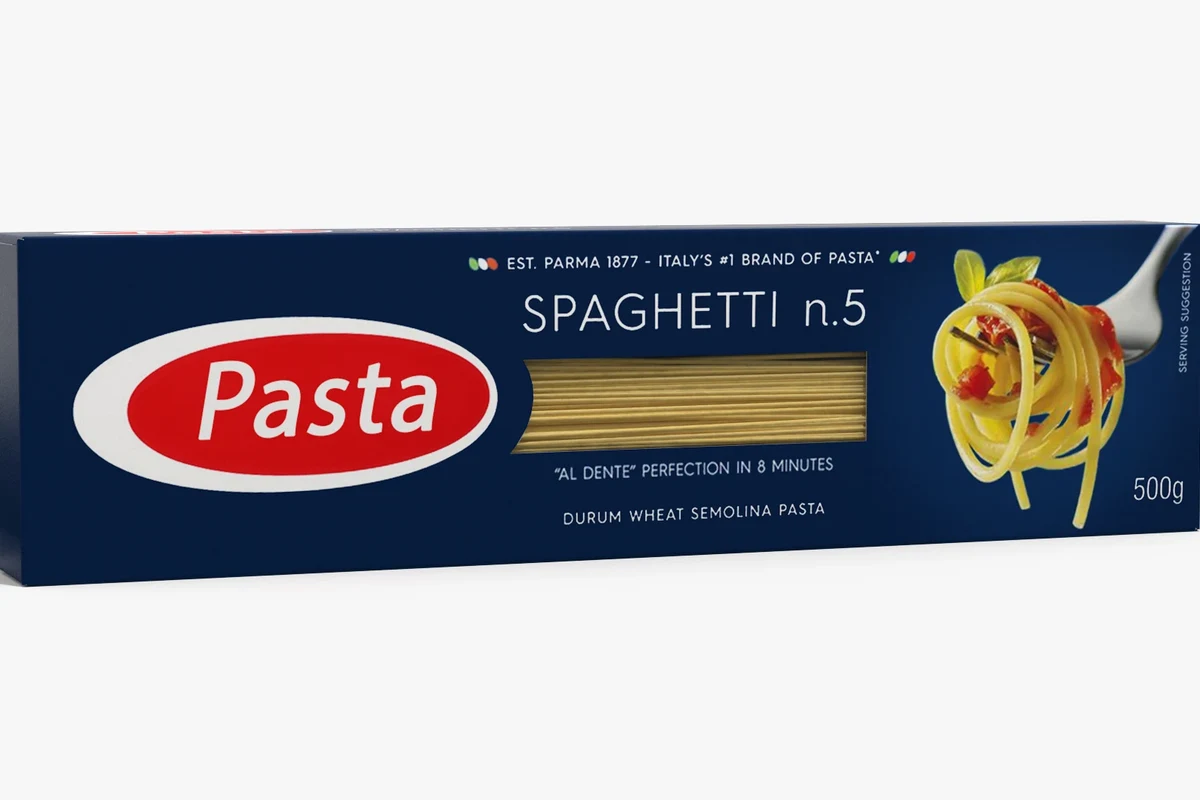
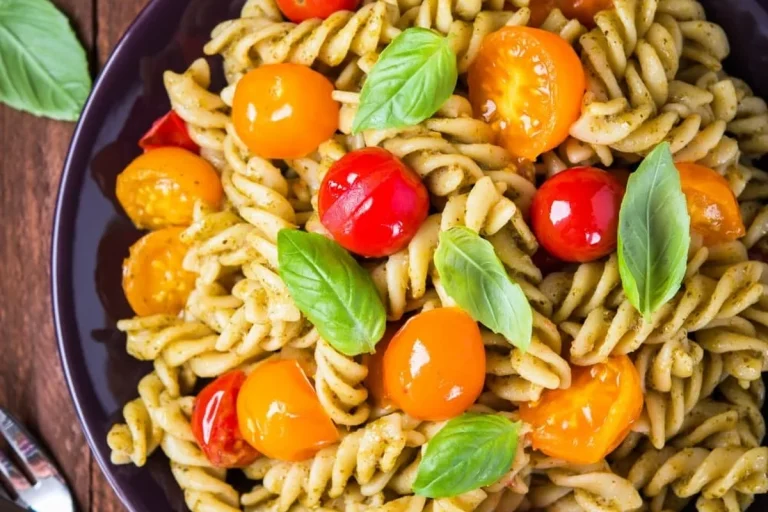
Dry pasta looks simple, but it can be tricky to measure by volume. Shape, size, and how the pasta sits in the cup all change the result.
Long pasta like spaghetti and linguine
Long pasta is the least exact when measured in cups. The strands can line up loosely or break and pack down more tightly.
For that reason, cooks often measure long pasta by weight or by bundle size. A kitchen scale gives the cleanest result.
Short pasta like penne, rotini, and elbows
Short pasta is easier to measure with cups. It settles more evenly and gives a more repeatable result.
Even so, you should not press it down hard. A packed cup can hold much more pasta than a loose one.
Small pasta like orzo and ditalini
Very small pasta acts more like rice or grains. It can slip into cups more tightly and leave less air space.
That makes it easier to overmeasure if you scoop fast. A level cup works best here.
Many recipe errors come from volume measuring, not the pasta itself. Weight usually gives the most repeatable result.
Dry Pasta vs Cooked Pasta: Why the Numbers Look Different
Dry pasta and cooked pasta are not the same thing. Once pasta cooks, it absorbs water and grows in size.
How pasta expands during cooking
Most pasta gets larger as it cooks. The exact amount depends on the shape, brand, and cooking time.
That is why one cup of dry pasta can turn into more than one cup cooked. The final volume can vary a lot.
Why measuring dry pasta is more accurate for recipes
Recipes usually call for dry pasta because it is easier to control. Dry weight stays steady from box to pot.
Cooked volume is harder to judge. It changes with water, stirring, and how long you cook it.
Do not use cooked pasta measurements when a recipe asks for dry pasta. The final dish can end up too thick or too thin.
Common Box Sizes and Easy Cup Estimates
Here are simple estimates you can use at home. These are helpful for everyday cooking, but brand and shape can still shift the numbers.
8-ounce boxes and single-serving pasta
An 8-ounce box often gives you about 4 to 5 cups of dry short pasta. It works well for one or two people.
For long pasta, the cup count can look a little different. Weight is still the better guide.
12-ounce boxes for family meals
A 12-ounce box is one of the most common sizes. It often equals about 8 cups of dry short pasta.
This size works well for a standard dinner recipe. It also fits many baked pasta dishes.
16-ounce boxes for larger recipes
A 16-ounce box usually gives you around 10 to 11 cups of dry short pasta. That makes it a good pick for big family meals.
If you cook for a crowd, this size can save time. You just need a large pot and enough sauce.
| Box Size | Common Cup Estimate | Best For |
|---|---|---|
| 8 ounces | About 4 to 5 cups | Small meals or side dishes |
| 12 ounces | About 8 cups | Most family recipes |
| 16 ounces | About 10 to 11 cups | Large batches and leftovers |
How to Measure Pasta the Right Way at Home
You do not need special tools to get close. But the right method makes your results more consistent.
Using measuring cups for short pasta
For short pasta, scoop lightly into a dry measuring cup. Then level it off with a straight edge.
Do not shake the cup hard or press the pasta down. That can pack in extra pasta and change the amount.
Using a kitchen scale for the most exact result
A kitchen scale gives you the best control. It is the easiest way to match a recipe by weight.
If a box lists ounces or grams, weigh the pasta instead of guessing by cups. That is especially helpful for baking and sauce-heavy dishes.
If a recipe gives both cups and weight, trust the weight. It usually gives you the same result every time.
Using your hand or a pasta tool when you do not have cups
For long pasta, your hand can help. Many cooks use a bundle size that fits through a pasta measuring tool or a small circle in the hand.
This method is not perfect, but it can work in a pinch. It is best for quick weeknight meals, not exact baking recipes.
When Cup Counts Matter Most in Cooking
Sometimes a rough guess is fine. Other times, the cup count really matters.
Meal planning and portion control
Cup counts help when you plan servings. They also help when you want to avoid cooking too much pasta.
That can be useful for lunch prep or smaller households. It keeps waste down, too.
Scaling recipes up or down
If you double a recipe, the pasta amount should usually change too. Measuring by cups or weight keeps the ratio balanced.
This matters most in casseroles and pasta bakes. Too much pasta can crowd the sauce.
Avoiding dry or soupy pasta dishes
Too little pasta can leave a dish watery. Too much pasta can make it dry and heavy.
Getting close to the right amount helps the sauce cling better. That makes the dish taste more balanced.
Common Mistakes People Make With Pasta Measurements
Most pasta mistakes are easy to fix. The key is knowing what to watch for.
Packing pasta too tightly in the cup
This is one of the most common errors. A tight pack can add a lot more pasta than you meant to use.
Keep the scoop loose and level. That gives you a more honest measurement.
Mixing up dry and cooked measurements
Dry pasta and cooked pasta are not interchangeable. A cup of dry pasta is much different from a cup after boiling.
If a recipe asks for one, do not swap in the other. The texture and sauce balance will change.
Guessing instead of checking the box weight
Many cooks rely on eye size alone. That can work sometimes, but it can also lead to uneven results.
A quick look at the box weight gives you a much better starting point. It only takes a second.
- Check the box weight before you start cooking.
- Use cups for short pasta, but weigh long pasta when possible.
- Level the cup instead of packing the pasta down.
- Keep dry and cooked measurements separate in recipes.
Best Final Takeaway for Home Cooks
So, how many cups are in a box of pasta? For most 12-ounce boxes of short pasta, the answer is about 8 cups dry.
That said, shape and box size change the result. Long pasta, tiny pasta, and brand differences can all shift the count a little.
Simple rule of thumb for everyday use
Use cups for quick cooking and use weight for best accuracy. If you only remember one thing, make it that.
For most home meals, a 12-ounce box is close to 8 cups dry. That is a handy estimate for weeknight cooking.
When to trust the box and when to measure by weight
Trust the box weight when you want repeatable results. That matters most for recipe testing, baking, and larger dinner plans.
Use cup estimates when you need a fast answer. It is fine for everyday pasta, as long as you understand it is still an estimate.
- Most 12-ounce boxes of short pasta are about 8 cups dry.
- Long and small pasta shapes can change the cup count.
- Dry weight is more accurate than volume for recipes.
- Level cups, don’t pack pasta down.
In short, the best answer depends on the pasta shape and the box size. For most home cooks, the easiest rule is to use the box weight first and cups second.
Frequently Asked Questions
A 12-ounce box of short pasta is often about 8 cups dry. Long pasta can vary more, so weight is still the better guide.
Different shapes pack into a cup in different ways. Long noodles leave more air space, while small shapes settle more tightly.
Weight is more accurate and repeatable. Cups are fine for quick cooking, but they can vary based on shape and packing.
A 16-ounce box of short pasta is usually about 10 to 11 cups dry. The exact amount depends on the pasta shape and brand.
No, dry and cooked pasta are not the same measurement. Cooked pasta takes up more space, so the results will not match.
Use a kitchen scale for the best accuracy. If you only have cups, scoop short pasta lightly and level it off.