What Is a Cold Brew Coffee Maker and How Does It Work

A cold brew coffee maker steeps coffee grounds in cold or room-temperature water for many hours. It makes smooth coffee, but the best choice depends on your space, cleanup needs, and how much coffee you drink.
A cold brew coffee maker is a tool that steeps coffee grounds in cold or room-temperature water for many hours. It makes a smooth, low-acid coffee concentrate or ready-to-drink brew, depending on the model and your recipe.
- Simple method: Cold brew makers steep grounds in cool water, then filter the drink.
- Best flavor: Coarse grind and proper steep time help reduce grit and bitterness.
- Main types: Immersion, drip-style, and jar methods each suit different routines.
- Buy smart: Check capacity, filter design, materials, and fridge fit before buying.
- Safety first: Clean parts well and stop using damaged containers or filters.
What Is a Cold Brew Coffee Maker? A Simple Answer
A cold brew coffee maker is any brew device made for long, cool steeping. It usually holds coffee grounds and water in a container with a filter or basket.
Unlike a drip coffee maker, it does not use hot water and fast extraction. That slower process changes the taste, body, and strength of the final cup.
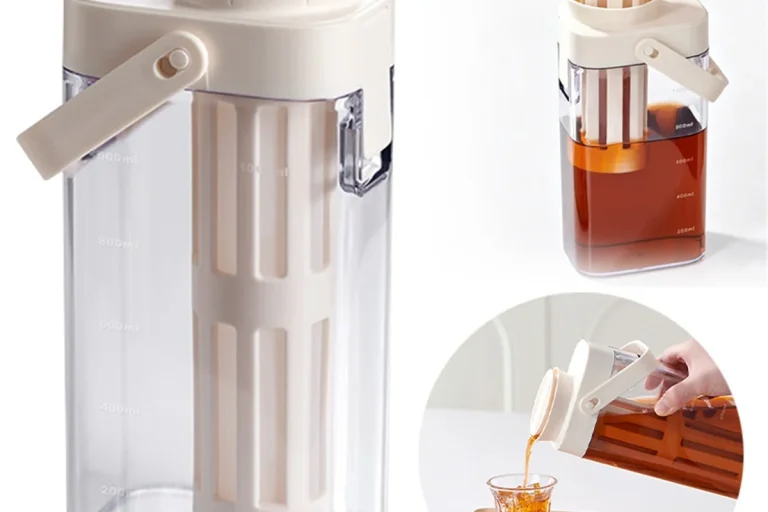
Some models are simple jars with mesh filters. Others use built-in spouts, taps, or fine filters for easy pouring.
In short: it is a brewer built to make coffee without heat.
Cold brew is often less bitter than hot coffee because heat pulls flavor from grounds faster.
How a Cold Brew Coffee Maker Works
The basic idea is simple. Coffee grounds sit in water for a long time, and the water slowly pulls out flavor, color, and caffeine.
The brewer then separates the liquid from the grounds. That can happen with a mesh filter, paper filter, fine basket, or tap-style system.
The basic brewing process
Use a coarse grind so the filter does not clog.
Cover the grounds fully and stir gently if the method allows it.
Wait several hours, then strain or drain the coffee.
Some brewers steep in the fridge. Others sit on the counter if the manual allows it.
In short: grounds and water stay in contact for a long time, then you filter the drink.
Follow the brewer manual for steeping location and time. Food safety can vary by ingredients, room temperature, and storage habits.
Why cold water changes the flavor
Cold water pulls flavor more slowly than hot water. That slower pace often means less sharp bitterness and less sour bite.
The result can taste smoother and sweeter. Many people also notice a heavier body and softer aroma.
However, taste still depends on the beans, grind, ratio, and steep time. A bad recipe can still make weak or muddy coffee.
Cold brew is not the same as iced coffee. Iced coffee usually starts as hot coffee, then gets chilled.
Main Types of Cold Brew Coffee Makers
Cold brew makers come in a few main styles. The best one for you depends on space, cleanup, and batch size.
Immersion brewers
Immersion brewers are the most common type. You mix grounds and water in one chamber, then steep and strain later.
They are easy to use and often simple to clean. Many home cooks like them because the process feels close to making tea.
Immersion Brewers at a Glance
This style works well for most home users who want simple steps and steady results.
Drip-style brewers
Drip-style cold brew makers add water slowly over the grounds. They can use a timed drip system or a slow pour setup.
This style can make a cleaner cup. But it often costs more and takes more setup time.
It also needs closer attention. If the drip rate changes too much, the taste can shift.
French press and jar methods
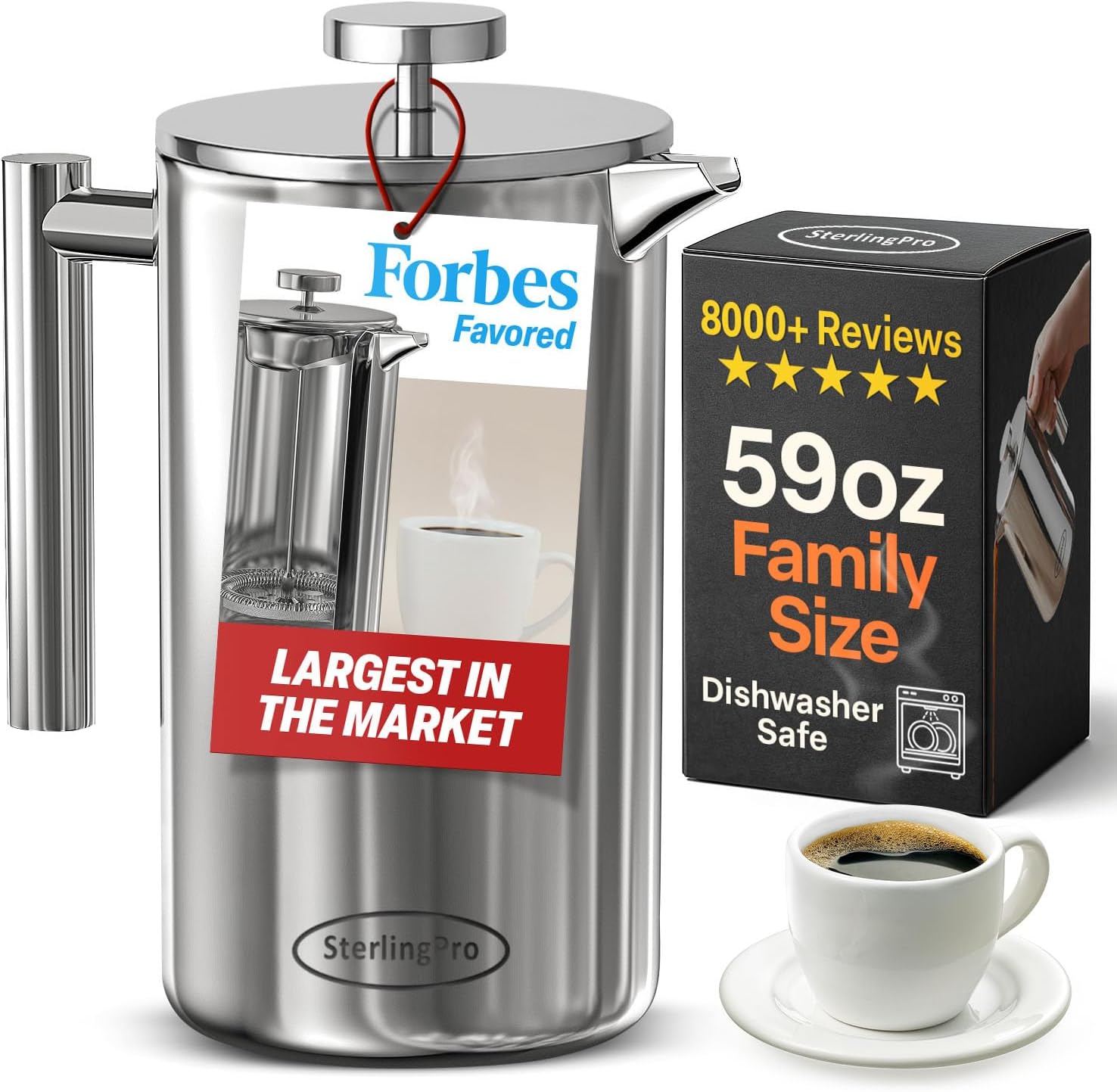
A French press can work as a cold brew maker if you use it carefully. The built-in plunger helps separate grounds after steeping.
A simple jar method also works. You steep the coffee in a jar, then pour it through a fine sieve or filter.
These methods are cheap and flexible. Still, they may leave more grit if the filter is not fine enough.
Best for easy home brewing and simple cleanup.
Best for users who want more control over extraction.
Best for budget setups and occasional batches.
Key Features to Compare Before You Buy
Before you buy, focus on how the brewer fits your kitchen and routine. Fancy extras matter less than the basics.
Capacity and batch size
Think about how much coffee you drink in a few days. Some brewers suit one person, while others make enough for a family.
Larger brewers can save time if you drink cold brew often. Smaller ones fit better in tight fridges and small kitchens.
Filter type and cleanup
Filter design changes both taste and cleanup. Fine filters usually catch more grit, but they can take longer to rinse.
Mesh filters are common and easy to remove. Paper filters can give a cleaner cup, but they add waste and extra cost.
- Capacity and dimensions
- Filter type and cleanup time
- Materials, lid, and storage fit
- Manual, warranty, and safety notes
Materials, build quality, and storage
Glass, plastic, and stainless steel are all common. Each one has trade-offs for weight, durability, and care.
Glass can look nice and resist stains, but it can break more easily. Plastic is lighter, but you should check that it is food-safe and odor resistant.
Stainless steel often feels sturdy and stores well in the fridge. Still, it may cost more and can hide coffee residue if you do not wash it well.
Compact shapes fit better in crowded refrigerator shelves.
A good spout or tap helps reduce drips and mess.
Strong lids and filters help the brewer last longer.
Benefits and Limits of Cold Brew Coffee Makers
Cold brew makers can be a great fit for busy coffee drinkers. But they are not the best choice for every kitchen.
What they do well
- Makes smooth coffee with less bitterness
- Lets you brew ahead for several days
- Often works with simple, low-cost gear
- Can produce concentrate for mixed drinks
They also save time in the morning. You brew once, then pour when you need it.
That makes them handy for meal prep fans and people who want coffee ready in the fridge.
Where they fall short
- Smooth taste
- Simple batch brewing
- Good fridge storage
- Slow brewing time
- Needs fridge space
- Cleanup can be messy
Cold brew is not instant. If you want coffee now, a drip machine or espresso maker may suit you better.
Some brewers also take up more space than people expect. That matters in small kitchens and crowded fridges.
How to Use a Cold Brew Coffee Maker the Right Way
The right method depends on your brewer, but a few basics stay the same. Good grind size, water ratio, and steep time make a big difference.
Best coffee grind and water ratio
Use a coarse grind in most cold brew makers. Fine grounds can slip through the filter or make the brew cloudy.
The coffee-to-water ratio varies by recipe and taste. A stronger mix makes concentrate, while a lighter mix makes ready-to-drink coffee.
Steeping time and serving tips
Most cold brew recipes steep for many hours. Exact timing depends on the maker, the grind, and how strong you want it.
After steeping, strain the coffee fully. Then dilute concentrate with water, milk, or ice if needed.
For a nicer cup, taste before you pour a full glass. That makes it easier to adjust strength without wasting a batch.
- Start with a coarse grind for cleaner filtering.
- Taste a small pour before serving the whole batch.
- Label the brew date if you store it in the fridge.
Common mistakes to avoid
- Use clean water and fresh grounds
- Rinse filters right after brewing
- Store the finished coffee in a sealed container
- Using very fine espresso grind
- Leaving brewed coffee out too long
- Overfilling the brewer past its max line
One common mistake is rushing the steep. Another is using too much coffee and ending up with a harsh, thick brew.
Cleaning, Safety, and Maintenance Tips
Cold brew makers are usually simple to care for. Still, regular cleaning matters because coffee oils can build up fast.
How to clean each part
Take the brewer apart after each batch if the design allows it. Wash the container, lid, and filter with warm soapy water.
Rinse well so no soap taste stays behind. Let the parts dry fully before you store them.
Empty grounds, wash removable parts, and dry all pieces fully.
Check seals, taps, and filters for wear, stains, or odor buildup.
Storage and food safety basics
Store brewed coffee in the fridge unless your manual says otherwise. A sealed container helps protect flavor and reduce spills.
Do not use a cracked jar, warped lid, or damaged filter. Stop using any part that leaks, smells bad after cleaning, or seems unsafe.
Follow the appliance manual and stop using damaged equipment.
If your brewer has a tap or valve, clean it carefully. Leftover grounds can block flow and affect taste.
For best results, check the manual for dishwasher-safe parts. Not every material or seal can handle machine washing.
Final Verdict: Is a Cold Brew Coffee Maker Worth It?
For many coffee drinkers, yes. A cold brew coffee maker is worth it if you like smooth coffee, make batches ahead, and have fridge space.
It is less useful if you want coffee fast, brew only once in a while, or dislike cleanup after soaking grounds.
Who should buy one
Choose a cold brew maker if you want ready-to-drink coffee waiting in the fridge.
Choose a compact immersion brewer if you want simple use and easy storage.
Choose a larger brewer if you often serve guests or want concentrate on hand.
Who may want to skip it
You may want to skip it if counter and fridge space are tight. You may also want another brewer if you prefer hot coffee made on demand.
In the end, the best cold brew coffee maker is the one that fits your routine, cleanup habits, and kitchen space.
A cold brew coffee maker is a smart pick for smooth, make-ahead coffee and easy batch brewing. If you want speed or tiny storage, a different coffee maker may fit better.
Before you buy, check the manual, cleaning steps, and storage size. Those details matter more than extra features you may never use.
Frequently Asked Questions
A coarse grind usually works best because it filters more easily. Fine grounds can make the brew cloudy or muddy.
Most cold brew recipes steep for many hours, but the exact time depends on the brewer and your taste. Stronger coffee usually needs a longer steep.
Take the brewer apart if the design allows it and wash the parts with warm soapy water. Rinse well and let everything dry fully before storage.
Dilute it with water, milk, or ice after brewing if it tastes too strong. You can also adjust the grind and steep time in the next batch.
Check capacity, filter type, cleanup, materials, and how much fridge space it needs. It also helps to review the manual and warranty before you buy.
No, they vary by brewing style, filter design, size, and cleanup needs. Immersion, drip-style, and jar methods each suit different users.