How to Make Coffee in French Press Coffee Maker Easily

Use coarse grounds, hot water, and about four minutes of steep time. Clean the press well after each use for better flavor and longer life.
Making coffee in a French press is simple, fast, and very rewarding. If you want a rich cup with more body than drip coffee, this method is a great place to start.
The key is using coarse grounds, hot water, and the right steep time. Once you learn the basic steps, you can make a better cup at home with very little gear.
- Coarse grind: Helps prevent bitterness and gritty sediment.
- Right ratio: Start around 1 to 15 or 1 to 17.
- Steep time: About four minutes is a strong starting point.
- Clean well: Old oils and grounds can hurt flavor fast.
What French Press Coffee Is and Why It’s So Popular
A French press is a manual coffee maker with a simple design. You add coffee and hot water, let it steep, then press a metal filter down through the grounds.
That direct contact between water and coffee gives the drink a fuller taste. It also makes the method easy to learn.
How a French press works in simple terms
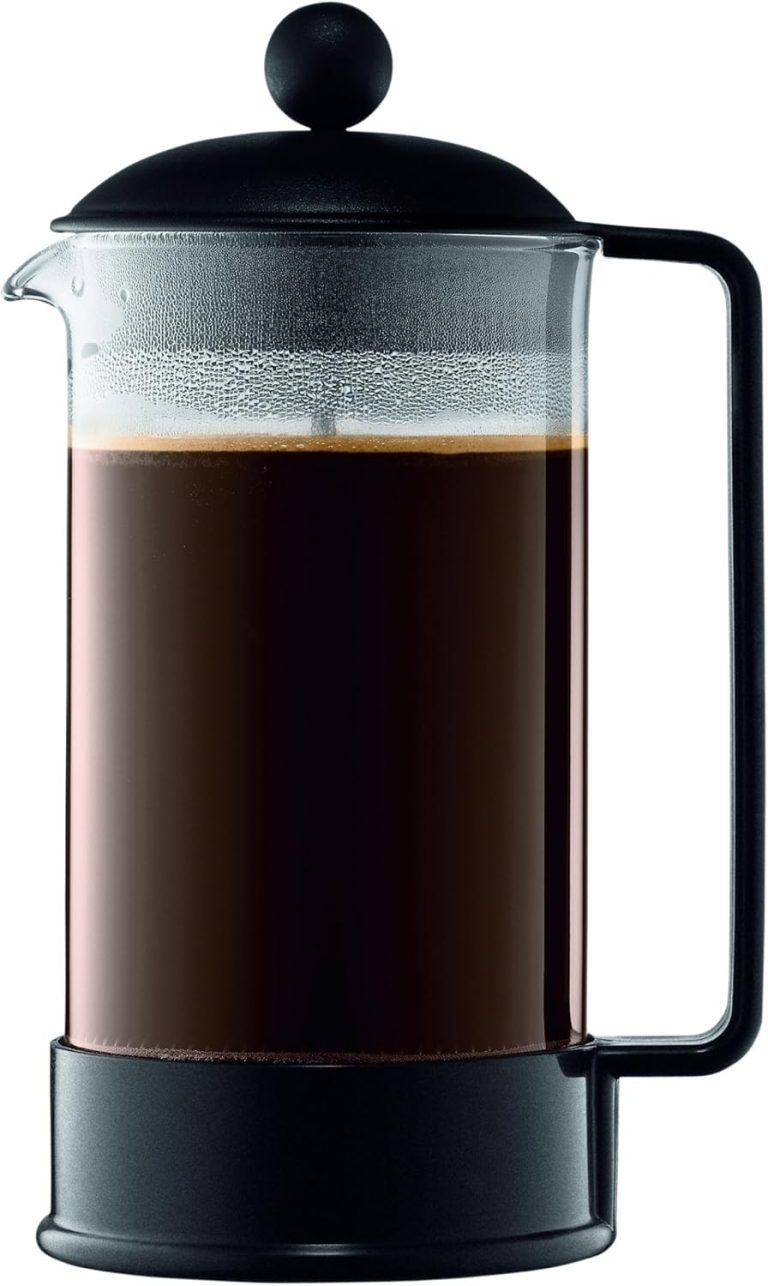
The press uses a glass, steel, or plastic carafe. Inside, a plunger with a mesh filter separates the brewed coffee from the grounds.
You pour in water, wait a few minutes, then push the plunger down slowly. The filter traps most of the grounds, but some fine sediment can still remain.
French press coffee often tastes fuller because the mesh filter lets more natural oils stay in the cup.
Why many coffee fans still love this brewing method
People like French press coffee because it feels simple and hands-on. You do not need filters, pods, or a machine with many settings.
It also gives you good control over strength and taste. If you like a richer brew, this method can be a great fit.
- Simple setup with few parts
- Rich flavor and fuller body
- Easy to adjust strength at home
How to Make Coffee in French Press Coffee Maker Step by Step
If you want the best results, start with the basics. The right ratio, grind, water temperature, and steep time matter more than fancy tools.
What you need before you start
You only need a French press, coffee, hot water, and something to stir with. A kettle and a scale can help, but they are not required.
Use care with hot water and hot glass. Follow the manual for your model, especially if it has plastic parts or a fragile carafe.
The right coffee to water ratio
A common starting point is about 1 to 15 or 1 to 17 coffee to water by weight. That means one part coffee to 15 to 17 parts water.
If you do not use a scale, start with a few tablespoons of coffee per cup of water. Then adjust the next brew to suit your taste.
Grind size and water temperature basics
Use a coarse grind. It looks a bit like sea salt. Fine grounds can slip through the filter and make the coffee muddy.
For water, aim for hot but not boiling. Water that is just off the boil usually works well for most beans.
- Preheat the press with warm water for steadier brewing.
- Pour in water slowly to wet all the grounds evenly.
- Use fresh beans for the best flavor.
Steeping time and pressing the plunger
Let the coffee steep for about four minutes to start. Some people like a little less time for a lighter cup.
After steeping, press the plunger down slowly and with steady pressure. Do not rush it. Pour right away so the coffee does not keep extracting.
Put coarse grounds into the empty press.
Pour water evenly over all the grounds.
Mix once so the grounds soak evenly.
Wait, then press slowly and serve right away.
Best Coffee Beans, Grind, and Water for Better Flavor
The press can make great coffee, but the ingredients matter a lot. Small changes in roast, grind, and water can change the cup in a big way.
Which roast levels work best
Medium and medium-dark roasts often work well in a French press. They usually give a balanced mix of body, sweetness, and depth.
Light roasts can also work, but they may taste sharper and brighter. Dark roasts can taste bold, though they may turn bitter if brewed too long.
Why coarse grind matters
Coarse grind helps water flow around the grounds in a steady way. It also lowers the chance of a gritty cup.
If the grind is too fine, the coffee can over-extract fast. That often leads to bitterness and sludge at the bottom of the cup.
Grind size can vary by grinder. If your coffee tastes harsh or muddy, adjust one step coarser first.
How water quality changes the taste
Water is a big part of the drink, so its taste matters. Fresh, clean water usually gives the best results.
If your tap water tastes odd, your coffee may taste odd too. Filtered water often helps, especially in areas with strong mineral or chlorine taste.
Common French Press Mistakes and How to Avoid Them
Most French press problems come from a few easy mistakes. The good news is that they are simple to fix.
Using the wrong grind size
Fine grounds can make the cup cloudy and bitter. They can also clog the filter and make pressing harder.
Choose a coarse grind for better flow and cleaner flavor. If your grinder runs hot or uneven, watch the texture closely.
The coffee tastes muddy or feels gritty.
Use a coarser grind and let the grounds settle before you pour.
Brewing too long or too short
Short steeping can make coffee taste thin and sour. Long steeping can make it taste harsh and bitter.
Start with about four minutes. Then change the time a little at a time until the cup fits your taste.
Pressing too hard or too fast
You do not need to force the plunger. A fast press can stir up grounds and send more sediment into the cup.
Press with steady, gentle pressure. If it feels stuck, stop and check the grind size before trying again.
Getting bitter, weak, or muddy coffee
Bitter coffee often comes from too much time, too fine a grind, or water that is too hot. Weak coffee usually means too little coffee or too short a steep.
Muddy coffee often points to fine grounds or rough pressing. Adjust one thing at a time so you can see what helped.
- Change one brewing factor at a time.
- Keep the grind coarse and even.
- Serve the coffee soon after pressing.
- Using espresso-fine coffee in the press.
- Letting coffee sit on the grounds too long.
- Forcing the plunger down quickly.
French Press Coffee Maker Benefits and Limits
A French press offers strong flavor control and a low-tech brewing process. Still, it is not perfect for every home or every taste.
Flavor, control, and ease of use
The method is easy to learn and easy to repeat. It also gives you direct control over coffee strength, steep time, and water amount.
Many people enjoy the fuller body and richer mouthfeel. If you like a more textured cup, that can be a real plus.
Few steps make it easy for beginners.
You can fine-tune strength and steep time.
Mesh filters let more oils stay in the cup.
You do not need paper filters or pods.
When a French press may not be the best choice
If you want a very clean cup, another brewer may suit you better. French press coffee can leave more sediment than drip or pour-over methods.
It also needs manual cleanup after each use. If you want a grab-and-go machine, that may feel less convenient.
Cleaning and Maintaining Your French Press Coffee Maker
Cleaning matters as much as brewing. Old grounds and oils can make fresh coffee taste stale fast.
How to clean it after each use
Let the press cool first. Then empty the grounds into the trash or compost, if your local rules allow it.
Wash the carafe, plunger, and filter parts with warm water and mild soap. Rinse well so no soap stays behind.
Disassemble the filter parts, wash them, and dry them fully.
Check for trapped grounds in the mesh and around the rim.
Do a deeper clean to remove oil buildup and hidden residue.
Deep cleaning tips for the filter and glass
Fine grounds can hide in the mesh and spring parts. If your coffee starts tasting stale, those parts may need extra cleaning.
Soak removable pieces in warm, soapy water. Then scrub gently with a soft brush. Avoid harsh tools that can scratch glass or damage seals.
Stop using the press if the glass is cracked, the frame is bent, or the filter no longer fits well.
Simple care habits that help it last longer
Dry all parts before storing the press. That helps reduce odor and mineral spots.
Handle the carafe with care and avoid sudden temperature changes. Some glass models can crack if they go from very hot to very cold too fast.
French Press Coffee Maker Buying Guide for 2026
If you are shopping for a French press in 2026, focus on fit, cleanup, and daily use. The best model is the one that matches your routine.
Size, material, and filter type
Size matters because French presses are usually sold by brew capacity. A small household may want a compact model, while a family may want a larger one.
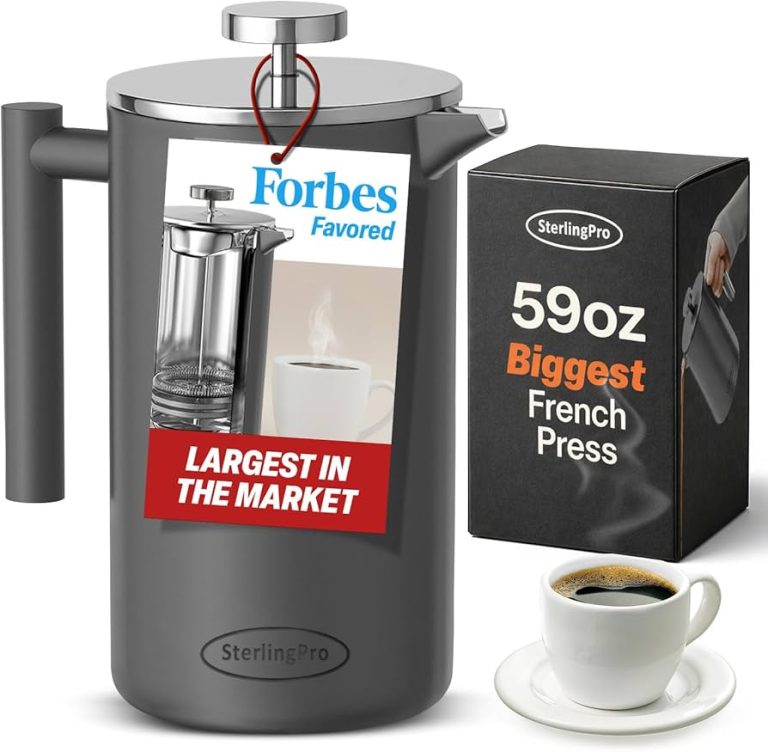
Material also matters. Glass lets you see the brew, stainless steel often feels sturdier, and plastic can be lighter.
What features matter most for daily use
Look for a comfortable handle, a lid that fits well, and a filter that feels secure. These small details can make daily brewing much easier.
Also check whether the parts come apart for cleaning. That can save time and help the coffee taste better over time.
- Capacity that matches your daily coffee habits
- Material that suits your care routine
- Filter parts that are easy to clean
- Manual and warranty details from the maker
- Safety notes for heat and glass handling
Value picks for different budgets
Value does not always mean the cheapest option. A better choice may be one that feels sturdy, cleans easily, and lasts longer.
If you brew every day, a stronger build may be worth it. If you brew once in a while, a simpler model may be enough.
French press coffee maker with easy-clean parts
For most buyers, the best value comes from a press that balances sturdy build, simple cleanup, and a filter that fits well. Exact features vary by model, so check the manual, material, and capacity before buying.
Final Verdict: Is a French Press the Right Coffee Maker for You?
A French press is a great choice if you want rich coffee, simple steps, and more control over taste. It works especially well for people who like a fuller cup and do not mind a little cleanup.
If you want very clean coffee, fast automation, or no sediment at all, another brewer may suit you better. Still, for many home coffee drinkers, the French press remains one of the easiest ways to make a satisfying cup.
Who should choose this brewing method
Choose a French press if you like bold flavor and hands-on brewing. It is also a smart pick if you want a low-cost method with few moving parts.
Who may want a different coffee maker instead
Choose something else if you want a paper-filtered cup or a machine that does most of the work. You may also prefer another brewer if you want less sediment in every sip.
For most home coffee lovers, the French press is an easy, reliable way to make rich coffee. It shines when you use coarse grounds, hot water, and a steady four-minute steep, but it may not be ideal if you want the cleanest cup possible.
- Use coarse grounds for a cleaner, less bitter cup.
- Start with a four-minute steep and adjust from there.
- Clean the press well after each use.
- Check capacity, material, and filter quality before buying.
Frequently Asked Questions
A coarse grind works best for French press coffee. Fine grounds can make the cup bitter and muddy.
A good starting point is about 1 to 15 or 1 to 17 coffee to water by weight. You can adjust stronger or lighter after one brew.
Use hot water that is just off the boil. Very boiling water can make the coffee taste harsh.
Start with about four minutes. Then change the time a little if you want a stronger or lighter cup.
Use coarse grounds, avoid over-steeping, and press slowly. Bitter coffee often comes from too much time or too fine a grind.
Empty the grounds, wash the parts with warm water and mild soap, and rinse well. Deep clean the filter pieces often so old oils do not affect flavor.