How to Make Perfect French Press Coffee Every Time

Use coarse grounds, hot water that is not boiling hard, and a four-minute steep. Pour right away and clean the press after each use for the best flavor.
Perfect French press coffee is rich, smooth, and full of flavor. The goal is simple: use the right grind, water, and timing so the cup tastes balanced, not bitter or muddy.
If you want a reliable method, the good news is that French press coffee is easy once you learn a few basics. You do not need fancy gear. You just need a steady process and a little care.
- Grind matters: Coarse grounds help prevent grit and bitterness.
- Timing matters: Four minutes is a strong starting point for most brews.
- Pour fast: Remove coffee from the grounds soon after pressing.
- Clean well: Fresh cleanup keeps the next cup tasting better.
What “Perfect” French Press Coffee Really Means
“Perfect” does not mean the same thing for everyone. For most home brewers, it means a cup with clear coffee flavor, enough strength, and a smooth feel.
The flavor, strength, and texture you should aim for
A great French press cup should taste bold, but not harsh. It should feel full on the tongue, with a little natural body from the coffee oils.
You want these traits:
- Rich flavor without burnt bitterness.
- Good strength without tasting thin.
- Smooth texture with little grit.
- Clean finish, not a heavy aftertaste.
In short: the best French press coffee tastes deep and round, not sharp or weak.
Why French press coffee tastes different from drip coffee
French press uses immersion brewing. That means the grounds sit in hot water for the full brew time.
Drip coffee works differently. Water passes through the grounds more quickly. French press often gives you more body and more oil in the cup.
French press coffee usually keeps more coffee oils in the cup than paper-filter drip coffee.
What You Need Before You Start
You do not need a long shopping list. Still, a few basics make the process much easier and more consistent.
Grind size, coffee dose, water temp, and brew time
For most brews, start with a coarse grind. Think sea salt, not table salt. A coarse grind helps the filter work better and keeps the cup cleaner.
A common starting ratio is about 1 to 15 or 1 to 16 coffee to water by weight. If you do not use a scale, use a consistent spoon measure each time.
Water should be hot, but not boiling hard. Many brewers do well with water just off the boil. A brew time of about four minutes is a solid starting point.
Best coffee beans and roast levels for French press
French press works with many beans. Medium and dark roasts often taste bold and easy to enjoy. Light roasts can also work well if you like brighter notes.
Fresh beans matter more than many people think. Old coffee can taste flat, even if you brew it well. If possible, buy beans in smaller amounts and use them soon after opening.
Your best roast level depends on taste. If you like chocolate and nut notes, try a medium or medium-dark roast. If you like fruit and floral notes, a light roast may suit you better.
Simple tools that make the process easier
A kitchen scale helps you repeat good results. A kettle with a steady pour also helps, but it is not required.
You may also want a spoon, a mug, and a second container for serving. A separate server helps if you do not want coffee sitting in the press after brewing.
- Grind fresh when you can for better flavor.
- Use the same ratio each time until you find your sweet spot.
- Preheat the press with hot water for steadier brewing.
How to Make Perfect French Press Coffee Step by Step
Here is the basic method. Once you learn it, you can adjust it to fit your taste.
Measure the coffee and water the right way
Use a steady coffee-to-water ratio so each brew starts the same way.
Use the same scoop or scale each time if you want repeatable results.
Start with a coarse grind and the amount of coffee you prefer. If the cup tastes weak, use a little more coffee next time. If it tastes too strong, use a little less.
Heat the water and let it cool slightly
Bring water to a boil, then let it sit briefly before pouring. That short wait helps avoid a harsh, scorched taste.
Hot water can burn skin fast. Pour carefully and keep the press on a stable, dry surface.
Add coffee, pour water, and start the bloom
Add the grounds to the press first. Then pour in enough water to wet all the coffee.
At this stage, the coffee may bubble a little. That is normal. It helps release gas from fresh grounds and starts the brew evenly.
Stir, steep, and press at the right time
Give the coffee a gentle stir after the bloom. This helps all the grounds contact the water.
Let it steep for about four minutes, unless your beans or taste call for a different time. Then press slowly and steadily. Do not force it.
- Press with slow, even pressure.
- Stop if the plunger feels stuck.
- Adjust brew time in small steps.
- Do not slam the plunger down.
- Do not rush the steep time.
- Do not use very fine grounds.
Pour and serve without over-extracting the coffee
Pour the coffee soon after pressing. If the coffee stays in the press, it keeps brewing and can turn bitter.
If you do not plan to serve it right away, pour it into a separate carafe. That small step often improves taste more than people expect.
How the French Press Method Works
This method is simple, but the science behind it explains why small changes matter so much.
Why immersion brewing changes the final taste
With immersion brewing, the coffee and water stay in contact for the whole steep. That gives the water more time to pull flavor from the grounds.
Because of that, French press coffee often tastes fuller and richer. It can also taste heavier if you overdo the brew time.
How grind size and steep time affect extraction
Grind size changes how fast water can pull flavor from coffee. Fine grounds extract fast, but they can also make the cup bitter or muddy.
Steep time matters too. Too short, and the coffee may taste thin. Too long, and it may taste harsh or dry.
Small changes in grind size can change the taste a lot more than many home brewers expect.
Common Mistakes That Ruin French Press Coffee
Most bad French press coffee comes from a few easy-to-fix mistakes. The good news is that each one has a simple solution.
Using the wrong grind
Very fine coffee can slip through the filter and make the cup gritty. It can also make pressing harder.
The coffee tastes muddy or feels sandy.
Use a coarse grind and check that your grinder setting stays consistent.
Brewing too long or too short
Short brew times can leave the coffee weak. Long brew times can make it bitter.
If your cup tastes off, change only one thing at a time. Try a slightly longer or shorter steep before changing the grind again.
Pressing too hard or pouring too slowly
Pressing hard does not improve flavor. It can stir up grit and make the brew messy.
Pouring too slowly can also keep the coffee in contact with the grounds for too long. That can make the cup taste stronger than you want.
Skipping cleanup between brews
Old grounds and oils can build up fast. They can leave stale flavors in your next cup.
Rinse the press after each use. A deeper clean helps the filter stay clear and the coffee taste fresh.
Benefits and Limits of French Press Coffee
French press has a loyal following for good reasons. Still, it is not the best method for every drinker.
Why many coffee drinkers love this brew style
People often like French press because it is simple, low cost, and flexible. It also gives a rich cup with very little equipment.
- Simple method with few tools needed.
- Rich body and bold flavor.
- Easy to adjust for taste.
- Works well at home or while traveling.
Where French press coffee can fall short
French press coffee can have more sediment than filtered drip coffee. Some people love that body, while others do not.
It can also taste bitter if you leave it sitting too long. If you want very clean, bright coffee, another brew method may suit you better.
- Bold flavor and rich texture.
- Simple setup and easy control.
- No paper filters needed.
- More sediment in the cup.
- Can over-extract if left too long.
- Needs regular cleaning.
Cleaning, Maintenance, and Safety Tips
Good cleanup keeps the press working well and helps your coffee taste better. It also makes the brewer safer to handle.
How to clean the press after each use
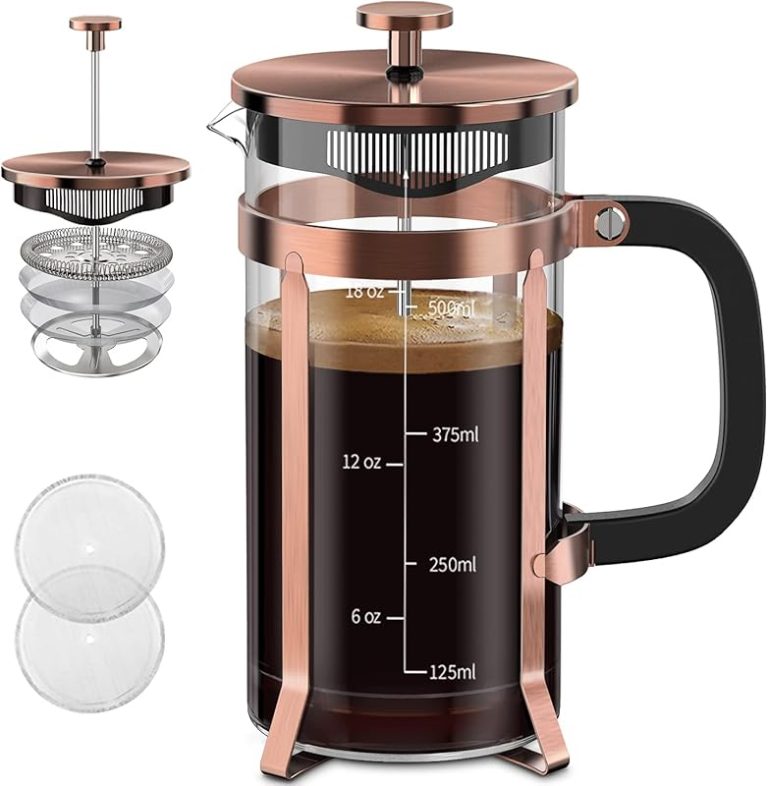
Discard the grounds, rinse the carafe, and wash the filter parts with warm soapy water.
Check for buildup around the mesh and plunger. Clean it more deeply if flow slows down.
Do not let wet grounds sit in the press for long. They can stick to the filter and create stale smells.
How to keep the filter and plunger working well
Rinse the mesh well so it does not clog. If the plunger starts to feel stiff, clean the parts more carefully.
Always follow the maker’s care directions. Some presses have parts that need gentle hand washing, while others may allow more flexible care.
Safety tips for hot water and glass carafes
Follow the appliance manual and stop using damaged equipment.
Watch for chips, cracks, or loose parts. If the glass carafe looks damaged, stop using it right away.
Also keep the press away from the edge of the counter. A small bump can cause a spill or breakage.
Final Recommendation: Is French Press Coffee Worth It in 2026?
Yes, French press coffee is still worth it in 2026 for many home brewers. It gives you strong flavor, simple control, and a very short learning curve.
Who should use this method and who should skip it
Choose French press if you like rich coffee, want a simple routine, and do not mind a little sediment. It is also a good fit if you want a low-fuss brew method.
You may want to skip it if you prefer a very clean cup or want coffee that stays hot and stable for a long time. In that case, a drip machine or pour-over setup may fit you better.
French press is a great choice because it brings out body and depth.
Try a paper-filter method instead, since it removes more fine particles.
Best next step for readers who want better results
Start with coarse grounds, a steady ratio, and a four-minute steep. Then change only one thing at a time until the cup tastes right.
If you want the easiest win, focus on freshness and cleanup. Those two habits often improve French press coffee more than any fancy upgrade.
French press is one of the easiest ways to brew bold coffee at home. It works best for readers who want rich flavor and a simple routine, but it may not suit people who want a very clear, sediment-free cup.
- Use coarse grounds and hot water that is not boiling hard.
- Steep for about four minutes, then press slowly.
- Pour right away to avoid bitter over-extraction.
- Clean the press after each use for better taste and flow.
Frequently Asked Questions
Use a coarse grind, similar to sea salt. Fine grounds can make the cup muddy and harder to press.
A good starting point is about 1 to 15 or 1 to 16 by weight. Adjust a little based on how strong you like the cup.
Use water that is hot but not at a hard boil. Let boiling water sit briefly before pouring for a smoother taste.
Four minutes is a strong starting point for many brews. You can shorten or lengthen it a little to match your taste.
Bitterness often comes from over-steeping, very fine grounds, or letting the coffee sit too long after pressing. Try a coarser grind and pour sooner.
Discard the grounds, rinse the carafe, and wash the filter parts with warm soapy water. Clean buildup often so old oils do not affect the next brew.