How to Clean French Press Coffee Maker Properly Fast

Clean a French press right after brewing for the fastest, safest result. Wash the mesh, plunger, and carafe well so old oils and grounds do not affect taste.
If you want a cleaner cup and less mess, clean your French press right after brewing. The fastest proper method is to dump the grounds, rinse the parts, wash the filter, and dry everything well.
- Clean fast: Empty grounds and rinse right after brewing.
- Wash the filter: The mesh and spring trap most residue.
- Use gentle tools: Soft sponges protect glass and metal parts.
- Deep clean weekly: Soap, baking soda, or vinegar can help.
- Dry fully: Moisture can leave smell and make storage messy.
How to Clean French Press Coffee Maker Properly Fast
A French press is simple, but it can trap coffee grounds and oil in small parts. That is why a quick rinse is not always enough.
The good news is that you do not need a long routine. With the right steps, you can keep the press clean in a few minutes after each brew.
Clean the press while the grounds are still wet. They come out much easier.
In short: fast cleaning works best when you do it right away. Waiting makes the job harder and can hurt the taste of your coffee.
What Makes a French Press Hard to Clean
French presses look easy to clean because they have few parts. Still, the mesh filter, plunger, and carafe can hold on to fine grounds and oily residue.
Those leftovers can build up fast if you only rinse the press. Over time, they can make fresh coffee taste stale or bitter.
Why coffee grounds stick to the mesh
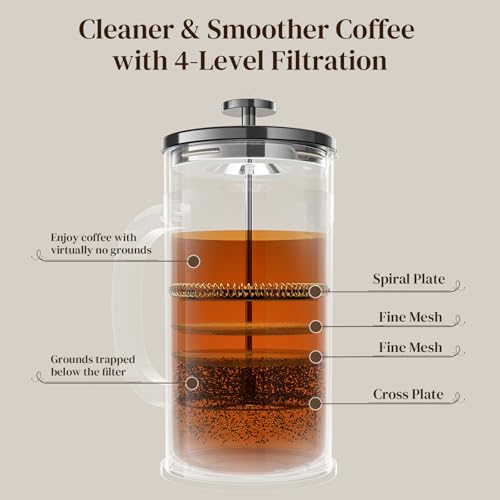
The filter mesh catches tiny coffee bits during brewing. Some of those bits stay trapped in the screen, spring, and frame.
Fine grinds are the biggest problem. They slip into small spaces and cling to the metal parts.
Very fine coffee grind can make cleanup harder in a French press.
In short: the filter does its job well, but it also catches the mess.
How oils build up over time
Coffee beans release natural oils during brewing. Those oils coat the glass, steel, and filter parts.
A light film may not seem like much. But it can start to affect smell and taste after repeated use.
That is why a deeper wash matters now and then. It helps remove old oils that a quick rinse leaves behind.
In short: oils are the hidden reason a French press can start to smell “old.”
Step-by-Step Cleaning Method for Daily Use
This routine works well after most daily brews. It is fast, safe, and gentle on the parts.
Let the press cool a bit, then empty the spent grounds into the trash or compost.
Rinse with warm water right away to loosen leftover coffee and oils.
Remove the plunger parts if your model allows it, then wash them with mild soap.
Air-dry or towel-dry the pieces before putting them back together.
In short: rinse, wash, dry, and reassemble. That simple order prevents most cleanup problems.
Dumping grounds the safe way
Do not pour grounds straight down a drain. They can clog pipes over time.
Instead, tap the grounds into the trash or compost bin. If needed, use a spoon to lift them out.
Never force hot glass under cold water right after brewing. Sudden temperature change can stress the carafe.
In short: empty the press before you wash it.
Rinsing the carafe and plunger
Rinse the carafe with warm water. Swirl it around to loosen the coffee film.
Then rinse the plunger, lid, and mesh parts. If you see trapped grounds, move them out with your fingers or a soft brush.
A quick rinse helps most when you do it right after brewing. Once coffee dries, it sticks more.
In short: warm water now saves scrubbing later.
Washing the filter parts without damage
The filter needs gentle care. Use mild dish soap and a soft brush or sponge.
If your press has multiple filter layers, separate them only as the manual allows. Some models come apart easily, while others do not.
Check your model manual before taking the plunger apart. Part design varies a lot.
In short: clean the mesh well, but do not bend or force the parts.
Deep Cleaning Your French Press for Better Taste
Daily cleaning keeps things tidy. Deep cleaning removes old oils, stains, and smell that build up over time.
If your coffee starts tasting flat or bitter, a deep clean may help.
When to deep clean instead of quick rinse
Deep clean when you notice cloudy glass, a greasy feel, or a stale smell. It also helps if you use your press every day.
If you switch between dark roasts and lighter roasts, residue can linger. That can change flavor more than you expect.
In short: deep clean when the press no longer smells or looks fresh.
Using soap, baking soda, or vinegar the right way
Mild dish soap works for most presses. It removes daily oil and is usually the safest first choice.
Baking soda can help with smell and light stains. Make a soft paste with water, then rub gently.
Vinegar can help with mineral film in some homes, but use it carefully. Rinse very well after use so the coffee does not taste sour.
- Use soft tools on glass and mesh.
- Rinse thoroughly after soap or vinegar.
- Follow the manual if your press has a special coating.
In short: soap first, baking soda for smell, and vinegar only when needed.
How to remove stains and stale smells
For stains, soak the carafe in warm water and soap for a short time. Then wipe with a soft sponge.
For smell, try a baking soda soak. Rinse until the water runs clear and the scent is gone.
If the filter still smells oily, scrub the mesh gently with soap and warm water. Small parts often need extra attention.
In short: stains need soak time, and smells need a full rinse.
Common Cleaning Mistakes to Avoid
Most French press problems come from rough cleaning habits. A few small mistakes can damage the press or leave old flavors behind.
Using rough scrubbers on glass
Steel wool and rough pads can scratch glass. They can also wear down coatings on some stainless steel models.
Use a soft sponge, bottle brush, or nylon brush instead. These clean well without harsh marks.
Follow the appliance manual and stop using damaged equipment.
In short: gentle tools protect the press and help it last longer.
Leaving wet grounds in the press
Wet grounds left in the press can smell bad fast. They can also make cleanup harder the next time you brew.
Empty the press soon after use. Then rinse and dry the parts before putting them away.
In short: old grounds are the fastest way to create a mess.
Forgetting the mesh and spring parts
The plunger parts do more work than the glass carafe. They trap the oils and fine particles that affect flavor.
Do not just wash the outside and stop there. Clean the mesh, spring, and frame each time.
In short: the filter assembly needs as much care as the carafe.
Safety Tips and Care for Different French Press Materials
French presses come in different materials, and each one needs a slightly different touch. The right care helps prevent cracks, dents, and wear.
Glass French press care
Glass needs gentle handling. Avoid sudden hot-to-cold changes and rough scrubbing.
Set it on a stable surface when washing. Dry it fully before storing it, since wet glass can slip from your hands.
In short: glass is clear and clean, but it needs careful handling.
Stainless steel French press care
Stainless steel is usually tougher than glass. It can still show spots, fingerprints, and buildup if you skip regular washing.
Use non-abrasive soap and a soft cloth. Dry it well to help reduce water spots.
In short: steel is sturdy, but it still needs regular care.
Plastic and travel press care
Plastic and travel presses vary a lot by model. Some are made for home use, while others are built for on-the-go brewing.
Check the manual for heat limits and cleaning rules. Some parts may be dishwasher-safe, while others are not.
In short: travel presses are convenient, but model rules matter more here.
How Often You Should Clean a French Press
The right cleaning schedule depends on how often you brew. More use means more oil and more residue.
After every brew
Do a full rinse and quick wash after each use. This keeps grounds from drying inside the mesh and carafe.
If you brew more than once a day, this step matters even more. It keeps flavor cleaner and cleanup faster.
In short: a few minutes after brewing saves time later.
Weekly and monthly upkeep
Once a week, give the press a deeper wash with soap and a careful scrub. This helps remove oil that daily rinses miss.
Once a month, inspect the mesh, spring, and seals for wear or trapped debris. Replace worn parts if the maker offers replacements.
Dump grounds, rinse with warm water, wash the filter, and dry all parts.
Use soap and a soft brush for a deeper clean.
Check for stains, smell, wear, and loose filter parts.
In short: a simple routine keeps the press working and tasting better.
Final Recommendation for Fast, Proper French Press Cleaning
The best way to clean a French press is to act fast, use warm water, and treat the filter gently. That routine handles most daily mess without much effort.
For deeper buildup, use mild soap first. Add baking soda or vinegar only when you need help with stains or smell.
Fast cleaning works best when you empty the grounds right away, wash the mesh well, and dry every part. If your press still smells stale after that, it is time for a deeper clean and a careful check of the filter parts.
In short: clean soon, clean gently, and clean the whole press. That is the easiest way to keep coffee tasting fresh.
Frequently Asked Questions
Dump the grounds, rinse the carafe and plunger with warm water, then wash the filter parts with mild soap. Dry everything well before storing it.
Deep clean it when you notice stale smell, cloudy glass, or oily buildup. Many daily users do this about once a week.
Yes, both can help with stains or smell, but use them gently. Rinse very well so no flavor stays behind.
Old oils and trapped grounds can make coffee taste bitter or stale. A full clean of the mesh, spring, and carafe often helps.
The mesh filter, spring, and plunger frame trap the most residue. The carafe also needs regular washing to remove oils.
Stop using it if you see cracks, loose parts, or warped pieces. Check the manual and replace damaged parts if the maker offers them.