What Is French Press Coffee Maker Used For and Why It Matters

A French press coffee maker is used to brew coffee by steeping grounds in hot water and pressing them down with a mesh filter. It also works for tea, cold brew, and other simple infused drinks.
A French press coffee maker is used to brew coffee by steeping grounds in hot water, then pressing a mesh filter down to separate the liquid. It’s also handy for making tea, cold brew, and other simple infused drinks.
- Main use: It brews bold coffee through simple immersion.
- Extra uses: It can also make tea, cold brew, and infusions.
- Best results: Use coarse grind, careful timing, and slow pressing.
- Main trade-off: It can leave some sediment and needs cleanup.
What Is a French Press Coffee Maker Used For?
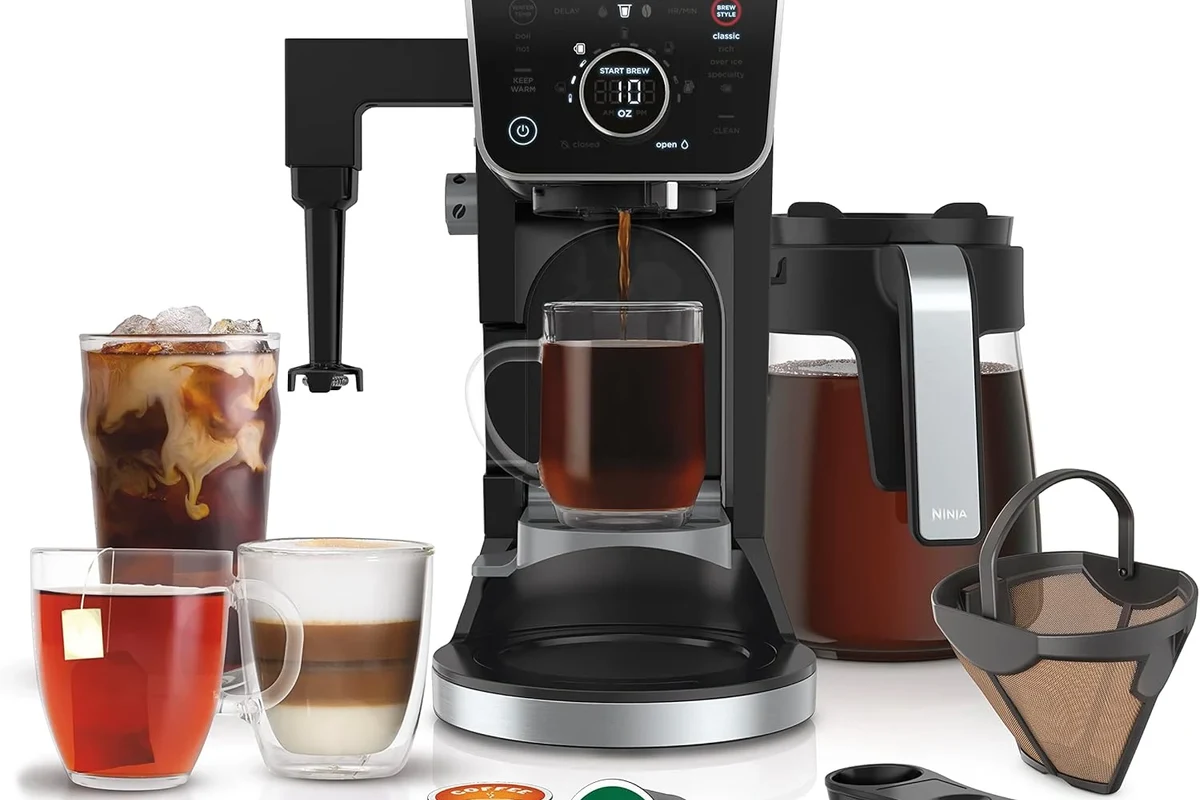
A French press is a small brewer that gives you more control over taste and strength than many drip machines. It works well for people who want a rich cup without a lot of extra gear.
In short, it’s used for simple, hands-on brewing at home, at work, or while traveling.
The short answer and main uses
The main job of a French press is to make coffee through immersion brewing. That means the grounds sit in water for a few minutes before you press them down.
People also use it for tea, herbal blends, and cold brew. Some home cooks even use it to froth milk or mix small drink batches.
If you want fuller coffee flavor, a French press is a simple place to start. It keeps the process easy and gives you room to adjust strength.
Why people still choose it in 2026
Even in 2026, the French press stays popular because it is easy to use and does not need paper filters. It also gives a bold, heavy cup that many coffee drinkers like.
It can fit well in small kitchens too. You only need hot water, coffee, and the press itself.
In short, it stays useful because it is cheap, simple, and flexible.
How a French Press Works
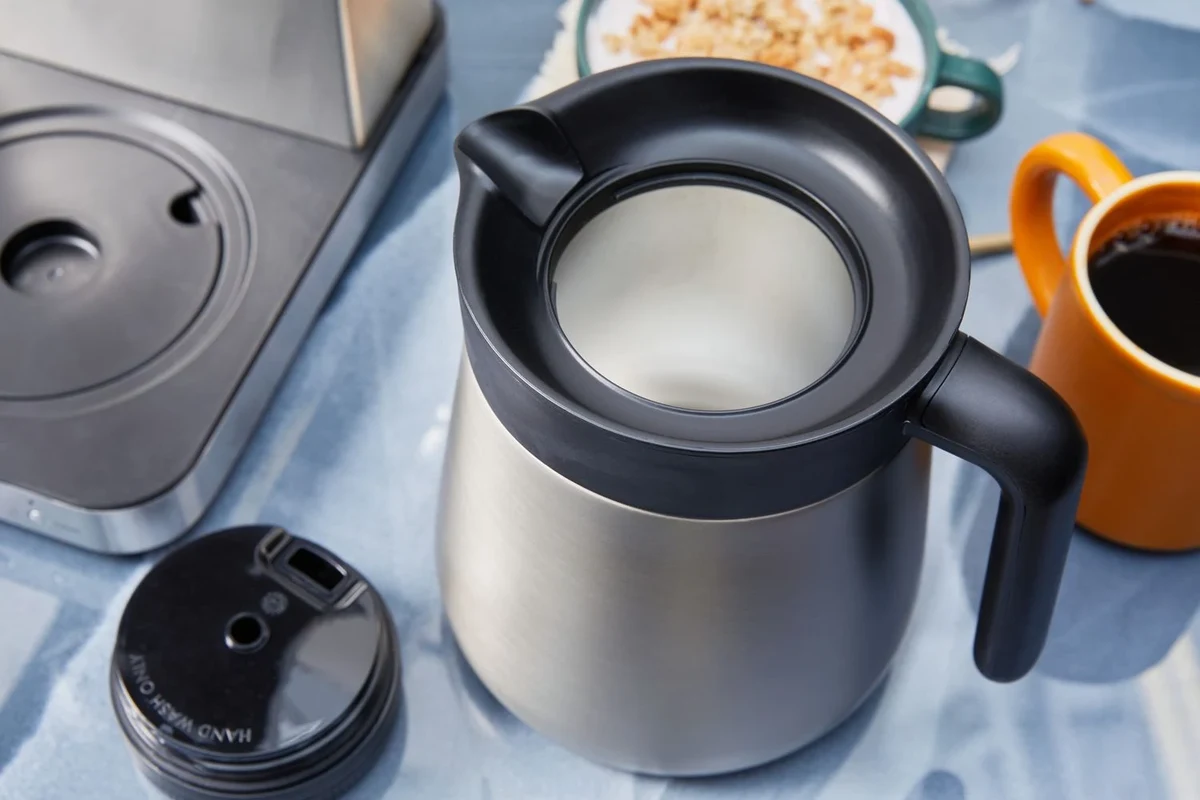
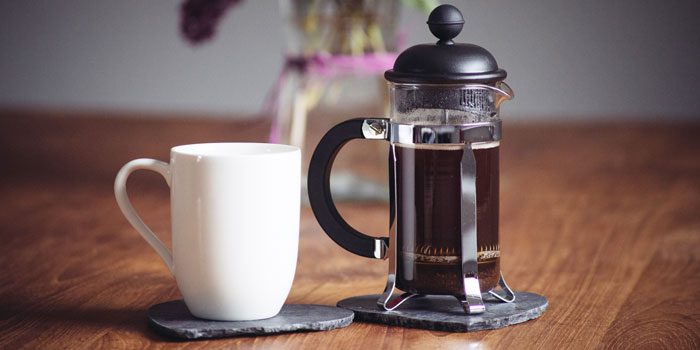
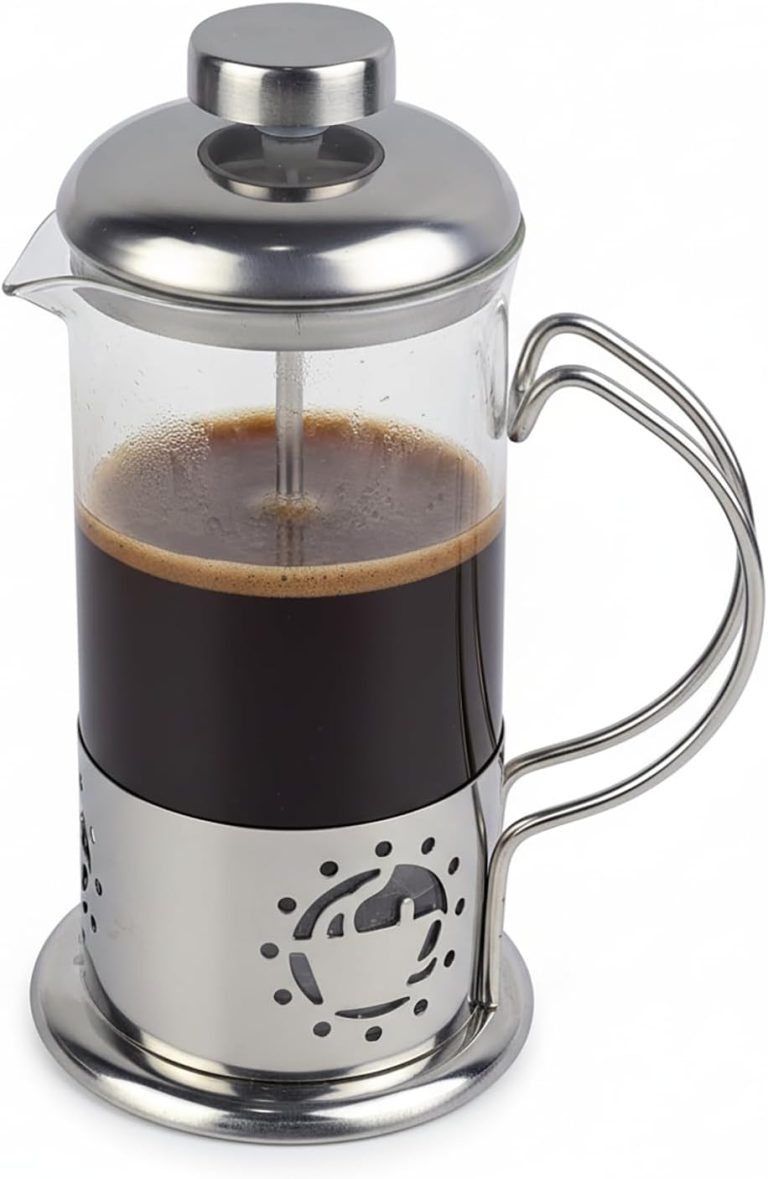
A French press uses a carafe, a plunger, and a mesh filter. The grounds steep in hot water, and the filter helps hold them back when you press down.
Basic parts of the brewer
Most French presses have a few core parts. The exact look changes by model, but the function stays the same.
Holds the water and coffee while it steeps.
Lets you push the filter down after brewing.
Separates most grounds from the finished drink.
Helps keep heat in during the brew.
Step-by-step brewing process
The basic process is easy to follow. Still, small changes can affect taste a lot.
Use a coarse grind and place it in the empty press.
Add water that is hot, but not boiling hard.
Wait a few minutes so the flavor can develop.
Push the plunger down at a steady pace.
Serve right away for the best taste.
Hot glass, metal, and steam can burn you. Handle the press with care, and follow the maker’s manual for safe use.
Why immersion brewing changes the taste
Immersion brewing keeps water and coffee in contact for the full brew time. That brings out more body and a fuller mouthfeel than many drip methods.
It also keeps more fine coffee oils in the cup. That is one reason French press coffee can taste richer and seem less sharp.
In short, the brewing style shapes the flavor as much as the beans do.
What You Can Make With a French Press
Most people think of coffee first, but the French press can do more than that. It works best with drinks that benefit from steeping.
Classic coffee with rich body
This is the most common use. French press coffee often tastes bold, smooth, and full.
It suits medium and dark roasts well, but light roasts can also work. The final cup depends on grind size, water temp, and steep time.
A French press does not need a paper filter. That lets more coffee oils stay in the cup.
Cold brew and iced coffee
You can use a French press for cold brew by steeping coffee in cold water for a long time. The mesh filter makes it easy to strain the grounds later.
It also works for iced coffee when you brew a stronger batch and pour it over ice. Just remember that ice will water it down a bit.
Tea, herbal drinks, and other uses
A French press can steep loose tea leaves too. It also works for herbs, fruit blends, and some simple infused drinks.
Some people use it to mix hot chocolate or froth milk. Those uses vary by model and by the ingredients you choose.
Strong-smelling ingredients can leave behind flavor. If you use the press for tea or herbs, clean it well before your next coffee batch.
Key Specs and Ingredients That Matter
The best French press results come from a few basic choices. You do not need fancy tools, but the details matter.
Grind size, water temp, and brew time
Coarse grind works best. Fine grind can slip through the filter and make the cup muddy.
Water that is too hot can make coffee taste bitter. Water that is too cool may taste flat or weak.
Brew time also matters. Too short can taste thin. Too long can taste harsh.
- Use a coarse grind for cleaner coffee.
- Heat water, then let it rest briefly.
- Stir gently to wet all the grounds.
- Press slowly to avoid splashing and grit.
Carafe material, filter type, and size
French presses come in glass, metal, and sometimes plastic versions. Each one has trade-offs.
- Glass shows the brew and feels classic.
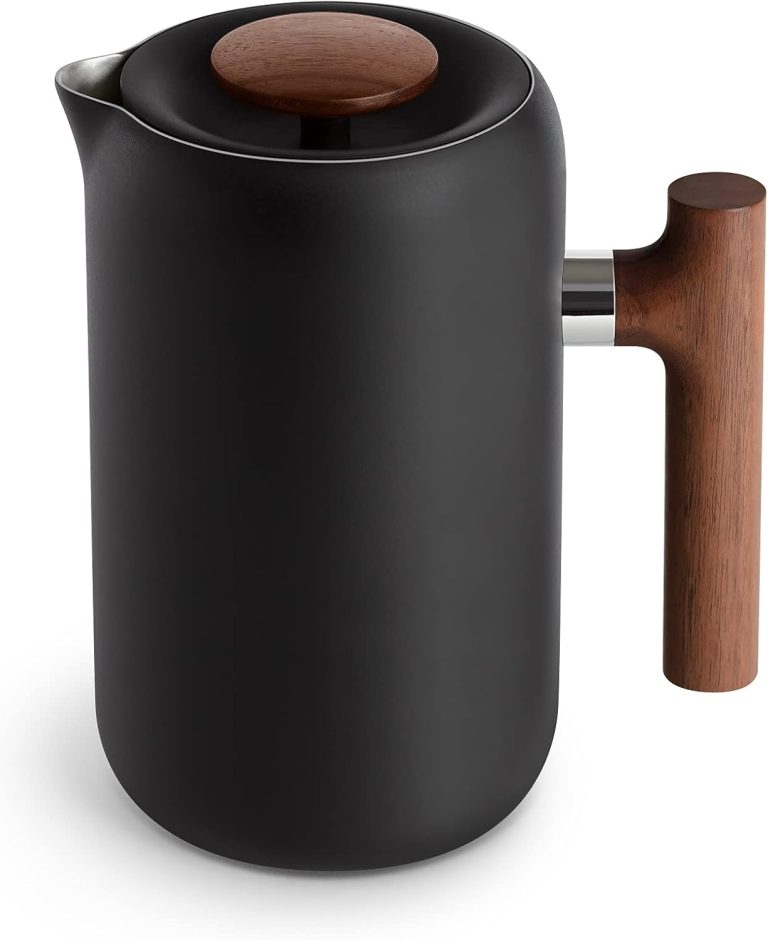
- Metal often holds heat better and feels sturdier.
- Plastic can be lighter, but it may feel less premium.
Filter design also matters. Some models filter better than others, but no press removes every fine particle.
Size matters too. A small press works for one or two cups. A larger one suits families or guests.
Coffee-to-water ratio for better results
Ratio affects strength more than many beginners expect. Too much water can make coffee weak. Too much coffee can make it harsh.
Because cup sizes vary, it helps to follow the brewer manual or a trusted coffee guide. Then adjust to taste after a few tries.
- Choose a size that fits your daily coffee use.
- Check whether the carafe is glass or metal.
- Look for parts that are easy to wash.
- Review the manual for safe heat and handling guidance.
Benefits and Limits of French Press Coffee
The French press has a lot going for it. It also has a few limits you should know before buying one.
Flavor, control, and low cost
Many people like the rich taste and simple setup. You can change the grind, water, and brew time to shape the cup.
It also tends to cost less than many electric coffee machines. That makes it appealing for renters, students, and small kitchens.
- Rich flavor and heavy body
- Simple, low-tech brewing
- Works for coffee, tea, and cold brew
- Usually easy to store
- Can leave some sediment in the cup
- Needs more cleanup than a pod machine
- Results change with grind and timing
- Glass models can break if handled roughly
Common limits like sediment and cleanup
French press coffee often has more fine sediment than filtered drip coffee. Some people enjoy that texture. Others do not.
Cleanup can also take a little more effort. You need to empty the grounds and rinse the mesh parts well.
Who it works best for
A French press works best for people who want control and bold flavor. It also suits anyone who likes a simple manual brewer.
If you want the cleanest cup with the least mess, another brewer may fit better. If you want rich coffee and low cost, the press is a strong choice.
Common Mistakes and How to Avoid Them
Most French press problems come from small brewing errors. The good news is that they are easy to fix.
Using the wrong grind
Fine grind is one of the most common mistakes. It can clog the filter and make the coffee gritty.
Use a coarse grind instead. If the cup still tastes muddy, grind a little coarser next time.
Brewing too long or too hot
Overbrewing can make coffee bitter. Water that is too hot can do the same thing.
Try a shorter steep or slightly cooler water if the flavor feels harsh. Small changes can help a lot.
Pressing too hard or too fast
There is no need to force the plunger. A fast press can stir up grounds and splash hot liquid.
Move slowly and keep steady pressure. If it resists a lot, check your grind before pressing harder.
The coffee tastes gritty or muddy.
Use a coarser grind and press more slowly.
Safety, Cleaning, and Maintenance Tips
French presses are simple, but safe handling still matters. Hot water, glass, and metal parts can all cause problems if you rush.
Safe handling of hot glass and metal parts
Set the press on a stable counter before pouring. Keep it away from the edge and from kids or pets.
If your model uses glass, avoid sudden temperature shock. Follow the manual for safe water use and care.
Stop using a press with cracked glass, bent parts, or loose pieces. Replace damaged equipment right away.
Daily cleaning steps
Cleaning right after use makes the job much easier. Wet grounds are easier to remove than dried ones.
Dump the grounds, rinse the carafe, and wash the filter parts.
Use mild soap and warm water, then dry the parts fully.
Deep cleaning and part care
Over time, oils can build up on the mesh and plunger. That can affect taste and slow the filter.
Take the parts apart as the manual allows. Wash them well, and check for wear before the next brew.
If your press has special seals or small parts, follow the maker’s care guide. That helps protect the brewer and your safety.
Cost, Value, and Final Recommendation
A French press usually offers strong value because it gives you flexible brewing without much complexity. The best choice depends on how often you brew and how much cleanup you want.
What to expect at different price points
Budget presses often cover the basics well. Midrange models may feel sturdier or clean up more easily.
Higher-end presses can add better materials or a nicer finish. Still, the brewing method matters more than the price tag.
Best buyer fit and final verdict
If you want rich coffee, simple use, and low cost, a French press is a smart pick. It is especially good for people who like to tweak flavor and do not mind a little cleanup.
If you want the cleanest cup, the fastest cleanup, or fully automatic brewing, a drip machine or pod brewer may suit you better. For everyone else, the French press still earns its place in the kitchen.
A French press is used for simple immersion brewing that makes bold coffee and other steeped drinks. It matters because it gives you strong flavor, low cost, and easy control, as long as you accept a little sediment and cleanup.
- French presses brew coffee by steeping grounds in hot water.
- They also work for tea, cold brew, and simple infusions.
- Coarse grind, careful timing, and safe handling improve results.
- They offer great value, but they do leave some sediment.
Frequently Asked Questions
A coarse grind usually works best. Fine grind can slip through the filter and make the coffee muddy.
The best ratio depends on your taste and the press size. Start with the maker guide or a trusted coffee ratio, then adjust after a few brews.
Use hot water, but avoid a hard boil if possible. Water that is too hot can make the coffee taste bitter.
Empty the grounds, rinse the carafe, and wash the filter parts with warm water and mild soap. Dry all parts well before storing.
French press uses immersion brewing, so more coffee oils stay in the cup. That usually gives the drink a fuller body and richer taste.
Yes, you can use it for loose tea, herbal drinks, and cold brew. Just clean it well between uses so flavors do not carry over.