7 Electric Milk Frother Coffee Recipes Youll Love

An electric milk frother makes home coffee smoother, creamier, and easier to flavor. It’s a simple upgrade if you like lattes, cappuccinos, or iced coffee drinks.
An electric milk frother can make plain coffee feel richer, smoother, and more cafe-like. It helps you add foam, warmth, and flavor with very little effort.
In this guide, you’ll learn what a frother does, how to make seven easy coffee drinks, and how to avoid common mistakes. You’ll also see what to look for when buying one in 2026.
- Best use: Frothers shine in milk-based coffee drinks and flavored lattes.
- Milk choice matters: Whole and barista-style milks usually foam best.
- Keep it simple: Use small add-in amounts to avoid weak foam or clumps.
- Clean fast: Rinse parts soon after use to protect taste and performance.
What an Electric Milk Frother Can Do for Coffee

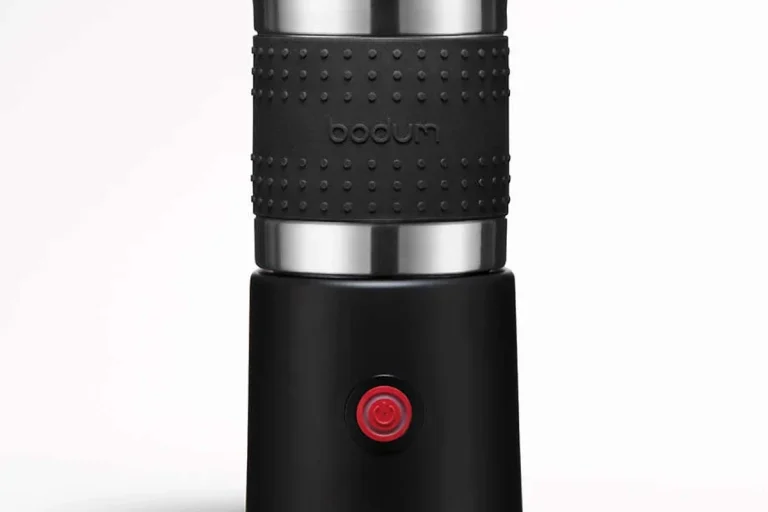
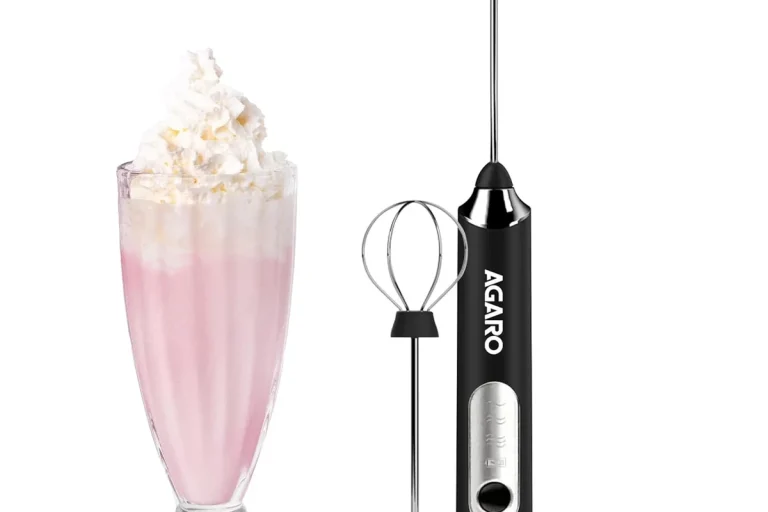
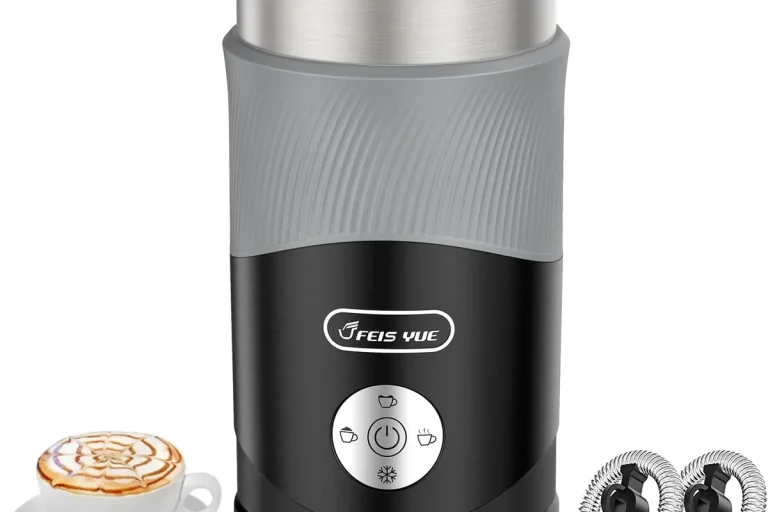
An electric milk frother whips milk or milk drinks with a small whisk or heating bowl. Some models heat and froth at the same time. Others only froth, so you heat the milk first.
That small change can make a big difference. Froth adds a soft top layer and a lighter feel. It can also help flavors spread more evenly in the cup.
Why frothy milk changes the taste and feel of coffee
Foam changes how coffee hits your tongue. It softens sharp edges and makes strong coffee taste rounder. That is why lattes and cappuccinos feel smoother than plain drip coffee.
Frothy milk also holds flavor well. Vanilla, cinnamon, caramel, and cocoa mix in nicely because the milk gives them a creamy base.
Milk foam feels light because it traps tiny air bubbles in the liquid.
What kinds of drinks work best with a frother
Electric frothers work best in drinks that use milk, milk alternatives, or creamy add-ins. They are great for lattes, cappuccinos, mochas, and flavored coffee.
They also help with cold drinks. You can froth cold milk for iced coffee, or whip a milk blend for a chilled mocha.
Results vary by model and milk type. Some frothers make dense foam, while others make a lighter texture.
7 Electric Milk Frother Coffee Recipes You’ll Love

These recipes are simple and flexible. Use them as a starting point, then adjust sweetness, milk, and coffee strength to fit your taste.
Classic latte
Start with a strong coffee base. Pour it into a mug, then froth warm milk until it looks smooth and silky. Spoon the foam on top and stir lightly.
A latte usually uses more milk than foam. If you like a stronger coffee taste, use less milk. If you like it softer, use more.
Vanilla cappuccino
Mix a little vanilla syrup or vanilla extract into warm milk before frothing. Then pour it over espresso or strong coffee. Finish with a thick foam cap.
This drink works well when you want sweetness without a heavy feel. For a less sweet cup, use a small amount of vanilla and skip extra sugar.
Iced mocha
Make a cold coffee base and add cocoa powder or chocolate syrup. Stir well so the chocolate blends in. Froth cold milk, then pour it over ice and top the drink.
If you want a richer taste, use a little more chocolate. If you want a lighter drink, use less syrup and more milk.
Mix cocoa with a small splash of warm milk first. It blends more smoothly than dry powder alone.
Honey cinnamon coffee
Add honey to hot coffee or warm milk, then froth the milk with a pinch of cinnamon. Combine the two and stir gently. The result is warm, sweet, and easy to make.
This recipe tastes best when the cinnamon stays light. Too much can take over the cup fast.
Caramel macchiato at home
Pour vanilla milk into your mug first. Add espresso or strong coffee slowly over the top. Finish with a drizzle of caramel and a little foam.
This layered drink looks fancy, but it is simple. The key is to pour gently so the layers stay clear longer.
Matcha coffee blend
This drink mixes coffee and matcha for a bold, earthy cup. Whisk the matcha with a little warm water first. Then add coffee and top with frothed milk.
Start with small amounts of matcha. Its flavor can get strong fast, especially next to dark coffee.
Matcha and coffee both contain caffeine. Be careful if you are sensitive to caffeine or avoid it later in the day.
Protein coffee for busy mornings
Blend or stir protein powder into cooled coffee or milk first. Then froth the milk separately, if your frother allows it. Pour the foam on top for a quick breakfast-style drink.
Choose a protein powder that mixes well. Some powders foam well, while others leave a chalky feel.
- Use strong coffee for drinks with lots of milk.
- Mix powders before frothing to avoid clumps.
- Adjust sweetness after tasting the first sip.
How to Make Better Froth Every Time
Good froth starts with the right milk, the right fill level, and the right temperature. Small changes can improve both texture and taste.
Best milk choices for foam and texture
Whole milk often gives the richest foam. It makes a creamy texture that works well in lattes and cappuccinos. Lower-fat milk can foam too, but the result may feel lighter.
Many plant milks also work, but not all froth the same way. Barista-style oat, soy, and almond drinks often perform better than basic versions.
Hot and cold frothing tips
For hot drinks, do not overfill the frother. Milk expands as it froths, so leave room for movement. For cold drinks, chill the milk first for a fresher taste.
If your model heats milk, follow the manual for the fill line and cycle time. Different frothers heat at different speeds.
Simple ratios for coffee, milk, and flavor add-ins
A good starting point is one strong coffee base to one part frothed milk for a stronger drink. For a softer latte, use more milk. For a cappuccino feel, use less milk and more foam.
Flavor add-ins should stay small at first. A little vanilla, cinnamon, honey, or syrup goes a long way.
- Use fresh milk for better foam and taste.
- Warm the cup first for hot drinks.
- Taste before adding more sweetener.
Common Frothing Mistakes and How to Fix Them
Most frothing problems are easy to fix. The issue is often milk choice, fill level, or a frother that needs cleaning.
Why milk may not foam well
If milk will not foam, check the type first. Very low-protein milk or some thin plant milks can give weak foam. Cold milk may also need more time.
The milk stays flat or thin.
Try whole milk or barista-style plant milk, and make sure the frother is clean.
Also check the fill line. Too much milk can stop proper aeration.
How to avoid weak flavor or bad texture
Weak coffee often comes from a low coffee-to-milk ratio. Use stronger coffee, or reduce the milk a little. If the drink tastes dull, add a pinch of salt, a touch more vanilla, or a small amount of sweetener.
Bad texture can also come from over-frothing. If the foam looks dry or stiff, shorten the cycle next time.
What to do if the frother overheats or splashes
Stop the cycle if the milk looks too hot or the frother splashes. Let the unit cool before using it again. Never force a damaged whisk or lid into place.
Follow the appliance manual and stop using damaged equipment.
If splashing happens often, use less milk and make sure the lid fits well.
Safety, Cleaning, and Daily Care
Electric frothers are simple, but they still need careful use. Hot milk can burn, and electric parts should stay dry unless the manual says otherwise.
Safe use tips for hot milk and electric parts
Always keep the base and plug away from water. Use the frother on a flat, dry counter. Let hot milk cool a little before tasting.
If the cord, whisk, or base looks damaged, stop using the unit. Check the manual and official safety guidance for your model.
How to clean the whisk, jug, and lid
Clean the whisk and jug soon after use. Dried milk is harder to remove and can affect foam later. Many frother parts can be rinsed or washed by hand, but this depends on the model.
Rinse removable parts and wipe the outside dry.
Check for milk film around the whisk and inside corners.
Inspect seals, lid fit, and any wear on the whisk.
Use a soft sponge or cloth. Avoid harsh pads that can scratch coated parts.
Storage and upkeep for longer life
Store the frother dry and unplugged. Keep the lid and whisk together if your model uses removable parts. That makes the next use easier and helps prevent loss.
For best results, follow the maker’s cleaning and storage advice. Some models have parts that should not go in a dishwasher.
What to Look For in an Electric Milk Frother
The best frother for you depends on how you drink coffee. Some people want fast foam for one mug. Others want a larger jug for family drinks.
Capacity, speed, heat settings, and ease of use
Capacity matters if you make more than one drink at a time. A small frother saves space, but it may not suit a household with several coffee drinkers.
Heat settings also matter. Some people only want warm foam. Others want both hot and cold options. Simple controls are often best if you want fast daily use.
- Check capacity and counter space.
- Look for easy cleaning and clear controls.
- Read the manual for heat and foam settings.
Features that matter for home coffee drinkers
Look for a frother with a clear fill line, a stable base, and removable parts if possible. A nonstick interior can also help with cleanup.
Some models offer separate froth and heat modes. That can be useful if you like both iced and hot coffee drinks.
When a basic frother is enough and when to upgrade
A basic frother is enough if you make one drink at a time and want simple foam. It is also a good fit if you only use it now and then.
Upgrade if you want more control, larger batches, or easier cleanup. A better model may save time if you use it every morning.
Match the Frother to Your Coffee Habit
Pick a simple model for quick drinks. Choose a more flexible one if you make frothy coffee often.
Is an Electric Milk Frother Worth It in 2026?
For many home coffee drinkers, yes. An electric milk frother adds texture, flavor, and variety without taking up much space. It is a smart pick if you like lattes, cappuccinos, or sweet coffee drinks.
The best value comes from regular use. If you only make plain coffee, you may not need one. But if you enjoy cafe-style drinks at home, it can be a very useful small appliance.
Cost, value, and who gets the most use from one
Value depends on how often you use it, how easy it is to clean, and whether it fits your drink style. A simple model may be enough for casual use. A more flexible model may suit daily coffee drinkers better.
People who make flavored drinks, iced coffee, or milk-based coffee most often tend to get the most value from a frother.
Best final pick for casual drinkers and coffee fans
For casual drinkers, a basic electric frother is usually the best choice. It keeps things simple and still improves the cup.
For coffee fans who like more control, choose a model with heat settings, easy cleanup, and enough capacity for your usual mug. That balance gives you the most useful everyday result.
An electric milk frother is worth it if you want smoother, cafe-style coffee at home. Choose a basic model for simple drinks, or upgrade for more control, easier cleanup, and daily use.
Frequently Asked Questions
Whole milk often makes the richest foam, but many barista-style oat, soy, and almond milks also work well. The best choice depends on your model and the texture you want.
Use the right fill line and stop the cycle before the foam gets stiff. If the texture still seems off, try a different milk or shorten the frothing time.
Yes, many frothers can handle cold milk for iced drinks. Chill the milk first, then froth it and pour it over ice or cold coffee.
Rinse or wash removable parts soon after use, then dry them well. Always follow the manual, since some parts may not be dishwasher safe.
The milk may be too thin, too full, or not suited to frothing. A dirty whisk or worn part can also reduce foam, so cleaning and a model check can help.
It is worth it if you like lattes, cappuccinos, or flavored coffee drinks. If you only drink plain coffee, a frother may not get much use.