Can You Make Tea in a French Press Coffee Maker Easily

Yes, you can make tea in a French press coffee maker, and it works especially well with loose leaf tea. Use the right water heat and steep time so the tea stays smooth, not bitter.
Yes, you can make tea in a French press coffee maker. In fact, it works well for loose leaf tea and gives the leaves room to steep fully.
The key is to use the right water temperature, the right steep time, and a gentle press. If you rush it, the tea can turn bitter or taste muddy.
- Loose leaf works best: It gives the leaves room to open and brew well.
- Watch the water heat: Delicate teas need cooler water than black tea.
- Keep steeping short: Long brews can make tea taste bitter.
- Press gently: A slow press helps keep the brew cleaner and smoother.
- Clean right away: Fresh tea residue is easier to remove before it dries.
Can You Make Tea in a French Press Coffee Maker? The Short Answer

A French press is a simple and useful tool for tea. It lets loose leaves move freely in hot water, then separates them from the liquid with a mesh filter.
That said, it is not perfect for every tea. Delicate teas need care, and some very fine blends can slip through the mesh.
Can you use the same French press for coffee and tea?
Yes, but strong coffee smells can linger. A thorough wash helps, and some people keep one press for tea only.
How a French Press Works for Tea

A French press works by steeping tea in water, then pushing a filter down to hold back the leaves. That makes it easy to brew and pour from one container.
It also gives you a lot of control. You can change the leaf amount, water heat, and steep time to suit the tea.
Why the steeping method matters
Tea flavor changes fast as it steeps. Too little time can leave it weak. Too much time can make it sharp or bitter.
The French press helps because the leaves stay in the water evenly. This often gives a fuller taste than a quick dip in a mug.
What makes it different from a teapot or mug
A teapot may have a built-in strainer or a separate infuser. A mug usually uses a small basket or tea bag.
A French press has more room than most mugs. That extra space can help loose leaf tea open up and release better flavor.
Results vary by model. Some mesh filters catch fine tea bits better than others.
Best Teas to Use in a French Press
French presses work best with teas that like room to expand. Loose leaf tea usually gives the cleanest and richest result.
Loose leaf tea vs tea bags
Loose leaf tea is the better fit for most French presses. The leaves need space, and the press gives them that.
Tea bags can work too, but they often brew a smaller amount. They may also limit flavor if the bag is crowded.
Tea types that work well
Many teas taste great in a French press. Stronger leaves and larger pieces tend to do best.
Bold and easy to brew in a press.
Works well with cooler water and a short steep.
Often forgiving and simple for everyday use.
Good choice when you want more depth and aroma.
Teas that can turn bitter fast
Some teas need more care. Green tea, white tea, and many fine herbal blends can turn harsh if the water is too hot.
Very small tea particles can also pass through the mesh. That can leave sediment in the cup and make the drink feel gritty.
Use caution with hot water and glass parts. If the press is cracked, loose, or damaged, stop using it.
Step-by-Step Guide to Making Tea in a French Press
This method is easy once you know the basics. The main goal is to keep the tea balanced, clean, and not overdone.
What you need before you start
You do not need special gear. A clean press and fresh water are enough for a basic brew.
Water temperature and steep time
Water heat matters a lot. Boiling water can scorch delicate tea leaves, especially green and white tea.
As a general rule, use hotter water for black tea and herbal tea. Use cooler water for more delicate teas. Check the tea package or brand guide when available.
- Preheat the press with warm water for steadier brewing.
- Use a timer so you do not oversteep the tea.
- Start with less tea, then adjust next time.
How to press and pour the right way
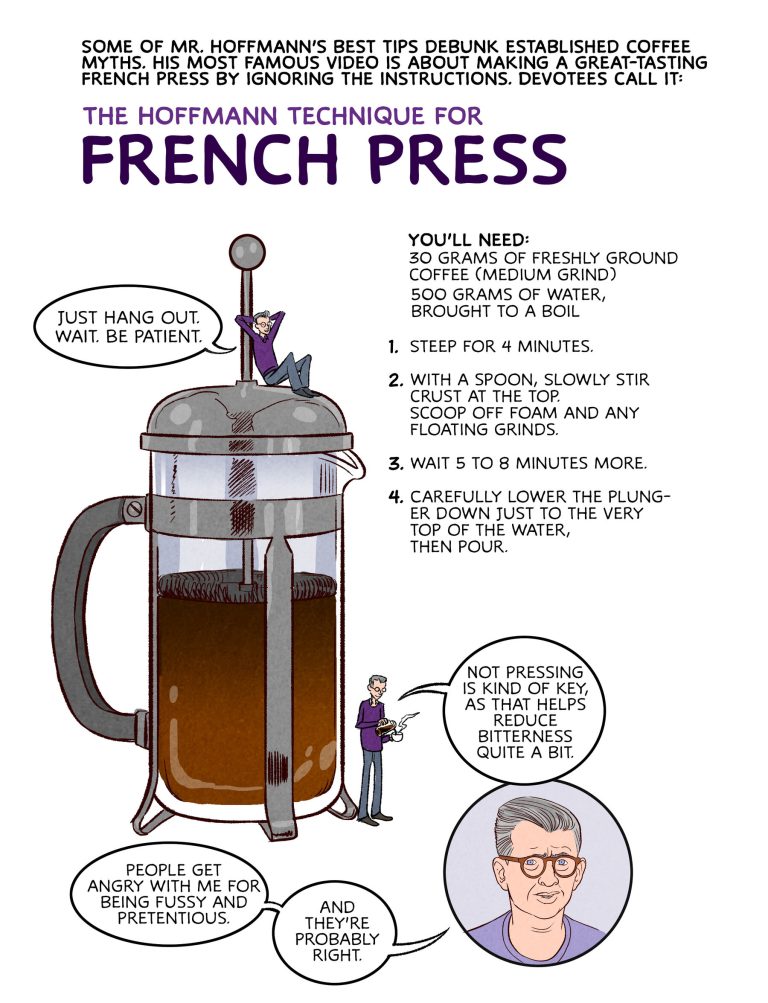
Add the tea leaves, pour in the hot water, and let it steep. When the time is up, press slowly and evenly.
Do not force the plunger down fast. A slow press helps keep leaves from splashing and keeps the brew smoother.
Use loose leaf tea or tea bags, based on the tea type.
Use the right heat for your tea, not just boiling water.
Follow the tea label or start with a short brew.
Push down in a smooth motion, then pour right away.
Benefits and Limits of Using a French Press for Tea
The French press has real upsides. It is simple, flexible, and already sits in many kitchens.
Still, it has limits. It is not always the cleanest or most exact tea tool.
When it works better than other methods
A French press is handy when you want a larger batch. It is also great when you like loose leaf tea and want easy cleanup.
It can be a smart choice for busy mornings. You brew once, press once, and pour into several cups.
- Lets loose leaves expand fully
- Makes several cups at once
- Uses a tool many kitchens already have
- Needs little extra equipment
When another tool may be a better choice
A mug infuser or teapot may work better for delicate tea. They can be easier to control for small servings.
If you make tea every day, a dedicated tea maker may also fit your routine better. It can offer more consistent results with less guesswork.
Best for loose leaf tea, simple setup, and bigger batches.
Best for small servings and delicate teas.
Common Mistakes to Avoid
Most tea problems come from a few easy mistakes. The good news is that they are simple to fix.
Using water that is too hot
Very hot water can burn the leaves and flatten the flavor. This is one of the most common reasons tea tastes harsh.
Let boiling water rest a bit before brewing delicate tea. Even a short wait can make a big difference.
Steeping for too long
Long steeping often leads to bitterness. The tea may also get stronger in a way that feels rough, not rich.
The tea tastes sharp, dry, or bitter.
Use less steep time and try cooler water next time.
Mixing tea types in one press
Different teas need different heat and steep times. Mixing them in one brew can lead to a muddled taste.
It can also leave behind strong smells or flavor traces. That matters if you switch between mint, chai, and light green tea.
Cleaning, Safety, and Maintenance Tips
Cleaning matters more than many people think. Old tea residue can stain the press and affect the next brew.
How to clean tea residue and smells
Rinse the press soon after use. Then wash the plunger, mesh, and glass or metal body with warm soapy water.
If smells linger, soak the parts in a baking soda mix or use a gentle kitchen cleaner that is safe for the material.
Empty the leaves, rinse the parts, and wash away tea film.
Check the mesh, seal, and lid for wear or stuck residue.
Safety tips for glass and hot water
Hot water can burn skin fast. Pour slowly and keep the press on a stable, dry surface.
If your press is glass, handle it with care. Small chips or cracks can get worse under heat.
Follow the appliance manual and stop using damaged equipment.
Final Verdict: Is a French Press Worth Using for Tea?
Yes, a French press is worth using for tea if you like loose leaf tea and simple brewing. It is easy, flexible, and good for everyday home use.
Best use cases and value for home brewers
It makes the most sense for people who want a quick, low-cost tea setup. It also works well when you want a larger batch without buying another appliance.
A French press is a smart tea tool for loose leaf tea, simple cleanup, and bigger servings. It is less ideal for very delicate teas or anyone who wants exact control.
Who should skip it and buy a tea maker instead
Skip the French press if you want perfect control over fine tea types. You may also prefer a dedicated tea maker if you brew tea often and want less cleanup.
In short, the French press is a strong all-around option, but not the best one for every tea drinker.
- Yes, a French press can make tea well.
- Loose leaf tea works best in most cases.
- Use the right water heat and steep time.
- Clean it well to avoid smell and residue.
Frequently Asked Questions
Loose leaf black tea, oolong, and many herbal teas work well. Delicate teas can also work if you use cooler water and a short steep.
Yes, tea bags can work in a French press. Loose leaf tea usually gives better flavor and more room for the leaves to expand.
It depends on the tea type. Black and herbal teas can handle hotter water, while green and white teas need cooler water.
Steep time varies by tea type and brand. Start with the package directions, then shorten the time if the tea tastes bitter.
Rinse it right away, then wash the parts with warm soapy water. If smells remain, soak the parts in a safe cleaning mix and rinse well.
A French press is great for loose leaf tea and larger batches. A teapot or infuser may be better for delicate teas or smaller servings.