How to Use Instant Pot Pressure Cooker: A Simple First-Time Guide

If you have an Instant Pot sitting on the counter and you are not sure where to start, you are not alone. When I first learned how to use instant pot pressure cooker meals at home, the buttons, steam valve, sealing ring, and pressure release all felt more serious than they really were.
I’m Daniel Brooks, and I like kitchen tools that make dinner easier, not more confusing. In this guide, I’ll walk you through the basics in plain English: what the parts do, how to run a first test, how to pressure cook safely, and how to avoid the mistakes that make beginners nervous.
By the end, you should feel ready to cook simple foods like rice, soup, beans, chicken, potatoes, and stews with more confidence.
Quick Answer
To use an Instant Pot pressure cooker, add food and enough thin liquid, close the lid, set the steam release to sealing if your model requires it, choose Pressure Cook, set the time, and let the pot build pressure. When cooking ends, release pressure either naturally or with a careful quick release, depending on the food. Start with the water test first so you can learn how the lid, valve, float pin, and timer work without wasting food.
Know the Main Parts Before You Cook
The Instant Pot is easier when you know what each part does. Most models have the same basic pieces, even if the buttons look different.
- Inner pot: The removable metal pot where food and liquid go.
- Lid: Locks in place during pressure cooking.
- Sealing ring: The silicone ring inside the lid that helps hold pressure.
- Steam release: The valve or switch that lets steam out.
- Float valve: The small pin that rises when the pot is pressurized.
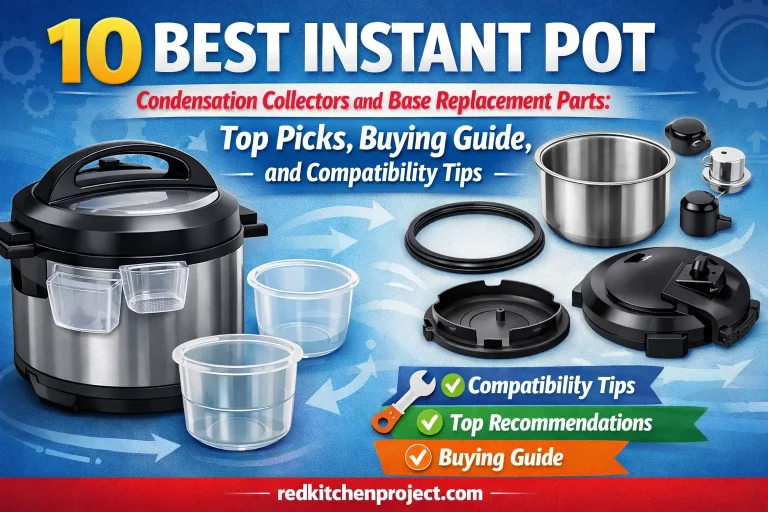
- Condensation collector: A small cup on some models that catches moisture.
Before the first cook, wash the inner pot, lid parts, and accessories. Make sure the sealing ring is seated evenly inside the lid. If the ring is missing, loose, cracked, or stretched, the pot may not seal.
If you are still deciding which size or model fits your kitchen, my guide to Instant Pot model comparison is a useful next step.
How to Use Instant Pot Pressure Cooker Step by Step
The best first step is the water test. It teaches you how pressure builds, how the timer starts, and how steam release works. You do not need food for this.
- Add 2 cups of water to the inner pot.
- Place the inner pot inside the cooker base.
- Close and lock the lid.
- Set the steam release to sealing if your model has a manual valve.
- Press Pressure Cook or Manual.
- Set the cook time to 5 minutes.
- Wait for the pot to heat, seal, and start counting down.
- When it finishes, press Cancel and carefully release the steam.
At first, the screen may say “On” while the pot heats. That is normal. The timer does not count down until the pot reaches pressure. This can take several minutes, especially when the pot is full or the ingredients are cold.
For real food, the basic method is the same. Add your ingredients, add thin liquid such as water, broth, or stock, lock the lid, choose the pressure setting, set the time, and let the cooker do its work.
| Food | Good Starting Liquid | Beginner Release Method |
|---|---|---|
| White rice | Water | Natural release for 10 minutes |
| Soup | Broth or water | Natural release |
| Chicken breast | Broth or water | Natural release for 5 minutes, then quick release |
| Potatoes | Water with trivet | Quick release |
| Beans | Water or broth | Natural release |
If you plan to cook for a family often, a 6-quart model is the size I see most home cooks use comfortably. For more help choosing one, see this guide to 6-quart Instant Pots for families.
Pressure Release: Natural vs Quick Release
This part scares many first-time users, but it gets easy fast. There are two main ways to release pressure.
Natural release means you do nothing after the cook time ends. The pressure drops slowly as the pot cools. This is best for soups, beans, grains, large cuts of meat, and foamy or starchy foods.
Quick release means you open the steam release valve or press the release switch, depending on your model. Steam comes out fast. This is useful for vegetables, potatoes, seafood, and foods that overcook quickly.
The official Instant Pot FAQ gives important safety advice about steam release, overfilling, cleaning, and damaged parts. I like checking the manual for your exact model too, because newer lids may have different release switches.
| Button or Setting | What It Does | When to Use It |
|---|---|---|
| Pressure Cook or Manual | Cooks with high pressure | Rice, beans, meat, soup, stews |
| Sauté | Heats the pot without the lid | Browning meat, onions, garlic, sauces |
| Keep Warm | Holds food warm after cooking | Short waiting time before serving |
| Slow Cook | Cooks low and slow | Recipes made for slow cooking |
| Steam | Uses steam and pressure | Vegetables, eggs, fish, dumplings |
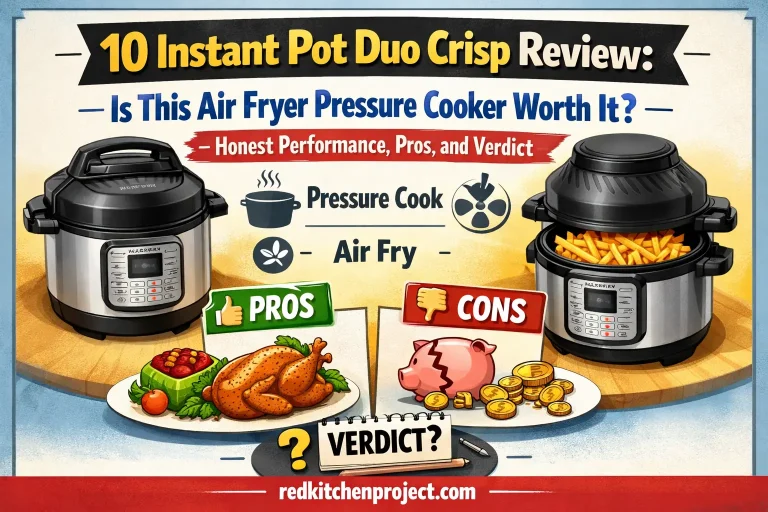
If your model also air fries, roasts, or crisps, treat those as separate functions. You can compare Instant Pot air fryer combo models if you want one appliance that pressure cooks and browns food.
What to Cook First as a Beginner
Start simple. The Instant Pot works best when you learn one basic method before jumping into layered meals. I usually suggest potatoes, rice, hard-cooked eggs, shredded chicken, or soup for a first real cook.
Use thin liquid. Thick sauces can burn on the bottom before the pot reaches pressure. If you want tomato sauce, cream sauce, or barbecue sauce, place it on top of the food instead of stirring it into the bottom, unless the recipe says otherwise.
- Best first meal: Chicken broth soup with vegetables.
- Best side dish: Steamed potatoes or rice.
- Best meal prep: Shredded chicken.
- Best practice food: Water test, then plain potatoes.
- Best food to wait on: Pasta, chili, and thick creamy dishes.
Use a thermometer for meat and poultry. The FoodSafety.gov safe minimum temperature chart is a helpful reference when cooking chicken, beef, pork, leftovers, and casseroles.
A few accessories help, but you do not need to buy everything. A trivet, steamer basket, silicone spoon, and extra sealing ring cover most beginner needs. For steaming vegetables, eggs, and dumplings, a guide to steamer baskets for Instant Pot can help you choose the right style. For stirring and serving without scratching the pot, look at Instant Pot-safe utensils.
Common Mistakes to Avoid
- Forgetting the inner pot: Never pour food or liquid directly into the cooker base.
- Not adding enough liquid: Pressure cooking needs steam, and steam needs liquid.
- Overfilling the pot: Leave room for steam and expansion, especially with beans, rice, and grains.
- Using quick release on foamy foods: Beans, pasta, oatmeal, and soups can spray or sputter.
- Ignoring the sealing ring: A loose or damaged ring can stop the pot from sealing.
- Opening too soon: Wait until the float valve drops before opening the lid.
Expert Tips from Daniel Brooks
Key Takeaways
- Start with the water test before cooking food.
- Use thin liquid so the pot can make steam and reach pressure.
- Choose natural release for soups, beans, grains, and foamy foods.
- Never force the lid open while the float valve is up.
- Clean the lid, sealing ring, and inner pot after each use.
Frequently Asked Questions
Do I need to do the water test before using an Instant Pot?
Yes, I recommend it for every new user. The water test shows you how the lid seals, how the timer starts, and how steam release works without risking dinner.
How much liquid do I need in an Instant Pot pressure cooker?
Most pressure recipes need at least 1 cup of thin liquid, but the exact amount depends on your model and recipe. Use water, broth, or stock rather than thick sauce for the liquid that creates steam.
Why does my Instant Pot say On and not count down?
The pot says On while it heats and builds pressure. The timer starts only after the cooker reaches pressure and the float valve rises.
Can I open the Instant Pot while it is under pressure?
No. Wait until the pressure has fully released and the float valve has dropped. If the lid feels stuck, do not force it open.
Should I use natural release or quick release?
Use natural release for soups, beans, grains, and thick or foamy foods. Use quick release for foods that overcook fast, like vegetables, potatoes, and seafood.
Can I cook frozen meat in an Instant Pot?
Yes, many frozen meats can cook in an Instant Pot, but they need enough liquid and extra time to come to pressure. Always check the final internal temperature with a food thermometer.
Conclusion
Learning how to use an Instant Pot pressure cooker is mostly about slowing down for the first few cooks. Once you understand the lid, sealing ring, liquid, timer, and pressure release, the machine feels much less intimidating.
Start with the water test, then cook something simple. Potatoes, rice, soup, or shredded chicken will teach you more than a complicated recipe with ten steps.
My best advice is simple: respect the steam, do not overfill the pot, and keep notes as you learn. After a few tries, the Instant Pot can become one of the easiest tools in your kitchen for fast, warm, home-cooked meals.