How Does Instant Pot Work? A Simple Guide for Home Cooks

If you have ever stood in front of your Instant Pot and wondered, “How does Instant Pot work, really?” you are not alone. I remember my first time using one. The buttons looked simple, but the idea of pressure, steam, sealing, and releasing made it feel more serious than a normal pot on the stove.
The good news is that an Instant Pot is not hard to understand once you know what is happening inside. It uses heat, liquid, steam, and a sealed lid to cook food faster than regular simmering or braising.
In this guide, I’ll walk you through how it works, what the main parts do, why pressure release matters, and the mistakes I see home cooks make most often.
Quick Answer
An Instant Pot works by heating liquid inside a sealed pot until it creates steam. Because the lid is locked and sealed, that steam builds pressure. The higher pressure raises the cooking temperature above normal boiling, so food cooks faster and often turns tender more quickly. After cooking, the pressure must be released safely before the lid can open.
How Does Instant Pot Work Step by Step?
The Instant Pot is an electric pressure cooker. That means it does the heating, timing, pressure control, and temperature control for you. You add food and liquid, lock the lid, choose a cooking program, and let the machine manage the rest.
Here’s the basic process in plain English:
- You add food and enough liquid to the inner pot.
- The heating element warms the pot from below.
- The liquid turns into steam.
- The sealed lid traps the steam inside.
- Pressure builds until the float valve rises and locks the lid.
- The Instant Pot starts the cooking countdown once pressure is reached.
- After cooking, pressure is released naturally or quickly.
That is why a recipe that says “cook for 10 minutes” may still take 25 minutes total. The pot needs time to come to pressure before the timer starts. Then it may need time to release pressure after cooking.
| Stage | What You See | What Is Happening Inside |
|---|---|---|
| Preheating | The display may say On or show progress. | The pot heats the liquid and starts making steam. |
| Pressurizing | Steam may escape briefly, then the float valve rises. | Steam is trapped, pressure builds, and the lid locks. |
| Cooking | The countdown timer begins. | The pot holds pressure and cooks the food. |
| Pressure release | Steam comes out, or the pot slowly cools. | Pressure drops until the lid is safe to open. |
The Main Parts That Make Pressure Cooking Work
You do not need to memorize every part of your Instant Pot. But it helps to know the pieces that matter most when cooking.
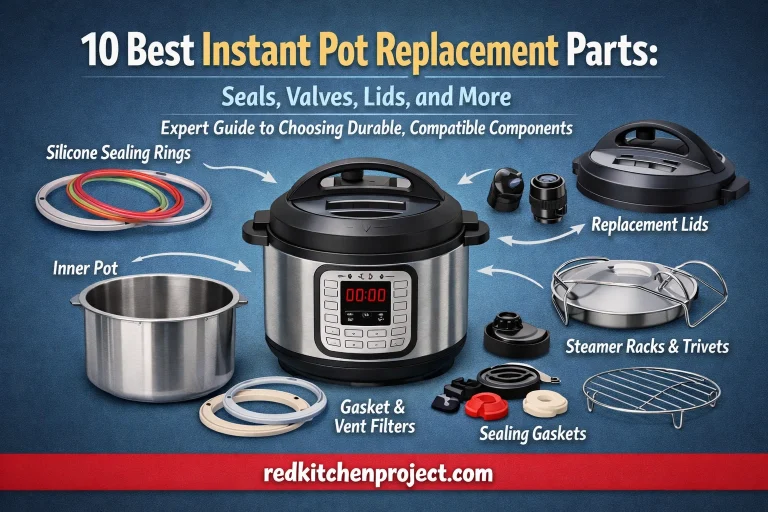
- Inner pot: This is the removable stainless steel pot where food and liquid go.
- Heating element: This sits in the base and heats the inner pot.
- Sealing ring: This silicone ring helps seal the lid so pressure can build.
- Float valve: This small pin rises when the pot is pressurized.
- Steam release valve: This lets steam out when it is time to release pressure.
- Control panel: This lets you choose cooking time, pressure level, and programs.
The sealing ring and valves are especially important. If the ring is not seated correctly, steam can leak out and the pot may never pressurize. If the steam release valve is not set correctly, you may see steam escaping the whole time.
Since models can vary, I like to check the Instant Pot manual for your model when I’m unsure about a button, valve, or lid setting.
Why Pressure Cooks Food Faster
In a regular pot, water boils at about 212°F at sea level. Once water boils, it turns to steam and escapes into the air. In an Instant Pot, the steam cannot escape freely because the lid is sealed.
That trapped steam raises the pressure inside the pot. Higher pressure lets the temperature rise above normal boiling. That hotter, moist cooking environment is the main reason food cooks faster.
This works well for foods that need moisture and time, such as:
- Beans and lentils
- Rice and grains
- Chicken thighs
- Pot roast and stew meat
- Soups and broths
- Hard-cooked eggs
It is not perfect for every food. Crispy foods, delicate fish, quick-cooking vegetables, and creamy dairy sauces can be tricky. The Instant Pot is best when steam and moisture help the food, not when dry heat or crisp texture is the goal.
For food safety, I still use a thermometer for meat and poultry. Pressure cooking helps cook food quickly, but safe doneness still matters. The FoodSafety.gov basic food safety steps are a useful reminder to cook foods to the right temperature.
Natural Release vs Quick Release
Once cooking ends, the Instant Pot is still hot and pressurized. You need to release that pressure before opening the lid. Most recipes will tell you which method to use.
| Release Method | How It Works | Best For |
|---|---|---|
| Natural release | You leave the pot alone and let pressure drop slowly. | Meat, beans, soups, stews, and foamy foods. |
| Quick release | You open the steam release valve to let steam out fast. | Vegetables, eggs, and foods that can overcook quickly. |
| Timed natural release | You wait a set time, then quick release the rest. | Rice, chicken, and many everyday recipes. |
Natural release keeps cooking the food gently as pressure drops. This is great for tough meat because it helps the meat stay tender. Quick release stops cooking faster, which is helpful for broccoli, eggs, and other foods where a few extra minutes can change the texture.
What the Instant Pot Buttons Actually Do
The buttons can make the Instant Pot feel more confusing than it needs to be. Most buttons are just preset programs. They set a suggested time, pressure level, or heat pattern for that type of food.
The most useful button for beginners is often Pressure Cook or Manual, depending on the model. That lets you choose the cooking time yourself. Once you understand that, the other buttons become less scary.
Here’s how I think about the common settings:
- Pressure Cook: Best for most recipes that use pressure.
- Sauté: Browns onions, garlic, meat, or spices before pressure cooking.
- Slow Cook: Works more like a slow cooker, but results may vary by model.
- Steam: Good for vegetables, eggs, and foods on a rack.
- Keep Warm: Holds cooked food warm after cooking, but should not replace safe food handling.
One thing I do not use the Instant Pot for is pressure canning low-acid foods. A pressure cooker is not the same as a tested pressure canner. For canning safety, follow the National Center for Home Food Preservation guidance on canning in pressure cookers.
Common Mistakes to Avoid
- Not adding enough liquid: The pot needs liquid to make steam and build pressure.
- Overfilling the inner pot: Too much food can block steam flow and cause messy release.
- Forgetting the sealing ring: Without it, pressure usually will not build.
- Using quick release for foamy foods: Beans, pasta, and thick soups can sputter through the valve.
- Counting only the cook time: Preheating and release time are part of the real cooking time.
- Forcing the lid: If the lid does not open easily, pressure may still be inside.
Expert Tips from Daniel Brooks
Key Takeaways
- An Instant Pot uses sealed steam pressure to cook food faster.
- The cook timer starts after the pot reaches pressure, not when you press Start.
- Liquid is required because steam is what creates pressure.
- Natural release and quick release give different results.
- The Instant Pot is best for moist foods like beans, rice, soups, stews, and tender meats.
Frequently Asked Questions
Does an Instant Pot cook food instantly?
No, an Instant Pot does not cook food instantly. It still needs time to heat up, build pressure, cook, and release pressure. It is faster for many foods, but the full time is longer than the number shown on the cooking timer.
Why does my Instant Pot say On instead of counting down?
When the display says On, the pot is usually preheating and building pressure. The countdown starts after enough steam pressure has built inside. Large amounts of food, cold ingredients, or frozen food can make this stage take longer.
How much liquid does an Instant Pot need to work?
Most Instant Pot recipes need at least some thin liquid, such as water, broth, or juice, so steam can form. Many recipes use about 1 cup, but the exact amount depends on the model and food. Thick sauces alone may not create enough steam.
What happens if an Instant Pot does not seal?
If the Instant Pot does not seal, steam keeps escaping and pressure may not build. Check the sealing ring, steam release valve, float valve, and inner pot position. Also make sure there is enough liquid inside.
Is natural release better than quick release?
Natural release is better for meats, beans, soups, and foamy foods because pressure drops slowly. Quick release is better for foods that overcook fast, like vegetables and eggs. The best choice depends on the recipe.
Can I open the Instant Pot while it is cooking?
You cannot open the lid while the pot is under pressure. The lid locks as pressure builds. Wait until pressure is fully released and the float valve drops before opening the lid.
Can an Instant Pot replace a slow cooker?
An Instant Pot can slow cook, but it does not always behave exactly like a traditional slow cooker. It shines most as a pressure cooker. For many home cooks, it can replace some slow cooker meals, especially soups, stews, beans, and shredded meat.
Conclusion
Once you understand the basics, the Instant Pot becomes much less mysterious. It heats liquid, traps steam, builds pressure, and cooks food in a hotter moist environment. That is the simple idea behind the whole machine.
My best advice is to start with easy foods like rice, soup, eggs, or shredded chicken. Learn how your model seals, how long it takes to pressurize, and which release method gives you the texture you like.
After a few uses, the buttons and valves stop feeling confusing. You start to see the Instant Pot as what it really is: a helpful kitchen tool for faster, easier home cooking.