
What Is An Air Fryer: Complete Guide And Benefits

An air fryer is a countertop appliance that crisps food using hot air and little to no oil.
I’ve tested dozens of kitchen gadgets over the past decade, so I can explain clearly what is an air fryer and why it matters. This guide breaks down how air fryers work, what they cook best, health and safety trade-offs, buying tips, and real-life tips from my hands-on experience. Read on to learn practical advice and decide if an air fryer fits your kitchen and lifestyle.
:max_bytes(150000):strip_icc()/sea-air-fryers-test-instant-vortex-plus-6qt-xl-rkilgore-0657-d7e79e3f89394712be2e0bb78d9c7f9d.jpeg)
How an air fryer works
An air fryer is a compact oven that uses a powerful fan to circulate hot air. This rapid air flow creates a crispy outer layer on food, similar to frying. The appliance typically has a heating element above a perforated basket. Hot air moves around the food to brown it quickly.
The technology combines convection cooking with a small cooking chamber. Because the basket exposes more surface area to the heat, foods crisp faster than in a full-size oven. Many models include presets, timers, and temperature controls to simplify use.
What is an air fryer doing compared to traditional frying? It reduces the need for large amounts of oil while still producing crunch. This is why people often buy an air fryer to make fries, wings, and roasted vegetables with less fat.

Benefits of using an air fryer
Using an air fryer can simplify meals and cut calories in many recipes. Here are the main advantages I’ve seen in real use.
- Healthier cooking with less oil while keeping texture and flavor.
- Faster cooking times for small to medium batches.
- Easier cleanup thanks to nonstick baskets and dishwasher-safe parts.
- Safe use: no large vats of hot oil, reducing splash and fire risk.
- Versatility: roast, bake, reheat, and even dehydrate on some models.
From personal testing, air fryers are excellent for weeknight dinners. I can get crispy chicken or vegetables in under 25 minutes. Studies and manufacturer specs suggest oil use can be reduced by 70–80% for many recipes, though exact numbers vary by food and method.

Limitations and safety considerations
No appliance is perfect. Here are clear limits and safe practices for what is an air fryer.
- Smaller capacity than ovens — not ideal for large families or whole roasts.
- Results can be uneven if you overcrowd the basket.
- Some foods need light oil or coating to brown correctly.
- The high heat can produce acrylamide in starchy foods if overcooked.
- Strong-smelling foods can cause lingering odors in the kitchen.
For safety, always let the unit cool before cleaning. Use oven mitts when removing hot baskets. Follow manufacturer instructions for placement and ventilation. I once learned the hard way that stacking frozen items blocks airflow and leads to soggy results.

What you can cook in an air fryer
Air fryers cook a wide range of foods. They are not limited to frozen items.
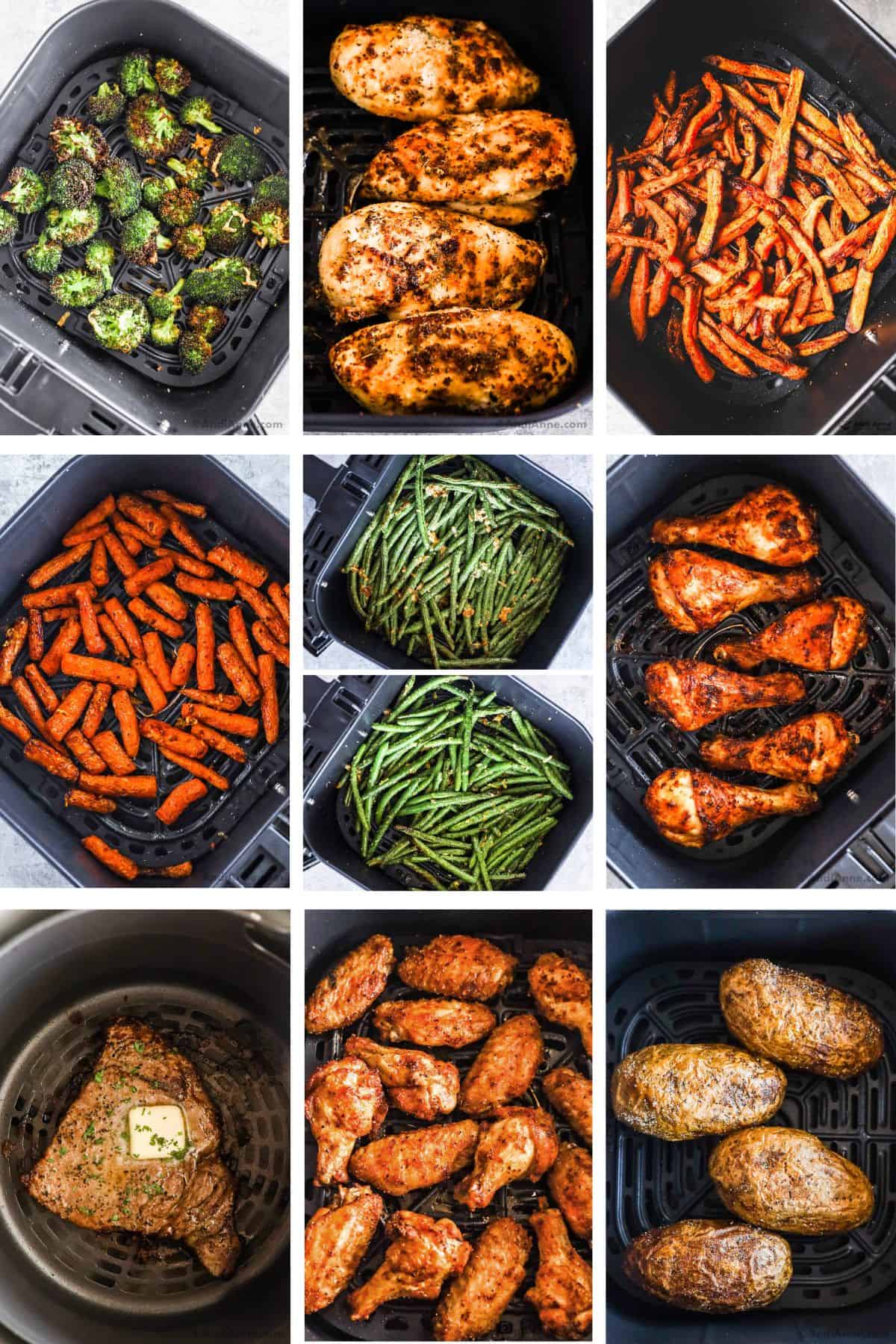
- Frozen fries and nuggets — faster and crispier than oven baking.
- Fresh vegetables — toss with a small amount of oil for best browning.
- Chicken wings, drumsticks, and tenders — great crisp without deep frying.
- Fish fillets and shrimp — quick, moist, and lightly crisped.
- Small baked goods — muffins, cookies, and reheated pastries.
- Reheating leftovers — better texture than microwave for many foods.
When trying a new recipe, reduce recommended oven temperature by 25°F and shorten time by 20%. Shake or flip food halfway for even results. In my tests, breaded foods become crisp in under 12 minutes, while thicker proteins need more time and occasional flipping.

How to choose the right air fryer
Choosing a model depends on kitchen size, family needs, and cooking habits. Keep these factors in mind when asking what is an air fryer for your home.
- Capacity — choose 3–6 quart for 1–3 people, 6–8+ quart for families.
- Wattage — higher wattage heats faster but needs good outlet support.
- Controls — simple dials are easy; digital presets offer convenience.
- Cleanability — look for dishwasher-safe baskets and nonstick coatings.
- Accessories — baking pans, racks, and skewers increase versatility.
I recommend checking real user reviews and testing simple recipes at home before committing. If you often cook for guests, consider a larger model or two smaller units.

Tips, maintenance, and mistakes to avoid (personal experience)
I’ve used air fryers for years. These tips come from trial and error.
- Preheat for 3–5 minutes for better texture.
- Don’t overcrowd the basket. Cook in batches for even browning.
- Lightly spray oil using an oil mister for even coverage.
- Shake or flip halfway through cooking.
- Clean the heating element and fan area periodically to avoid smoke.
- Replace nonstick baskets when coating deteriorates.
Common mistakes I made early on included setting times by oven habits and piling food into the basket. Once I adjusted times and spacing, results improved dramatically.

Air fryer vs oven vs deep fryer
Comparing appliances helps answer practical parts of what is an air fryer.
- Air fryer vs oven
- Air fryer cooks faster for small batches and gives a crispier finish.
- Oven is better for large roasts and multiple dishes at once.
- Air fryer vs deep fryer
- Deep fryer gives classic, oil-rich crispiness that air fryers approximate.
- Air fryer is healthier, safer, and easier to clean.
Choose based on your priorities: speed and convenience (air fryer), large-scale cooking (oven), or authentic deep-fried taste (deep fryer).
PAA-style quick questions
Can an air fryer replace an oven?
An air fryer can replace an oven for small meals and quick roasts, but it cannot match an oven’s capacity for large dishes.
Is air fryer food healthier than fried food?
Air fryer food generally uses far less oil, reducing calories and fat. Nutrient retention depends on food and cooking time.
Do I need oil in an air fryer?
Small amounts of oil help with browning and flavor. Many foods crisp with little to no oil if cooked correctly.
Frequently Asked Questions of what is an air fryer
What is the main difference between an air fryer and a convection oven?
An air fryer is a compact convection oven with a high-speed fan and a small chamber, which creates faster and more direct browning.
Can I cook frozen foods directly in an air fryer?
Yes. Many frozen items cook well from frozen and become crispier than in a conventional oven.
How much oil does an air fryer use compared to deep frying?
An air fryer typically uses 70–90% less oil than deep frying, depending on the recipe and technique.
Are air fryers safe to leave unattended?
Like any cooking appliance, avoid leaving them unattended for long periods. They are safer than open oil fryers but still require caution.
How do I clean my air fryer to prevent smells?
Wash the basket and tray after each use and wipe the interior. Run a short bake cycle with lemon slices or baking soda to remove odors if needed.
Conclusion
Understanding what is an air fryer helps you decide if it fits your kitchen and cooking style. It offers fast, crisp results with less oil and easy cleanup, but it has size limits and some foods still fry better in oil. Try a mid-size model if you cook for two to four people, and follow simple tips like preheating and not overcrowding. If you enjoyed this guide, try a few air fryer recipes, subscribe for more appliance tips, or leave a comment about your favorite air fryer meal.
