How Air Fryers Work: The Science Behind Crispy Food

Air fryers cook by blowing very hot air around food to brown and crisp the outside.
I’ve studied kitchen tech and tested dozens of models, so I know how air fryers work. This article explains the parts, the science, the pros and cons, and practical tips you can use today. Read on for clear steps, real tips from my tests, and simple fixes when things go wrong.
How air fryers work
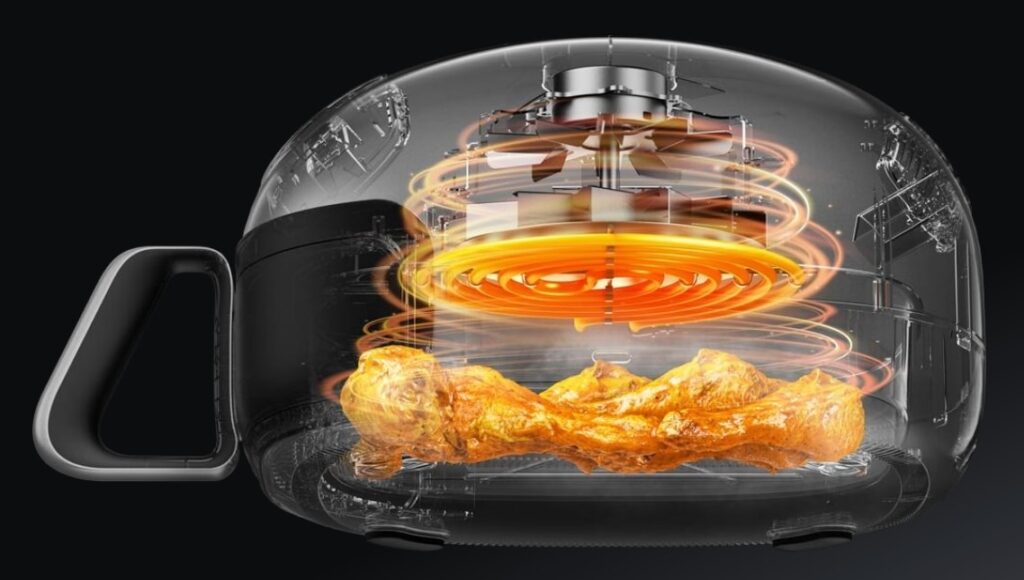
An air fryer is a compact convection oven. A heating element warms the air. A powerful fan pushes hot air around the food fast. This fast, even flow removes moisture from the outer layer. The result is a crisp crust that looks and feels like fried food.
Airflow speed and hot surfaces trigger browning. The device keeps heat steady in a small chamber. That makes cooking faster than many home ovens. Knowing how air fryers work helps you pick settings and avoid soggy food.
Key components and what they do
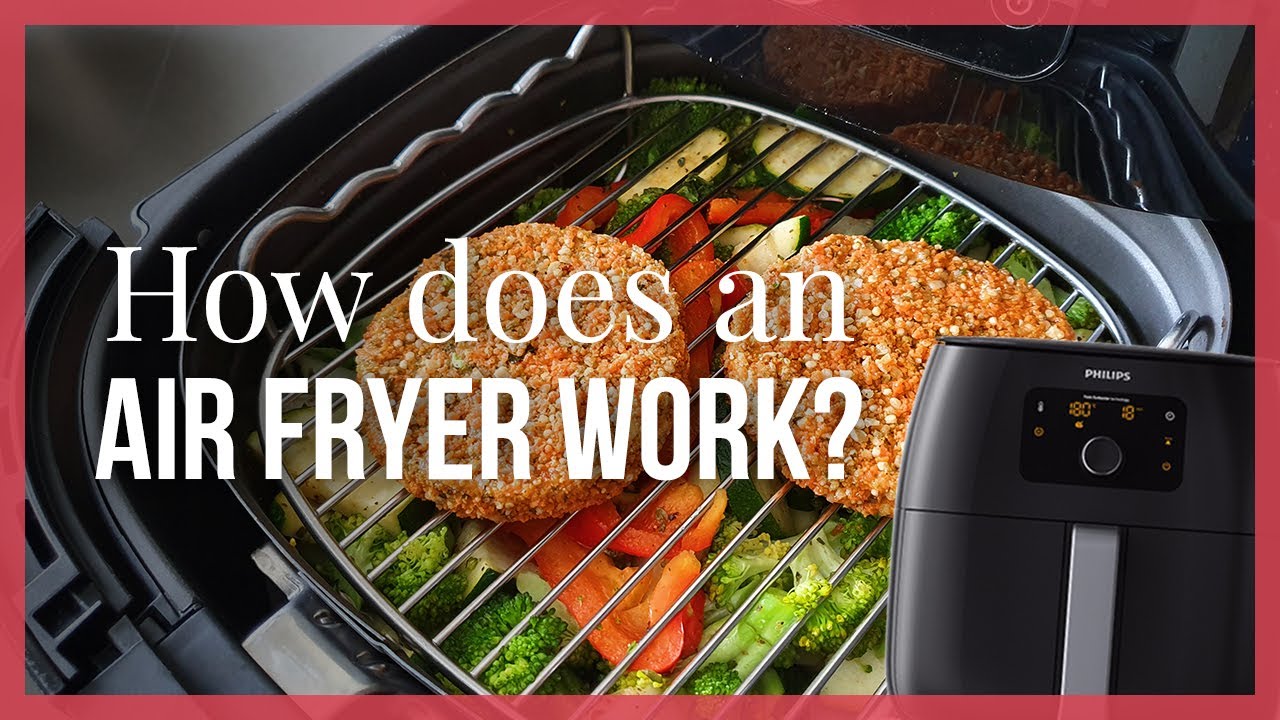
- Heating element — Creates the heat needed to cook and brown food quickly.
- Fan — Forces hot air to move rapidly around the basket or tray.
- Cooking basket or tray — Holds food and lets air reach all sides for even crisping.
- Airflow vents and chamber — Guide and concentrate the air flow to improve efficiency.
- Controls and sensors — Let you set time and temperature and sometimes monitor safety.
Together these parts explain how air fryers work: heat plus fast air in a small space equals crisp food.

The cooking science behind crispiness
Air frying uses convection science to mimic deep frying without oil. Rapid hot air removes surface moisture. That drying lets the Maillard reaction happen, which makes brown, savory flavors. A light coating of oil helps heat transfer and improves color.
Temperature matters. Most air fryers run between 300°F and 400°F. High heat speeds browning but can dry food too fast. Small pieces cook faster because air reaches more surface area. Understanding this helps you adjust time and temp for best results.

Benefits of air fryers
- Healthier cooking — You can use much less oil while keeping crisp texture.
- Faster cooking — Small chamber and strong airflow reduce cook time.
- Easy cleanup — Many baskets are nonstick and dishwasher safe.
- Versatility — Roast, bake, reheat, and crisp, not just “fry.”
- Energy efficient — They often use less energy than a full-sized oven for small meals.
Knowing how air fryers work shows why they deliver these benefits. They focus heat and air where you need it.
Limitations, myths, and safety tips
- Capacity — Most models have small baskets, so batch cooking is common.
- Not identical to deep frying — Texture and mouthfeel differ because air replaces oil.
- Overcrowding reduces crispness — Air must circulate around each piece for best results.
- Smoke and splatter — High-fat foods can cause smoke; use a high smoke point oil and clean the basket often.
- Electrical safety — Place the unit on a heat-safe surface and avoid blocking vents.
Be honest about limits. My tests showed crowded baskets produce uneven results. That taught me to space items or cook in batches.

Practical tips, best practices, and personal experience
- Preheat briefly for crispier results. I preheat for 3 minutes on 375°F for fries.
- Lightly coat food with oil for better browning. One teaspoon per pound works for many items.
- Shake or flip halfway through cooking for even color. I set a timer to remind me.
- Use a small rack or skewers to cook larger pieces evenly. I often elevate wings for crisp skin.
- Avoid thin foil that blocks airflow; use perforated liners or small pieces sparingly.
From years of testing, I learned to trust time and temp guides but adjust by watching the first batch. Small changes in size and moisture make a big difference.
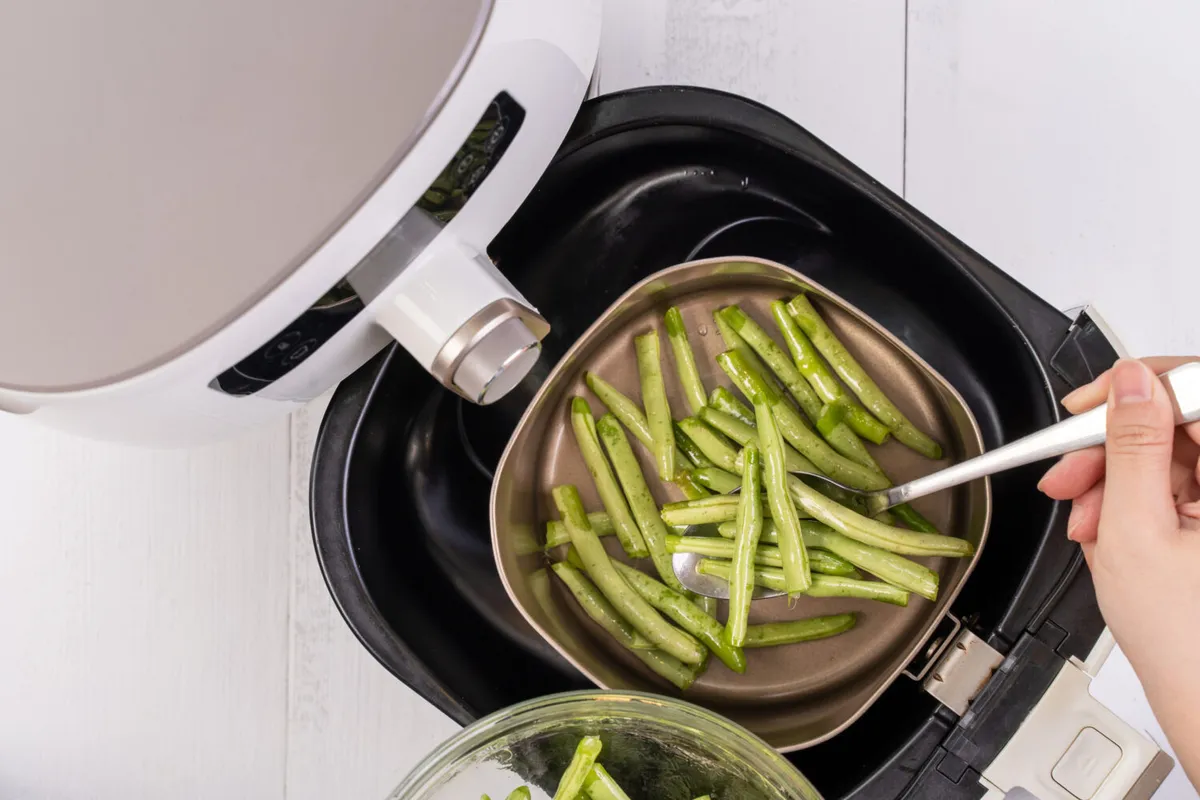
Frequently Asked Questions of how air fryers work
How is an air fryer different from a convection oven?
Air fryers are smaller boxes that use a stronger fan and higher airflow speed. They heat up faster and often cook faster than larger convection ovens.
Do air fryers really fry without oil?
Air fryers do not deep fry. They use hot air to crisp food. A small amount of oil can help brown and improve texture.
Can I bake or roast in an air fryer?
Yes. You can bake small cakes, roast vegetables, and even reheat pizza. Adjust time and temperature and check early to avoid over-browning.
How much oil should I use in an air fryer?
Use a light spray or about one teaspoon per pound for many recipes. Too much oil can cause smoke and sogginess.
Are air fryers safe to use?
Yes, when used per the manual. Keep vents clear, use a heat-safe surface, and clean grease buildup to reduce smoke risk.
Conclusion
Air fryers work by combining concentrated heat with fast-moving air in a small chamber. That combo dries and browns food quickly, giving a fried-like crisp without a fry vat. Use short preheats, light oil, and single layers for best results. Try a simple recipe tonight and tweak time or space for your favorite texture.
Ready to cook smarter? Test one technique this week, share what you try, or leave a question below to learn more.