
Air Fryer Cooking Guide: Easy Tips, Recipes & Tricks

Air fryer cooking guide: crisp, fast, and healthier meals with little oil or fuss.
I’ve cooked with air fryers for years and tested many models and recipes. This air fryer cooking guide shares clear rules, smart tips, and simple recipes you can use today. Read on to learn how an air fryer works, what it excels at, what to avoid, and practical steps to make great meals every time.
How an air fryer works
An air fryer is a compact countertop oven that cooks by circulating hot air. Fans push hot air around food to create a crispy outside without deep frying. The method mimics convection cooking but is faster and uses less oil.
Air fryer cooking guide basics include understanding airflow, temperature control, and basket placement. These three elements together control how crisp or tender your food turns out. Knowing the mechanics helps you adapt recipes from traditional ovens and fryers.
Benefits of using an air fryer
Using this air fryer cooking guide will help you see why the tool is popular. Key benefits include:
- Faster cook times than a conventional oven, saving time on weeknights.
- Crisp texture with up to 80% less oil than deep frying for many dishes.
- Easy cleanup: most baskets and trays are dishwasher safe or wipe clean.
- Energy efficient for small meals compared with heating a full oven.
- Versatile: you can roast, bake, reheat, and even dehydrate in many models.
- Safer than deep frying: no large oil vat and less splatter risk.
Limitations and when not to use an air fryer
An air fryer cooking guide should be honest about limits. It is not always the best tool.
- Large batches can be tricky; you may need to cook in batches for family meals.
- Very wet batters do not set well and can drip through the basket.
- Some textures, like silky custards, are better in an oven or steam method.
- Not all models reach the same top heat or have uniform airflow, so results vary.

Essential air fryer cooking guide: temperatures and timing rules
Follow these simple rules for consistent results:
- Preheat for 2 to 5 minutes unless your model doesn’t require it.
- Shake or flip food halfway for even browning.
- Use a light coating of oil for best crisping, unless the recipe says otherwise.
- Reduce oven recipe temperatures by 15 to 20 degrees F and shorten time by about 20% as a starting point.
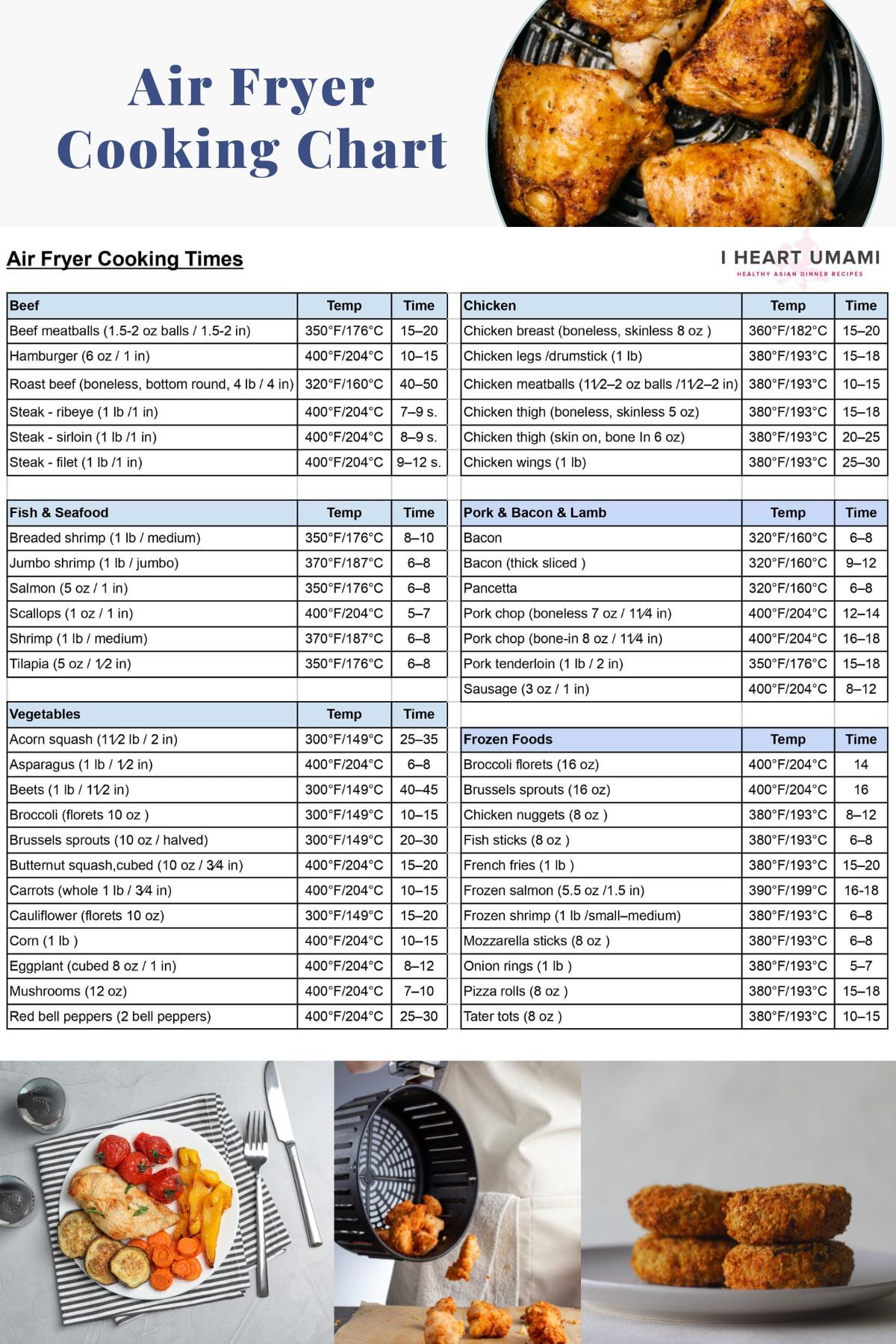
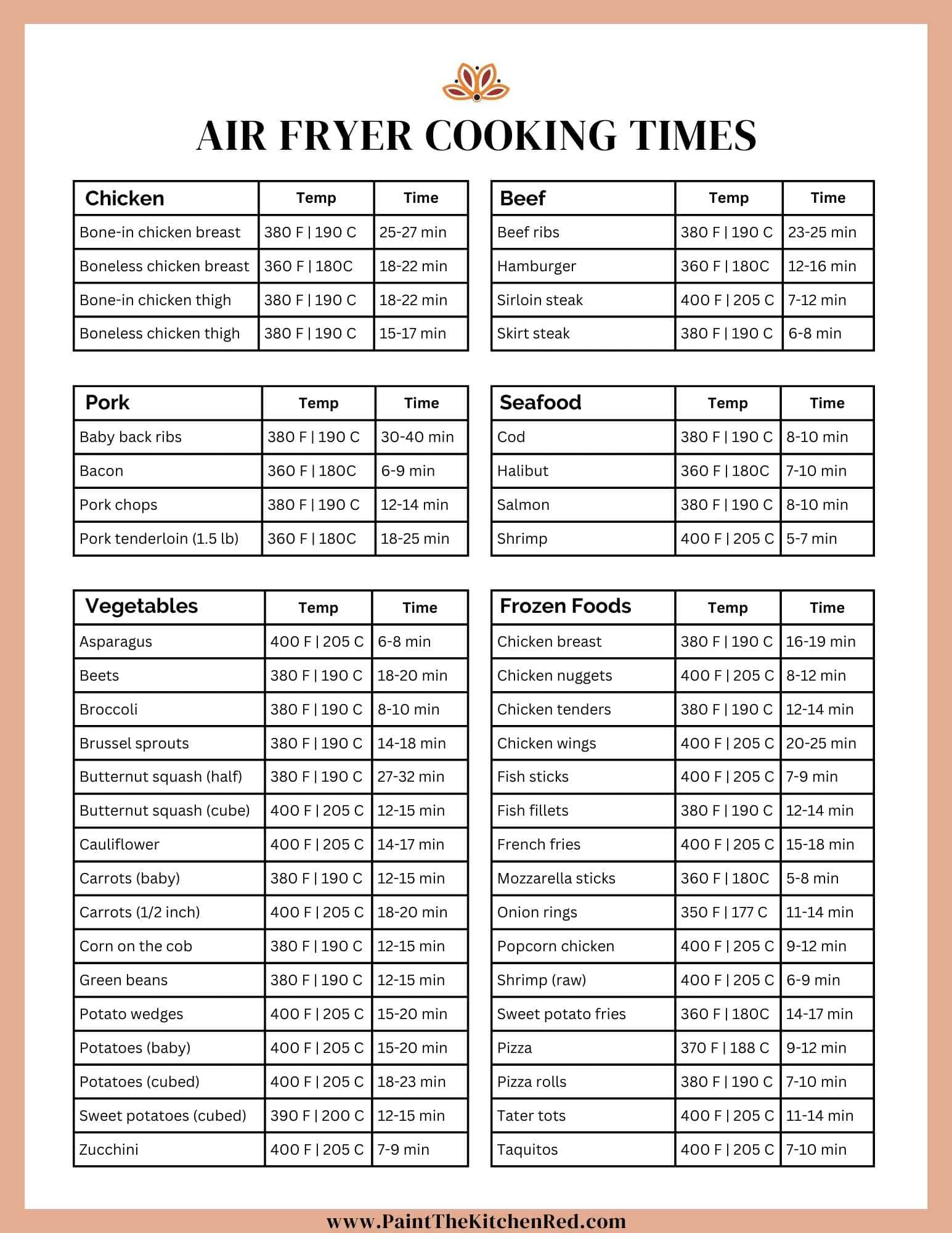
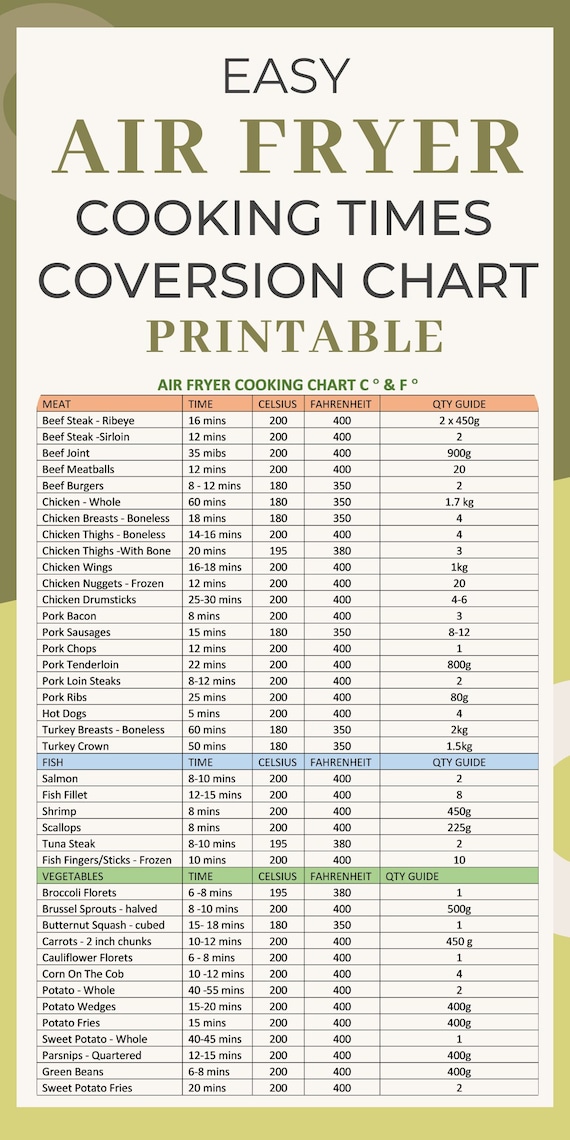
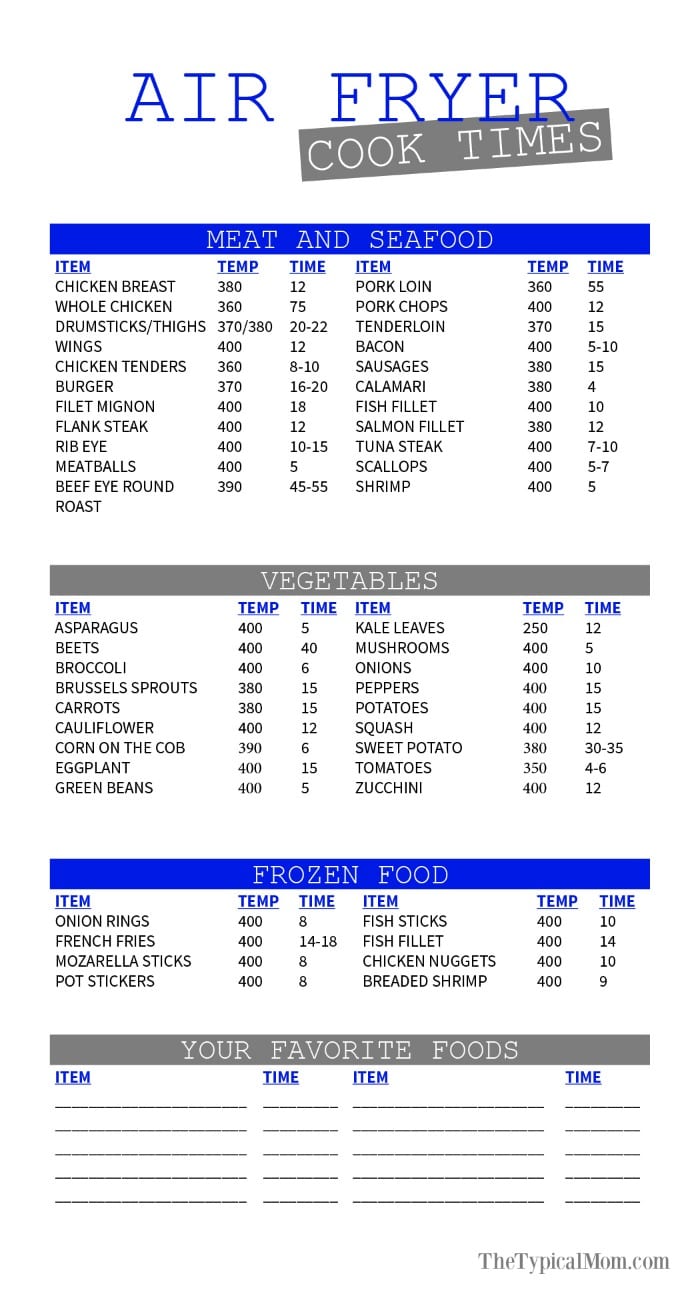
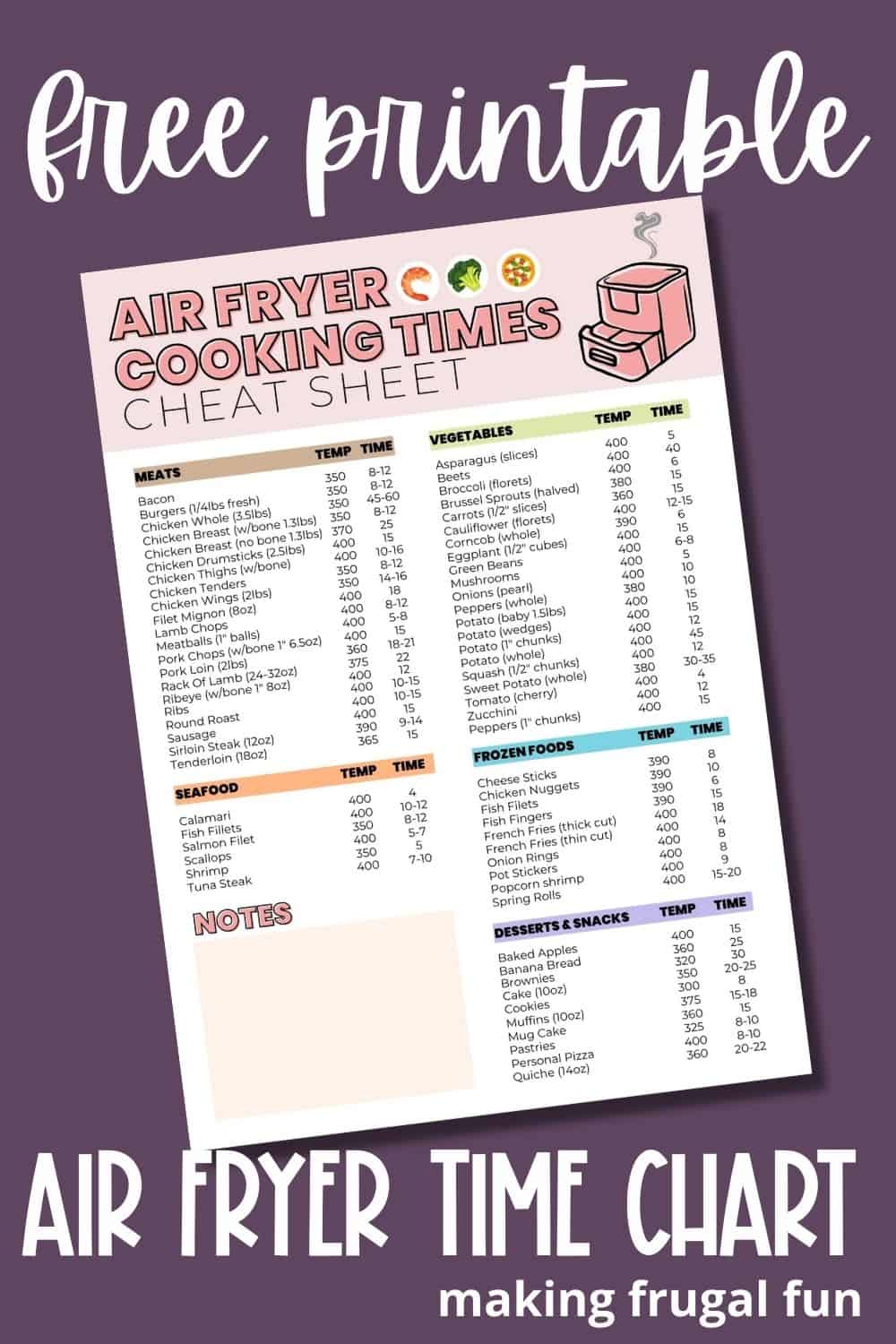
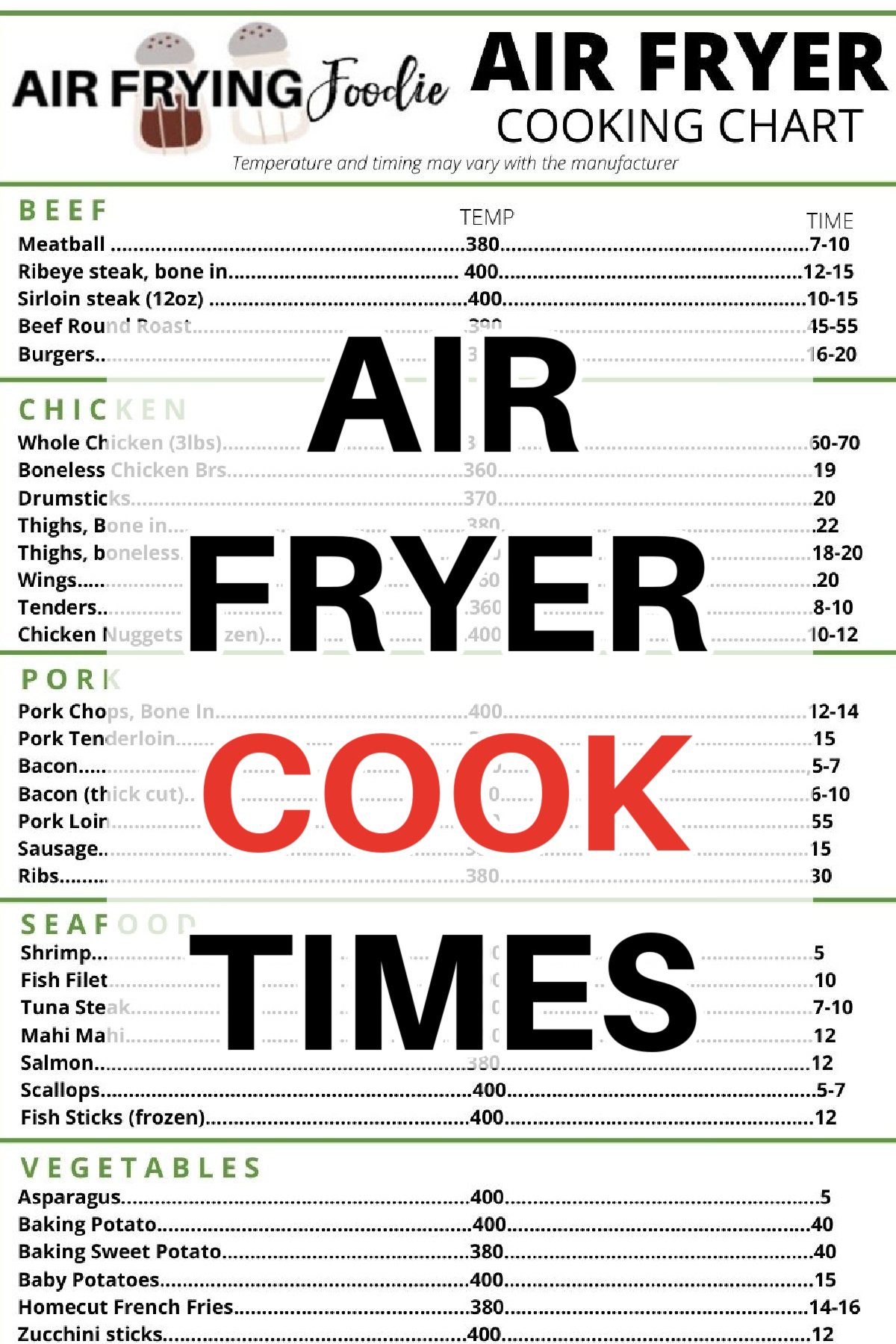
Common foods and starting temperature/time (adjust by model and size):
- Frozen French fries: 400°F for 10 to 15 minutes.
- Chicken breast (boneless): 375°F for 12 to 16 minutes.
- Vegetables (broccoli, carrots): 375°F for 8 to 12 minutes.
- Fish fillets: 370°F for 8 to 10 minutes.
- Shrimp: 360°F for 6 to 8 minutes.
- Small baked goods (muffins, cookies): 320°F for 8 to 12 minutes.
People also ask (short answers):
What temp for frozen foods? Start at 400°F; check at the halfway mark.
Do I need to preheat? Most recipes benefit from 2–5 minutes of preheat.
How full can I load the basket? Keep a single layer or slight overlap for best circulation.
This air fryer cooking guide uses these temperature rules as a baseline. Always check internal temps for meat: 165°F for poultry and 145°F for most fish.
Tips and tricks for best results
I learned these tips from years of testing and recipe tweaking. They cut mistakes and improve texture.
- Pat food dry before seasoning to help browning.
- Lightly spray oil on food, not the basket, to prevent smoking.
- Use tongs to flip or shake to keep food intact.
- Don’t overcrowd; give space for hot air to move.
- For breaded foods, use a coarse crumb and a small spray of oil for crispness.
- Use foil or parchment only with vents open and not covering the whole basket.
- Rotate or switch rack positions in multi-level models for even cooking.
- Use an instant-read thermometer for protein to avoid under- or overcooking.
Personal note: I once overloaded the basket with wings and got soggy results. After switching to two small batches and a light oil mist, the wings came out perfectly crisp every time. That taught me that circulation beats higher temp alone.
Cleaning and maintenance
Keeping your air fryer clean improves flavor and extends its life. Clean soon after it cools.
- Unplug and cool the unit before cleaning.
- Remove basket and tray. Wash with warm soapy water or place in the dishwasher if safe.
- Wipe the interior with a damp cloth to remove grease.
- Clean the heating element gently with a soft brush if crumbs gather.
- Check gasket and vents monthly for buildup and clear if needed.
Safety and troubleshooting
Air fryers are safe when used properly. Watch for these common issues and fixes.
- Smoking: often from excess oil or drip tray grease. Clean and reduce oil.
- Uneven cooking: shake food mid-cycle and avoid overcrowding.
- Food sticking: preheat and lightly oil food, not the basket.
- Burning smell: check for trapped food on the heating element and clean thoroughly.
- Electrical issues: ensure outlet matches wattage and avoid extension cords.
Simple starter recipes from this air fryer cooking guide
Try these easy recipes to build confidence.
Crispy frozen fries
- Preheat to 400°F. Place fries in a single layer. Spray lightly with oil.
- Cook 10 minutes, shake, then cook 3 to 5 more minutes until golden. Serve hot.
Quick air fryer chicken breast
- Pat chicken dry. Season or marinate for 15 minutes. Preheat to 375°F.
- Cook 12 to 16 minutes, flip at 8 minutes, until internal temp reaches 165°F. Rest 5 minutes.
Roasted vegetables
- Toss chopped vegetables with a teaspoon of oil and seasoning.
- Air fry at 375°F for 8 to 12 minutes, shaking once. Finish with lemon or herbs.
These recipes follow the practical rules in this air fryer cooking guide. Adjust time for thickness and model differences.

Buying and choosing the right air fryer
Choosing a model is easier if you match features to your habits.
- Capacity: choose 2–4 quarts for singles, 5–6 quarts for families, larger for heavy use.
- Power: higher wattage heats faster but check your outlets.
- Type: basket style is compact; oven-style offers more space and racks.
- Controls: simple dials work; digital presets add convenience.
- Extras: rotisserie spit, dehydration, or dual-drawer options can add value if you’ll use them.
Think about counter space, noise level, and ease of cleaning. Read reviews and test recipes to see how a model performs with your favorite foods.
People Also Ask — quick, helpful answers
What is the best oil for air frying? Use oils with high smoke points like avocado, canola, or light olive oil. Use small amounts.
Can I reheat pizza in an air fryer? Yes. Reheat at 350°F for 3 to 5 minutes for a crisp crust and warm toppings.
Will an air fryer reduce calories? It can lower oil usage compared to deep frying, which often reduces calories from oil. Total calories still depend on portion and ingredients.
How to make foods extra crispy? Dry surfaces, add a light oil mist, and avoid crowding the basket.
Is an air fryer healthier than baking? It often uses less oil than frying and can match baking for health depending on recipe choices.
Frequently Asked Questions of air fryer cooking guide
How much oil do I need for air frying?
Use a light coating or 1 to 2 teaspoons for many recipes. A small spray or brush delivers crisp results without excess fat.
Can I use aluminum foil or parchment?
Yes, if you leave vents open and secure foil to avoid blocking airflow. Use perforated parchment or poke holes in foil for best results.
Does air frying save energy?
For small meals, air fryers generally use less energy than heating a large oven. They heat fast and cook quickly, saving time and power.
How do I convert oven recipes to an air fryer?
Lower temperature by 15 to 20 degrees F and cut time by about 20%. Check food early and adjust as needed.
Are air fryers safe for nonstick coatings?
Most baskets are safe but avoid metal utensils that scratch. Replace baskets if the nonstick surface peels or flakes.
Can I bake cakes in an air fryer?
Yes, you can bake small cakes or cupcakes at slightly lower temps and shorter times. Use suitable pans and check doneness with a toothpick.
How do I avoid soggy results?
Cook in a single layer, dry foods before cooking, and shake or flip midway. Spray lightly with oil for extra crisping.
Conclusion
This air fryer cooking guide gives you the core knowledge to cook smarter and faster. Use the simple temperature rules, avoid overcrowding, and apply the quick tips to get consistent results. Try the starter recipes and tweak times for your model. Explore more recipes, subscribe for updates, or leave a comment with your air fryer wins or questions.
