Air Fryer Beginner Tips: Easy Tricks For Crispy Results

Start simple: preheat, don't overcrowd, use light oil, and check temps for crisp results.
I’ve tested dozens of recipes and models, and this guide on air fryer beginner tips brings practical steps, safety rules, and real-life tricks so you can cook faster and eat better. You’ll find clear advice, easy recipes, troubleshooting, and common mistakes to avoid. Read on to build confidence and make your air fryer a go-to appliance.

How an air fryer works
An air fryer cooks with hot air and a fan. It moves hot air at high speed around food to create a crispy outside. This mimics deep frying but uses far less oil.
Knowing this helps you adjust temps and times. Treat the air fryer like a compact convection oven. It heats fast and browns quickly, so check food a bit earlier than oven times.
.png?v=1769812195567&options=w_870,h_700)
Essential air fryer beginner tips
Below are core air fryer beginner tips to help you get reliable results from the start.
Preheat for even cooking
Preheat most air fryers for 2 to 5 minutes. This helps food crisp and shortens total cook time. If a recipe lists oven temps, lower by about 25°F and still preheat.
Avoid overcrowding
Do not stack or tightly crowd food. Air needs room to flow. Cook in single layers or in batches for even browning.
Use oil correctly
Lightly coat food with 1/2 to 1 teaspoon of oil when needed. A spray or small brush works well. Too much oil makes food soggy and creates extra smoke.
Learn quick temp-and-time swaps
Reduce oven temps by 25°F and cut time by 20% as a starting point. Check food early. Keep a simple conversion sheet on your fridge.
Use a meat thermometer
Internal temps ensure safety and doneness. Insert the thermometer into the thickest part to confirm results. This fixes guesswork for meats and thick casseroles.
Shake and flip
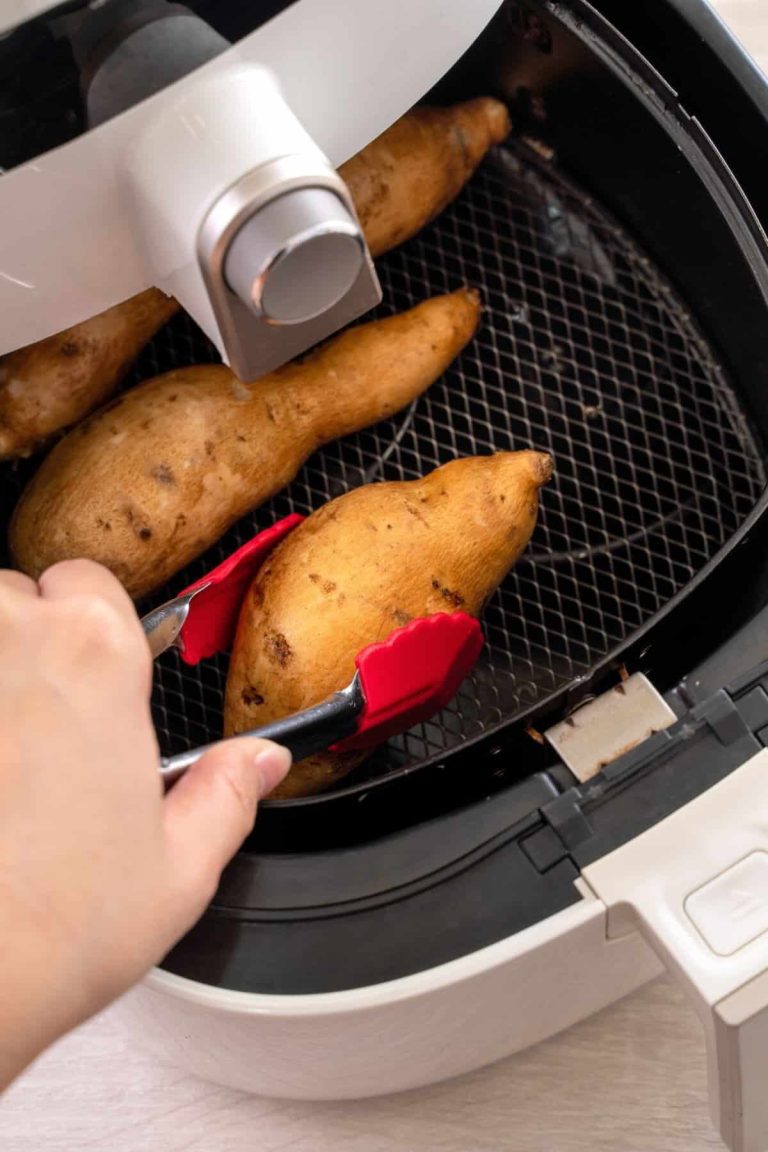
Shake baskets or flip items halfway through cooking. This gives even color and crispness. Use tongs or a spatula for careful flipping.
Use the right accessories
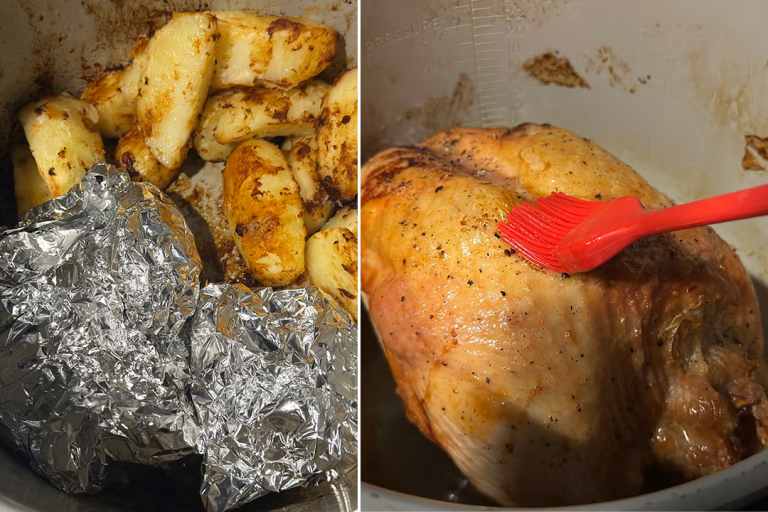
Choose air fryer-safe pans, racks, and liners. Use perforated parchment or silicone trays made for air fryers. Avoid solid foil on the bottom that blocks airflow.
Learn model quirks
Each model cooks differently. Note any consistent hot spots or timing differences. Keep a log of times and temps for your favorite recipes.
Start with easy recipes
Begin with frozen fries, chicken tenders, or roasted vegetables. These build confidence and teach how your unit behaves.
Keep safety in mind
Place the unit on a heat-safe surface and keep vents clear. Let the basket cool before cleaning. Read your manual for model-specific rules.

Common beginner mistakes and how to avoid them
Here are mistakes I made when learning the air fryer and how you can skip them.
-
Expecting oven times to match exactly
Reduce oven times and temp. Check food early to avoid overcooking. -
Overusing oil
I used too much oil at first and made greasy results. Use less oil than you would for pan-frying. -
Not drying food before cooking
Wet food steams instead of browns. Pat proteins and veggies dry for crispy edges. -
Forgetting to preheat
Skipping preheat can cause uneven cook and soggy shells on breaded foods. -
Using inappropriate accessories
Avoid closed containers that block airflow. Use mesh-friendly trays and racks.
People also ask
Do I need to preheat my air fryer?
Most recipes benefit from preheating for 2 to 5 minutes. Preheating helps food crisp and shortens cook time.
Can I use foil or parchment paper?
Yes, but use perforated parchment or secure foil around food so it won’t blow into the fan. Never cover the entire basket.
How often should I check food?
Check halfway through and a few minutes before the expected finish. Air fryers cook fast and can brown quickly.

Easy starter recipes and timing guide
These quick recipes help you practice core air fryer beginner tips.
-
Frozen fries
Temperature: 400°F. Time: 10 to 15 minutes. Shake halfway. Use a light spray of oil. -
Chicken tenders
Temperature: 390°F. Time: 8 to 12 minutes depending on size. Flip once and use a thermometer to confirm 165°F internal. -
Roasted broccoli
Temperature: 375°F. Time: 8 to 10 minutes. Toss with 1 teaspoon oil and season before cooking. -
Salmon fillet
Temperature: 380°F. Time: 7 to 10 minutes. Start skin-side down and check for flake with a fork. -
Hard “boiled” eggs
Temperature: 270°F. Time: 15 minutes. Cool in ice water before peeling.
Write these times in a simple chart near your unit. Adjust for your model and thickness of ingredients. These easy recipes let you practice shaking, flipping, and timing.

Cleaning and maintenance tips
A clean air fryer lasts longer and cooks better. Clean after each use when possible.
- Empty crumbs and wipe the basket with warm, soapy water after it cools.
- Clean the heating element gently to remove grease buildup.
- For stubborn residue, soak the basket for 10–20 minutes before scrubbing.
- Avoid abrasive pads on nonstick surfaces to prevent scratching.
- Check the manual for dishwasher-safe parts and follow manufacturer recommendations.
Do a deeper clean once a month. Inspect seals and vents. Proper care keeps your air fryer performing well.

Safety and troubleshooting
Keep meals safe and the machine working well with these tips.
-
Smoke during cooking
Reduce oil, lower temp by 25°F, and clean the heating element. Add a slice of bread to absorb excess oil if needed. -
Uneven cooking
Check for overcrowding and shake more often. Rotate items if your model has hot spots. -
Bad smells
Clean removable parts and run at 400°F with a few lemon slices inside to freshen. Replace parts if odors persist. -
Electrical or functional issues
Unplug and let the unit cool before inspecting. Contact support if problems persist; do not attempt complex repairs yourself.

Frequently Asked Questions of air fryer beginner tips
How much oil should I use in an air fryer?
Use a light coating—about 1/2 to 1 teaspoon per serving for fresh items. Tiny amounts crispen food without adding excess fat.
Can I cook frozen food directly in the air fryer?
Yes. Most frozen snacks and fries cook well directly from frozen. Add a few minutes to the suggested time and shake halfway through.
Will breaded food get soggy in an air fryer?
Breaded food can get soggy if crowded or wet. Pat coatings dry, use a light spray of oil, and avoid stacking pieces.
Is preheating always required?
Preheating improves texture but is not always mandatory. For quick snacks, you can add a minute or two to the cook time if you skip preheat.
How do I avoid smoke when cooking fatty foods?
Trim excess fat, use less oil, and clean the appliance often. Lower the temperature if smoking occurs and check the heating area for splatters.
Can I bake in an air fryer?
Yes. You can bake small cakes, muffins, and cookies using lower temps and shorter times than a regular oven. Use appropriate pans made for air fryer use.
Conclusion
You now have practical air fryer beginner tips to get crisp results, save time, and avoid common pitfalls. Start simple, learn your model, and keep notes on times and temps. Try one new recipe each week to build skill and confidence.
Ready to make your first batch? Test a small recipe tonight, tweak the time if needed, and share your results or questions below — I’d love to hear how your air fryer journey goes.