
Air Fryer Preheating Guide: Quick Tips For Perfect Crisp

Preheating your air fryer briefly warms the basket for crispier, faster, and more even cooking.
I’ve spent years testing countertop cookers and teaching home cooks how to get the best results. This air fryer preheating guide explains when preheating matters, how long to do it, and simple steps you can follow. I’ll share real tests, common mistakes, and easy tips so you can use your air fryer with confidence and get reliably crisp, tasty food every time.
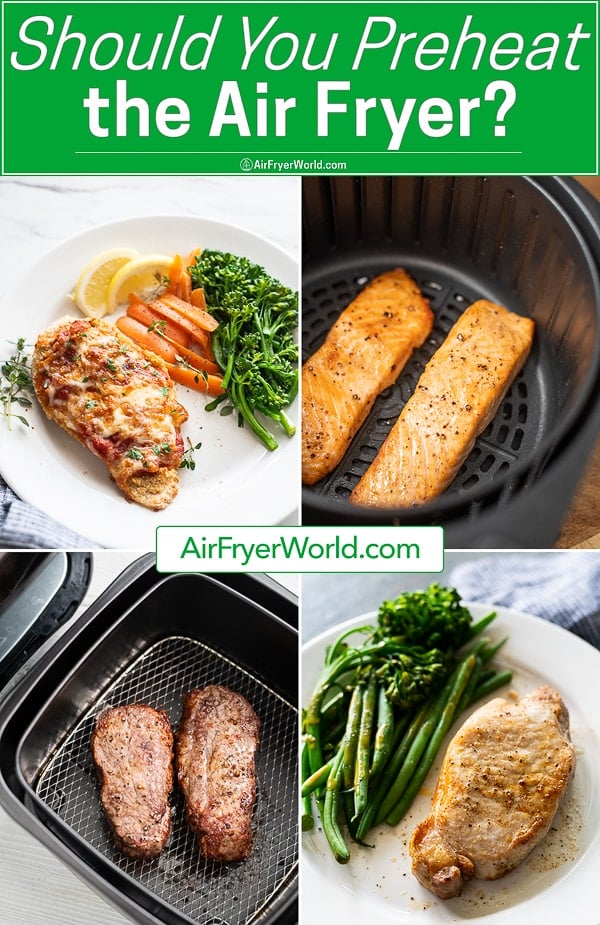
What is preheating and why it matters for your air fryer
Preheating means bringing the air fryer to the target cooking temperature before you add food. This creates a hot, circulating air environment that jump-starts browning and shortens total cook time.
Why it helps:
- Promotes better browning and crispiness on the surface of foods.
- Reduces sticking for some items and improves texture.
- Gives more accurate, repeatable cook times from recipes.
How this air fryer preheating guide applies:
- I tested a range of foods and found preheating helps thin, breaded, or frozen items the most.
- Foods that cook quickly or are delicate can actually do better without preheating. Use this guide to tell the difference and adjust.
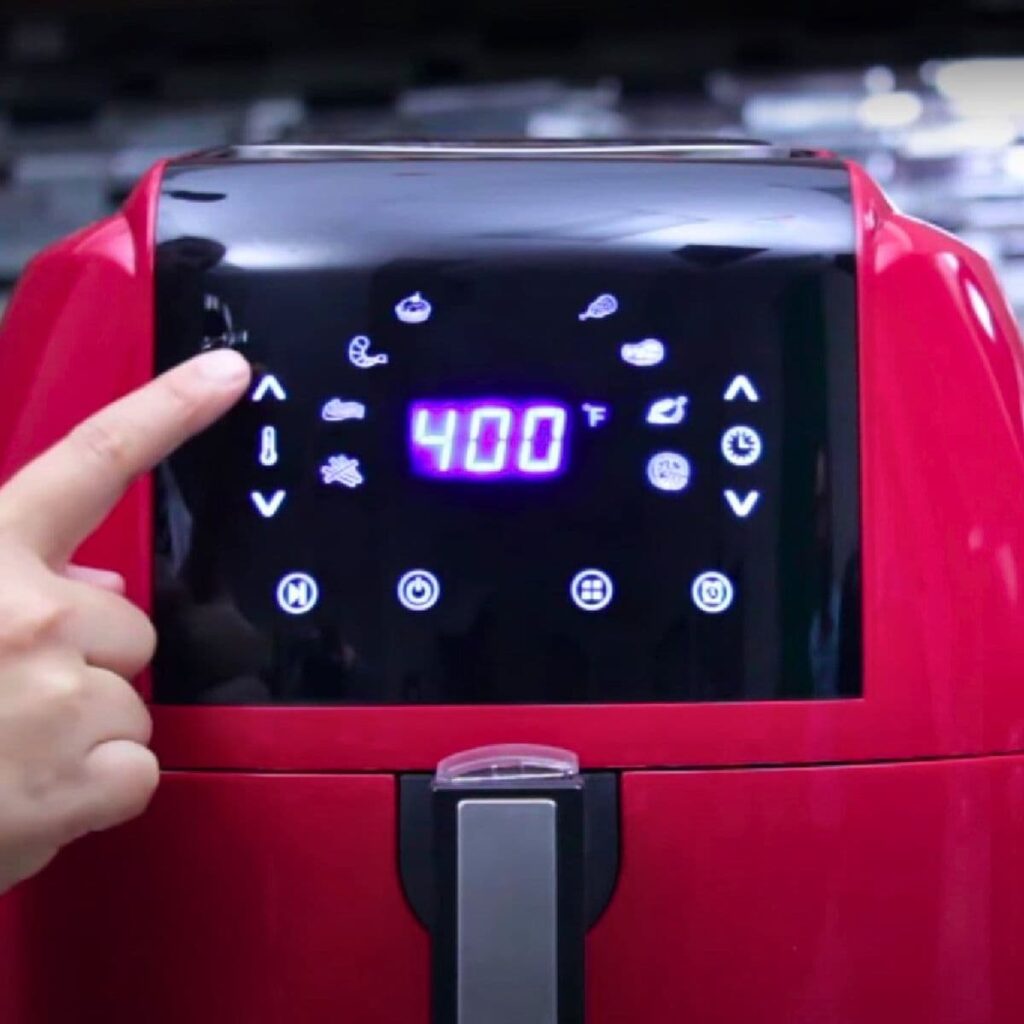
Do you need to preheat your air fryer?
Short answer: many times yes, but not always. This air fryer preheating guide helps you decide.
When preheating is recommended:
- For frozen foods like fries, nuggets, and fish sticks to restore crispiness.
- For breaded items that need immediate surface sear to hold coating.
- For recipes that list cook times based on a preheated appliance.
When you can skip preheating:
- For foods that benefit from slow heat, like large roasts or casseroles.
- When using a recipe that specifically says “no preheat.”
- For quick reheating where a little extra time is acceptable.
Personal note: I used to preheat for everything. After testing, I now skip preheat for thick roasts and slow vegetables. My results stayed consistent and I saved energy and time.

When to preheat: which foods benefit most
This air fryer preheating guide includes a simple rule: foods that need quick surface browning benefit most.
Foods that benefit from preheating:
- Frozen snacks and breaded items for crisp texture.
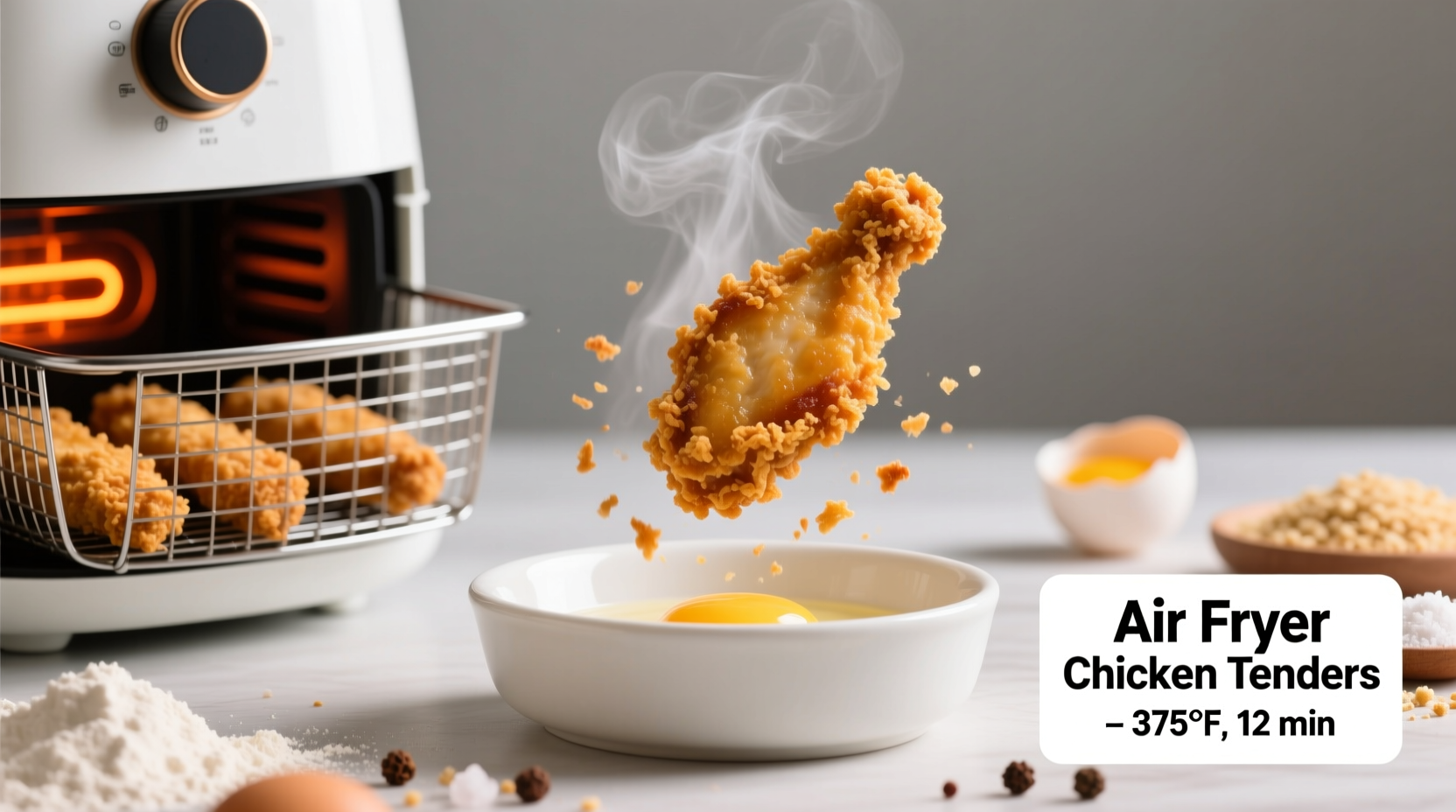
- Thin-cut proteins like fish fillets and chicken tenders.
- Items that need an initial sear to lock in juices.
Foods that often do not require preheating:
- Dense or large cuts that need long cook times, such as whole chicken or roasts.
- Delicate baked goods that rise slowly.
- Foods cooked in foil or covered containers that retain moisture.
Practical example:
- Frozen french fries: preheat 3 to 5 minutes at 400°F for best crunch.
- Whole potato halves: start from cold to cook evenly through the center.
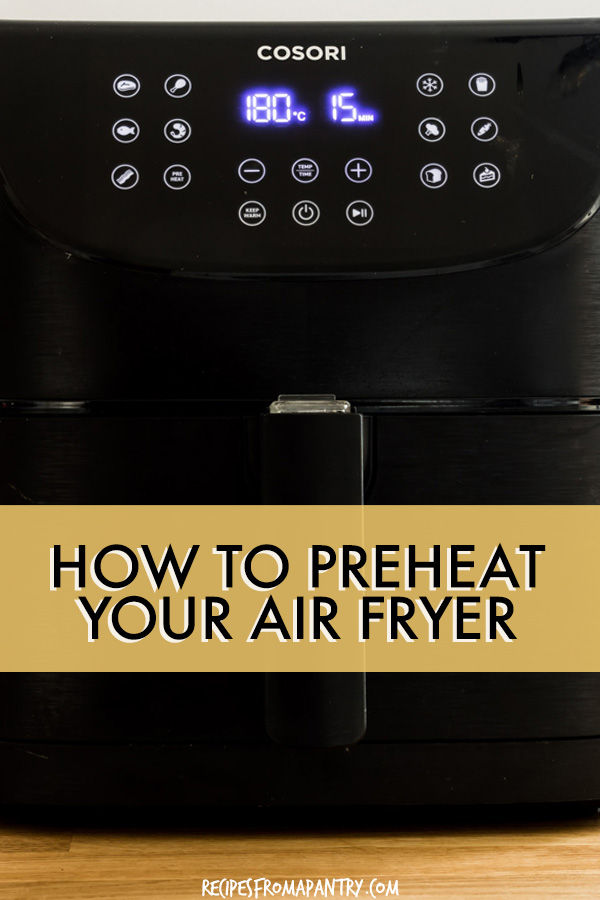
How to preheat: step-by-step air fryer preheating guide
Follow these easy steps to preheat correctly and use this air fryer preheating guide each time.
Step-by-step:
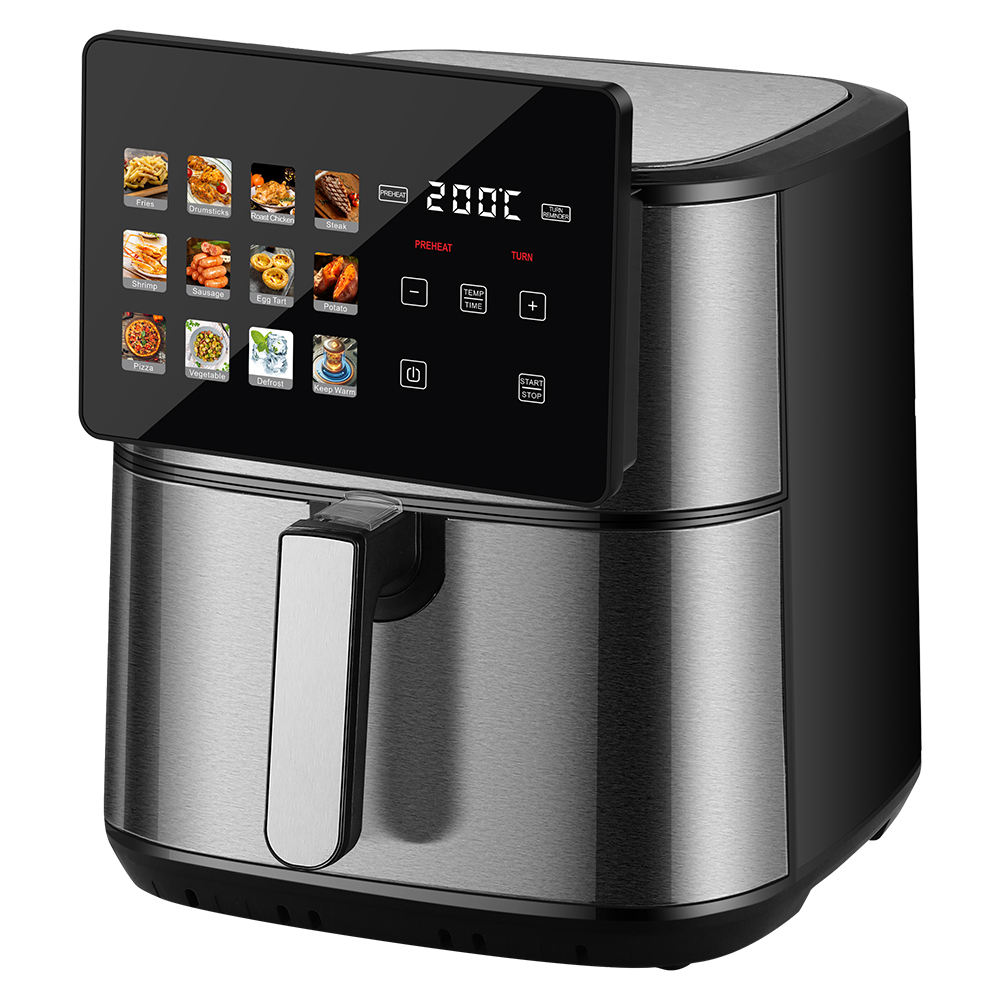
- Set the temperature to the recipe’s target. Most recipes use 350°F to 400°F.
- Turn the air fryer on and let it run empty for 3 to 5 minutes for small models, 5 to 7 minutes for large models.
- Use the basket or tray you’ll cook on so it heats too.
- When the preheat time ends, add food in a single layer for best airflow.
- Start the timer and follow the recipe’s cook time, trimming a minute if you prefer extra crisp.
Quick tips:
- Use the manufacturer’s preheat recommendation when available.
- A short preheat of 2 minutes works for low-temp baking at 300°F.
- Avoid over-preheating; long empty runs waste energy and can dry out parts.
My test results:
- I preheated multiple models and found 3 minutes at 400°F gave reliable crisp for small batches. Larger baskets needed closer to 6 minutes for even heat.
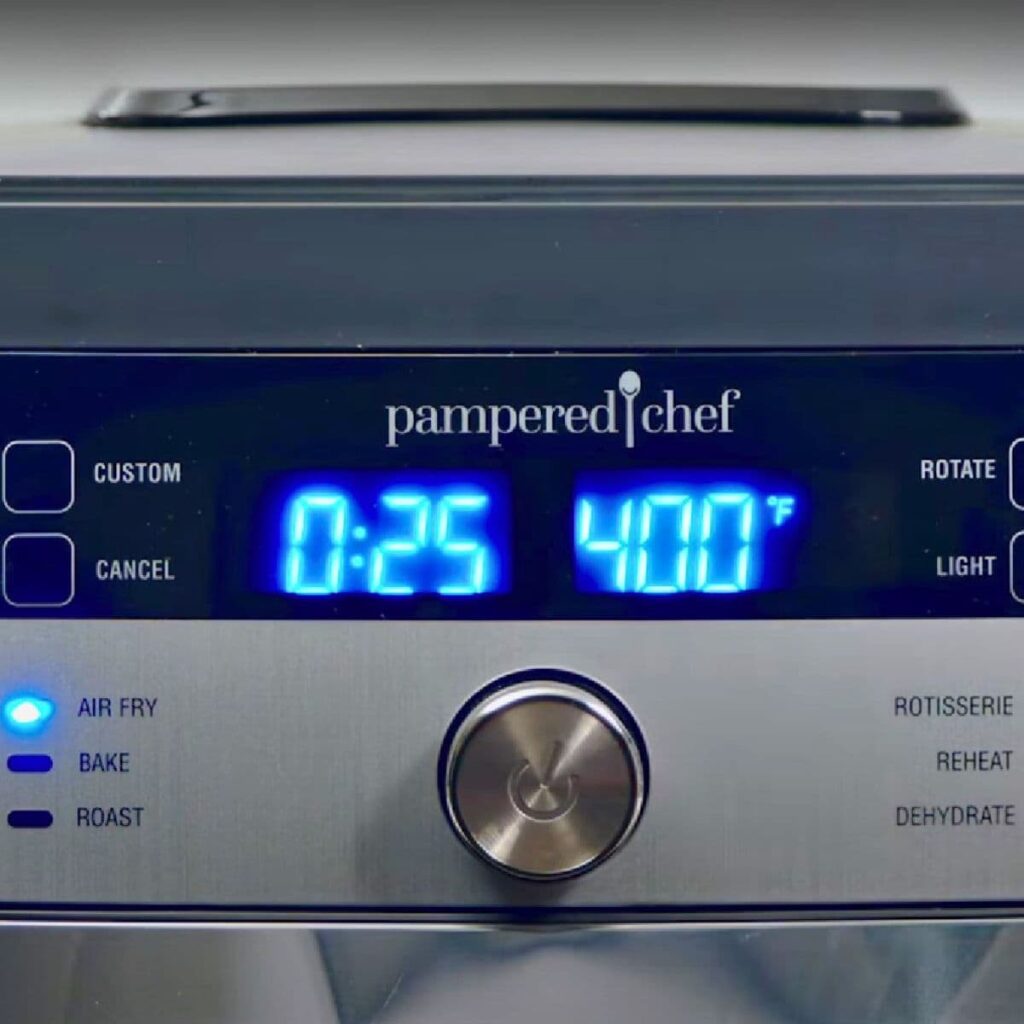
Common mistakes and troubleshooting in this air fryer preheating guide
Avoid these pitfalls I’ve seen from testing and kitchen trial-and-error.
Frequent mistakes:
- Preheating too long, which wastes energy and may over-dry the unit.
- Adding food that overcrowds the basket, which defeats the benefit of preheating.
- Assuming every recipe needs preheat—some do not.
Troubleshooting tips:
- If food isn’t crisp after preheating, check for overcrowding and shake halfway.
- If cook times are off, confirm you preheated and adjust time by 1–3 minutes.
- If smoke appears during preheat, clean oil residue and check the tray for drips. Smoke can be a sign of trapped grease.
Real-life lesson: I once preheated at a very high temp for too long and the coating on wings browned too fast while the inside stayed underdone. Lesson: use the right temp and watch thin items closely.
Safety, maintenance, and energy tips
Keep your air fryer safe and efficient while following this air fryer preheating guide.
Safety and care:
- Always place the air fryer on a heat-safe, stable surface with space for ventilation.
- Unplug the unit before deep cleaning the heating area.
- Clean trays and baskets regularly to prevent smoke and uneven heating.
Energy and longevity:
- Preheat only when it improves the result. Skipping preheat for long cooks saves energy.
- Use the correct basket or tray to avoid wear and tear.
- Check seals and vents periodically for blockages to keep performance steady.
Personal tip: I wipe out crumbs after each use and deep clean monthly. This reduces smoke during preheat and helps keep cook times consistent.

Personal tips, tests, and practical examples
Here are specific tips from my kitchen tests to use this air fryer preheating guide well.
Practical tips:
- For frozen items: preheat 4 minutes at 400°F, then cook and shake halfway.
- For thin breaded fish: preheat 3 minutes and cook at 375°F to avoid overbrowning.
- For baked goods: skip preheat for muffins or small cakes to allow even rise.
Tools that help:
- An instant-read thermometer to check internal temps fast.
- A small oven-safe probe can let you monitor roast temps without opening the basket.
Anecdote: I once timed fries across three models. The model with the fastest preheat and best airflow had the crispest fries every time. Airflow and immediate contact with hot air matter more than a long preheat.
PAA-style quick questions (short answers)
Is preheating necessary for all air fryer recipes?
- No. Some recipes expect a cold start, especially long cooks and certain bakes.
How long should I preheat my air fryer?
- Usually 3 to 5 minutes for most models at 350°F–400°F; larger units may need 5 to 7 minutes.
Will preheating save time overall?
- Often yes for quick items because it reduces cook time on the food itself, though it adds a short prep step.
Can preheating cause smoke?
- It can if there’s trapped grease or oil. Clean the basket and tray to prevent smoke.
Does preheating affect energy use?
- Slightly. Preheating adds a few minutes of run time but can reduce total cooking time for many foods.
Frequently Asked Questions of air fryer preheating guide
Do I always need to preheat my air fryer?
No. Preheat when recipes call for it or for items that need quick surface browning like frozen snacks and breaded foods.
How long should I preheat at 400°F?
Generally 3 to 5 minutes for smaller models and 5 to 7 minutes for larger baskets, depending on the air fryer’s wattage.
Will preheating improve crispiness for frozen foods?
Yes. Preheating creates a hot environment that helps frozen foods regain a crispy texture more quickly.
Can I preheat with the drawer open or removed?
No. Run the unit with the drawer and basket in place to warm properly and maintain safety.
My food burns on the outside and is raw inside. Is this preheat-related?
It can be. This usually means the temp was too high or the item is too thick; reduce temp or skip preheat for thicker items.
Does preheating matter for reheating leftovers?
Not usually. For quick reheats, preheating is optional; use a moderate temp and check early to avoid drying.
How can I tell if my air fryer is fully preheated without a thermometer?
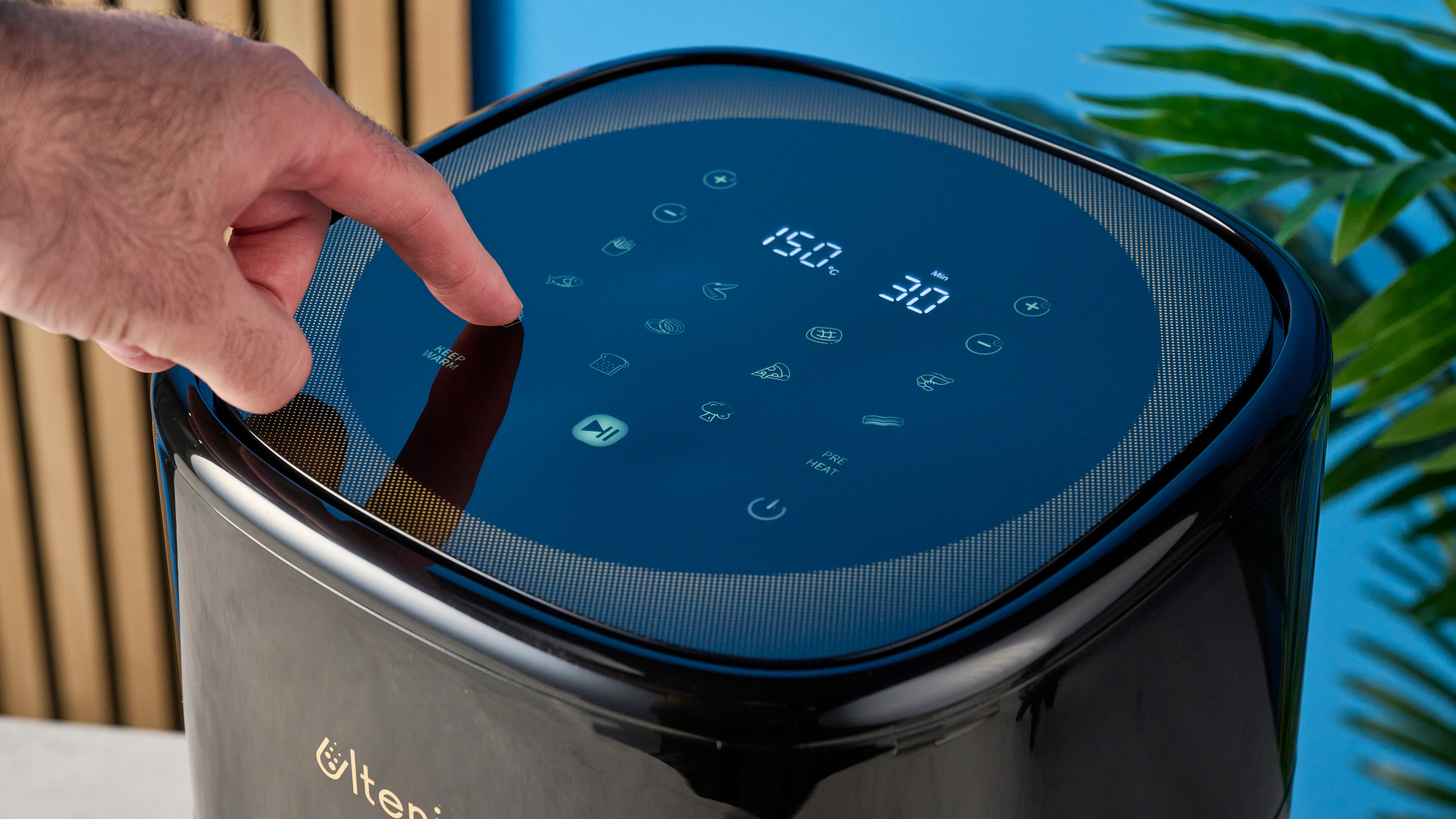
A 3–5 minute run at the target temp is usually adequate. If the model has a ready light, use that. For consistency, use an instant-read thermometer for the basket surface.
Conclusion
Getting preheat right makes your air fryer more reliable and your food tastier. This air fryer preheating guide showed when to preheat, how long to do it, and which foods benefit most. Try the step-by-step approach and simple tests in your own kitchen to find what works for your model and recipes. Start with short preheats, watch results, and adjust a minute at a time until you get consistent crisp, even cooking. If you found these tips helpful, try them on your next batch of fries, leave a comment with your results, or subscribe for more practical cooking guides.
