Air Fryer Food Safety Guide: Safe Cooking Tips

Air fryer food safety guide keeps meals safe by controlling temperature, time, and sanitation.
I write about kitchen safety every week and have tested air fryers in real homes and small test kitchens. This air fryer food safety guide shows clear rules, easy steps, and real tips to keep food safe, avoid burns, and reduce unhealthy risks. Read on for simple checks, safe temps, cleaning plans, and lessons from hands-on use that make air fryer cooking safer and more reliable.
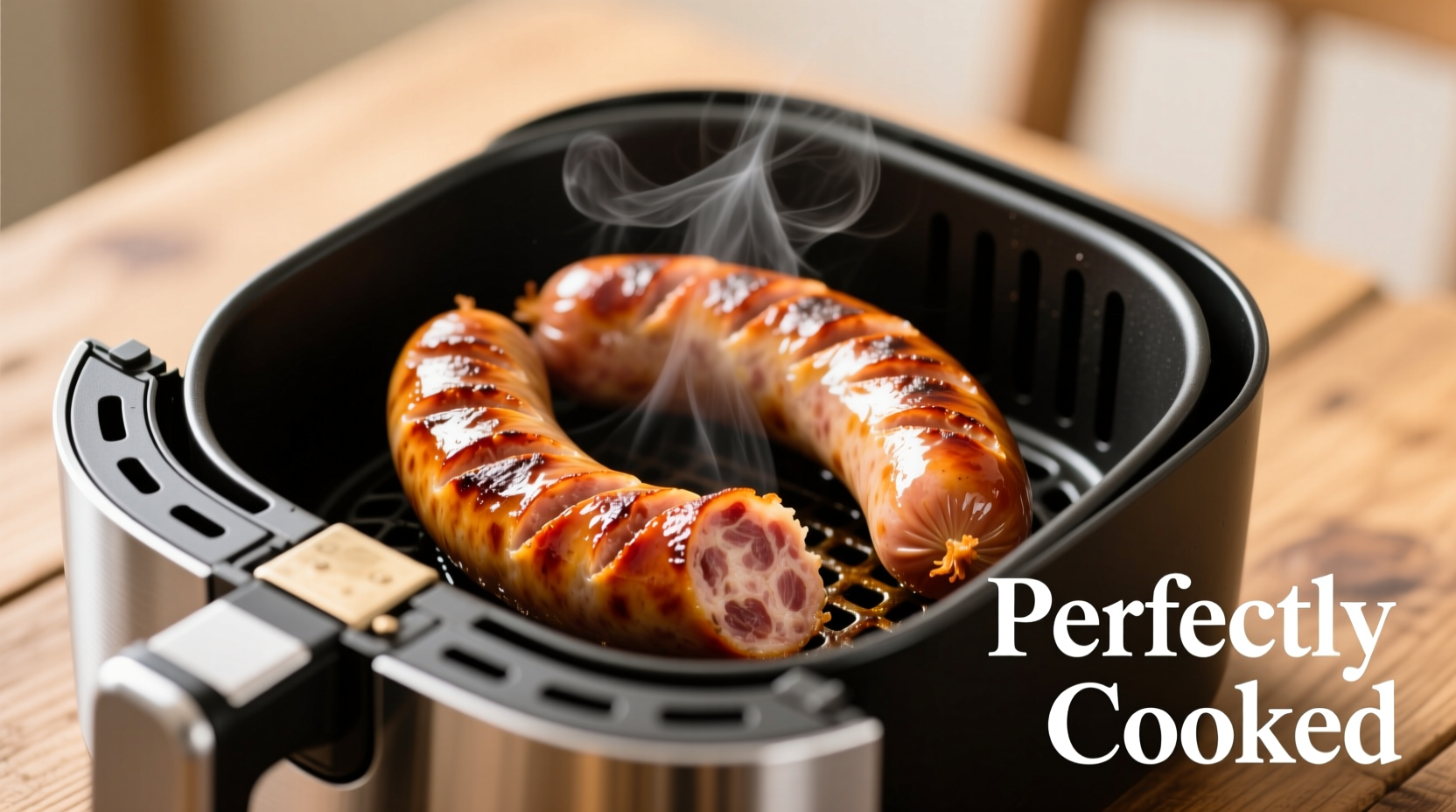
Why this air fryer food safety guide matters
Air fryers cook fast and use high heat in a compact space. That speed helps crisp foods but can hide cold centers or splatters. This air fryer food safety guide focuses on common hazards like undercooked meat, cross-contamination, and improper cleaning. Following these steps keeps your family safe and your meals tasty.

What is an air fryer and how it works
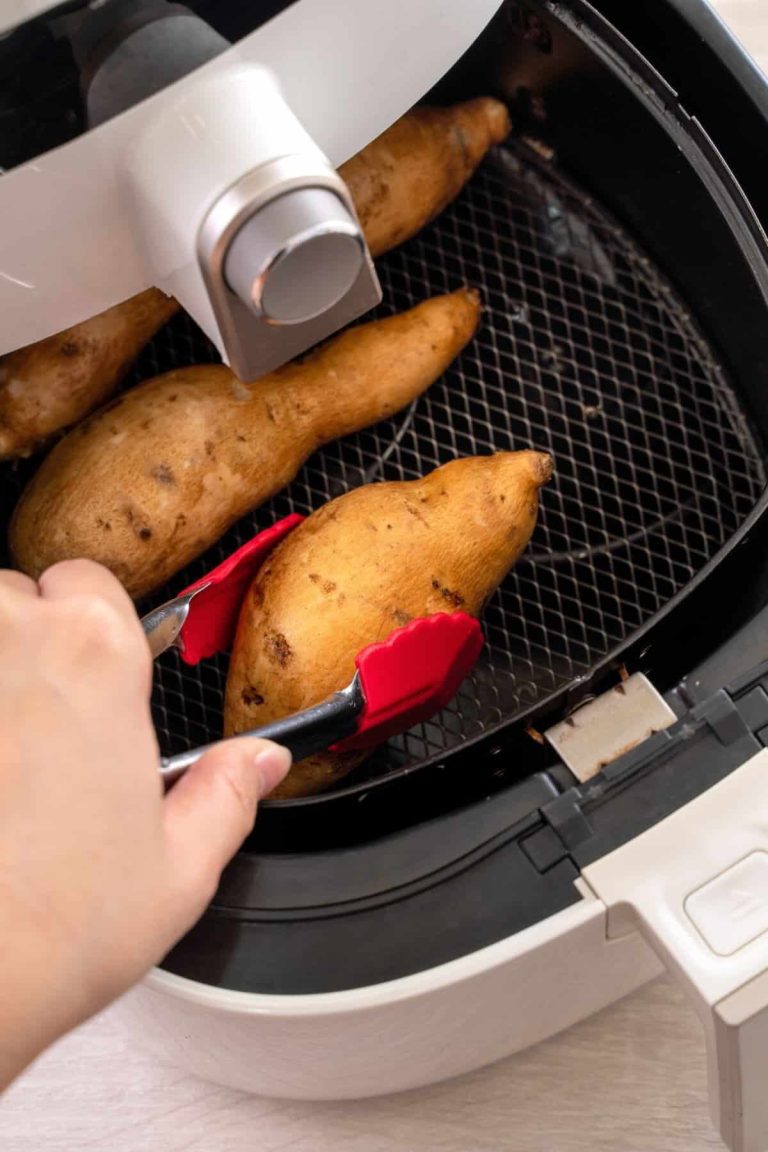
An air fryer is a countertop cooking device that circulates hot air at high speed. It browns food by creating a convection effect similar to a tiny oven. Because the cavity is small, foods can cook unevenly if not arranged or timed right. This air fryer food safety guide treats the appliance as a fast oven that needs the same food-safety rules.
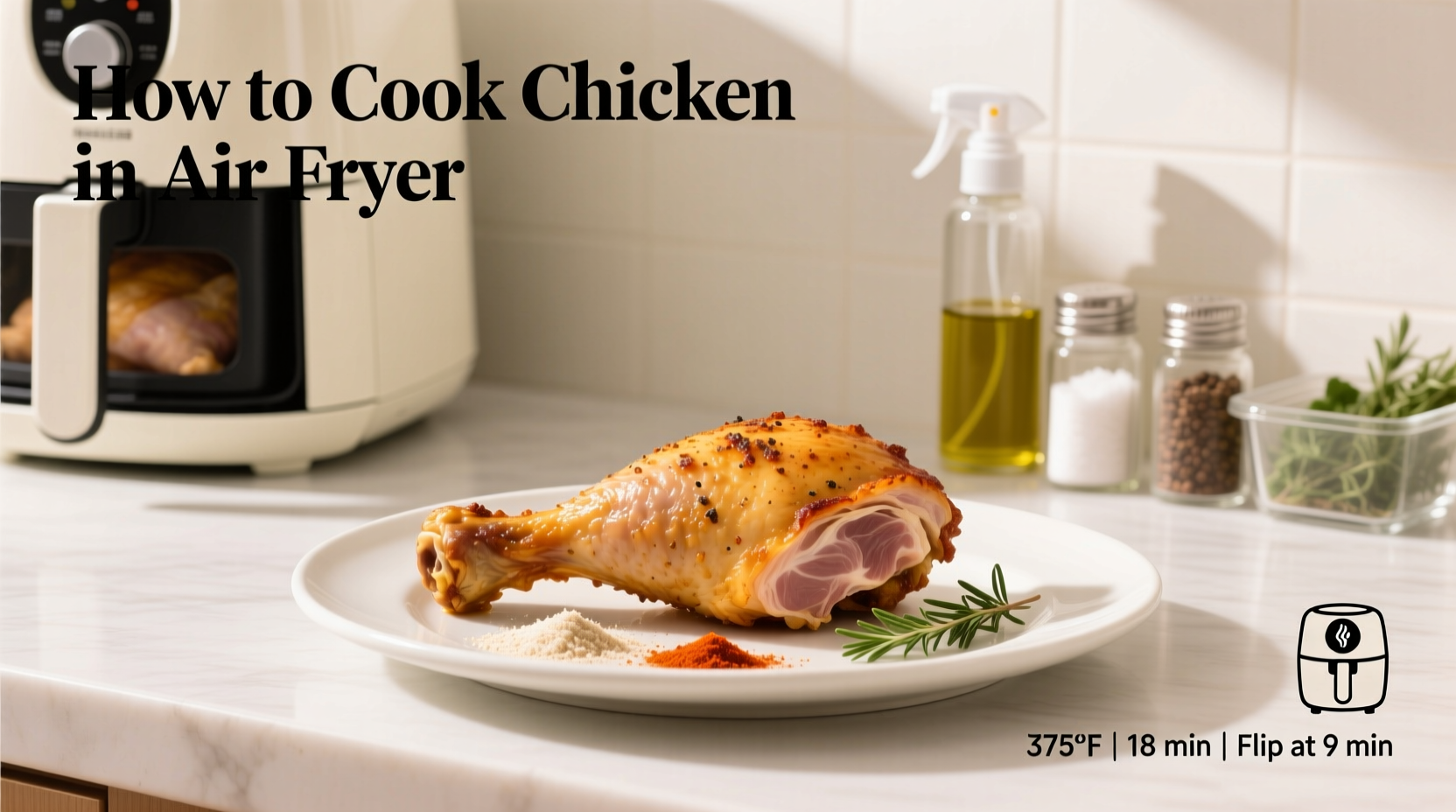
Key food safety principles in this air fryer food safety guide
Keep raw and cooked foods separate. Use clean tools and plates for cooked items only.
Always use a thermometer to confirm internal temperatures. Aim for safe minimums for meat and seafood.
Defrost fully or use proper thawing methods. Frozen cores can stay cold despite browned exteriors.
Follow manufacturer cleaning and maintenance steps to avoid grease buildup and smoke. These habits are central to any air fryer food safety guide.
Safe cooking temperatures and timing
Use a reliable food thermometer. Here are common safe minimum internal temperatures:
- Poultry (whole or ground): 165°F (74°C).
- Ground meats (beef, pork, lamb): 160°F (71°C).
- Steaks, roasts, fish: 145°F (63°C) with a 3-minute rest for some meats.
- Leftovers and casseroles: 165°F (74°C).
Check the thickest part of the food. For breaded items, pierce to check the center. This air fryer food safety guide stresses checking internal temps, not just color or time.
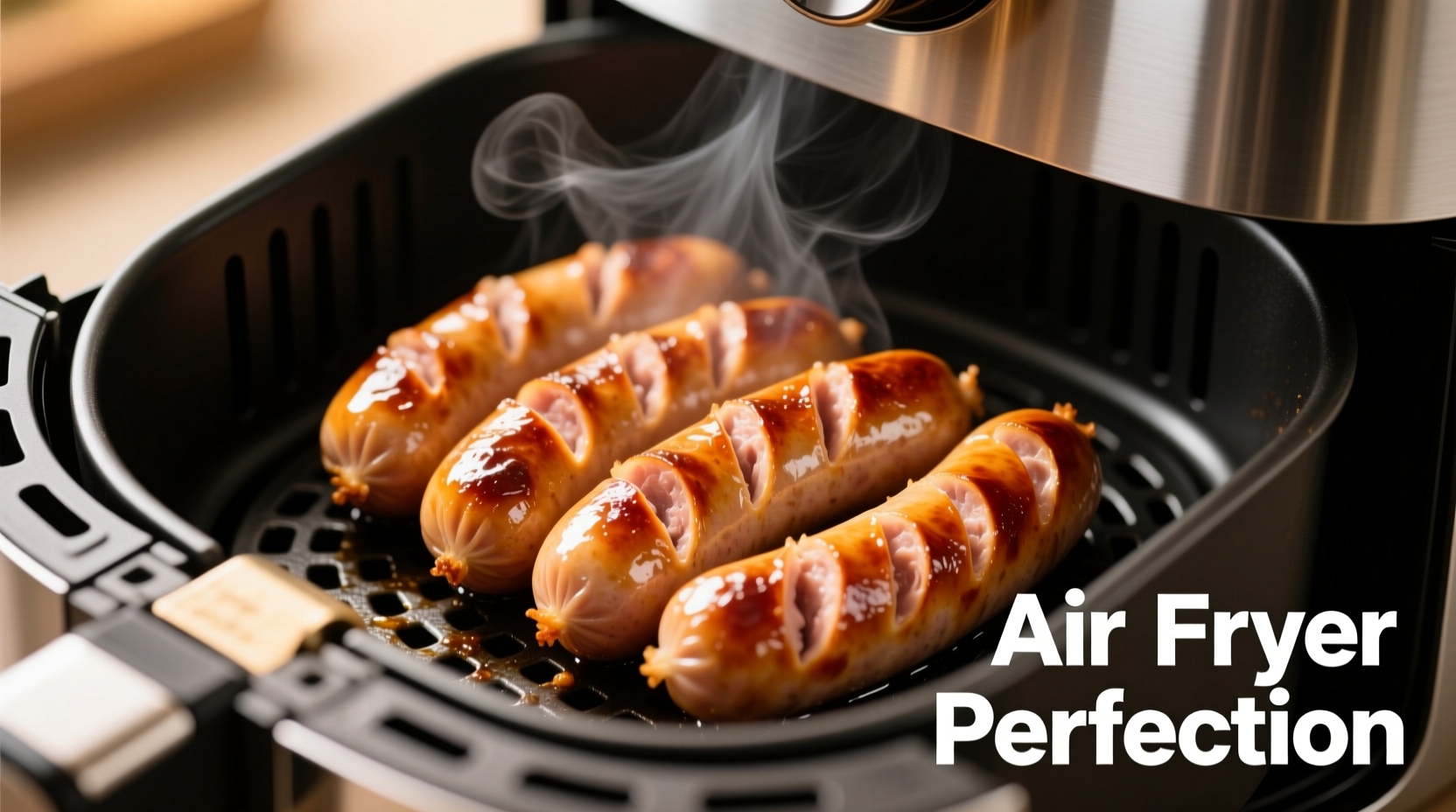
Preventing cross-contamination and safe handling
Designate separate cutting boards and utensils for meats and produce. Wash hands for 20 seconds after touching raw meat.
Never place cooked food back on a plate that held raw items unless washed. Use disposable or color-coded tools for ease.
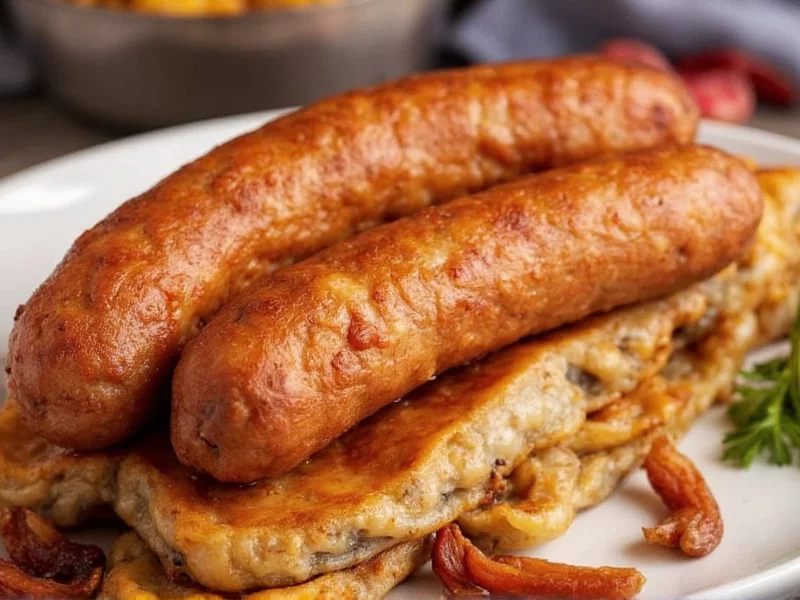
Marinate in the fridge and discard used marinade or boil it before using as a sauce. These steps reduce bacteria transfer and are key points in the air fryer food safety guide.
Cleaning, maintenance, and grease management
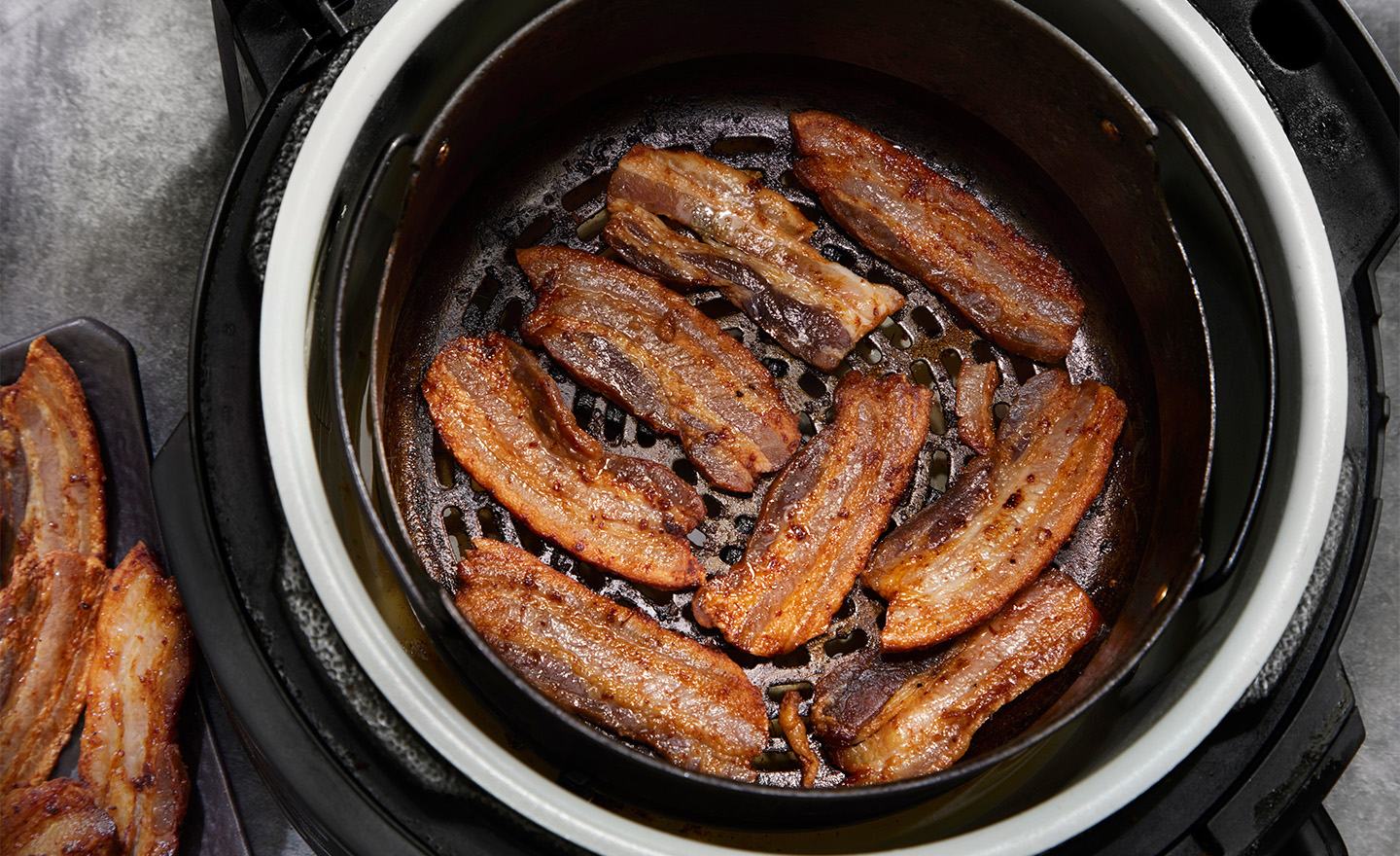
Clean the basket and tray after each use to remove crumbs and grease. A soapy sponge and warm water usually work well.
Check the heating element for drips and wipe it gently when cool. Deep-clean monthly to remove baked-on oil.
Empty any crumb catcher or drawer often to reduce fire risk. Proper cleaning is a major part of the air fryer food safety guide and helps appliances last longer.
Storing, cooling, and reheating leftovers safely
Cool leftovers quickly by dividing large portions into shallow containers. Refrigerate within two hours of cooking.
When reheating in an air fryer, cover thin foods to avoid drying and reheat to 165°F (74°C). Stir or flip items halfway through for even heating.
Avoid multiple reheats; each cycle increases spoilage risk. This air fryer food safety guide recommends quick cooling and careful reheating.
Accessories, liners, and material safety
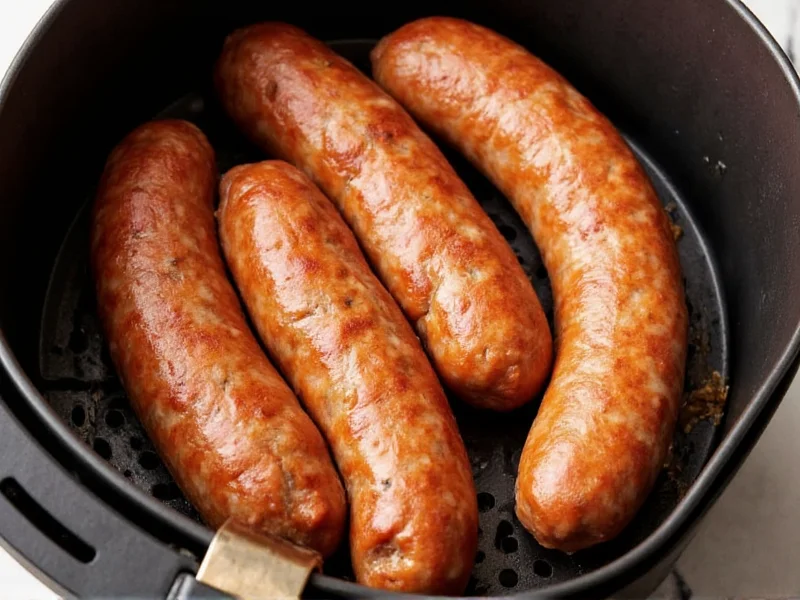
Only use accessories designed for your model and rated for the temperatures you use. Silicone, metal, and certain high-heat ceramics are usually safe.
Avoid nonstick sprays that can cause residue buildup; use a small amount of oil with a brush instead. Perforated parchment liners are helpful but choose ones made for air fryers.
Inspect coatings regularly; peel or scratched surfaces can flake into food. Accessory safety is a practical chapter in the air fryer food safety guide.
Troubleshooting and common mistakes (real-world tips)
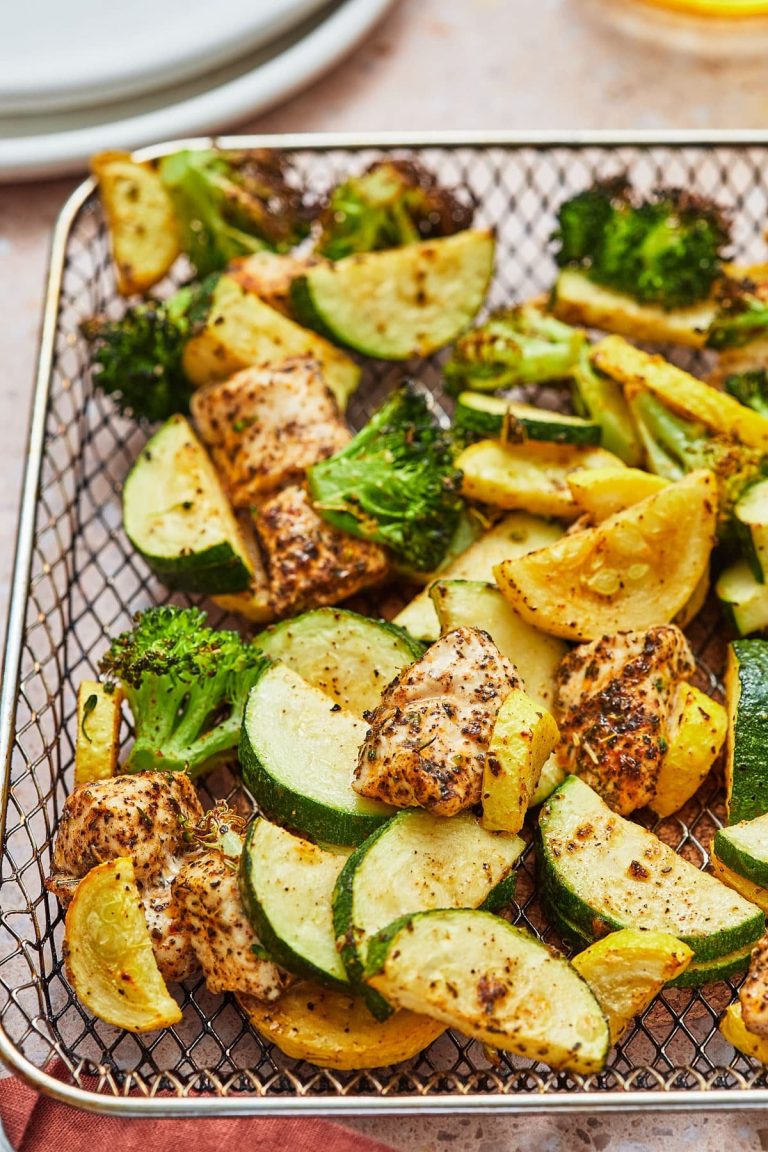
Mistake: Overcrowding the basket. Result: Uneven cooking and cold centers. Tip: Cook in batches for even results.
Mistake: Judging doneness by color alone. Result: Undercooked meat. Tip: Use a thermometer every time.
From experience, I found thawing chicken in cold water and patting dry helped even cooking. These simple fixes come from trial and error and are part of this air fryer food safety guide.
Buying, placement, and long-term safety tips
Place your air fryer away from walls and overhead cabinets to allow proper airflow. Use it on a heat-safe surface.
Choose models with removable, dishwasher-safe parts for easier cleaning. Look for units with reliable temperature control and safety certifications.
Register the product and follow recall notices and updates. These habits support a long-term air fryer food safety guide for your kitchen.
Myths and facts about air fryer food safety guide
Myth: Air-fried equals always healthier. Fact: It can be healthier, but high temps still create cooking byproducts. Moderation and proper temps matter.
Myth: Air fryers kill all bacteria because they are hot. Fact: Surface browning does not guarantee internal safety. Use a thermometer.
This guide clears common misconceptions and helps you cook more safely with confidence.
Frequently Asked Questions of air fryer food safety guide
How do I know food is safe in an air fryer?
Check the internal temperature with a food thermometer. Follow safe minimum temperatures for the type of food and rest meats when needed.
Can I cook frozen foods without thawing?
Yes, many frozen items cook well from frozen but allow extra time and confirm internal temperature. Avoid large frozen roasts without proper thawing.
Is it safe to reuse air fryer oil?
You can reuse oil a few times if it is clean and stored cool, but discard it when it smells off or darkens. Frequent reuse reduces quality and may create harmful compounds.
How often should I deep clean my air fryer?
Clean baskets and trays after each use and do a deeper clean once a month or more if you cook greasy foods often. Regular cleaning reduces smoke and fire risk.
Can air fryers cause foodborne illness?
They can if food is undercooked, cross-contamination occurs, or cleaning is neglected. Follow the air fryer food safety guide steps to reduce these risks.
Is it safe to put aluminum foil in an air fryer?
You can use foil safely if it does not block airflow and is secured to prevent contact with the heating element. Follow your model’s manual to avoid hazards.
Conclusion
This air fryer food safety guide gives clear, simple steps to cook safely, clean properly, and avoid common mistakes. Start by checking temperatures, preventing cross-contamination, and cleaning after each use. Try one change today: use a food thermometer and cook in small batches for safer, tastier results. If you found this guide helpful, leave a comment, share your tips, or subscribe for more kitchen safety advice.