Air Fryer Fire Prevention Tips: Simple Safety Steps

Follow simple habits, clean often, and monitor cooking to prevent air fryer fires.
I’ve tested dozens of air fryers and helped friends troubleshoot kitchen scares. This guide on air fryer fire prevention tips brings clear, practical steps you can use today. You’ll learn why fires happen, easy habits that stop them, how to clean and maintain your unit, what to cook safely, and what gear to keep nearby. Read on for tested tips, quick checks, and real-life lessons that make air frying safe and stress-free.
Why air fryer fires happen
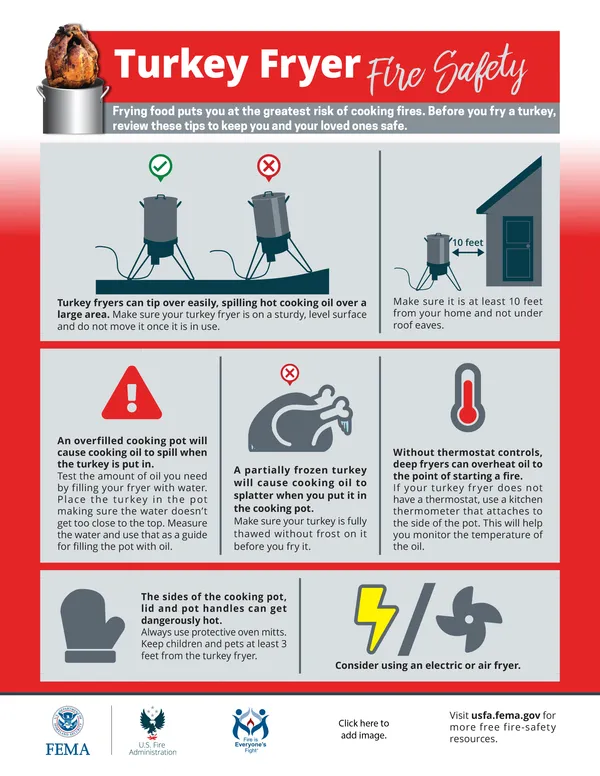
Air fryer fire prevention tips start with knowing the causes. Fires usually come from grease buildup, overloaded baskets, or food that sparks. Electrical faults, damaged cords, or using the wrong outlet can also cause problems.
Common causes and short explanations:
- Grease build-up: Oil and crumbs collect and can ignite at high heat.
- Overcrowding: Food touching heating elements can smoke or flare.
- Wrong settings: High temps for oily foods raise fire risk.
- Damaged parts: Frayed cords or broken thermostats can spark.
- Flammable objects nearby: Paper towels, plastic, or curtains can catch fire.
Understanding these causes makes prevention much easier. Use these air fryer fire prevention tips to cut risk at the source.
Essential air fryer fire prevention tips
Follow these steps every time you use your air fryer. They are simple and effective.
Daily and immediate tips:
- Check the cord and plug before use: Stop if you see damage or loose connections.
- Place the air fryer on a heat-safe, level surface: Keep it away from walls and paper.
- Never leave it unattended while running: Stay nearby and peek through the window.
- Don’t overfill the basket: Leave space so air can flow and avoid contact with the element.
- Use the right oil and temperature: Lower temps for high-fat foods reduce smoke.
Cooking and timing tips:
- Preheat only when the recipe calls for it: Unnecessary heat can dry oil and smoke.
- Shake or flip food mid-cycle: This prevents hotspots and burning.
- Trim excess fat from meats: Less dripping lowers flare risk.
- Use a drip tray or tray liner designed for air fryers: It captures oil safely.
Smart behavior reduces most risks. These air fryer fire prevention tips become habits with just a few uses.

Maintenance and cleaning routines
Cleaning is the backbone of air fryer fire prevention tips. A clean unit runs cooler and safer.
Daily and weekly cleaning:
- Empty crumbs after each use: Crumbs can ignite if left under the basket.
- Wash baskets and trays with warm, soapy water: Remove stuck-on grease promptly.
- Wipe interior walls and heating element gently: Use a soft brush or cloth after unplugging.
Seasonal and deep maintenance:
- Inspect heating element for buildup every month: Clean carefully when cool.
- Check vents and fan areas for blockage: Dust reduces airflow and raises temps.
- Replace worn parts as recommended by the maker: Filters and seals lose effectiveness with age.
I once ignored crumbs and had heavy smoke after one use. A quick deep clean solved it. Regular maintenance prevented repeat problems.
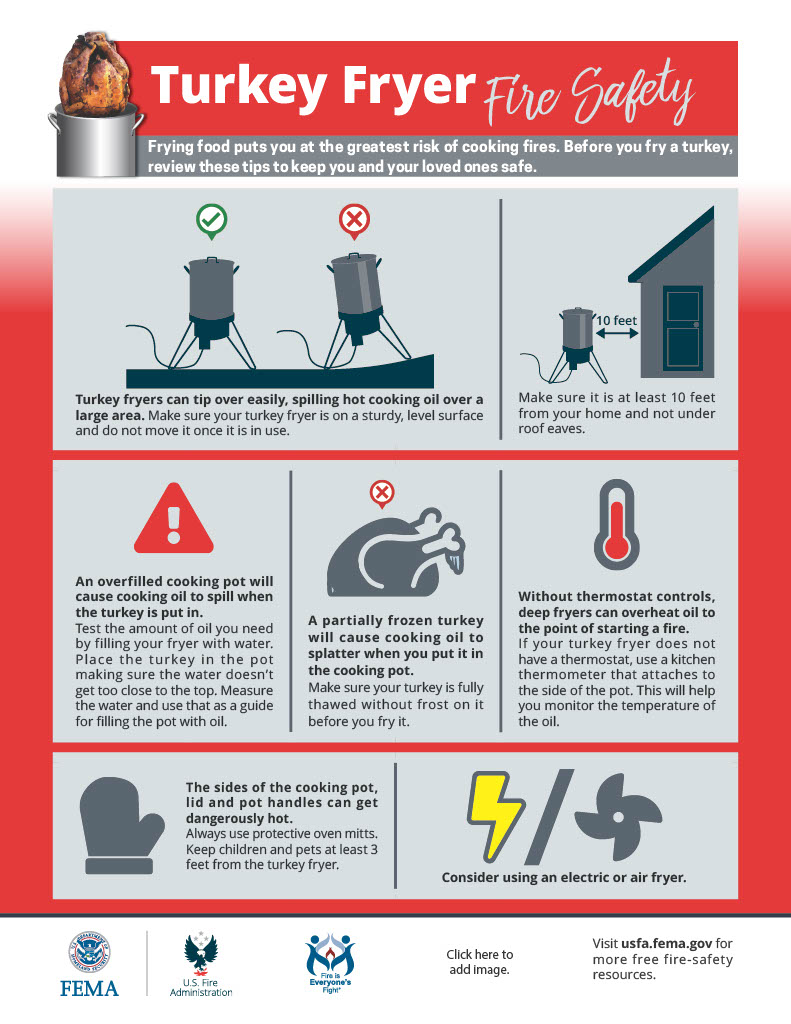
Safe cooking practices and what to avoid
Not all foods are equal in an air fryer. Use these tips to lower fire risk while keeping food delicious.
Foods and methods to avoid:
- Avoid very high-fat marinades or whole liquid batters: They drip and can ignite.
- Do not air fry alcohol-marinated items without patting dry: Alcohol is flammable.
- Avoid cooking loose cheese directly on the element: It melts and can burn.
- Skip large whole roasts that block airflow: They increase heat around the element.
Best practices for safer cooking:
- Pat foods dry and use a light oil spray: Less dripping equals less smoke.
- Use oven-safe pans or liners made for air fryers: They keep mess contained.
- Start at a lower temp and adjust up if needed: This reduces sudden flare-ups.
- Monitor visually and by smell: Smoke or a burnt smell is your cue to stop.
These air fryer fire prevention tips help you enjoy crisp food without the risks.

Safety equipment and home preparedness
Be ready before anything goes wrong. Simple gear keeps small fires from becoming disasters.
Must-have safety items:
- Working smoke detectors near the kitchen: Test monthly and change batteries as needed.
- A Class B or multi-purpose (ABC) fire extinguisher: Place it where you can reach it fast.
- Fire blanket for small flames on trays: Smother flames safely without water.
- Heat-resistant mitts and long utensils: Keep hands clear of hot surfaces.
What to do if a fire starts:
- Turn off and unplug the air fryer if safe to do so: Cutting power can stop the fuel source.
- Keep the oven door closed or cover the unit with a lid: Smother small flames if safe.
- Use a fire extinguisher if flames spread: Aim at the base, not the top of flames.
- Call emergency services if you can’t control the fire quickly: Don’t risk injury.
Having the right tools and a plan is a key part of air fryer fire prevention tips.

Limitations and when to stop using an air fryer
Air fryers are safe, but they have limits. Know when to avoid them.
Signs it’s time to replace or stop using:
- Persistent electrical issues or smells: Buzzing, burning plastic scents, or tripping breakers.
- Cracked or warped basket or heating element damage: These can lead to direct contact fires.
- The unit repeatedly smokes despite cleaning: Internal issues may exist.
- Manufacturer recalls or age beyond recommended lifespan: Follow guidance from the maker.
Safety-first decision-making keeps your home safe. If you are unsure, stop using the device and get it inspected.

Personal experience and lessons learned
Here’s what I learned from real use and helping neighbors fix close calls. Simple habits prevent most issues.
What I did wrong and fixed:
- I once air fried frozen burgers without thawing. The oil spot-heated and smoked. I now thaw or use lower temps for frozen patties.
- A friend stored paper under the unit to save space. It caught smoldering heat. We moved the fryer to a clear surface and kept flammables away.
- I learned to test the outlet if the fryer trips the breaker. Rewiring by a pro solved the problem.
What worked best:
- A 5-minute wipe down after every two uses cut smoke by half.
- Keeping a small extinguisher under the counter gave peace of mind.
- Simple habit checks before use turned risky meals into safe ones.
These small steps embody practical air fryer fire prevention tips anyone can apply.
People also ask
Can an air fryer catch fire if left unattended?
Yes. Leaving an air fryer unattended raises fire risk, especially with oily or fatty foods. Stay nearby and check often.
Is it safe to put foil in an air fryer?
Foil can be safe if it does not block airflow or touch the heating element. Use small pieces and secure them to avoid contact with the element.
How often should I deep clean my air fryer?
Deep clean once a month with disassembly when you use it several times weekly. More frequent cleaning is wise for heavy use or greasy foods.
Frequently Asked Questions of air fryer fire prevention tips
What is the quickest way to reduce fire risk in an air fryer?
Remove grease and crumbs regularly, avoid overfilling, and stay nearby while it runs. These steps cut most common risks quickly.
How do I clean the heating element safely?
Unplug and cool the unit first, then use a soft brush or cloth to remove buildup gently. Avoid harsh scrubbing that can damage the element.
Can I use aerosol sprays inside the air fryer?
No. Aerosol sprays can be flammable and leave residues that ignite. Use a small brush or oil spray made for cooking instead.
Should I leave the air fryer door open after cooking?
Leave the unit closed to cool down safely, and then open it once cooled to ventilate and clean. Opening too soon can release hot air and oils.
What size extinguisher do I need for kitchen fires?
A 2.5–5 lb ABC extinguisher is usually adequate for kitchen fires. Keep it accessible and know how to use it safely.
How high should I set the temperature for fatty foods?
Start lower, around 325–350°F, and monitor. High temps for fatty foods increase smoke and flare risk.
Conclusion
Follow simple, consistent habits to prevent air fryer fires: clean often, inspect parts, avoid overfilling, and keep safety gear ready. Small actions protect your home and let you enjoy tasty, crisp meals with confidence. Start today by checking your cord, clearing the area, and doing a quick clean—then leave a comment below or subscribe to learn more safe cooking tips.