Air Fryer Liner Safety Guide: Safe Use Tips

Air fryer liners are safe when heat-rated, correctly sized, and used per the air fryer manual.
As a home cook and product tester with years of hands-on experience, this air fryer liner safety guide walks you through what liners are, which materials are safe, how to use them without risk, and how to avoid common mistakes. I’ll share practical tips I learned from testing liners in different air fryer models, explain the science behind heat and coatings, and give clear steps so you can cook with confidence.
Why use liners and when they help
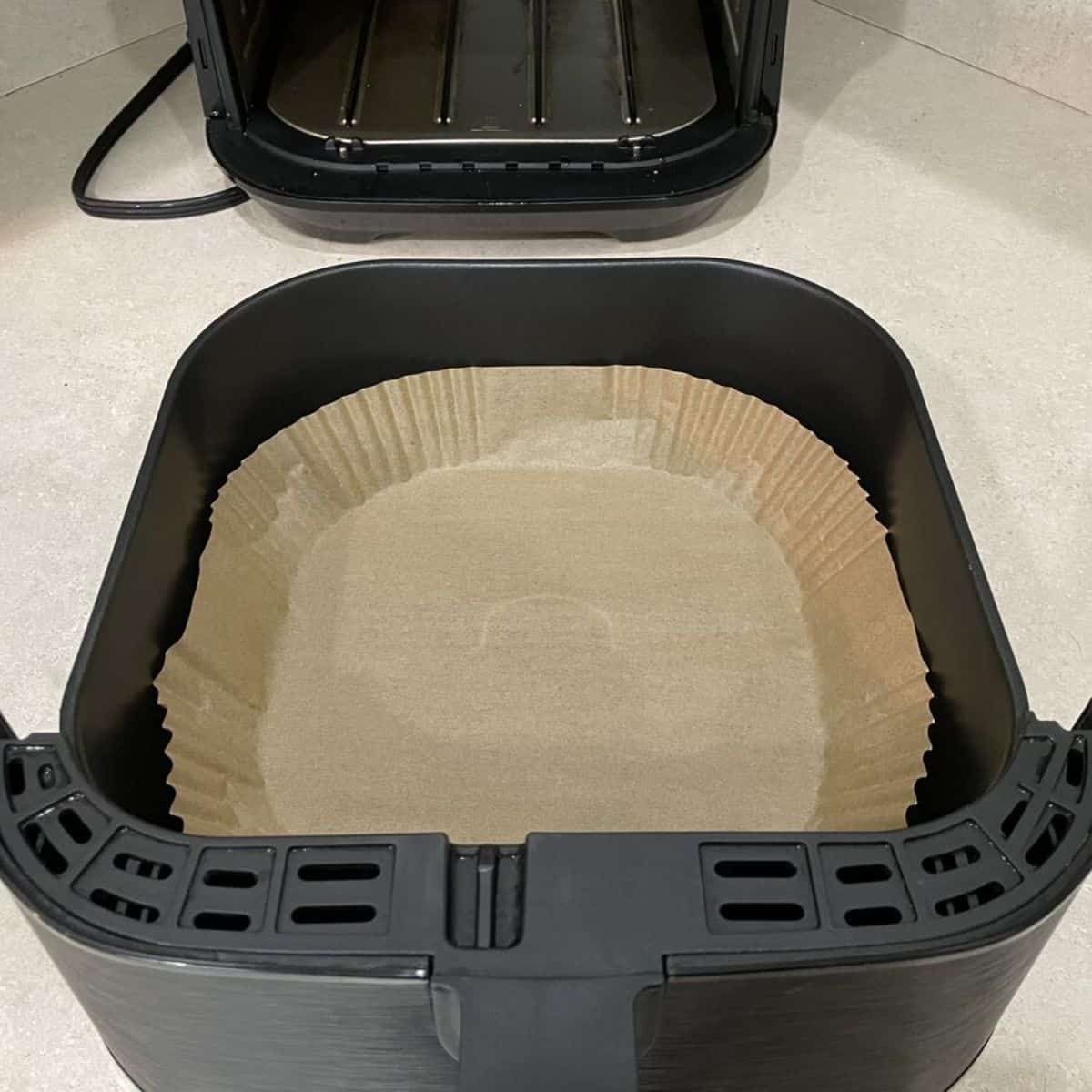
Air fryer liners make cleanup fast. They also help prevent food from sticking and reduce scrubbing. Many people like liners for delicate foods, baked goods, or crumb-heavy recipes.
This air fryer liner safety guide explains when liners add value and when they add risk. Use liners for non-battered items, gentle baking, or to keep greasy messes contained. Avoid liners when they may block airflow or touch heating elements.
Types of liners and their safety profiles
There are a few common liner types. Each has pros and cons for safety and performance.
-
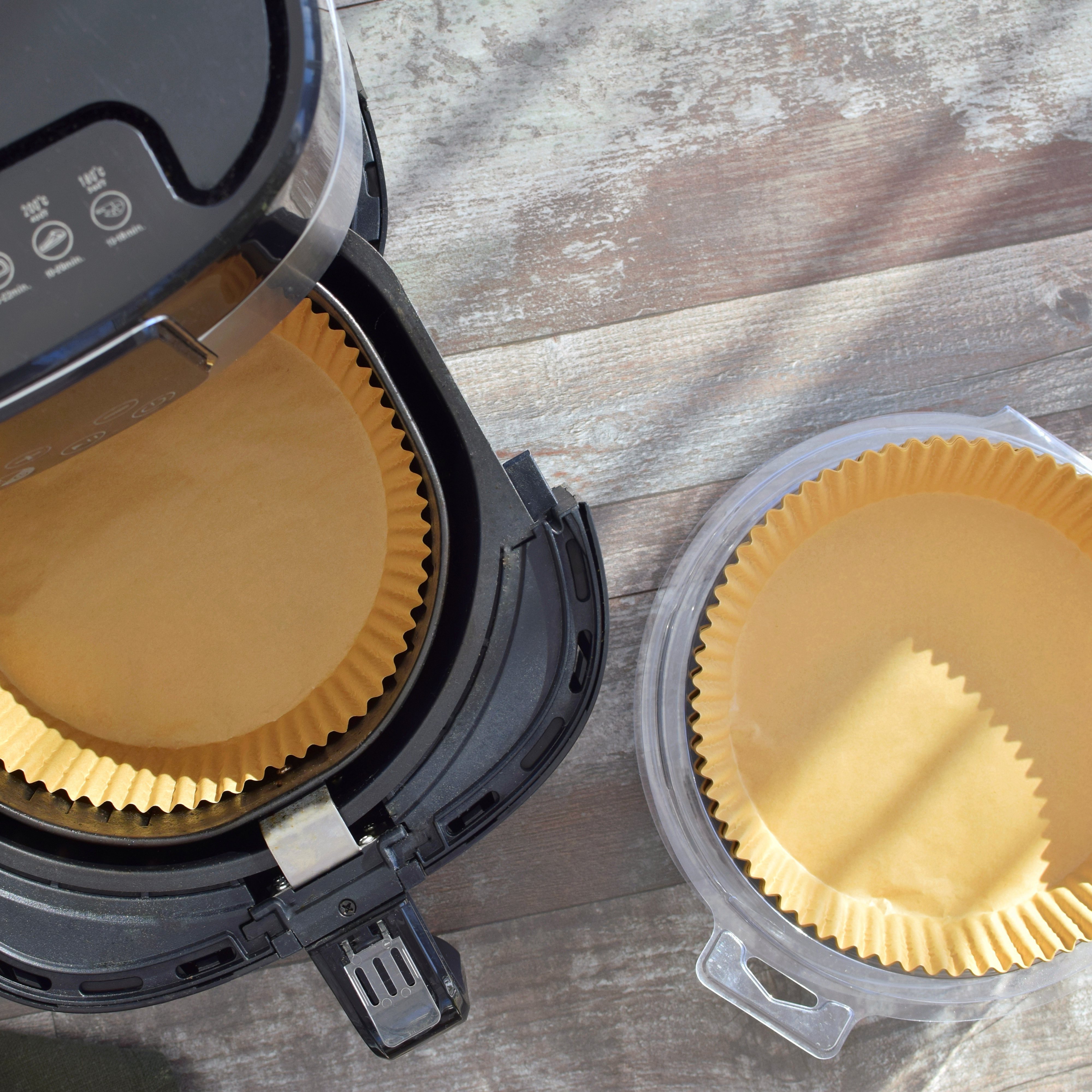
Parchment paper liners
- Usually oven-safe and nonstick.
- Suitable when they are trimmed to fit and don’t touch the heating element.
- Avoid pre-cut liners that cover the whole basket without holes.
-
Perforated parchment and paper liners
- Designed to allow airflow.
- Safer than full-sheet liners when used correctly.
-
Aluminum foil liners
- Conduct heat well and can be shaped to fit.
- Risk: foil may touch the heating element and cause sparking in some models.
-
Silicone liners and trays
- Reusable and heat-resistant.
- Good choice if they are rated for high temperatures and fit the basket.
-
Disposable mesh or greaseproof liners
- Some are marketed for air fryers.
- Check manufacturer heat rating before use.
This air fryer liner safety guide favors liners that allow airflow and are explicitly rated for high oven or fryer temperatures.

Common safety concerns and risks
Understanding risks keeps cooking safe. The main concerns are heat damage, blocking airflow, coating breakdown, and contact with heating elements.
-
Heat damage and burning
- Thin paper can scorch if it moves near the heating element.
-
Blocking airflow and performance loss
- A full liner can reduce circulation. This makes food soggy and can stress the appliance.
-
Nonstick coating breakdown
- Some liners have coatings that may degrade at very high temperatures, releasing odors or residues.
-
Fire and sparking risk
- Foil touching the element or scratched nonstick surfaces can lead to sparks.
This air fryer liner safety guide emphasizes avoiding direct contact with heating elements and only using liners that match your fryer’s temperature limits.

How to choose the safest liners
Pick liners with clear, safe attributes. Follow these steps.
-
Check temperature rating
- Choose liners rated for at least the highest temperature you plan to use.
-
Prefer perforated liners for baskets
- Holes let hot air move freely and maintain crisping.
-
Match liner shape and size
- Trim liners so they sit flat and do not flap or lift.
-
Avoid coated products with unknown materials
- Look for simple parchment or food-grade silicone.
-
Read the air fryer manual
- Manufacturer instructions may approve or ban certain liner types.
This air fryer liner safety guide suggests choosing tested, labeled products and verifying compatibility with your model before cooking.

How to use liners safely — step-by-step
Follow a short checklist each time you cook.
- Preheat the air fryer without the liner when recommended.
- Cut or buy liners that fit your basket and have holes.
- Place food on the liner to keep it anchored; do not use a bare liner in an empty basket.
- Keep liners below the rim and away from the heating element.
- Avoid using liners at extreme temperatures unless rated.
- Monitor the first few minutes of a new liner and model combo.
In my testing, placing food on a liner immediately after inserting it prevented lift and reduced risk of contact with the element. This air fryer liner safety guide recommends always anchoring the liner with food.

Cleaning, care, and disposal
Clean reusable liners after each use. Throw away disposable liners after use to avoid residue buildup.
-
Silicone liners
- Wash with warm soapy water or place on the top rack of a dishwasher if labeled dishwasher-safe.
-
Parchment and disposable liners
- Do not reuse. Dispose of them if they are greasy or singed.
-
Foil liners
- Can be recycled if clean; avoid recycling when heavily soiled.
This air fryer liner safety guide advises replacing liners that show burn marks, melting, or warping. Damaged liners are unsafe to reuse.

Alternatives to liners
If liners worry you, try these options.
-
Lightly coat the basket with oil
- Reduces sticking without blocking air.
-
Use a perforated baking pan or rack
- These are made for air fryers and allow airflow.
-
Use silicone molds and trays rated for air fryers
- Good for muffins and small bakes.
-
Basket maintenance
- Regularly wash and season the basket to reduce sticking.
These alternatives keep you safe while delivering crisp results. This air fryer liner safety guide suggests experimenting to find what works best for your cooking style.
Regulations, certifications, and buyer tips
Look for safety markers when shopping. Certified materials have passed tests for food contact and heat resistance.
-
Common labels to trust
- Oven-safe temperature labeling, FDA food-contact language, and phrases like “silicone rated to X°F.”
-
Avoid vague marketing claims
- If a product lacks clear temperature limits, assume it's not safe for high-heat use.
-
Check reviews and product Q&A
- Real user feedback often highlights compatibility issues with certain fryer models.
This air fryer liner safety guide stresses buying from trusted brands and checking for clear heat and material specifications.

My experience, mistakes, and practical tips
I tested liners across three air fryer brands and learned a few things the hard way.
-
Mistake I made
- I once used a full-sheet parchment in a smaller fryer. The paper curled and touched the element. It smoked but did not ignite. Lesson: always trim and anchor.
-
Practical tip I use now
- I buy perforated parchment or silicone for regular use. I preheat with no liner sometimes, then place the liner with the food.
-
Another useful tip
- If a liner emits an odd smell on first use, discard it and try a different brand.
This air fryer liner safety guide reflects hands-on testing. Small changes like trimming liners and anchoring them with food removed most problems for me.
Frequently Asked Questions of air fryer liner safety guide
Are air fryer liners safe to use with all air fryers?
Most liners are safe if they are rated for the fryer’s maximum temperature and do not contact the heating element. Always check your air fryer manual for specific restrictions.
Can I use parchment paper in an air fryer?
Yes, oven-safe parchment paper is usually safe when perforated and anchored with food. Avoid using unperforated sheets that cover the basket entirely.
Is aluminum foil safe in an air fryer?
Aluminum foil can be safe if it does not block airflow or touch the heating element. Avoid wrapping the basket fully and use foil only for foods that need containment.
Do silicone liners affect cooking performance?
High-quality silicone liners that are perforated usually do not harm performance and are reusable. Ensure they are rated for the air fryer’s top temperature.
What should I do if a liner starts to smoke?
Turn off the air fryer and remove the liner carefully when safe. Inspect for burns and avoid reusing damaged liners.
Conclusion
This air fryer liner safety guide gives clear steps to pick, use, and care for liners safely. Use perforated, heat-rated liners, trim and anchor them with food, and follow your air fryer manual. Test new liners at lower temperatures first and replace any that show damage.
Take action today: check the liners you own, read your fryer manual, and try a perforated parchment or silicone liner on low heat. If this guide helped, leave a comment with your liner tests or subscribe for more practical kitchen tips.