Air Fryer Ventilation Tips: Keep Kitchen Safe & Odor-Free

Keep at least 3 inches clearance and ensure unobstructed exhaust for safe air fryer ventilation.
I’ve spent years testing kitchen gear and teaching safe cooking habits, and good air fryer ventilation tips make the difference between a pleasant meal and a smoky mess. This guide covers why ventilation matters, how air fryers exhaust air, simple placement rules, hood and room ventilation options, cleaning and maintenance, and practical safety checklists you can use today. Read on for clear, usable advice based on hands-on experience and appliance best practices.

Why proper ventilation matters
Proper air fryer ventilation keeps heat, steam, smoke, and grease from building up around the unit. Poor ventilation can lead to lingering odors, smoke alarms, damaged cabinets, and even reduced appliance life. Good ventilation also improves cooking performance because a clear exhaust helps the hot air flow evenly inside the basket.
Benefits of following air fryer ventilation tips
- Reduces smoke and odors in your kitchen.
- Lowers risk of heat damage to nearby surfaces.
- Improves cooking consistency and reduces hot spots.
- Extends the life of the appliance by preventing overheating.
Risks of ignoring ventilation
- Cabinets and walls can discolor or warp.
- Fire risk if grease accumulates near vents.
- Frequent smoke alarm triggers and poor indoor air quality.
.jpg)
How air fryers vent and common exhaust types
Most air fryers use a high-speed fan to circulate hot air. The circulating air passes over the heating element and then exits through vents. Knowing how your unit vents helps you plan its placement.
Common vent types
- Back vents: Air exits the rear; keep clear space behind the air fryer.
- Top vents: Air flows upward; avoid placing objects directly above the unit.
- Side vents: Air blows sideways; leave both sides unobstructed.
- Recirculating units: Some countertop models recirculate air through a filter; these still need top or side clearance for heat.
How vent design affects placement
- Rear-exhaust models need space behind and should not be pushed against a wall.
- Top-exhaust models should not be stored under low cabinets while cooking.
- Recirculating models reduce grease spread but do not eliminate heat or steam.

Placement and clearance best practices
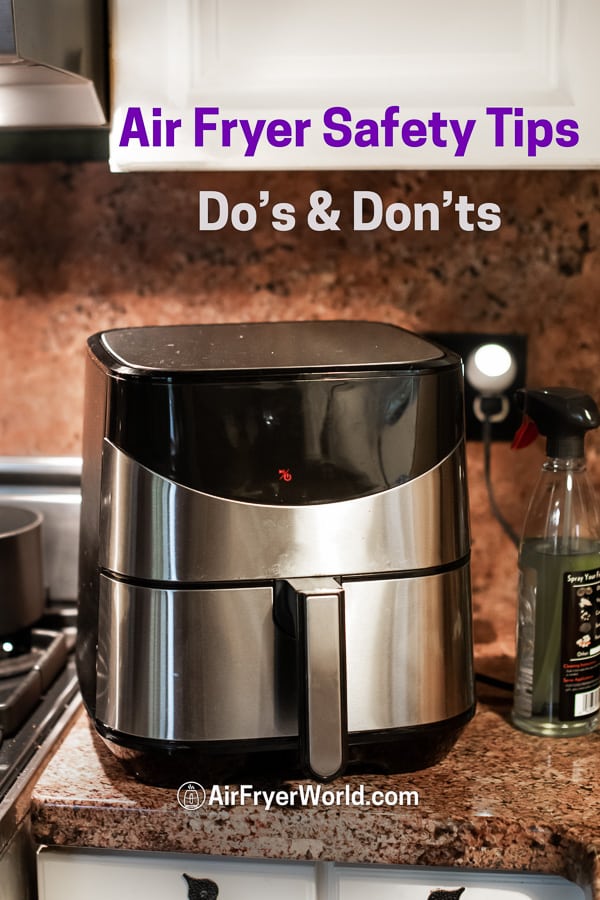
Follow safe placement rules to keep your air fryer working well and your kitchen safe. These are practical air fryer ventilation tips I use whenever I test or use a new model.
General clearance guidelines
- Keep at least 3 inches of clearance on the exhaust side. For top vents, allow at least 6 inches above.
- Place the unit on a heat-resistant, stable surface.
- Avoid enclosed cabinets, appliance garages, or under-cabinet nooks unless the manuals say it’s safe.
- Do not place the air fryer directly against fabric, paper, or curtains.
Placement examples
- On an open counter with 3–6 inches behind and 6 inches above is ideal.
- If placed near a backsplash, use a heat-resistant surface and extra rear clearance.
- For small kitchens, consider placing it near a window you can open during cooking.
Real-world note: I once ran an air fryer too close to a tall cabinet and noticed smoke residue after a few uses. Increasing the clearance and cleaning vents solved the issue quickly.
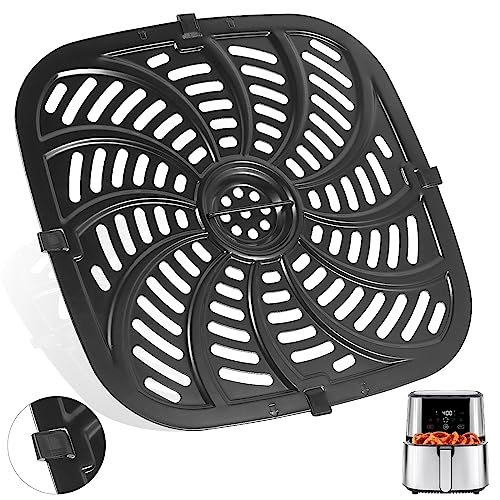
Using range hoods, ducting, and room ventilation
Kitchen ventilation makes a big difference. A good range hood or natural airflow reduces smoke and odors fast.
Range hood tips
- Use a hood rated for at least 300 cubic feet per minute (CFM) for best capture when air frying.
- Turn the hood on before you start cooking and leave it running for 5–10 minutes after finishing.
- For recirculating hoods, make sure filters are clean; they capture grease poorly compared with ducted hoods.
Room ventilation tips
- Open a nearby window when possible to create a cross breeze.
- Run a box fan or window fan to push air out if a hood is not available.
- Avoid directing airflow into the unit’s exhaust; that can hamper ventilation.
Ducting considerations
- Ducted hoods vent outdoors and remove heat and grease more effectively.
- If you must use a recirculating setup, clean filters often and supplement with room ventilation.
Maintenance, cleaning, and preventing smoke
Keeping vents and trays clean is one of the most important air fryer ventilation tips. Grease and crumbs block airflow and cause smoke.
Cleaning checklist
- Empty and clean the crumb tray after each use.
- Wipe vents and exterior surfaces weekly.
- Clean the basket, racks, and interior with warm, soapy water after every few uses.
- For hood filters, follow the manufacturer’s cleaning schedule.
Preventive cooking habits
- Pat food dry to reduce oil splatter and smoke.
- Use recommended oil amounts; excess oil creates more smoke.
- Avoid cooking very fatty or heavily breaded foods without a tray to catch drippings.
- Preheat for short times and avoid burning sugars that can stick and smoke.
Personal tip: After noticing faint smoke from fries, I started wiping the vent slots monthly. That quick habit cut smoke events by half.
Troubleshooting common ventilation problems
If you see smoke, smell burnt odors, or your air fryer trips a breaker, use these quick fixes based on hands-on testing.
Smoke or strong odor
- Stop cooking and unplug the unit. Let it cool.
- Check and clean the basket, tray, and vent openings.
- Reduce oil and remove any burned food bits.
Unit overheating or shutting off
- Check for blocked vents or heavy grease buildup.
- Move unit to a more open area and test again.
- If problems persist, contact support; do not repeatedly reset and run.
Persistent odors
- Deep clean the interior and filters.
- Run a short cycle with lemon slices or vinegar steam to neutralize smells.
- Replace worn filters when recommended.

Practical tips, safety checklist and real-life experience
Here’s a short, practical checklist you can follow every time you use your air fryer. These are simple air fryer ventilation tips I use in my kitchen daily.
- Clear 3+ inches around exhaust vents and 6+ inches above.
- Run a hood or open a window when cooking.
- Keep a small metal tray under the unit’s drip area if cooking greasy foods.
- Have a fire extinguisher rated for kitchen use nearby.
- Test smoke detectors monthly and keep them well-maintained.
Mistakes to avoid
- Don’t tuck the air fryer under a low cabinet while cooking.
- Don’t block vents with towels, paper, or open recipe books.
- Don’t ignore odd smells or smoke—inspect and clean before the next use.
Personal story: I once placed an air fryer near a paper towel roll; a puff of grease smoke singed the roll’s edge. Since then, I keep flammable items at least two feet away.

Quick questions users often ask
What happens if vents are blocked?
If vents are blocked, the unit can overheat, smoke, or shut off. Always clear airflow before use.
Can I use my air fryer under a cabinet with a hood?
You can if the hood is ducted, rated for the heat, and recommended by the air fryer manual. Keep extra clearance to be safe.
Do filters stop all grease and smells?
Filters help but do not remove heat or steam. Ducted ventilation is more effective than recirculation.
How often should I clean vents?
Inspect vents weekly and clean them at least monthly, or sooner if you cook fatty foods often.
Is it safe to run the hood and air fryer at the same time?
Yes. Running the hood improves air removal and reduces smoke and odors.

Frequently Asked Questions of air fryer ventilation tips
How much clearance does an air fryer need from walls and cabinets?
Most models need at least 3 inches behind and 3 inches on the sides; top vents often need 6 inches. Check your manual for exact numbers because models vary.
Can I use my air fryer under a cabinet without a hood?
It is not ideal. If you must, ensure a lot of vertical clearance and keep the cabinet material heat-resistant; better is to use an open counter or a ducted hood.
Will a recirculating hood remove smoke from an air fryer?
Recirculating hoods reduce grease and smell but are less effective at removing heat and steam than ducted hoods. Use additional room ventilation when cooking.
How do I stop my air fryer from smoking when cooking fatty foods?
Pat foods dry, trim excess fat, use a drip tray, and clean the unit frequently. Also reduce oil amounts and preheat for shorter times.
How often should I replace filters or check vents?
Replace or deep-clean filters according to the hood or air fryer manual—often every 3–6 months for hoods and sooner for heavy use. Inspect vents monthly for buildup.
Is it okay to use a fan or open window instead of a range hood?
Yes, a fan or open window helps and is a good backup when you don’t have a hood. Position fans to push air out, not toward the air fryer exhaust.
Can ventilation issues damage my cabinets?
Yes. Repeated exposure to heat and grease can discolor, warp, or damage cabinets. Follow clearance guidelines and clean surfaces regularly.
Conclusion
Good air fryer ventilation tips are simple habits that prevent smoke, protect your kitchen, and help food cook better. Keep vents clear, allow the right clearance, use a hood or open window, and clean often. Try the checklist above the next time you cook to make air frying safer and more pleasant. If this guide helped, subscribe for more tips, share your own ventilation stories in the comments, or try one change today—clear the vents and notice the difference.