Air Fryer Safe Materials Guide: What To Use

Air fryers are safe with cookware like stainless steel, oven-safe glass, and food-grade silicone.
I’ve tested dozens of air fryers and read many manuals, so this air fryer safe materials guide gives clear, practical advice you can trust. You’ll learn what materials work, which to avoid, how to test cookware, and real tips from hands-on use so you can cook safely and get the best results.
Why materials matter for air fryers
Materials affect safety, flavor, and cooking performance in an air fryer. Air fryers use rapid hot air and a strong fan, so airflow and heat tolerance matter more than in a regular oven. Choosing the right cookware prevents warping, toxic fumes, and blocked airflow that can lead to uneven cooking.
This air fryer safe materials guide explains what materials handle high heat, allow airflow, and keep coatings intact. I focus on clear rules you can use right away to pick the right pan or rack for your model.
Safe materials for air fryers
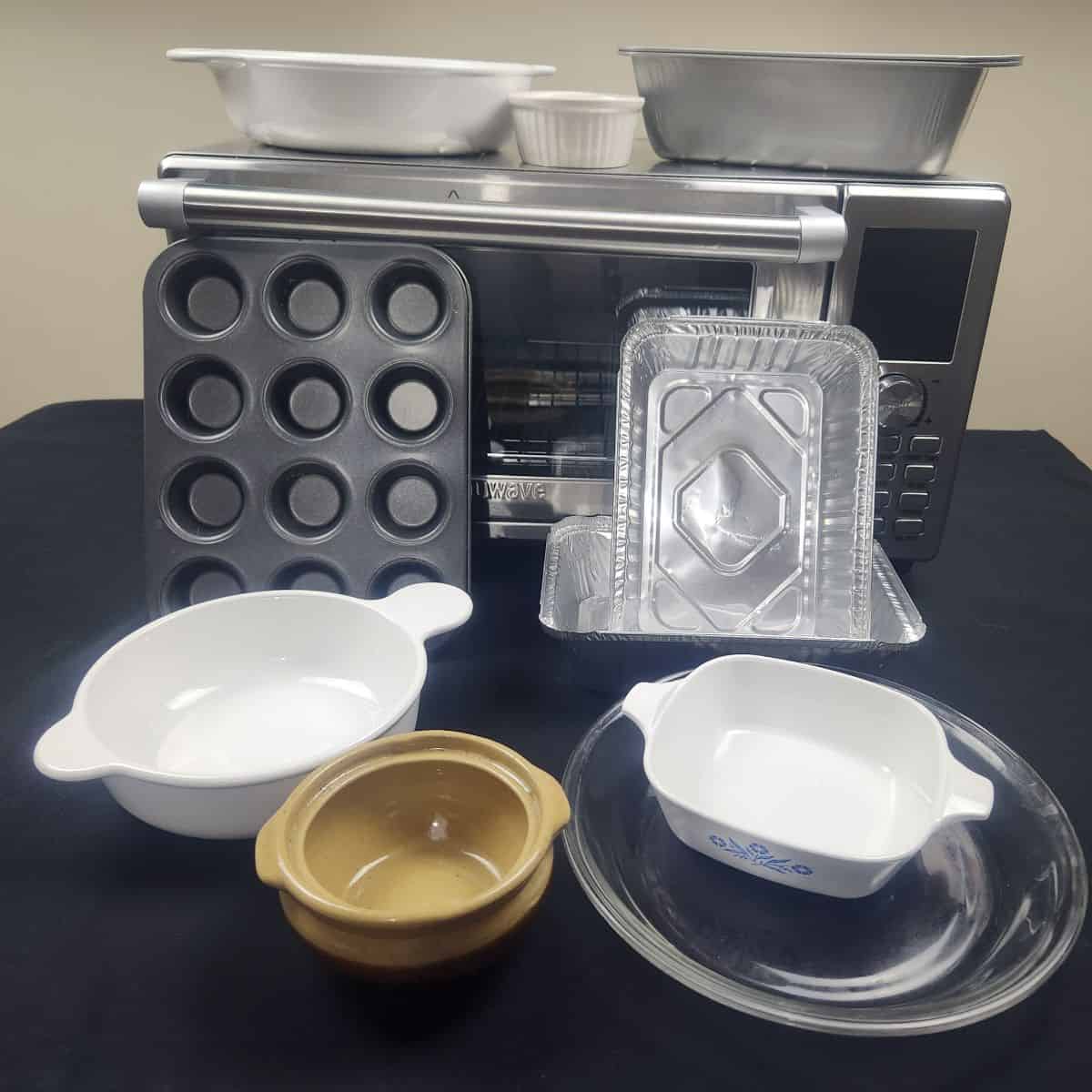
Here are the top materials that work well in air fryers and why they are good choices.
- Stainless steel
- Durable and nonreactive. It resists warping and will not emit harmful fumes.
- Great for roasting and searing. Use pans labeled oven-safe or with a safe temperature rating.
- Food-grade silicone
- Flexible and heat resistant. Silicone molds and liners handle air fryer temps well.
- Best for muffins, egg bites, and small items that need shape.
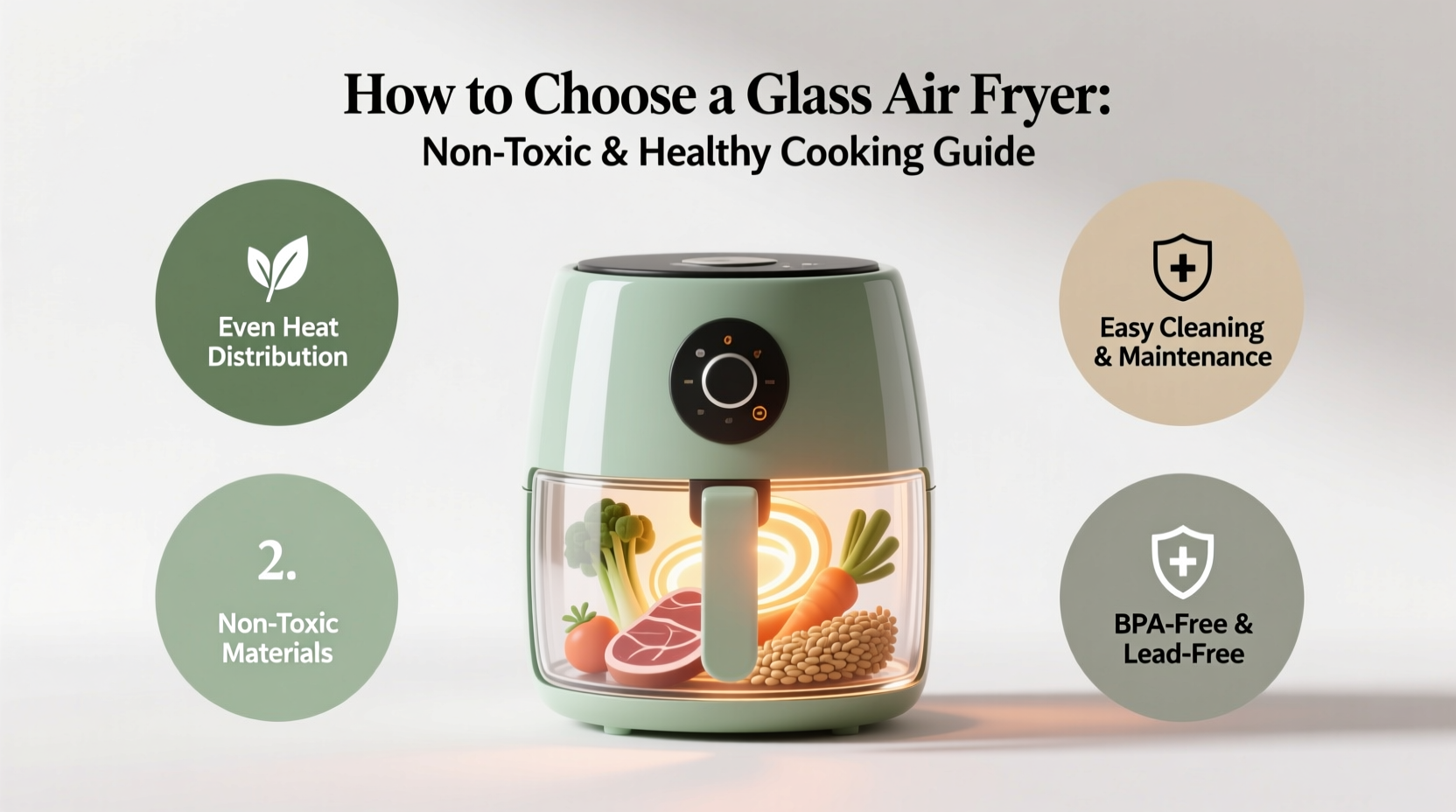
- Oven-safe glass
- Good for casseroles and dishes where you want to watch browning.
- Make sure the glass is labeled oven- or high-temperature safe to avoid shattering.
- Ceramic and stoneware
- Holds heat evenly and gives good browning. Use glazed ceramic that’s rated for ovens.
- Avoid thin, cheap ceramics that might crack from rapid heat and airflow.
- Cast iron and carbon steel
- Excellent heat retention and durability. Good for searing or roasting in larger air fryers.
- Preheat carefully and ensure your air fryer can fit the weight and height of the pan.
This air fryer safe materials guide highlights materials that match the unique air fryer environment: fast-moving hot air, compact space, and direct fan exposure. Pick cookware with clear oven-safe labels and temperature ratings for best results.

Materials to avoid and why
Some materials may look ok but are risky in an air fryer. Know which ones to avoid.
- Thin non-oven-safe plastics
- These can melt, warp, or release chemicals at high heat.
- Do not use disposable plastic containers even if they fit.
- Melamine and lacquered wood
- These items are not made for high heat and can break down or release toxins.
- Some nonstick coatings without high-temp ratings
- Cheap nonstick pans may degrade above 400°F and release fumes.
- Use only nonstick labeled as oven-safe and avoid scratched pans.
- Paper or wax-coated items not designed for oven use
- Grease or high heat can ignite or melt coatings.
This air fryer safe materials guide warns against common mistakes I’ve seen, like using a plastic takeout container or cheap nonstick that discolors after one use. Always check the item’s heat rating before trying it in your air fryer.
How to choose and test cookware for your air fryer
Choosing cookware is more than fit and finish. Use these steps to test items safely.
- Check the manufacturer’s manual
- Many air fryer makers list banned items and recommended materials.
- Look for oven-safe symbols or temperature ratings
- If an item is safe to 400°F or higher, it’s usually fine for most air fryers.
- Do a simple fit and airflow test
- Place the cookware in your air fryer with the basket and run at a low temperature for a short time to detect warping or smell.
- Start with short cooks and watch closely
- For new cookware, cook short batches while observing the first time to ensure no off-odors or problems.
This air fryer safe materials guide recommends testing in steps. In my early days, I learned to always pre-test new items; this saved me from melting a plastic bowl and creating a stubborn odor.

Care, cleaning, and longevity of cookware
Treat cookware right to extend life and keep it safe in the air fryer.
- Avoid metal utensils on nonstick surfaces
- Use silicone or wooden tools to prevent scratches.
- Hand wash when possible
- Many items last longer if you avoid harsh dishwasher cycles.
- Check coatings regularly
- If a nonstick coating peels or scratches, stop using it.
- Dry and store properly
- Prevent rust on cast iron by keeping it dry and lightly oiled.
This air fryer safe materials guide emphasizes care: a little gentle cleaning keeps silicone flexible, stainless shiny, and coatings intact for many cooks.

Common user questions (PAA-style)
What temperature can silicone safely handle in an air fryer?
- High-quality food-grade silicone typically handles up to 450°F safely, but always check the manufacturer’s limit before use.
Can I use a glass Pyrex dish in an air fryer?
- Oven-safe glass is usually fine, but ensure it fits and is rated for high heat; avoid thermal shock from rapid temp changes.
Will nonstick pans release fumes in an air fryer?
- Cheap or damaged nonstick pans can break down at high heat. Use nonstick goods labeled oven-safe and replace scratched pieces.

Personal experience, tips, and mistakes to avoid
I started using air fryers with only the included basket. Over time I added a small stainless pan, a silicone muffin tray, and an oven-safe glass dish. Here are lessons I learned from real use.
- Tip 1: Measure before buying
- I once bought a great cast iron pan that wouldn’t fit. Measure diameter and height first.
- Tip 2: Avoid stacking
- Stacking pans blocks airflow and ruins crisping. Use single layers or racks meant for your unit.
- Mistake I made: Testing new silicone at full heat
- I ran a trial at max temp and noticed a faint smell. Now I always pretest new tools at lower temps.
- Tip 3: Use lightweight racks
- Heavy pans can strain baskets. Use lighter materials for daily use and save heavy cast iron for occasional cooks.
This air fryer safe materials guide reflects real trials. My advice: buy one or two tested pieces, then expand as you learn what you need.

Frequently Asked Questions of air fryer safe materials guide
What is the safest material to use in an air fryer?
Stainless steel and food-grade silicone are among the safest due to heat resistance and nonreactive nature.
Can I use aluminum foil in an air fryer?
Yes, in small amounts for certain dishes, but avoid covering the basket completely to keep airflow free.
Is it OK to use ceramic cookware in an air fryer?
Yes, glazed ceramic that is oven-safe works well, but thin ceramics may crack from rapid heat changes.
Are disposable baking pans safe in an air fryer?
Disposable aluminum pans are sometimes safe if they fit and do not block airflow; avoid paper-based disposable pans.
How do I know if a pan is oven-safe for an air fryer?
Look for a clear oven-safe label or a temperature rating equal or higher than your intended cooking temperature.
Conclusion
This air fryer safe materials guide gives practical rules: choose oven-safe stainless steel, silicone, glass, or durable ceramics, and avoid thin plastics, melamine, and low-quality nonstick. Test new cookware, follow your air fryer manual, and care for items to keep them safe and long-lasting.
Try one new safe material this week—use an oven-safe glass dish or silicone muffin tray—and note the difference in cook time and cleanup. If this guide helped, leave a comment, share your experience, or subscribe for more simple, tested kitchen tips.