How French Press Coffee Maker Works: Simple Guide

A French press brews coffee by steeping coarse grounds and pressing a metal filter.
As a longtime coffee enthusiast and product tester, I’ll walk you through how french press coffee maker works with clear steps, the science behind extraction, and practical tips I learned from tasting dozens of brews. This guide covers mechanics, grind and ratio choices, cleaning, troubleshooting, and comparisons so you can make better coffee and avoid common mistakes.

How the French Press Works: Basic Mechanism
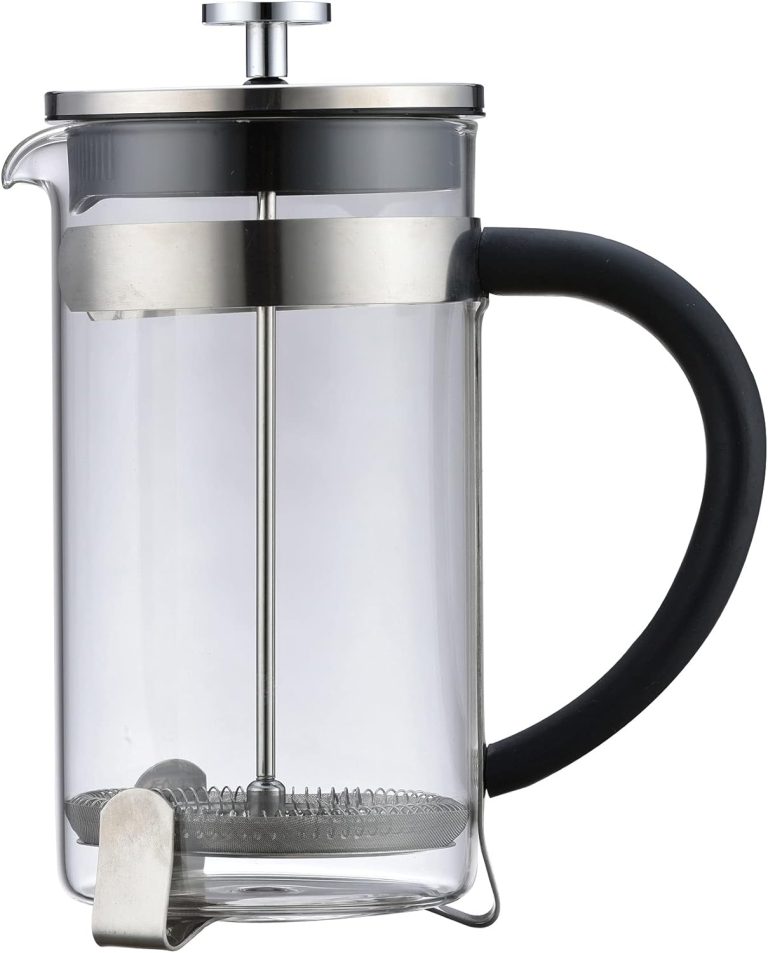
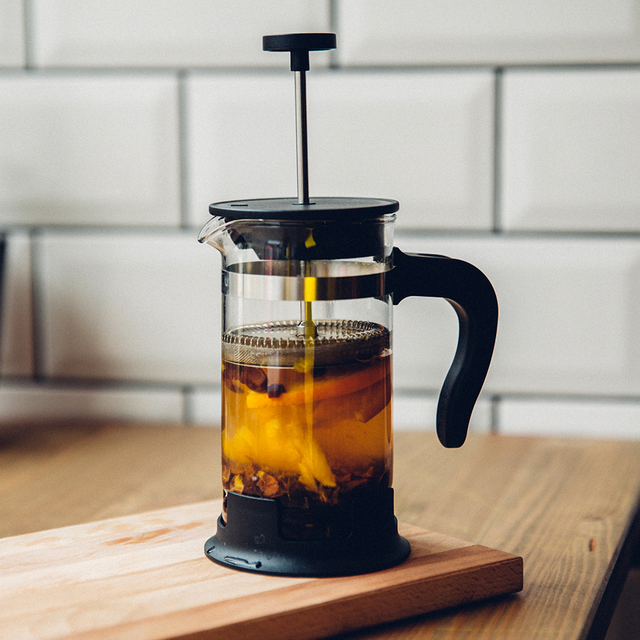
A French press is a simple steep-and-press brewer. You add coarse coffee grounds, pour hot water, let the grounds steep, then press a metal mesh plunger to separate liquid from grounds. The metal filter allows oils and micro-grounds through, which is why French press coffee tastes full-bodied.
Key parts and roles:
- Carafe — holds coffee and water and is usually glass, stainless steel, or ceramic.
- Plunger and mesh filter — presses grounds to the bottom while letting liquid pass.
- Lid and spout — keep heat in and make pouring easier.
Understanding how french press coffee maker works helps you control variables like time, grind size, and temperature to get the flavor you want. I’ve used different presses and watched how small changes change taste, and that experience informs the practical tips below.
Step-by-Step Brewing Process (Exactly How to Brew)
Here’s a reliable method that shows how french press coffee maker works in practice. Times and ratios are adjustable.
- Preheat the press and cup: Pour hot water into the carafe and discard it after warming.
- Add coffee: Use a coarse grind and place grounds in the carafe.
- Heat water: Heat to about 195–205°F (90–96°C). Let boiling water sit for 30 seconds.
- Start the steep: Pour water over grounds to saturate evenly. Use a 1:15 to 1:17 coffee-to-water ratio as a starting point.
- Stir and cover: Give a gentle stir, set the lid with the plunger up, and let brew.
- Time the brew: Steep for 3.5 to 4 minutes for balanced flavor; longer for stronger extraction.
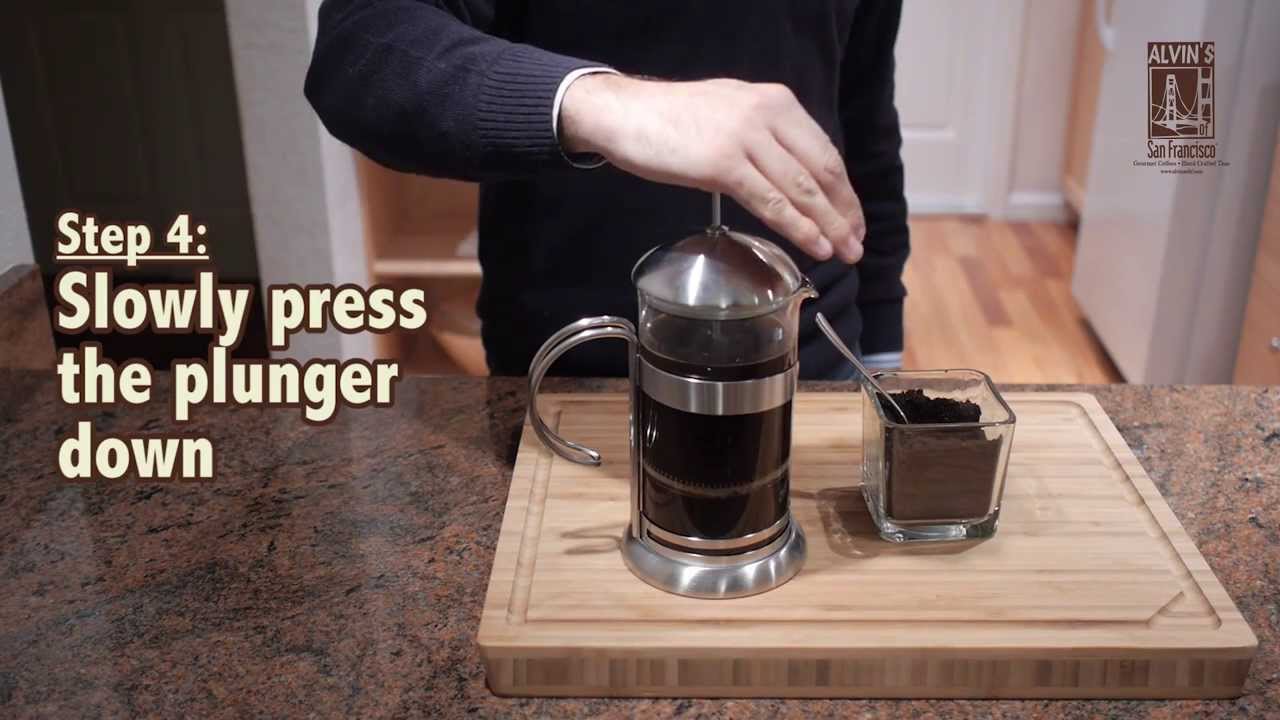
- Press and pour: Slowly press the plunger down and pour immediately to avoid over-extraction.
This step list shows how french press coffee maker works by controlling contact time, temperature, and grind. I learned to time closely after over-extracting a batch and tasting bitterness — now I use a timer every time.

Grind Size, Ratios, and Water Temperature
Grind and ratios are where the biggest differences in taste come from. They explain much of how french press coffee maker works.
Grind size:
- Coarse and even — looks like coarse sea salt. Too fine gives a silty, bitter cup.
Coffee-to-water ratio:
- 1:15 to 1:17 (grams coffee : grams water) — start at 1:16 for a balanced cup. Adjust to taste.
Water temperature:
- 195–205°F (90–96°C) — below 195°F under-extracts and tastes weak; above 205°F can scorch.
Why these matter:
- Coarse grind slows extraction and reduces fines passing through the mesh.
- Ratio controls strength and body.
- Temperature controls solubility of flavor compounds.
When I switched from 1:12 to 1:16, the bitterness dropped and delicate notes were clearer. That change is a common step for people learning how french press coffee maker works.
Flavor Profile and the Science of Extraction
A French press produces a fuller mouthfeel because the metal filter retains oils and fine particles. Knowing the science helps when you want specific tastes.
What extracts and when:
- First 30–60 seconds — acids and bright flavors extract quickly.
- 1–3 minutes — sugars and sweetness emerge.
- After 3 minutes — more bitter compounds and tannins increase.
How the mesh filter affects taste:
- Metal filter allows oils into the cup, producing body and richness.
- Paper filters (not used in classic press) trap oils and give a cleaner, lighter cup.
This explains why French press often tastes richer and heavier than drip coffee. I personally favor French press for single-origin beans with chocolate and nutty notes because their body shines through.

Equipment, Cleaning, and Maintenance
A well-kept press performs better. Proper care is a key part of understanding how french press coffee maker works long-term.
Equipment tips:
- Choose a durable carafe — borosilicate glass is clear and affordable; stainless steel keeps heat better.
- Look for a multi-layer mesh filter — it reduces fines and extends filter life.
Cleaning routine:
- Rinse immediately after use to remove grounds.
- Disassemble and deep-clean weekly with warm water and mild detergent.
- Replace mesh filters every 6–12 months depending on use.
Why cleaning matters:
- Old oils create rancid flavors.
- A clogged filter makes pressing harder and can alter extraction.
I once brewed with a neglected press and all cups tasted flat. Regular cleaning fixed the flavors immediately.
Advantages and Limitations
Knowing strengths and weaknesses explains when to choose a French press and why it behaves the way it does.
Advantages:
- Full-bodied, rich flavor thanks to oils and fines.
- Simple, no electricity required.
- Easy to scale up for multiple cups.
Limitations:
- Some sediment in the cup — not ideal if you prefer a crystal-clear brew.
- Heat loss in glass models can affect extraction consistency.
- Requires more precise technique to avoid over-extraction.
These trade-offs show how french press coffee maker works to produce distinct results versus other methods. If you value texture and mouthfeel, a press is often the best choice.

Troubleshooting and Practical Tips
Common problems and how to fix them show the practical side of how french press coffee maker works.
Problem: Bitter coffee
- Likely causes — too fine grind, too hot water, or over-steeping.
- Fix — coarsen grind, lower temp, shorten time.
Problem: Weak or sour coffee
- Likely causes — under-extraction from too coarse grind or too little coffee.
- Fix — use a finer coarse grind, increase ratio, or lengthen steep time slightly.
Problem: Grit or lots of sediment
- Likely causes — old filter or too-fine grind.
- Fix — replace or double the filter, use a slightly coarser grind.
Pro tips from experience:
- Bloom small batches: pour a little water first, wait 30 seconds, then finish the pour for more even extraction.
- Press slowly — steady downward pressure takes about 15–20 seconds.
- Pour all coffee out once pressed to stop extraction in the carafe.
These tips reflect real-world testing and show how french press coffee maker works across small tweaks.

Comparing the French Press to Other Brewing Methods
Seeing side-by-side differences clarifies when to use a press.
French press vs drip:
- French press keeps oils and fines for more body; drip uses paper filters and gives a cleaner cup.
French press vs pour-over:
- Pour-over highlights clarity and acidity; French press highlights body and sweetness.
French press vs espresso:
- Espresso is high-pressure and concentrated; French press is immersion and produces larger, less concentrated servings.
Understanding these contrasts helps you choose the right tool for flavor goals and explains where the French press fits in your coffee toolkit.
Frequently Asked Questions of how french press coffee maker works
What grind size should I use for a French press?
Use a coarse, even grind similar to coarse sea salt. Finer grinds will pass through the mesh and create sediment and bitterness.
How long should I steep coffee in a French press?
Steep for 3.5 to 4 minutes for a balanced cup. Adjust a little up or down based on taste preferences.
Does water temperature matter for French press brewing?
Yes; aim for 195–205°F (90–96°C). Water that’s too hot or too cool will under- or over-extract flavor compounds.
How do I stop my French press coffee from tasting gritty?
Use a coarser grind, a quality multi-layer mesh filter, or pour through a secondary paper filter after pressing to reduce sediment.
Can I make a strong coffee in a French press for espresso-style drinks?
You can increase the coffee-to-water ratio to make a stronger, concentrated brew, but a French press won’t match espresso’s crema and pressure-driven extraction.
Conclusion
Understanding how french press coffee maker works gives you control over flavor, body, and clarity. Focus on coarse grind, correct ratio, proper temperature, and consistent timing to get the best results. Try small tweaks, keep a brewing notebook, and taste mindfully to refine your process.
Ready to brew better French press coffee? Try the recommended 1:16 ratio and a 3.5–4 minute steep this week, and share your results or questions below — I’d love to hear how it goes.