How Do French Press Coffee Makers Work: Simple Guide

A French press steeps coarse coffee grounds in hot water, then separates them with a plunger.
I’ve spent years testing brewing methods and teaching home baristas, so I can explain exactly how do french press coffee makers work in plain terms. This guide breaks down the science, the steps, the choices that shape flavor, and practical tips I learned from hands-on brewing. Read on to master the technique and make better coffee at home.
How a French Press Works
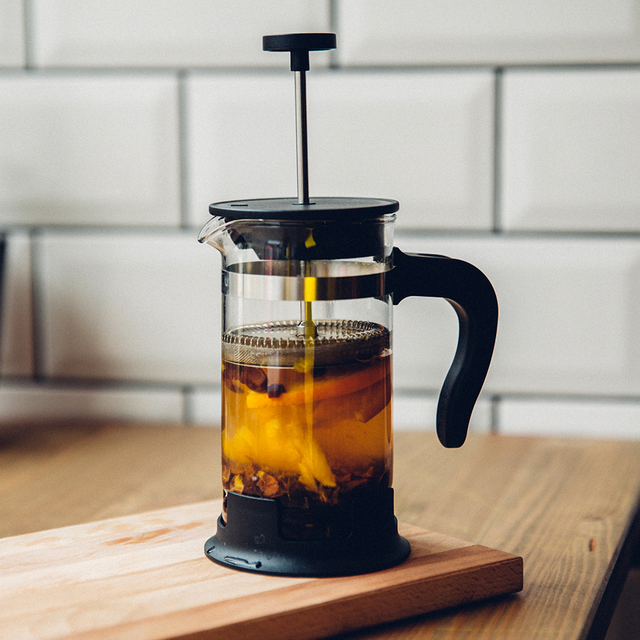
A French press is simple. You add coarse coffee and hot water, wait, then press a mesh plunger that separates grounds from liquid. This process uses full immersion extraction, which means all the coffee grounds are in contact with water for the brew time. That contact pulls oils, acids, and flavors into the cup. Understanding how do french press coffee makers work helps you control body, clarity, and strength.
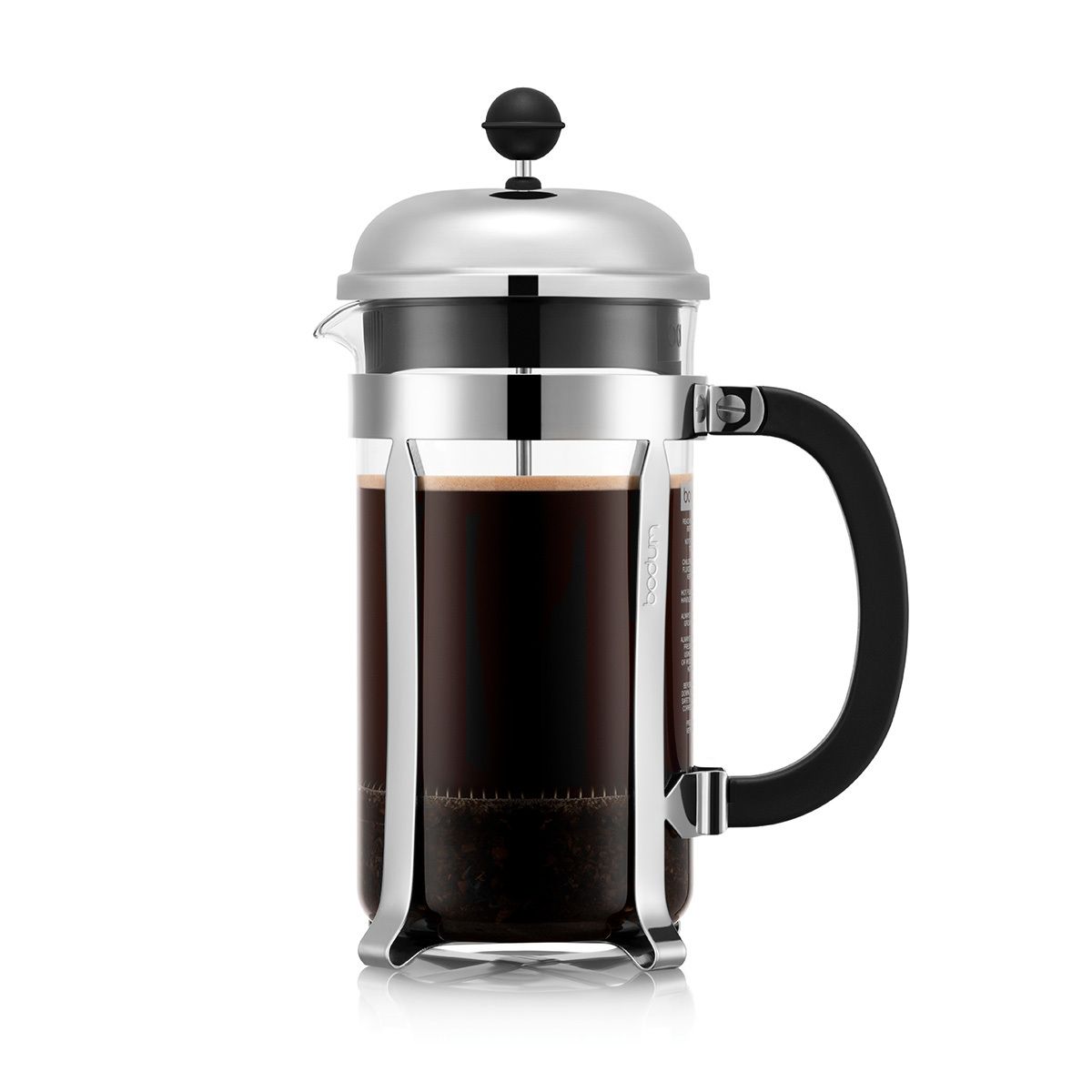
Key Parts of a French Press
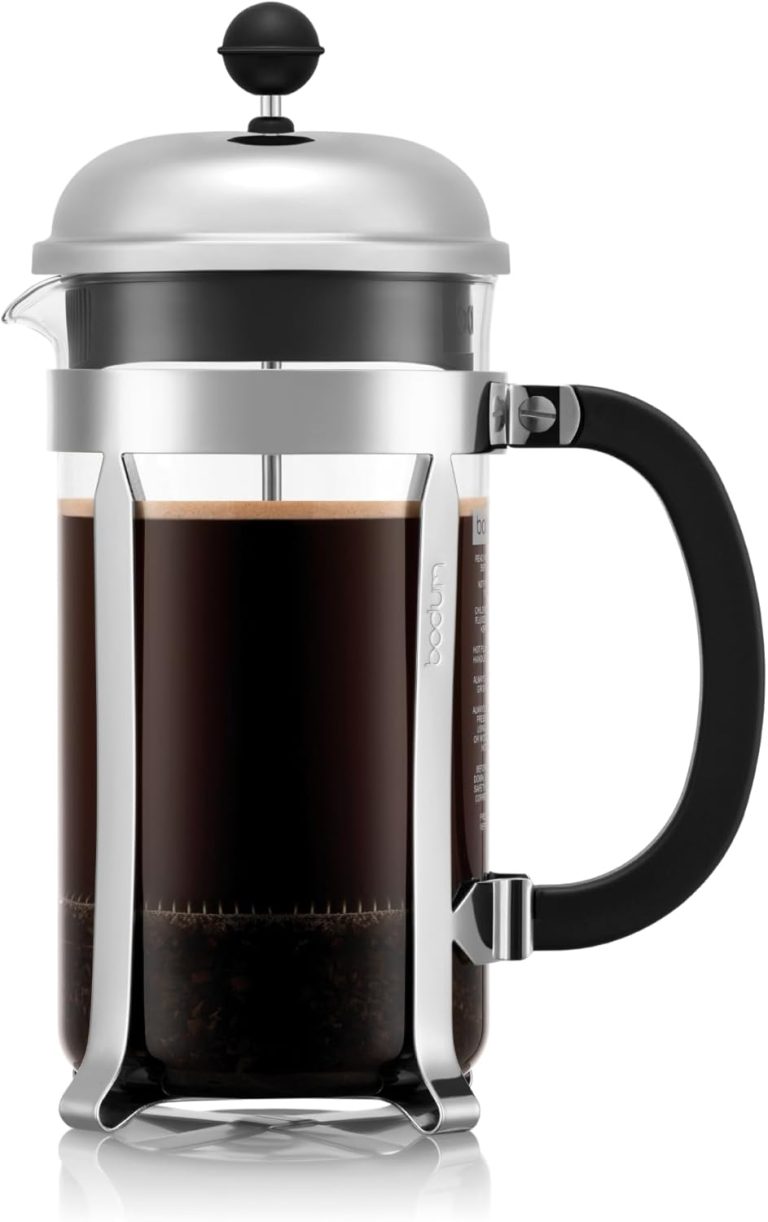
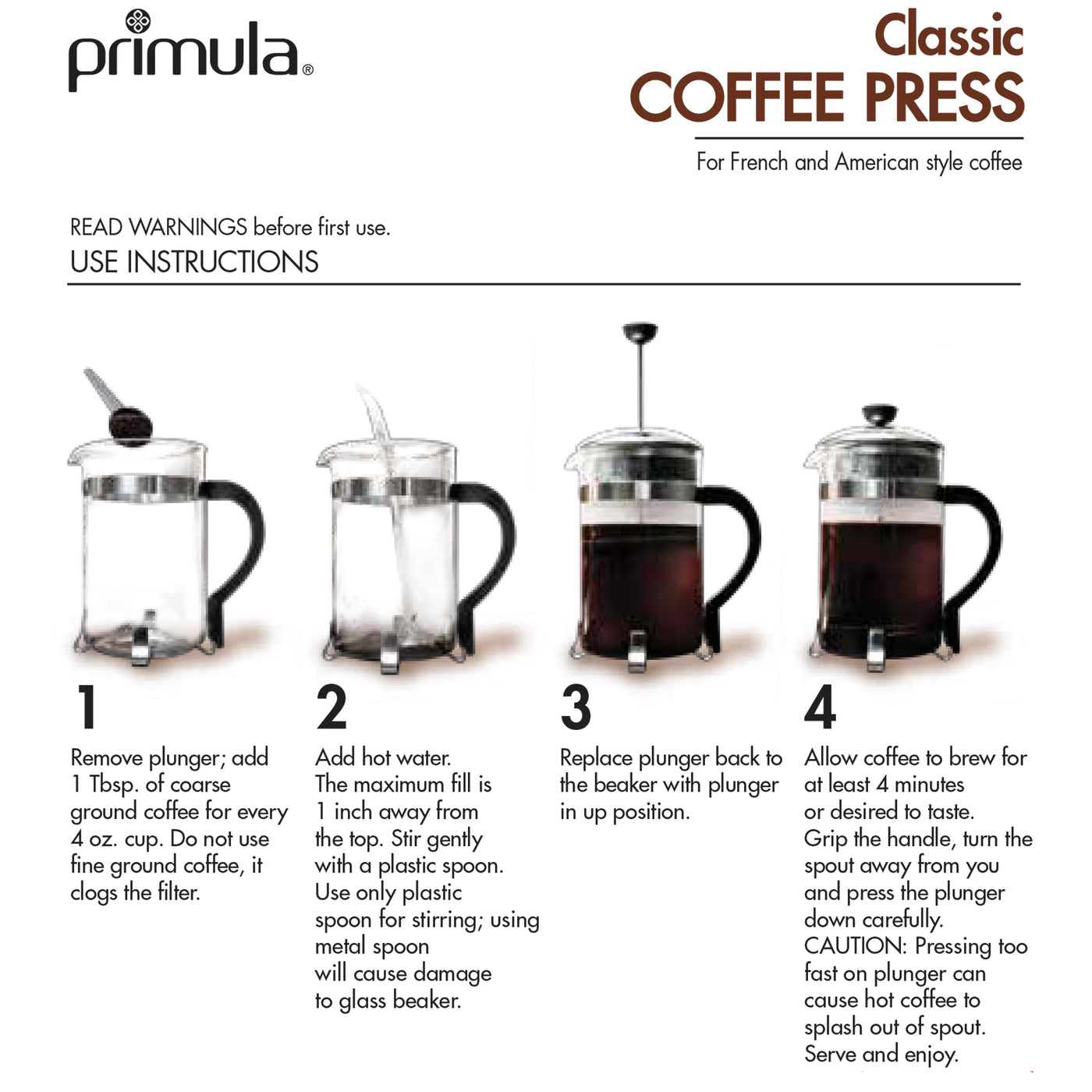
A basic French press has a few parts. Each part affects how do french press coffee makers work and the final cup.
- Carafe
- Holds water and coffee. Often glass, stainless steel, or ceramic.
- Plunger and filter assembly
- A metal or nylon mesh filter attached to a rod and lid compresses grounds to the bottom.
- Lid
- Keeps heat in and guides the plunger.
- Spout and handle
- For pouring safely and easily.
A tight, well-made filter reduces sediment but still lets oils through. That is part of why French press coffee tastes richer than drip coffee.
Step-by-Step Brewing Guide
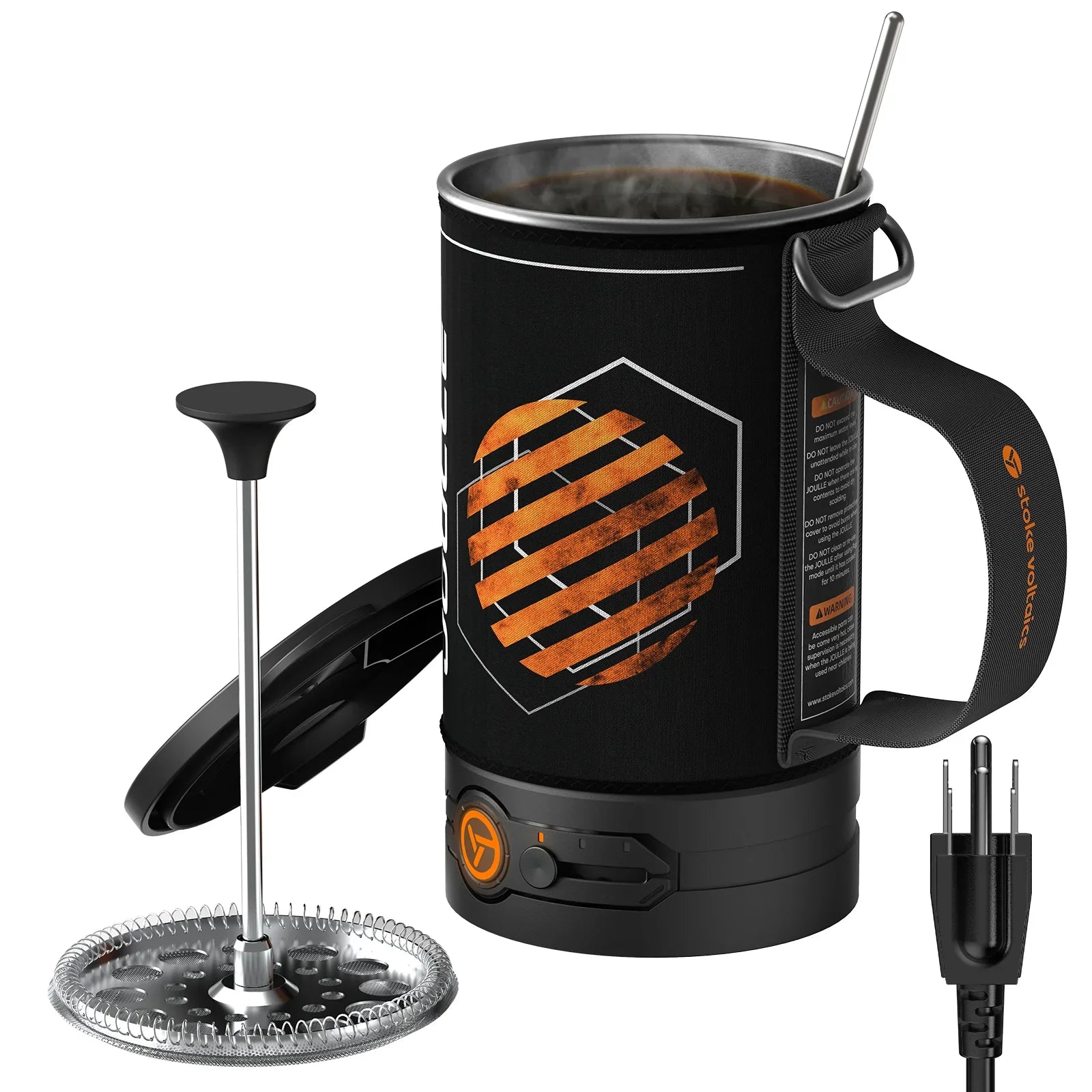
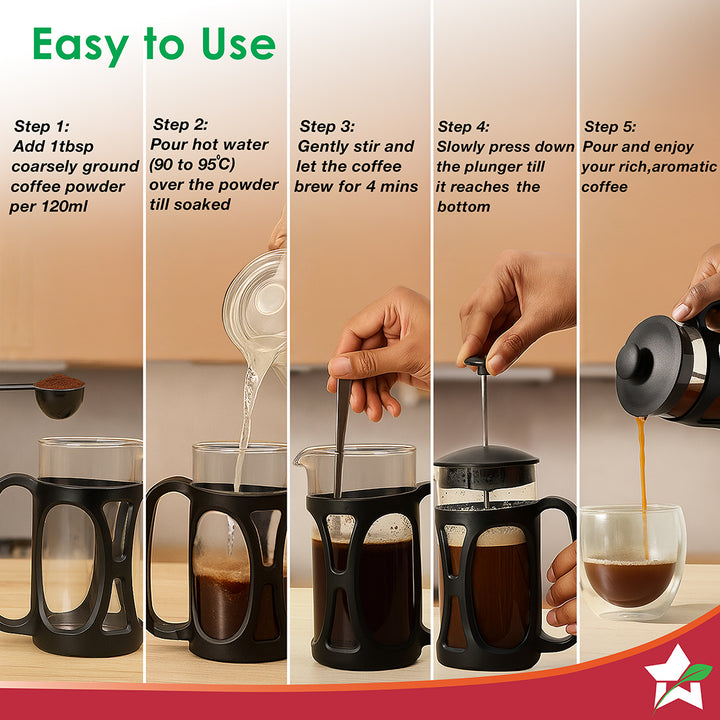
Follow these steps to learn how do french press coffee makers work in practice.
- Measure coffee and water
- Use a 1:15 to 1:17 coffee-to-water ratio to start. For 30 grams of coffee, use 450–510 grams of water.
- Heat water
- Bring water to about 200°F (just off boil). Let it cool 30 seconds if needed.
- Grind coffee
- Use a coarse, even grind. Think sea salt or breadcrumbs.
- Add grounds to carafe
- Place grounds in the bottom, then pour a small amount of water to wet them (bloom).
- Bloom and stir
- Let it sit 30–45 seconds, then add the remaining water and give one gentle stir.
- Steep
- Cover, let steep for 3–4 minutes for a balanced cup. Adjust time for taste.
- Press and pour
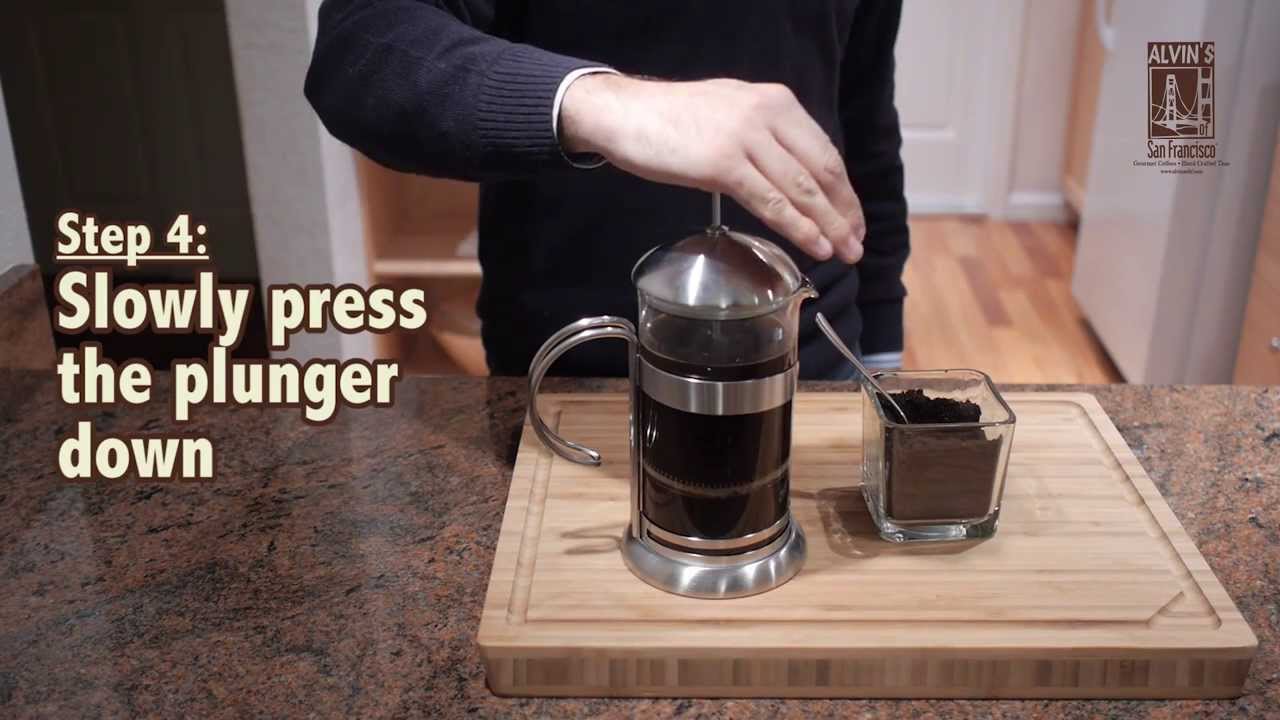
- Press the plunger down slowly and steadily. Pour immediately to avoid over-extraction.
Practicing these steps will make clear how do french press coffee makers work and how small changes affect flavor.

Grind Size, Ratios, and Water Temperature
Control these three variables to master how do french press coffee makers work.
- Grind size
- Coarse grind prevents too much sediment and slows extraction. Fine grinds over-extract and create a muddy cup.
- Coffee-to-water ratio
- A stronger cup uses a lower ratio number (1:12). Weaker uses a higher number (1:18). Start at 1:16 for most tastes.
- Water temperature
- 195–205°F extracts well. Cooler water under-extracts, making sour notes. Too-hot water can bring out harsh bitterness.
Small tweaks here create big taste shifts. Keep notes, so you can repeat what you like.
Extraction, Flavor, and What Affects Taste
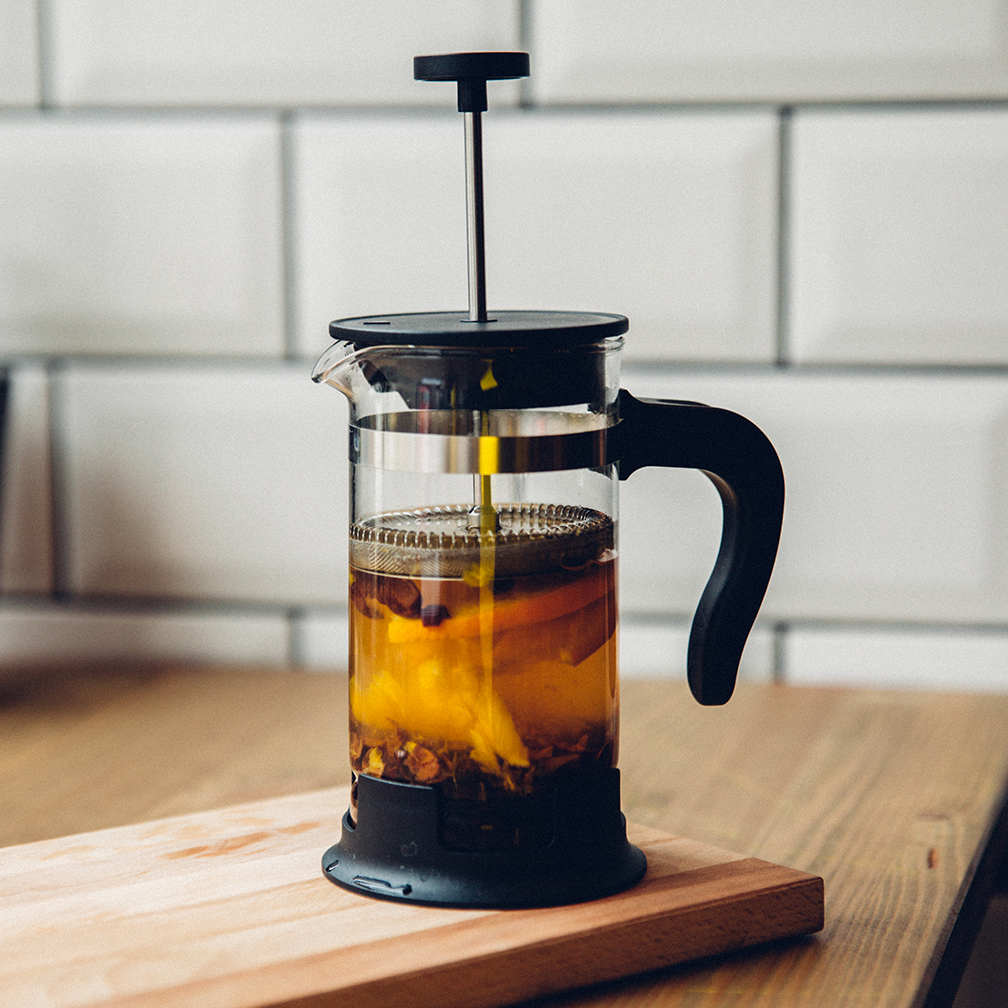
The French press method emphasizes oils and body. Knowing how do french press coffee makers work helps you shape flavor.
- Full immersion
- Even contact extracts a wide range of compounds. You get more body and oil.
- Filter type
- Mesh filters allow oils and fine particles through. Expect a heavier, more textured cup.
- Brew time
- Shorter times yield brighter, cleaner cups. Longer times deepen body and can add bitterness.
- Coffee freshness and roast
- Freshly roasted coffee tastes brighter. Dark roasts yield bolder, more chocolatey notes.
Taste is personal. Use these variables to design a cup you love.

Cleaning and Maintenance
Regular care keeps a French press performing well and shows why how do french press coffee makers work matters long term.
- Daily rinse
- Empty grounds and rinse the carafe after each use.
- Deep clean weekly
- Disassemble the plunger and scrub filters and mesh with warm soapy water.
- Replace filters if damaged
- A warped or torn screen lets grounds through and changes extraction.
- Descale if needed
- Use a mild vinegar solution if mineral buildup affects function.
Keeping parts clean preserves flavor and prolongs the tool’s life.
Pros and Cons
Weighing pros and cons clarifies why people choose or avoid a French press and explains how do french press coffee makers work in context.
Pros:
- Full-bodied, rich flavor and oils
- Simple design with no electricity needed
- Easy to brew multiple cups at once
Cons:
- Some sediment in the cup
- Longer clean-up than automatic makers
- Temperature drops faster in glass models
Choose based on what matters to you: body and flavor or clarity and speed.
Choosing the Right French Press
Make a good purchase by focusing on parts that affect how do french press coffee makers work.
- Material
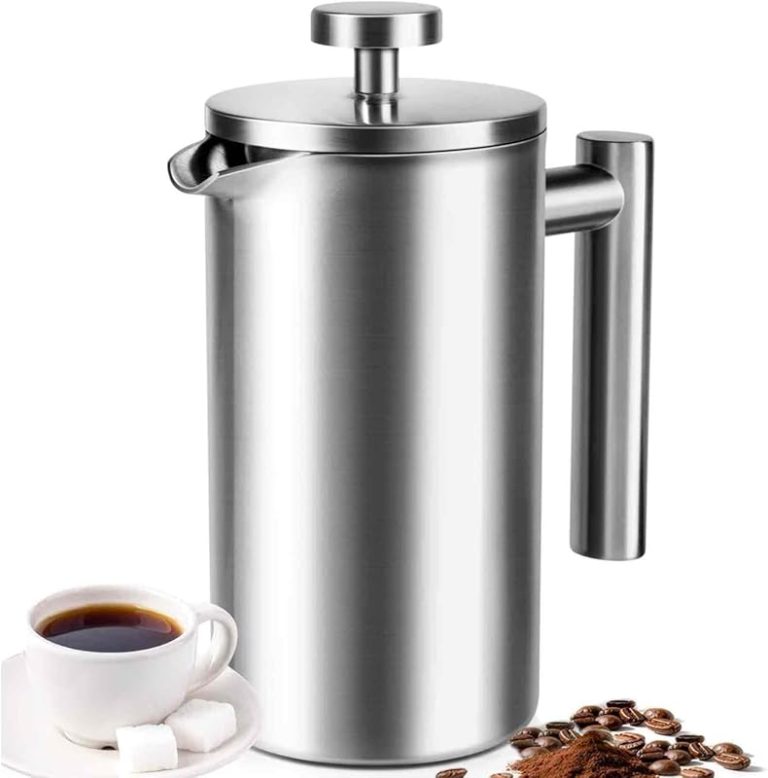
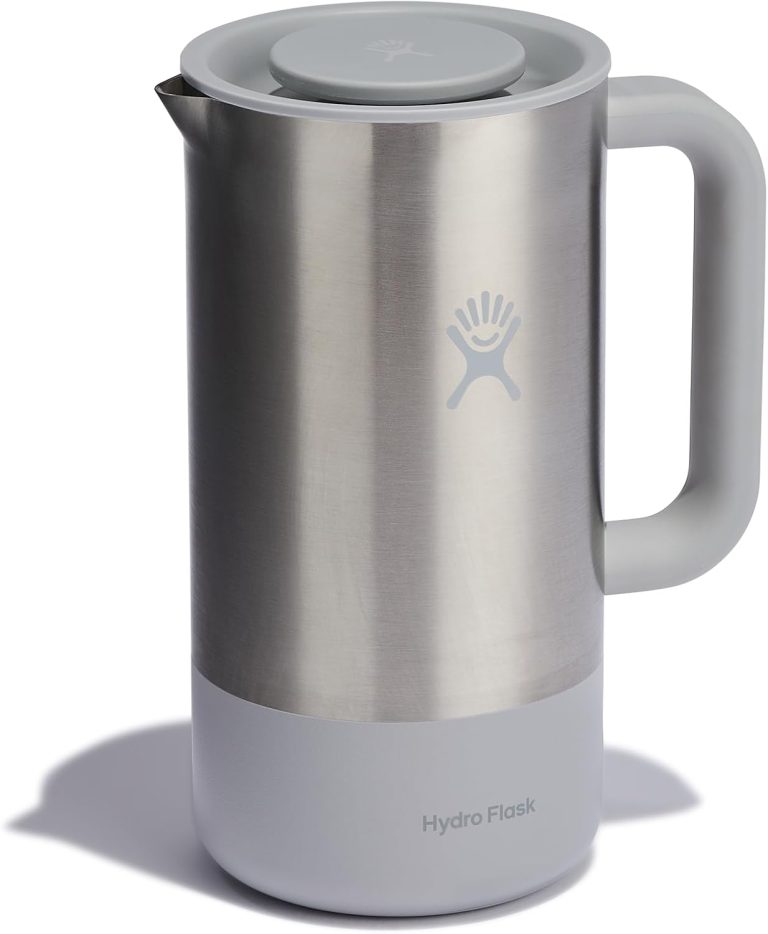
- Stainless steel keeps heat better. Glass shows the brew but cools faster.
- Size
- Buy for the number of cups you usually make. Too-large carafes can waste coffee.
- Filter quality
- Look for tight mesh and solid seals to reduce sediment.
- Build and warranty
- A sturdy frame and good warranty signal better long-term use.
Try a few and pick one that matches your routine and taste.
My Experience and Practical Tips
I brewed hundreds of French press pots to learn what works. Here are practical tips from real trials that show how do french press coffee makers work in daily life.
- Preheat the carafe
- Rinse it with hot water to keep brew temp steady.
- Stir gently after adding water
- This wets grounds evenly and improves extraction.
- Press slowly
- A fast press pushes fines through the mesh. Slow pressure gives cleaner separation.
- Pour straight away
- Leaving coffee on grounds continues extraction and can make it bitter.
- Use a metal filter for travel
- It keeps heat and survives drops better than glass.
These small habits made a clear, repeatable cup in my tests.
Frequently Asked Questions of how do french press coffee makers work
How long should I steep my coffee in a French press?
A good starting point is 3 to 4 minutes. Adjust by 30-second increments to find your preferred balance between brightness and body.
What grind size is best for a French press?
Use a coarse, even grind similar to sea salt. Coarse grounds slow extraction and reduce the amount of sediment in the cup.
Can I use a French press for tea or cold brew?
Yes. For tea, reduce steep time and watch for bitterness. For cold brew, use coarse grounds, cold water, and steep 12–24 hours in the fridge.
Why is my French press coffee bitter or weak?
Bitter coffee usually means over-extraction from too fine a grind, too-hot water, or too-long steeping. Weak coffee often means under-extraction from too coarse a grind or too short a brew time.
How do I reduce sediment in my French press cup?
Try a slightly coarser grind, slow and steady pressing, and letting the pot settle a minute before pouring. A second fine pour through a paper filter also helps.
Is a French press healthier than drip coffee?
French press coffee contains more oils and some compounds that affect cholesterol in sensitive people. For most, it’s fine in moderation, but consult health guidance if you have concerns.
Conclusion
A French press is a simple tool that gives rich, full-bodied coffee when you understand how do french press coffee makers work. Master the grind size, ratio, water temp, and timing to shape flavor the way you want. Try the steps and tips here, keep a brewing log, and adjust one variable at a time to improve. If this guide helped, try a new coffee roast tomorrow, subscribe for more brewing tips, or leave a comment sharing your favorite method.