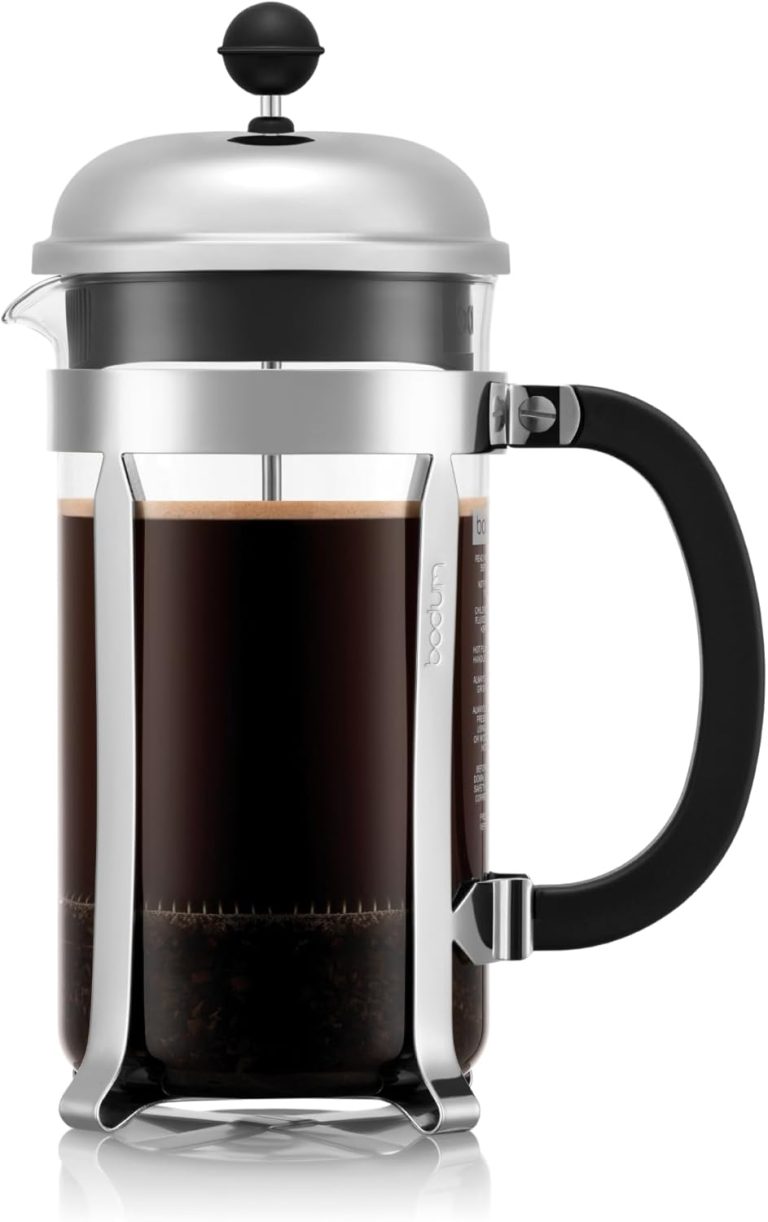
How To Make Perfect French Press Coffee: Pro Tips

Use fresh coarse coffee, 1:15 ratio, 200°F water, bloom 30s, steep 4 minutes, plunge slow.
I’ve brewed hundreds of French press pots and tested many tweaks. This guide shows how to make perfect french press coffee with clear steps, simple science, and real-life tips. You will learn the best grind, the right water, the ideal ratio, and fixes for common problems. Read on to get a repeatable method that makes rich, clean coffee every time.

What is a French press and why it matters
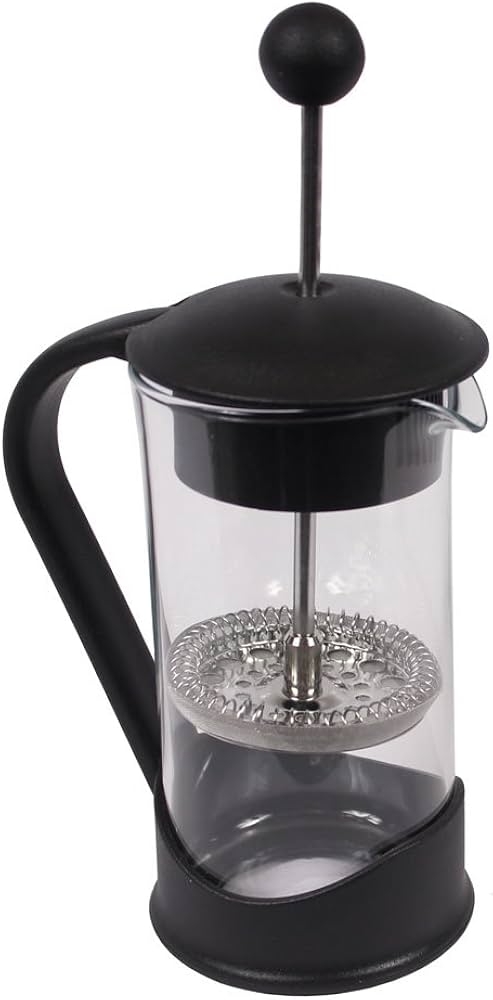
A French press is a simple immersion brewer. Ground coffee sits in hot water for several minutes. A metal or mesh filter pushes grounds to the bottom. This method keeps oils and body in the cup. It makes a full, rich brew that many drinkers love.
Immersion means extraction happens while grounds and water mix freely. This boosts flavor and mouthfeel. If you want bold taste and weight in the cup, the French press is a top choice.

Key gear and ingredients you need
Good tools make great coffee. You do not need fancy gear. You do need good basics.
- French press: Use a clean press sized for your needs. Glass is classic; stainless steel keeps heat.
- Burr grinder: A burr grinder gives a steady coarse grind. Blade grinders make uneven sizes.
- Fresh beans: Use beans roasted within 2–3 weeks for best flavor. Store in a cool, dark place.
- Scale: Measure coffee and water for repeatable results.
- Kettle and thermometer: Aim for 195–205°F (90–96°C) water.
- Timer: Track bloom and steep time.
I learned early that a good burr grinder and a scale change results more than any gadget. If you buy one upgrade, make it the grinder.

The science behind a great cup
Extraction pulls oils, acids, and sugars from coffee. Time, grind, water, and temperature control extraction. Coarse grounds slow extraction. Hotter water speeds it. Too little extraction tastes sour. Too much tastes bitter. Balance is the goal.
A 1:15 coffee-to-water ratio yields a full cup without excess bitterness for most beans. A 4-minute total steep is a reliable starting point. Small changes in grind and time tune the taste. Knowing the variables helps you fix problems fast.

Step-by-step: how to make perfect french press coffee
Follow this simple routine. It works for most beans and most presses.
-
Measure and grind
- Use 1 part coffee to 15 parts water by weight. For one 12-ounce cup, use about 20 grams coffee and 300 grams water.
- Grind to coarse, even crumbs. It should look like coarse sea salt.
-
Heat and preheat
- Heat water to 195–205°F (90–96°C).
- Pour a bit of hot water into the French press to warm it. Discard the rinse water.
-
Bloom
- Add ground coffee to the press. Start the timer.
- Pour just twice the weight of coffee in water (for 20 g coffee, pour 40 g water) to bloom for 30 seconds. Stir gently to wet all grounds.
-
Full pour and steep
- Pour remaining water up to your target weight. Place the lid with the plunger up. Let coffee steep undisturbed for 3.5 to 4 minutes total from first pour.
-
Plunge and pour
- At 4 minutes, press the plunger down slowly and steadily. Aim for 20 seconds to finish the plunge.
- Immediately pour coffee into a carafe or cups to stop extraction.
-
Clean up
- Dump grounds and rinse the press. Coffee oils can go rancid if left in the mesh.
This exact routine is how to make perfect french press coffee for me most mornings. It gives a clean, bold cup with low sediment.

Troubleshooting and common mistakes
Most issues are simple to fix. Adjust one variable at a time.
- Sour or weak coffee: Use a finer grind, longer steep, or slightly hotter water.
- Bitter or harsh coffee: Use a coarser grind, shorter steep, or slightly cooler water.
- Too much sediment: Grind is too fine or press slowly. Use coarser grind and decant quickly.
- Flat taste: Beans are old or under-roasted. Try fresher beans or a different roast.
I once blamed my press for bitter coffee. It was old beans. Fresh beans fixed it instantly.

Advanced tips and tasty variations
Try these when you want to explore beyond the basics.
- Invert method: Flip the press during bloom for a fuller bloom and less heat loss. Use care; it’s advanced.
- Two-minute longer steep: For very dark roasts, add 1–2 minutes to soften acidity.
- Cold brew French press: Use the same coarse grind, 1:8 ratio, steep 12–16 hours in fridge.
- Rinse the mesh: Rinse the filter with hot water before brewing to reduce paper-like flavors from packaging.
- Use a scale and notebook: Log grind, time, and taste to refine your brew.
Small changes make big differences. Keep notes. I test one change at a time. That helps me find what suits each bean.

How to make perfect french press coffee: flavor pairing and serving tips
Serve to bring out the best flavors. Simple pairings work best.
- Light roast: Pair with fruit or citrus pastries.
- Medium roast: Pairs well with milk-based breakfast foods.
- Dark roast: Good with chocolate or nutty treats.
- Add hot milk or a dash of cinnamon for extra warmth.
Pour into pre-warmed cups to keep flavor and heat. A short rest after plunging helps grounds settle before pouring. These small habits improve every cup.

Frequently Asked Questions of how to make perfect french press coffee
How coarse should the grind be for French press?
Aim for a coarse grind similar to sea salt or coarse sand. Too fine leads to over-extraction and sludge.
What is the best coffee-to-water ratio?
Start with 1:15 (coffee:water by weight). Adjust to taste between 1:14 and 1:17 for different beans.
How long should I steep French press coffee?
Four minutes is a solid starting point. Change by 30–60 seconds to tune flavor.
Should I preheat the French press?
Yes. Rinsing the press with hot water keeps temperature stable and improves extraction. Discard the rinse water before brewing.
Why is my French press coffee bitter?
Bitter coffee often comes from too fine a grind, too hot water, or too long a steep. Try coarser grind or shorter steep time.
Conclusion
You can make perfect french press coffee with a clear method and a little practice. Use fresh beans, a consistent coarse grind, 1:15 ratio, 200°F water, a 30-second bloom, and a 4-minute steep. Taste and tweak one variable at a time. Try the tips here, keep a short log, and enjoy the process of dialing in your favorite cup. Give it a try tomorrow morning and share your results or questions below.