What Are The Advantages Of French Press Coffee Maker: Guide

Richer, fuller coffee with simple tools—easy control, bolder flavor, and eco-friendly brewing.
I’ve brewed hundreds of cups with a French press and helped friends dial in their morning routine. In this article I’ll explain the real advantages of french press coffee maker, from flavor and control to cost and sustainability. You’ll get practical tips, clear trade-offs, and real-world advice so you can decide whether a French press belongs on your counter.
How a French press works and why it matters
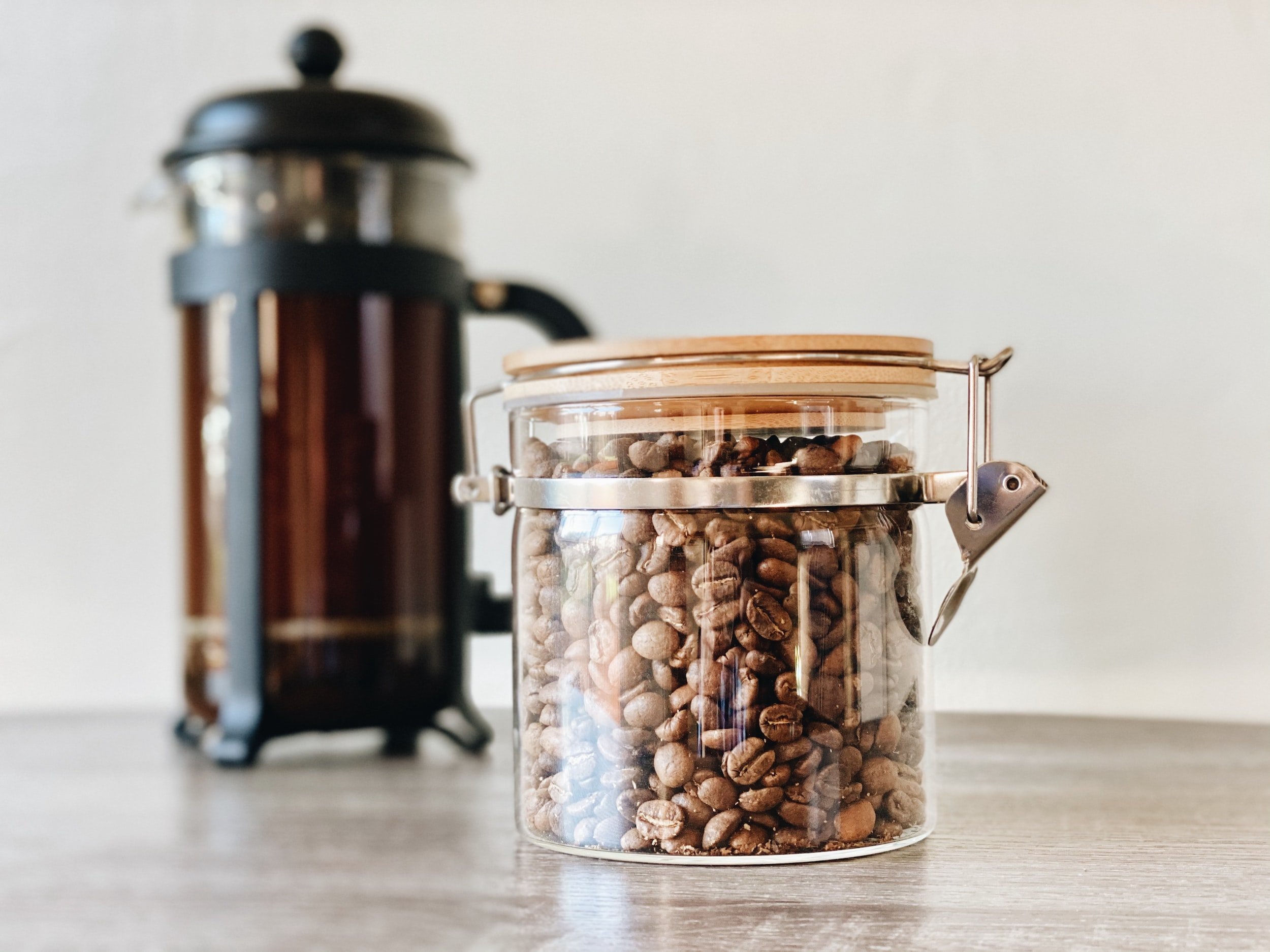
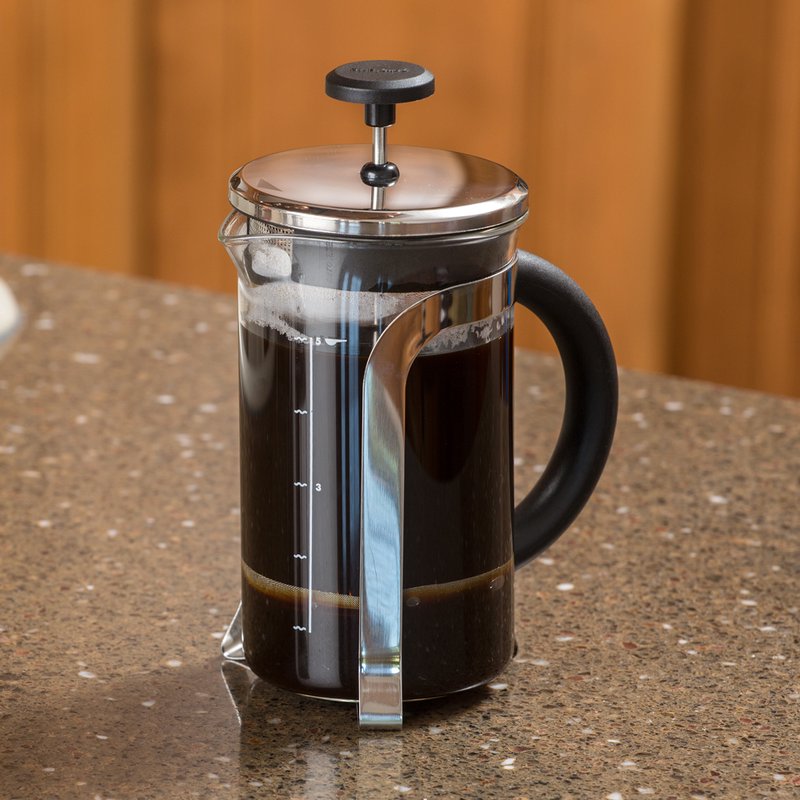
A French press is an immersion brewer: coarse coffee grounds steep in hot water, then a mesh plunger separates grounds from liquid. This simple method leaves more of the coffee’s natural oils and soluble solids in the cup, which affects taste and mouthfeel.
Understanding the mechanics helps explain the advantages of french press coffee maker. Because extraction happens during a timed steep, you control strength by grind size, water temperature, and steep time rather than machine settings.
Top advantages of french press coffee maker
- Full-bodied flavor
- The metal mesh filter lets oils and fine particles through, giving a richer, heavier mouthfeel than paper-filtered coffee.
- Cleaner equipment and fewer parts
- There’s no need for pods or complicated machines, so setup and teardown are quick.
- Precise control over brewing variables
- You decide grind size, water temperature, coffee-to-water ratio, and steep time for repeatable results.
- Cost-effectiveness
- A quality French press is inexpensive up front and saves money compared with frequent café purchases or pod machines.
- Portability and reliability
- No electricity is required, making it ideal for kitchens, travel, and camping.
- Environmental benefits
- No paper filters or single-use pods mean less waste and lower ongoing costs.
These advantages of french press coffee maker make it attractive for home brewers who value flavor, control, and simplicity.

Flavor, body, and what to expect in the cup
The biggest selling point is taste. Because the press uses a metal filter, more natural oils and fine coffee particles remain in the brew. That results in:
- Stronger aroma and fuller body
- More pronounced chocolatey, nutty, and earthy notes
- Slightly heavier mouthfeel compared with drip coffee
The advantages of french press coffee maker shine when you use freshly roasted beans and a consistent coarse grind. Small tweaks—like lowering temperature or shortening steep time—let you refine clarity versus body.
:max_bytes(150000):strip_icc()/faw-bodum-chambord-french-press-34oz-rkilgore-325-328cccc970f04514b98d493e538feb75.jpeg)
Control and customization: make coffee your way
If you like to experiment, a French press rewards small changes. Try these variables:
- Grind size: coarse for less sediment, finer for more extraction
- Brew time: 3 to 5 minutes is common; longer yields stronger coffee
- Water temperature: 195–205°F (90–96°C) is a good target
- Coffee-to-water ratio: 1:15 to 1:17 works well for most tastes
Because you control these elements directly, the advantages of french press coffee maker include easy personalization and fast iteration. You can replicate stellar cups once you find a setting you love.

Simplicity, cost, and sustainability benefits
A French press is low-tech but high-value. Advantages include:
- Low purchase cost and long lifespan with proper care
- Minimal consumables—no paper filters or pods
- Easier cleanup: rinse and a quick scrub or dishwasher-safe parts on many models
- Reduced waste and lower long-term environmental impact
If you want a sustainable way to make great coffee without recurring purchases or complicated maintenance, the advantages of french press coffee maker are clear.

Health notes and trade-offs
Unfiltered coffee keeps oils like cafestol, which can raise LDL cholesterol in sensitive individuals. That’s a trade-off to weigh against the flavor benefits. For most people, occasional French press coffee is fine; those with high cholesterol concerns can limit intake or alternate brew methods.
Being transparent about risks is part of choosing equipment. The advantages of french press coffee maker include flavor and control, but the health trade-offs matter for some drinkers.

Maintenance, durability, and cleaning tips
A well-maintained press will last for years. Keep these tips in mind:
- Rinse grounds immediately; dry parts to prevent odors
- Replace the mesh filter if it warps to maintain consistent filtration
- Choose stainless steel for durability or borosilicate glass for clarity and style
- Deep clean monthly with mild detergent or a vinegar soak to remove oils
Good care preserves the advantages of french press coffee maker and avoids tainted flavors or breakage.
Limitations and when another brewer is better
No method is perfect. Consider these limitations:
- Some sediment in the cup, which some drinkers dislike
- Less clarity than paper-filtered drip or pour-over coffee
- Not ideal for very large batches unless you own a large press
- Slightly more manual involvement than an automatic machine
Knowing these limits helps you match brewing method to context. The advantages of french press coffee maker are strongest for small batches and flavor-focused drinkers.
Personal tips, mistakes to avoid, and quick recipes
From my years of brewing and testing, here’s what I learned:
- Use a burr grinder for consistent coarse grounds—blade grinders create fines and extra sediment.
- Measure by weight for consistent results: 1:15 ratio (coffee to water) is a solid starting point.
- Start the timer when water hits grounds, stir once at 30 seconds, and gently press after 4 minutes.
- Plunge slowly to minimize turbulence and reduce fines slipping through.
- Avoid pouring and letting the carafe sit on grounds for long—decant to a thermos if needed.
These practical notes show how small habits lock in the advantages of french press coffee maker for daily brewing.
Related concepts and brewing comparisons
Quick comparisons you’ll want to know:
- French press vs pour-over: French press offers more body and oils; pour-over gives more clarity and brightness.
- French press vs espresso: Different worlds—espresso is concentrated and brewed under pressure; French press is immersion and more about texture.
- French press vs automatic drip: French press provides richer flavor; drip is convenient for hands-off brewing.
Seeing these trade-offs helps you choose the right tool for your coffee goals. The advantages of french press coffee maker stand out when you prioritize flavor depth and control over automatic convenience.
Frequently Asked Questions of what are the advantages of french press coffee maker
What makes French press coffee taste different?
French press coffee tastes fuller and oilier because the metal mesh filter allows coffee oils and fine particles into the cup, increasing body and aroma.
Is French press coffee stronger than drip coffee?
Strength depends on ratio and extraction. French press often tastes stronger because it retains more oils and soluble solids, which add perceived strength.
How do I reduce sediment in my French press?
Use a coarser grind, let grounds settle for a minute before plunging, and press slowly. Decanting into another vessel helps reduce sediment in the serving cup.
Is French press coffee healthier or worse?
It’s neither strictly healthier nor worse. It retains compounds like cafestol that may raise LDL cholesterol for some people, so moderation is recommended for those with cholesterol concerns.
Can I make cold brew with a French press?
Yes. Coarse grounds steeped in cold water for 12–24 hours in a French press make a simple cold brew; press slowly and strain for clarity.
Conclusion
A French press gives you bold flavor, hands-on control, affordability, and less waste—making it a top choice for people who care about taste and simplicity. Try a few adjustments to grind size, ratio, and steep time to discover the specific advantages of french press coffee maker for your palate. If you’re curious, pick up a modest press, measure by weight, and brew a few batches—then share your results or questions in the comments below.
