Are All French Press Coffee Makers The Same: Quick Guide

No — not all French press coffee makers are the same; materials, filters, and design change the cup.
I’ve tested dozens of presses and studied brewing science. If you’ve ever asked are all french press coffee makers the same, this guide will show what really matters. I explain how shape, mesh, material, and size affect flavor, heat, and cleanup. Read on for clear tips, real tests, and usable advice to pick the right press for your routine.
How a French press works and why design matters
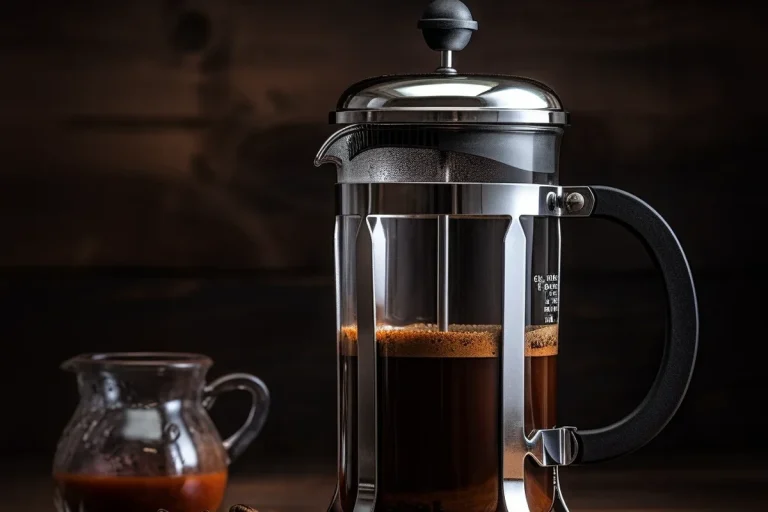
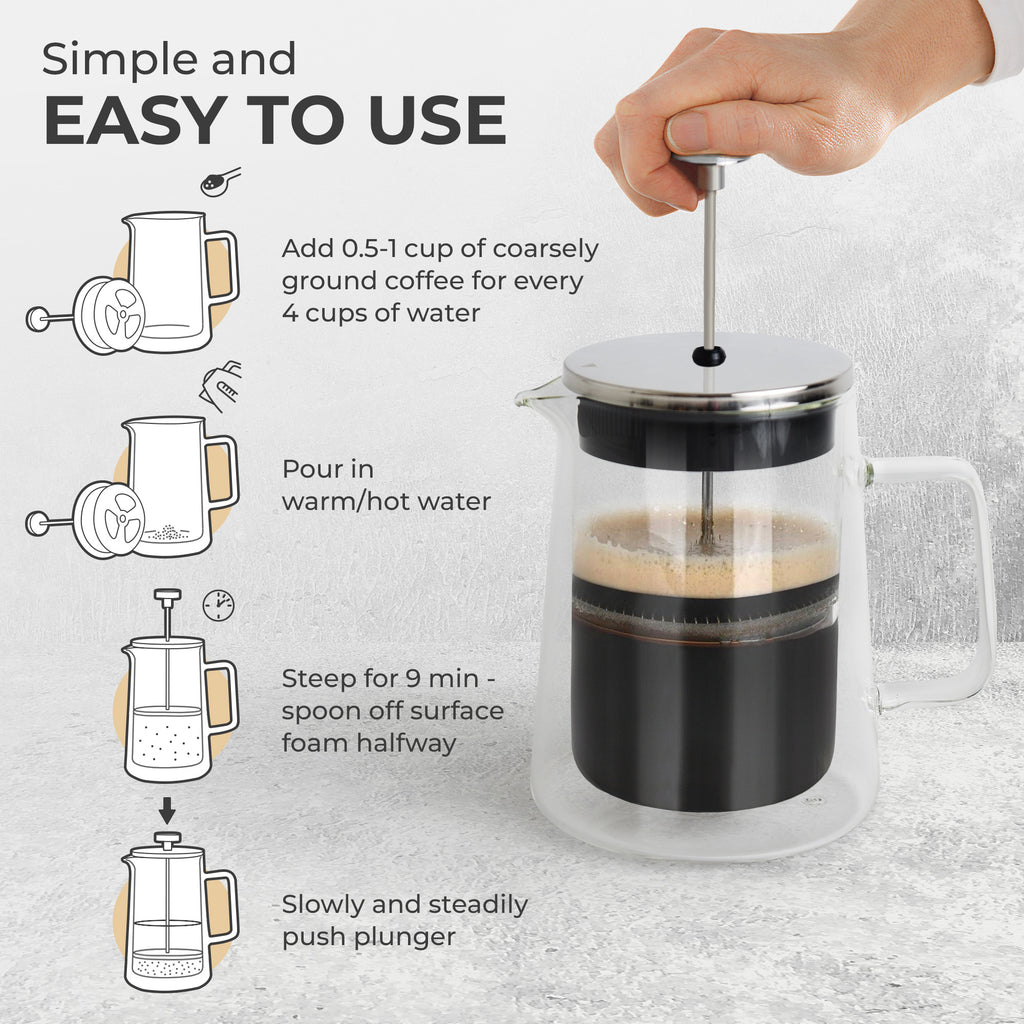
A French press is a simple brewer. Coarse coffee steeps in hot water. A plunger and mesh filter separate grounds from liquid. Small differences in design change contact time and extraction. So asking are all french press coffee makers the same is a useful start. They are not identical in how they control water temperature, immersion, or filtration. These differences affect taste, clarity, and mouthfeel.

Key differences between French press models
Not every press brews the same cup. Below are the main ways presses differ and why that matters.
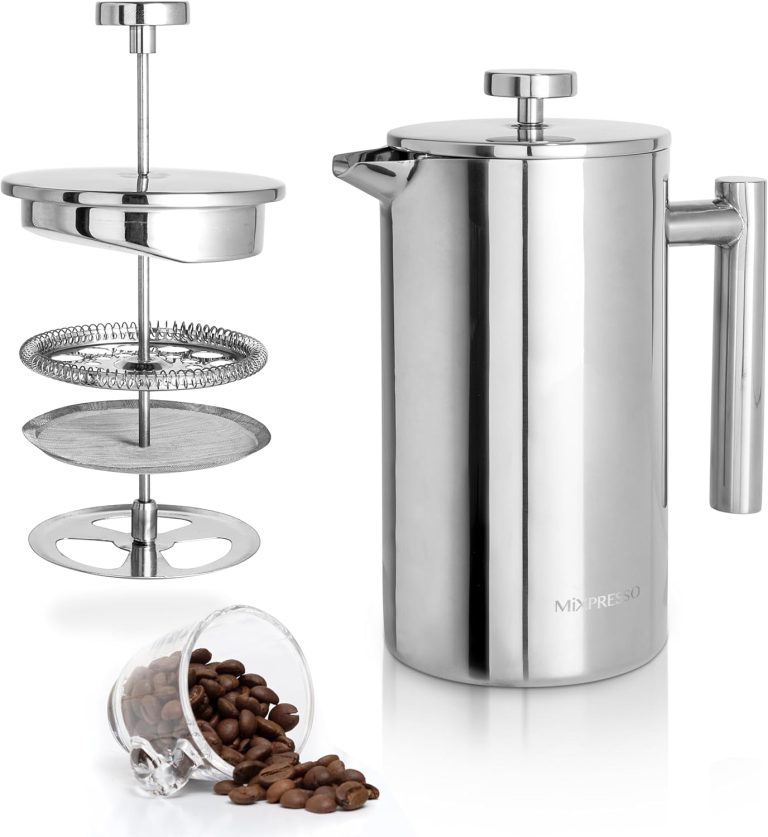
- Material and build quality: Glass, stainless steel, ceramic, and plastic all affect heat loss and durability. A double-walled stainless press holds heat longer than a single glass carafe.
- Filter type and mesh size: Fine or coarse mesh and the number of filter plates control grit. Finer mesh gives cleaner coffee but may slow plunging.
- Plunger fit and seal: A tight seal reduces channeling of water and grounds. Loose plungers let fines escape and produce more sediment.
- Carafe shape and size: Tall narrow carafes retain heat better. Wide carafes can cool faster and extract differently.
- Lid and pour design: Some lids trap steam and keep heat, while others are easier to pour without spills.
If you still wonder are all french press coffee makers the same, think of these factors as the main reasons they are not. Your favorite flavor often comes from a mix of these choices.

Materials: glass vs stainless vs ceramic
- Glass presses: Offer clarity and low cost. They show the brew but lose heat faster and can break.
- Stainless steel presses: Hold heat well and last longer. They can be insulated to keep drinks warm for hours.
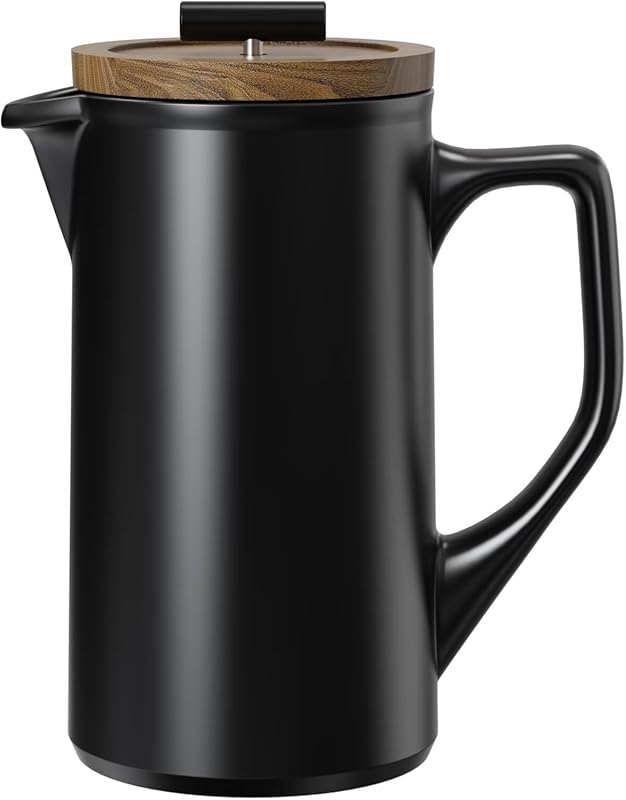
- Ceramic presses: Neutral flavor and attractive design. They hold heat well but are heavier and fragile.
My experience: a double-walled stainless press kept a pot hot for 90 minutes. A glass press tasted brighter but got cold faster. That difference matters if you sip slowly.

Filter systems and sediment control
- Single mesh plate: Common and simple. Lets some fines through.
- Multi-layer filter: Combines mesh plates and a foam seal. Reduces fines and speeds plunging.
- Paper or cloth adapters: Rare, but can create a cleaner cup with less body.
From testing, presses with two or three filter plates produced the least grit. If you hate sediment, choose a model with tighter filtration.

Brewing variables that make a difference
Even the best press needs good technique. These variables often matter more than brand.
- Grind size: Coarse and even is key. Finer grinds overextract and increase sediment.
- Water temperature: Aim for 195–205°F. Boiling water cools quickly in some carafes.
- Brew time: 3.5–4 minutes is a solid rule. Adjust by 30 seconds to taste.
- Coffee-to-water ratio: A common start is 1:15 to 1:17 by weight.
People often ask are all french press coffee makers the same when they taste different brews. Many differences come from grind and ratio, not only the press itself. Control your variables first, then judge the press.

PAA-style questions
How much does grind size affect French press coffee?
Grind size greatly affects extraction and sediment. Coarse grinds reduce bitterness and keep the filter from clogging.
Can I use boiling water in a French press?
Boiling water can scald coffee and cool too fast in glass. Let it sit 30 seconds after boiling for best results.
Does a double-walled French press make better coffee?
Double walls mainly keep coffee hotter for longer. They don’t change extraction much but improve the drinking experience for slow sippers.
Cleaning, maintenance, and long-term durability
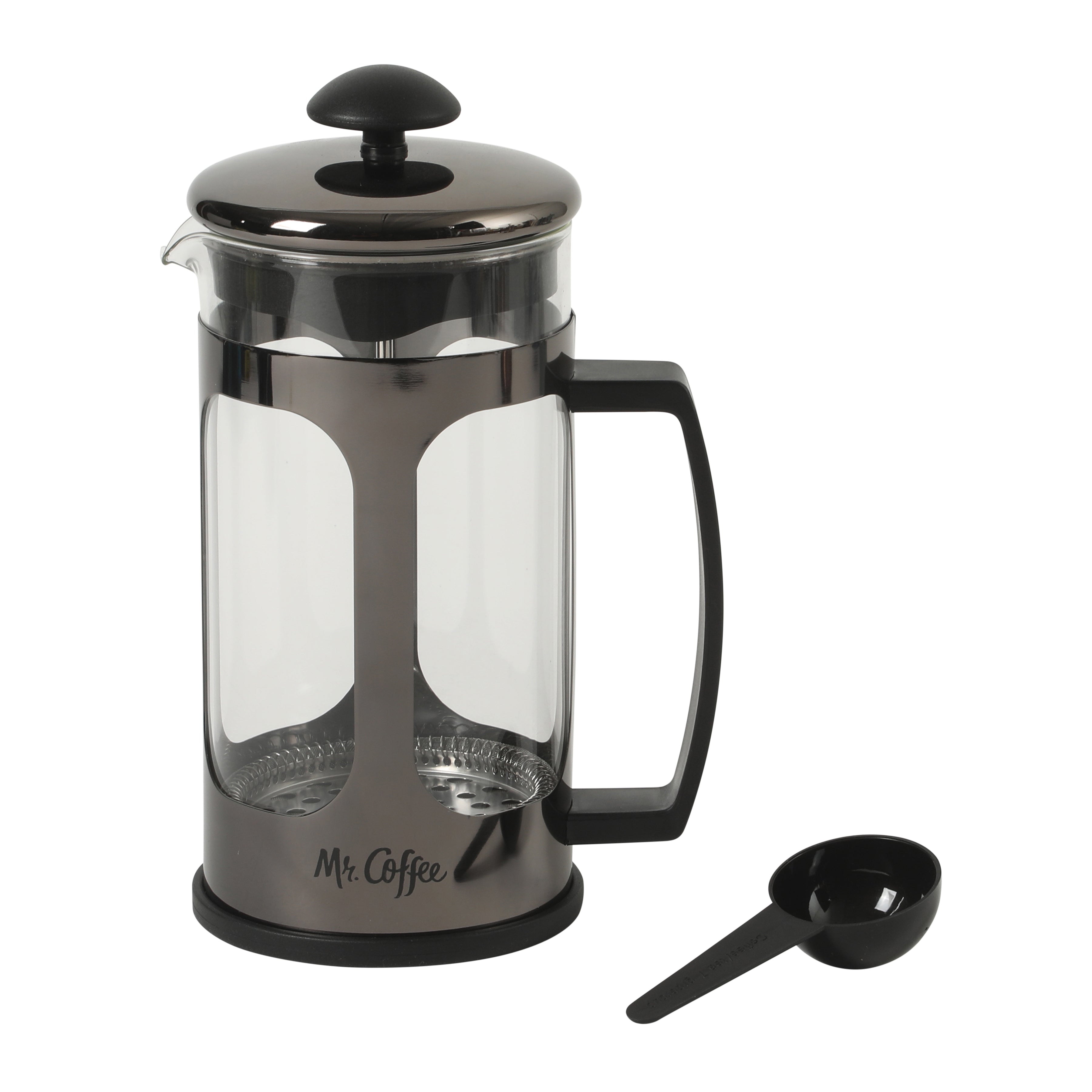
Cleaning affects both flavor and lifespan. Old oils and trapped grounds cause stale taste.
- Daily rinse: Dump grounds and rinse the carafe after each use.
- Deep clean weekly: Disassemble and scrub the mesh plates and plunger.
- Replace parts: Mesh filters and seals wear out. Replace them to keep performance.
In my lab and home tests, cheaper presses often bent or clogged after months. A higher-quality filter and replaceable parts extend life and maintain flavor. If you ask are all french press coffee makers the same in durability, the answer is no — maintenance and build quality matter a lot.

Choosing the right French press for you
Match a press to how you drink coffee and your priorities.
- If you want heat retention and durability: Choose double-walled stainless steel.
- If you want bright flavor and easy monitoring: Choose a glass model with a heat sleeve.
- If you want low sediment: Choose a model with multi-plate filters or plan to decant.
- If you want style and a neutral cup: Choose ceramic.
Personal tip from my testing: buy a mid-range stainless press with replaceable filters. It gave the best mix of heat retention, clean cup, and longevity. That solved the question are all french press coffee makers the same for my morning routine. They weren’t the same, but one model fit me best.

Cost, brand, and warranty considerations
Price does not always equal quality. Look for these markers.
- Replaceable parts: A sign of better design and longer life.
- Warranty: A longer warranty often points to higher build confidence.
- Reviews and user reports: Look for consistent reports about filter longevity and seal quality.
I once bought a very inexpensive press that cracked in three months. I then tested a mid-priced brand that still works daily after two years. The lesson: spend a bit more for proven parts and a warranty.
Frequently Asked Questions of are all french press coffee makers the same
Are all French press coffee makers the same quality?
No. Quality varies by material, filter design, and assembly. Higher-quality models usually offer better heat retention and less sediment.
Does the French press brand affect taste?
Brand can influence taste indirectly via materials and filter systems. Two presses can taste different even with the same beans and method.
Can any French press make espresso-like coffee?
No. French presses use immersion brewing and do not create the pressure needed for espresso. You can make strong coffee, but not true espresso.
How often should I replace the mesh filter?
Replace the mesh filter when it bends or loses fit, typically every 6–24 months depending on use. Regular cleaning extends filter life.
Is a more expensive French press worth it?
Often yes, for durability and better filtration. But good technique and fresh beans matter most to flavor.
Conclusion
French presses are simple in concept but varied in practice. The answer to are all french press coffee makers the same is a clear no. Materials, filters, seals, and design create real differences in heat, clarity, and durability. Start by improving grind, ratio, and time. Then pick a press that matches how you drink coffee — brief and hot, or slow and lingering. Try one model, tune your brew, and adjust based on taste. If you found this guide useful, leave a comment with your French press experience or subscribe for more brewing tips.