
Air fryer convection cooking explained: It uses fast, hot air circulation to crisp food quickly and evenly.
I’ve spent years testing kitchen tech and teaching people to cook smarter. This guide on air fryer convection cooking explained will show how these machines work, when to use them, and how to get the best results. You’ll find clear steps, real tips from my tests, and easy fixes for common problems. Read on to master air fryer convection cooking explained and make crisp, tasty meals with less fuss.
:max_bytes(150000):strip_icc()/air-fryer-vs-toaster-oven-6830843-b7c2dd6e69844e459f3bf27696b223f0.jpg)
How air fryer convection cooking works
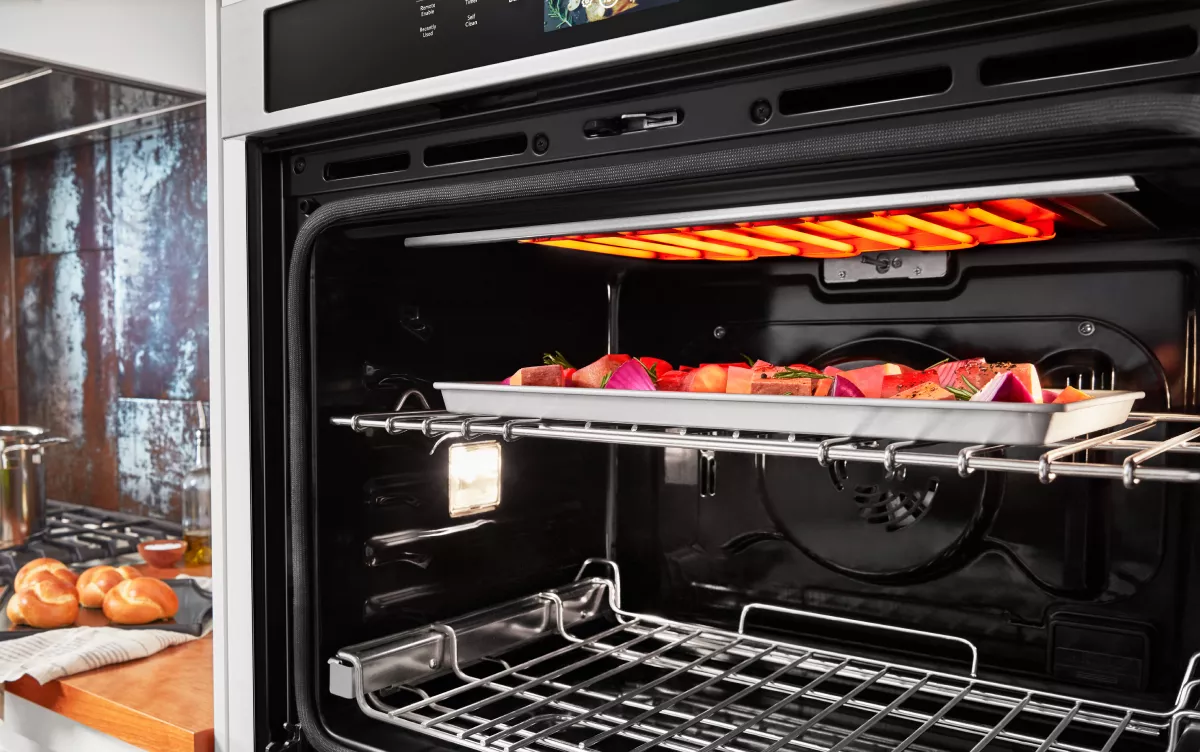
Air fryer convection cooking explained starts with two simple parts: a heating element and a fan. The element heats the air. The fan pushes that hot air around the food fast. This creates a consistent hot-air envelope that browns and crisps surfaces.
Key mechanics:
- Rapid air movement creates even heat and faster cook times.
- The air flow reduces moisture at the surface, which helps crisping.
- Unlike deep frying, the method needs little oil to create a crunchy exterior.
Think of it like a mini tornado of hot air. The small cooking chamber helps the air move faster than in full-size ovens. That is why air fryer convection cooking explained often produces crisper results in less time than a standard oven.

Benefits of air fryer convection cooking
Air fryer convection cooking explained delivers several clear perks. These benefits are why many home cooks choose air fryers.
Top advantages:
- Faster cooking times compared to regular ovens, saving time.
- Less oil needed, which lowers calories and clean-up.
- Even browning and crisp textures without deep frying.
- Energy efficient because of shorter cooking cycles and a smaller cavity.
- Versatile for roasting, baking, reheating, and crisping leftovers.
In my testing, frozen foods go from rock-hard to golden in minutes. Vegetables roast crisp without becoming dry. Air fryer convection cooking explained also shines at reheating: leftovers stay crisp instead of going soggy.
Limitations and when not to use an air fryer
Air fryer convection cooking explained is powerful, but it has limits. Knowing these keeps you from making avoidable mistakes.
Common limitations:
- Small capacity: great for 1–3 people, not full-family meals in one batch.
- Not ideal for wet batters that need deep frying to set.
- Overcrowding reduces air flow and leads to uneven cooking.
- Very fatty foods can smoke unless you trim excess fat or lower temperature.
- Some delicate items can dry out if left too long.
Tip from experience: cook in batches. It adds a few minutes, but results are far better. My early mistake was overfilling the basket, which gave me pale, uneven fries. After spacing items, crispness improved right away. Air fryer convection cooking explained relies on proper air circulation.

Practical temps, time conversions, and cooking tips
To use air fryer convection cooking explained well, learn a few simple rules. Start with temperature and time adjustments from oven recipes.
Quick conversion guide:
- Reduce oven temperature by 25°F and cut time by 20–30% for most recipes.
- Preheat for 3–5 minutes for best crisping.
- Shake or flip items halfway to encourage even browning.
Cooking tips that work:
- Lightly oil foods with a high-smoke oil for better crisping.
- Use a single layer for the crispiest results.
- For baked goods, use small pans that fit the basket; avoid blocking airflow.
- Add a small rack or trivet to lift food if grease or crumbs collect below.
PAA-style questions:
What temperature is best for crisping? Use 375–400°F for most proteins and fries.
How long to preheat an air fryer? Preheat 3–5 minutes for most models.
Can you bake desserts? Yes, use lower temps and small pans, and test with a toothpick for doneness.

Air fryer vs convection oven: similarities and differences
Air fryer convection cooking explained is often compared to convection ovens. They share the same basic idea: circulate hot air. But there are key practical differences.
How they match:
- Both use fans to move hot air for even cooking.
- Both reduce cooking time and improve browning.
How they differ:
- Size: air fryers are compact, so air moves faster and cooks quicker.
- Capacity: convection ovens handle large roasts and multiple racks.
- Browning style: air fryers often create a crisper finish due to intense air flow.
- Energy use: air fryers heat less space and often use less energy for small meals.
If you make small, crisp dishes often, air fryer convection cooking explained can be a better daily tool. For large gatherings or layered baking, a convection oven is more practical.

Personal experience, mistakes to avoid, and pro tips
I’ve cooked hundreds of recipes in air fryers. Here are lessons that saved time and food.
Real-life lessons:
- Do not overcrowd the basket. More space equals better texture.
- Spray oil lightly. Too much oil makes food soggy and creates smoke.
- Clean the heating coil and fan area if you notice smoking or odd smells.
- Use a meat thermometer for thick cuts to avoid overcooking.
Pro tips I use daily:
- Par-cook root vegetables in the microwave for faster, crisp results.
- Reheat pizza at 350°F for 3–5 minutes for crisp crust and melty cheese.
- Line the basket with perforated parchment for delicate items.
These small habits helped me go from trial-and-error to predictable results. Air fryer convection cooking explained becomes intuitive once you track temp and time for favorite foods.

Frequently Asked Questions about air fryer convection cooking explained
What exactly is air fryer convection cooking explained?
Air fryer convection cooking explained uses a heating element and fan to circulate hot air rapidly. This creates fast, even cooking and crisp surfaces with little oil.
Can I use regular oven recipes in an air fryer?
Yes, but reduce the oven temperature by about 25°F and cut the cooking time by 20–30%. Also check food early to avoid overcooking.
Do I need to preheat an air fryer?
Preheating for 3–5 minutes is recommended for best crisping. Some recipes work without it, but preheat when you want a predictable texture.
Is air fryer cooking healthier than deep frying?
Air fryer convection cooking explained uses much less oil than deep frying, which lowers calories and fat. That makes it a healthier option for many fried-style foods.
Why does my food sometimes come out uneven?
Overcrowding or blocking air flow causes uneven results. Shake or flip items and avoid stacking to improve evenness.
Can I bake cakes or bread in an air fryer?
Yes, small cakes and quick breads work well in small pans. Use lower temps and test with a toothpick to ensure doneness.
How do I stop my air fryer from smoking?
Trim excess fat, lower the temperature, and clean grease buildup regularly. Place a small amount of water under a tray if fat starts to smoke.
Conclusion
Air fryer convection cooking explained offers fast, crisp results with less oil and less fuss. You get even browning, shorter cook times, and versatile options for small meals. Start by reducing oven temps, avoiding crowding, and learning a few favorite recipes. Try one new technique this week—par-cook, preheat, or flip mid-cook—and see the difference. If this guide helped, leave a comment, share your success, or subscribe for more practical tips on smarter cooking.