

Always place your air fryer on a heat-resistant, well-ventilated countertop with clear space around it.
I’ve used and tested dozens of air fryers and written safety guides for kitchen appliances. This article explains practical, expert-backed air fryer countertop safety tips you can apply today to reduce fire risk, protect surfaces, and keep your kitchen safe and efficient. Read on for checklists, real-life lessons, troubleshooting steps, and clear actions that work for busy homes.

Why countertop placement matters
Where you set an air fryer matters more than many people think. Proper placement prevents heat damage, helps airflow, and lowers the chance of accidental tipping. Follow these air fryer countertop safety tips to reduce risks from heat, smoke, or spilled oil.
- Keep 3 to 6 inches of clearance on all sides for ventilation.
- Avoid placing the air fryer under cabinets or shelves that can trap heat.
- Put the appliance on a level, stable surface to prevent tipping.
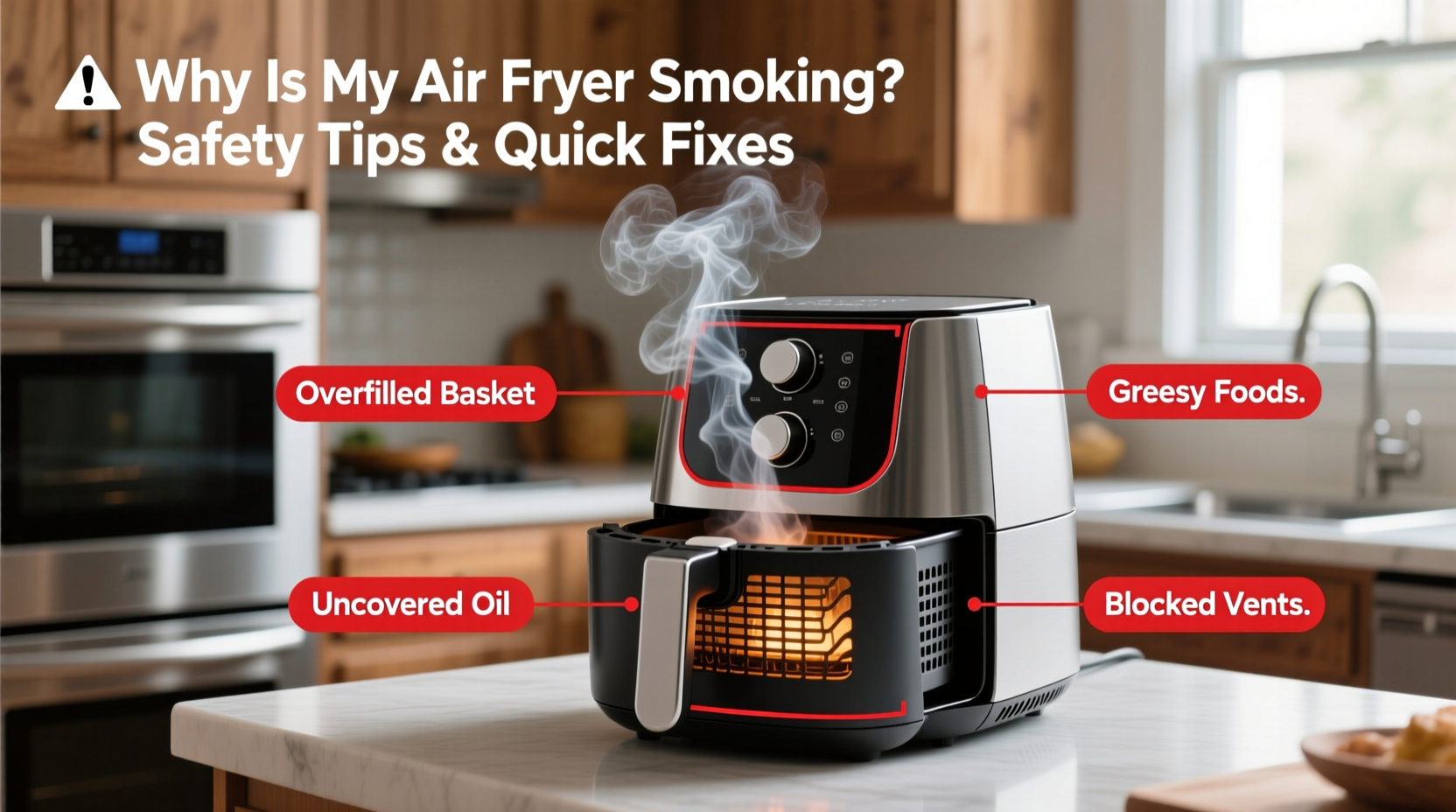
Air fryers vent hot air during cooking. If vents face a wall or cupboard, heat and steam can damage cabinets and finish. Good placement helps your unit run efficiently and extends its lifespan.
Essential safety checklist before you plug in
A short pre-use checklist prevents many common accidents. Run through these air fryer countertop safety tips every time you cook.
- Inspect the cord for damage and ensure the plug fits snugly in the outlet.
- Remove flammable items like towels, paper, or curtains from the vicinity.
- Ensure the basket and pan are dry and correctly inserted before powering on.
- Use a grounded outlet on a dedicated circuit when possible.
I always take 30 seconds before cooking to check these items. Small checks catch problems I’ve seen cause smoke or sparks in testing.

Heat, ventilation, and protecting your surfaces
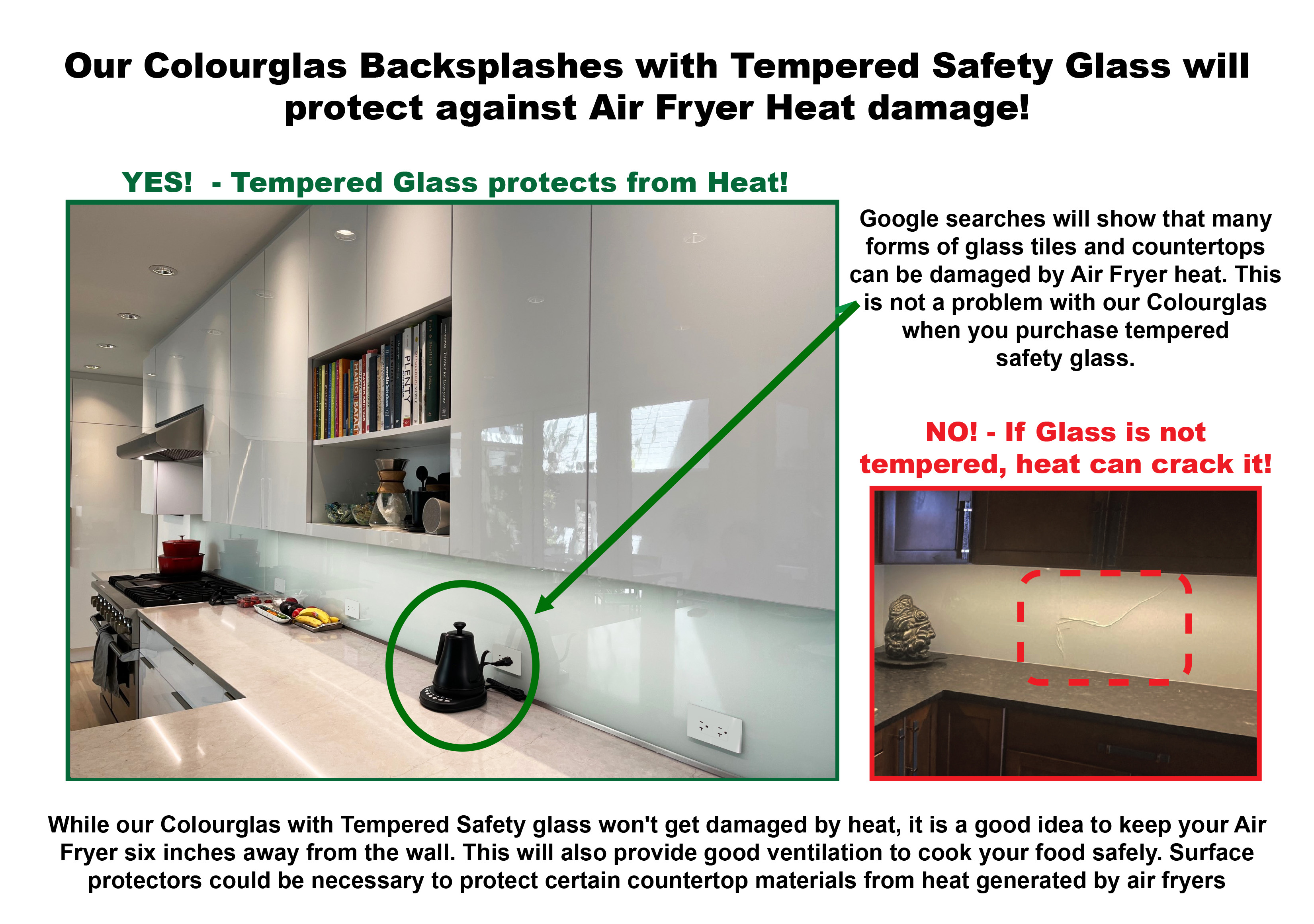
Heat from an air fryer can discolor or warp countertops and cabinets. These air fryer countertop safety tips will help you protect surfaces and keep airflow clear.
- Use a heat-resistant mat or trivets rated for high temperatures under the unit.
- Leave space above the fryer if possible; don’t place it right under wooden cabinets.
- Point vents away from walls and handle hot steam carefully when opening the basket.
From my experience, inexpensive silicone trivets saved one countertop from heat marks. If you notice persistent smoke, stop and inspect the fryer — it could be a sign of burned food or oil.
:max_bytes(150000):strip_icc()/GettyImages-1942458554-d5d8ee7d4ddc4edfb18f82af67406ea6.jpg)
Electrical safety and cord management
Electrical faults can cause fires or shocks. Apply these air fryer countertop safety tips to reduce electrical risks.
- Plug directly into the wall, not into an extension cord or power strip.
- Keep the cord away from hot surfaces and water sources.
- Don’t run other high-load appliances on the same circuit during long cooks.
I once tested an overtaxed circuit that tripped when an oven and air fryer ran together. Using a dedicated outlet or staggering appliance use prevents that problem.
Cleaning, maintenance, and fire prevention
Grease buildup is a top cause of air fryer smoke and fires. These air fryer countertop safety tips focus on cleaning and maintenance routines.
- Empty and wipe the crumb tray after every use and deep clean the basket weekly.
- Remove stuck-on grease with warm soapy water; avoid aerosol sprays inside the unit.
- Check heating elements for residue and clean gently once cooled.
Regular maintenance lowers smoke and improves performance. If a flare-up happens, unplug the fryer and keep the basket closed until cool — oxygen feeds flames, so limiting airflow can help.

Safe cooking habits and food handling
Good habits reduce accidents and improve results. Follow these air fryer countertop safety tips for safe cooking.
- Preheat only when recommended and avoid overcrowding the basket to prevent uneven cooking and splatter.
- Pat wet or oily foods dry before frying to reduce dripping and smoke.
- Use oven mitts when handling hot baskets and place hot items on heat-safe surfaces.
I burned myself once reaching for a hot basket without a mitt. It’s an easy mistake that taught me to always use protective gloves and plan where to set hot trays down.
Troubleshooting common hazards and emergency steps
Know how to respond fast. These air fryer countertop safety tips help you troubleshoot problems and act safely if something goes wrong.
- Smoke: Unplug the fryer, close the basket, and let it cool. Check for burned food and clean thoroughly before reuse.
- Sparks or electrical smell: Unplug immediately and do not use the fryer until inspected by a professional.
- Small flames in the basket: Close the basket to starve the flame of oxygen. Do not use water on a grease fire; use a fire extinguisher rated for grease fires if necessary.
Keeping a small Class K or multi-purpose fire extinguisher nearby is wise. In any major fire or if you feel unsafe, evacuate and call emergency services.

My personal testing tips and lessons learned
I’ve tested multiple models on different counter surfaces and learned what consistently matters. These air fryer countertop safety tips come from hands-on experience.
- Always leave breathing room around the fryer; even small gaps improve airflow.
- Keep a designated heat-safe landing spot for the basket to avoid accidentally placing it on a towel.
- Replace units that show repeated electrical faults rather than patching them.
A routine check helped me catch a frayed cord before it sparked. Simple inspection saved time and prevented a hazard.

Frequently Asked Questions of air fryer countertop safety tips
How much clearance does an air fryer need on the countertop?
Most manufacturers recommend 3 to 6 inches of clearance on all sides for proper ventilation. Ensure the top has space if the unit vents upward.
Can I use an extension cord with my air fryer?
Avoid using extension cords or power strips; plug the air fryer directly into a grounded wall outlet. Extension cords can overheat and raise fire risk.
Is it safe to put an air fryer under kitchen cabinets?
It’s not recommended to place an air fryer directly under cabinets because heat and steam can damage finishes and increase fire risk. Keep a clear gap and use a heat-resistant surface.
What should I do if my air fryer smokes a lot?
Unplug the unit, close the basket, and let it cool. Clean all grease and food residue before trying again.
Can I use nonstick mats or silicone under my air fryer?
Use heat-resistant mats rated for high temps and placed according to the manufacturer’s guidance. Some mats can trap heat, so ensure they don’t block vents.
Conclusion
Following simple, consistent air fryer countertop safety tips prevents most problems and keeps your kitchen safe. Check placement, manage cords, clean regularly, and practice safe handling every time you cook. Start today by doing a quick pre-use checklist and creating a safe cooking spot — small steps create big results. If you found these tips useful, try them tonight, leave a comment with your experience, or subscribe for more appliance safety guides.