

Dry surfaces, light oil, and hot, fast airflow make air fryer foods crispy every time.
I’ve spent years testing fryer-free recipes and helping home cooks get crunch without grease. This guide on air fryer crispy food tips lays out what works, why it works, and how to fix soggy results. Read on for clear steps, simple science, and real tricks I use in my kitchen to get reliably crisp food from an air fryer.

How crispiness works in an air fryer
Crispiness is about moisture, heat, and airflow. An air fryer uses rapid hot air to evaporate surface moisture. When the surface dries quickly, sugars and proteins brown and form a crisp crust.
Key factors that affect crispiness:
- Surface moisture: Less water means faster browning.
- Oil: A light coating helps heat transfer and browning.
- Air circulation: Crowding blocks hot air and slows drying.
These fundamentals are the base for the air fryer crispy food tips below.
Prep and technique for crispier results
Good prep beats a complicated recipe. Most soggy results come from skipped steps before cooking.
Essential prep steps:
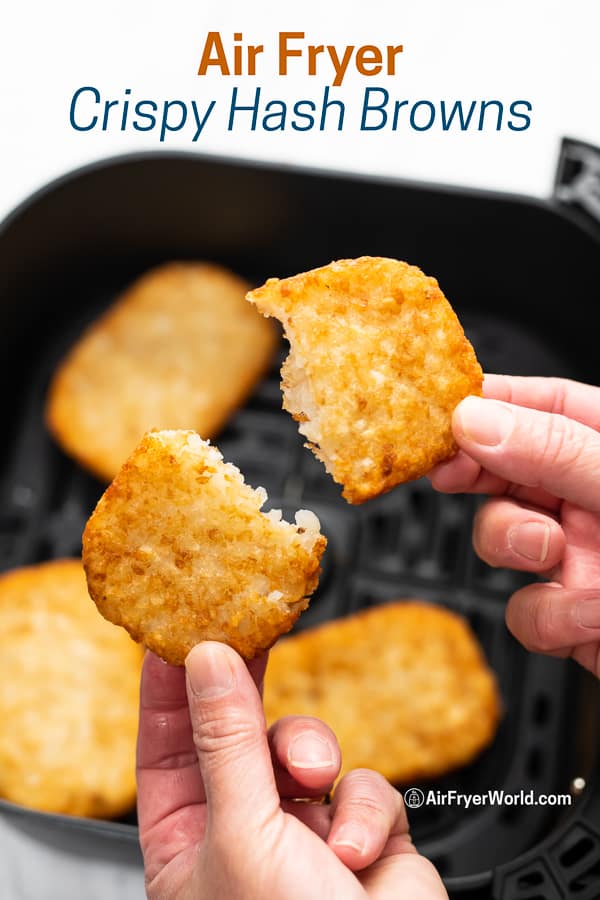
- Pat dry proteins and veggies with paper towels before seasoning.
- Air-dry wetter items in the fridge for 15–30 minutes if time allows.
- Use a thin coating of oil with a spritz or brush. Avoid drenching.
- Shake or turn food halfway through to expose all sides to hot air.
Follow these steps for reliable crispness when using air fryer crispy food tips.
Breading, batter, and coating strategies
How you coat food changes the final texture. Use coatings that crisp and stay put in strong airflow.
Proven coating methods:
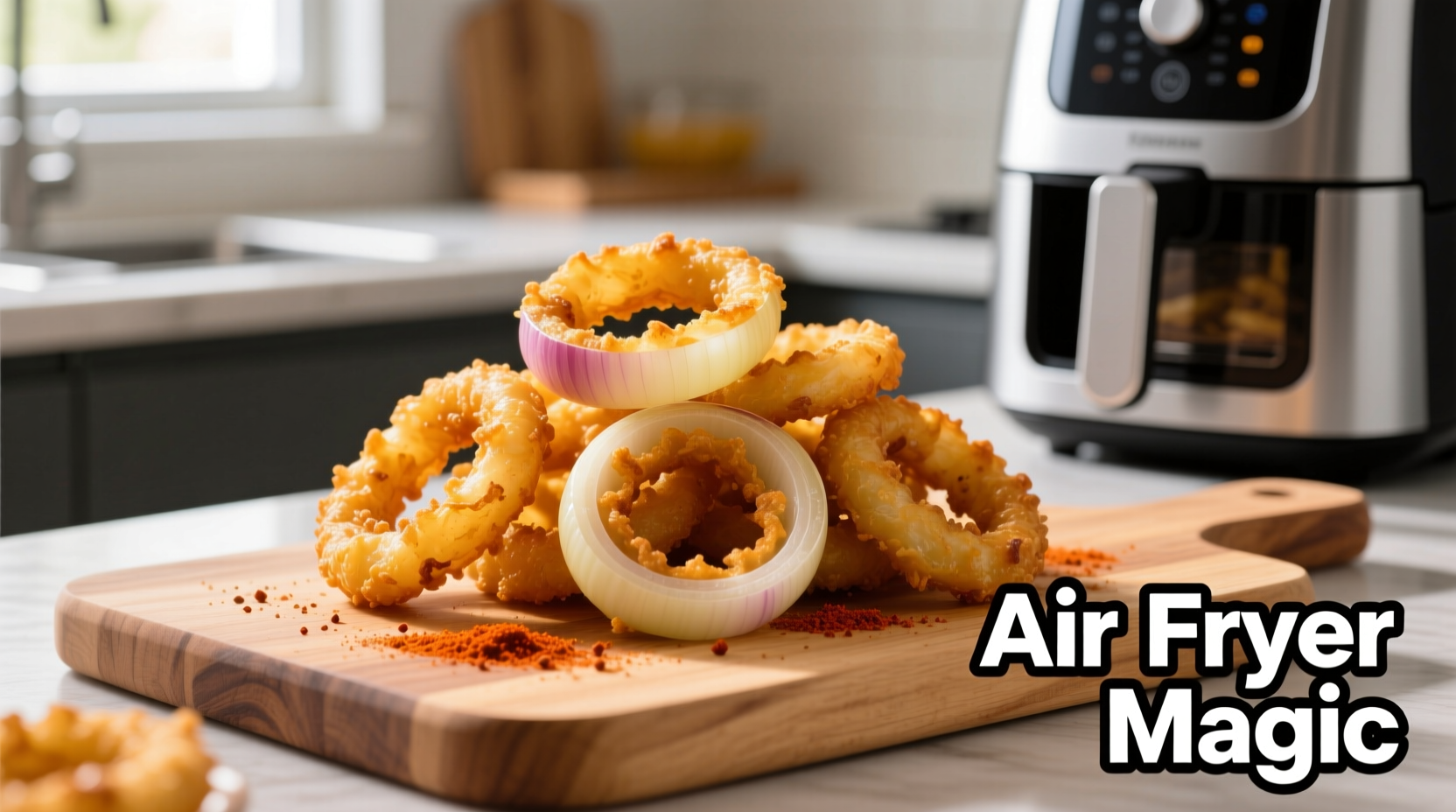
- Light cornstarch dusting then a protein-friendly binder (egg wash or yogurt) helps crunch.
- Panko breadcrumbs give a flakier, airier crust than fine crumbs.
- Use a 1:1 blend of all-purpose flour and cornstarch for tempura-like crispness.
- For battered items, freeze briefly after battering to help set the coating.
Tips for sticky or saucy foods: - Toss wings in sauce after crisping. Finish in the air fryer 1–2 minutes to set the sauce.
- For breaded items, place items in a single layer and avoid stacking.

Temperature, time, and airflow rules
Small changes in heat and time change texture fast. Use these rules as a starting map.
General guidelines:
- 375°F is a great starting temp for thicker items (chicken breast, pork chops).
- 400°F works well for thin items and frozen fries to get quicker browning.
- Lower temps with longer cook times dry foods slowly and can reduce burning.
- Preheat the air fryer for 2–4 minutes for the best initial sear.
Timing tips: - Shake or flip items every 6–8 minutes for even crisping.
- Use a thermometer for proteins: aim for safe internal temps, then crisp for 1–4 minutes more.
These guidelines are core to using air fryer crispy food tips successfully.

Troubleshooting soggy food
When crisping fails, the cause is usually one of a few habits. Use this quick checklist to fix problems fast.
Common causes and fixes:
- Cause: Crowded basket. Fix: Cook in smaller batches for full airflow.
- Cause: Too much oil. Fix: Reduce oil and use an oil sprayer for even coverage.
- Cause: Wet batter or frozen clumps. Fix: Pat dry, separate pieces, and add a light dusting of starch.
- Cause: No preheat. Fix: Preheat 2–4 minutes to get immediate browning.
If one tactic fails, try another. Most kitchens need two or three adjustments to perfect crispiness.

Best practices for specific foods
Different foods need different strategies. Here are practical, tested tips for frequent air fryer foods.
Chicken and wings:
- Dry the skin well. Use a cornstarch or baking powder dust for extra crisp.
- Start at 370–380°F, finish 2–3 minutes at 400°F.
Frozen fries:
- Separate pieces before cooking.
- Spray a little oil and shake at least once mid-cook. Cook at 400°F.
Vegetables:
- Blanch firmer vegetables briefly, then air-dry before frying.
- Toss in a tablespoon of oil per full basket to avoid sogginess.
Fish:
- Use light panko or dry rubs. Cook at 370–390°F and check early to prevent overcooking.
These food-specific tips are core examples of practical air fryer crispy food tips.

My personal experience and common mistakes
I test recipes weekly. I learned the hard way that shortcuts cost crispness.
Lessons learned:
- Mistake: Skipping pat-dry. Result: Soggy skin. Fix: Always dry first.
- Mistake: Overcrowding to save time. Result: Long cook times and uneven browning. Fix: Use two batches.
- Mistake: Too much oil thinking it equals crunch. Result: Oily, limp crust. Fix: Use a fine sprayer or brush.
These are simple fixes you can apply immediately to improve results.
Quick people also ask (PAA-style)
How much oil do I need for crisp food in an air fryer?
A thin, even coat is enough. Use 1 teaspoon to 1 tablespoon per pound depending on the food.
Do I need to preheat an air fryer to get crispiness?
Yes. A 2–4 minute preheat gives a better initial sear and faster moisture loss.
Can I get crispy food without oil?
You can, but expect less browning. Quick-drying coatings like cornstarch help even without oil.
Frequently Asked Questions of air fryer crispy food tips
How do I prevent breading from falling off in the air fryer?
Lightly press the breading onto the wet surface and chill for 10–15 minutes to set before cooking.
Why are my fries soggy in the air fryer?
They likely started wet or were crowded. Dry them, shake often, and cook in batches at high heat.
Can I use cooking spray on my air fryer basket?
Use oil sprayers or brush oil instead. Aerosol sprays can damage some nonstick coatings.
Should I flip food in the air fryer?
Flip or shake items halfway through for even browning and crisping.
Will adding flour make things crispier?
Yes. A flour or cornstarch dust helps absorb surface moisture and forms a crisp crust.
Conclusion
Crispy air fryer results come from three things: dry surfaces, thin oil, and good airflow. Use the prep, coating, and timing tips above. Start small, test one change at a time, and you’ll get crunch faster than you expect. Try one new tip tonight and share your results or questions below to keep improving together.