

Air fryer noise is usually normal fan and motor sound, and often fixable with simple maintenance.
I have spent years testing kitchen gadgets and fixing small appliance quirks, so I know exactly how to explain air fryer noise explained in plain language. This article breaks down why your air fryer makes specific sounds, how to tell normal noise from trouble, and simple steps you can take now to reduce noise. Read on for clear, practical help based on hands-on experience and appliance know-how.
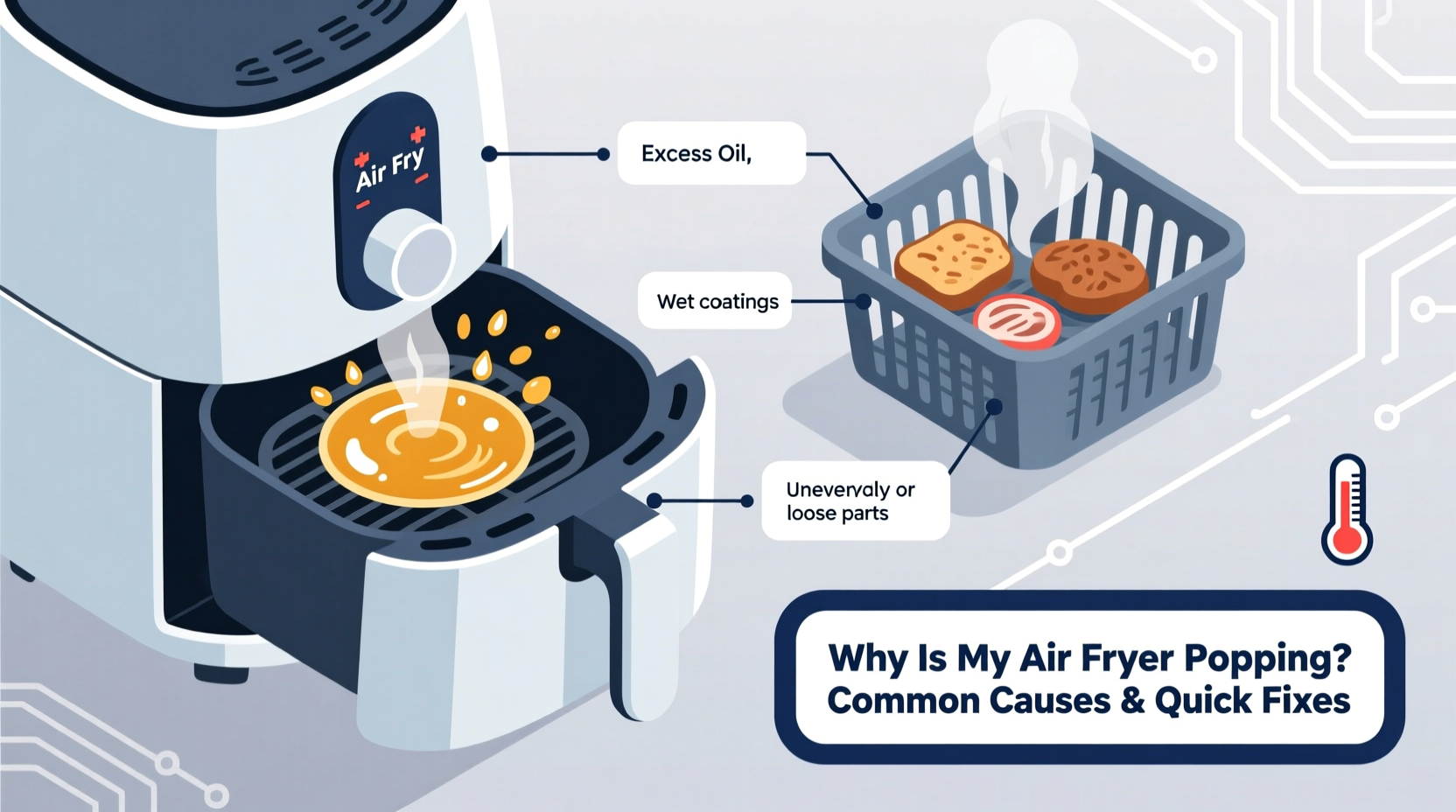
How air fryers make noise: basic mechanics and sound sources
Air fryers cook with rapid hot air. A heating element warms the chamber. A fan pushes that air fast. That fan is the main noise maker.
Other noise sources include:
- Motor hum from the fan motor.
- Air rushing through vents.
- Vibration from loose parts or the unit on a hard surface.
- Clicking from thermal switches or controls.
Understanding these parts makes air fryer noise explained easy. When you know what moves and why, you can spot normal sounds versus warning signs.

Common noises and what they mean
Air fryer noise explained includes several common sounds. Here are typical noises and simple causes.
-
Low, steady hum
- Cause: Normal fan and motor running.
- Fix: Nothing needed if sound is consistent and quiet.
-
Loud whir or high-pitched squeal
- Cause: Worn motor bearings or misaligned fan blade.
- Fix: Stop using and inspect the fan; consider repair.
-
Rattling or clanking
- Cause: Loose screws, baskets, or accessories.
- Fix: Tighten parts and secure accessories.
-
Clicking during heating
- Cause: Thermal expansion or switches engaging.
- Fix: Normal in many models; if frequent and loud, check wiring.
-
Buzzing under load
- Cause: Electrical vibration or transformer hum.
- Fix: If the buzz is strong, unplug and contact support.
These common items help you decode air fryer noise explained in each case. Small fixes often stop the sound fast.

People also ask (quick answers)
Why does my air fryer make a buzzing noise?
Buzzing often comes from the fan motor or loose parts. Tightening parts and cleaning the fan usually helps.
Is it normal for an air fryer to click?
Yes. Clicking can come from temperature controls or expansion and is often normal. If clicking is loud or paired with a smell, stop use.
How loud should an air fryer be?
Most run at about 50 to 70 dB depending on size. A sudden jump in volume or grinding sound is a red flag.
Is my air fryer noisy or is something wrong?
You can test noise easily. First, run the air fryer empty for one minute. Listen from about three feet away.
Signs of normal noise:
- Steady hum or soft whoosh.
- Small differences when speed or temperature change.
Signs of trouble:
- Grinding or high-pitched whine.
- Smoke, burning smell, or sparks.
- Loud rattling that won’t stop.
Use this quick checklist to judge. These steps help you act fast when air fryer noise explained points to a problem.

Practical ways to reduce air fryer noise
Simple steps often cut noise a lot. Try these tips.
- Move the air fryer to a soft, stable surface.
- Use a silicone mat or trivet to absorb vibration.
- Tighten loose screws and fasteners inside and out.
- Secure baskets and racks before use.
- Clean the fan and vents.
- A brush or canned air can remove dust and grease.
- Avoid overfilling the basket.
- Crowding makes airflow noisy and inefficient.
- Choose quieter models when buying.
- Look for reviews that mention low noise levels.
I often used a small rubber mat under my unit. The mat cut the hum noticeably. These small moves illustrate air fryer noise explained in a practical, low-cost way.

Maintenance and troubleshooting checklist
Routine care keeps noise down and parts lasting longer. Follow this checklist.
- Unplug the unit before any work.
- Clean the fan housing and vents monthly.
- Check and tighten screws every few weeks.
- Inspect the fan blade for chips or wobble.
- Run the unit empty after cleaning to test noise.
- Record when noise started and any conditions (smell, power issues).
If a motor replacement is needed, compare repair cost to replacement. Many modern air fryers are affordable, but some premium models are worth repairing. This checklist gives clear actions that fit into regular use and helps you follow air fryer noise explained steps.

When to seek repair or replacement
Some signs mean professional help is smart. Watch for these red flags.
- Loud grinding or screeching that didn’t improve after cleaning.
- Burning smell, smoke, or sparks.
- Unit fails to heat while fan runs.
- Intermittent power or electrical tripping.
If your air fryer is under warranty, contact support first. If it’s older and the motor or board needs replacing, compare repair cost to buying new. These decisions depend on model age and cost, and on what air fryer noise explained reveals about the damage.
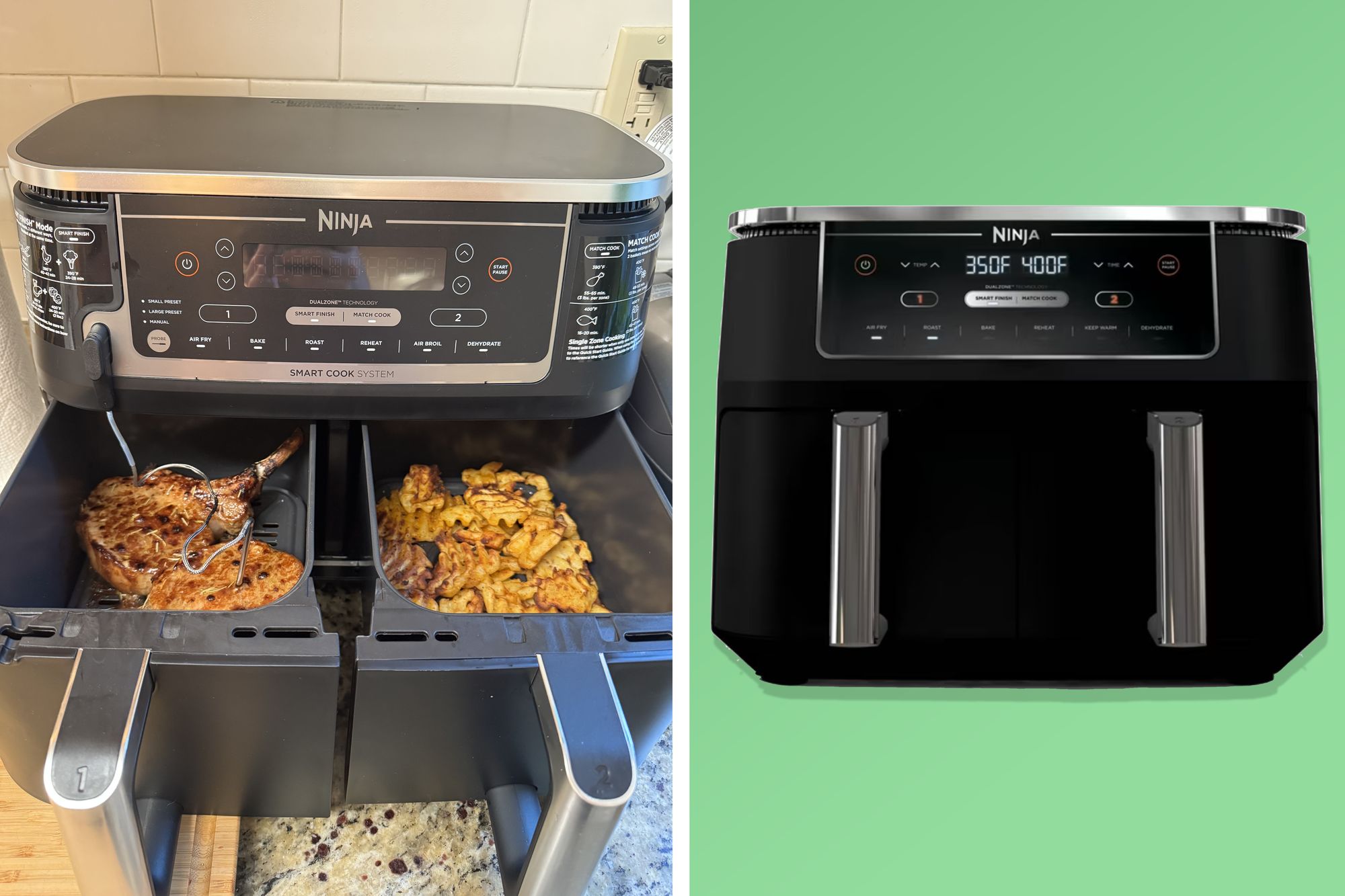
Personal experience and practical tips
I’ve tested many air fryers at home and in workshops. One model I used had a loud whine that stopped after I tightened a single bracket. In another case, heavy grease near the fan caused a drone. A quick clean fixed it.
Lessons I learned:
- Start with the easy fixes first.
- Keep small tools handy: screwdriver, brush, and canned air.
- Note when noise changes—after cleaning, after moving, or after heavy use.
These hands-on tips are part of my lived experience. They show how air fryer noise explained can move from mystery to simple action.

Frequently Asked Questions of air fryer noise explained
Why does my air fryer make a high-pitched whine?
A high-pitched whine often comes from worn fan bearings or an imbalanced blade. Stop using the unit and inspect the fan if the sound is sharp or sudden.
Can I run an air fryer if it’s making a new louder noise?
You can run it briefly to diagnose, but avoid long use. If the sound is grinding or paired with heat or smell, unplug and inspect.
Will cleaning reduce air fryer noise?
Yes. Grease and dust on the fan and vents often make motors work harder and louder. Regular cleaning usually cuts down the noise.
Are all air fryers noisy compared to ovens?
Air fryers use a fan and are often louder than an idle oven. Still, many models run quietly and are not disruptive in a kitchen.
How do I know if the fan needs replacing?
If the fan wobbles, chips are visible, or loud whine continues after cleaning, fan replacement is likely needed. Check warranty options before buying parts.
Conclusion
Air fryer noise explained shows that most sounds are normal and fixable with simple checks and cleaning. Pay attention to sudden changes like grinding, smoke, or strong odors, and act quickly. Try the small fixes here first—clean vents, tighten parts, add a mat—and contact support if issues persist. Take action today: test your unit, do a quick clean, and note any persistent sounds. Share your experience or ask a question below to help others learn from your findings.