

Air fryer cooking often cuts oil and calories while keeping texture and flavor.
As a registered diet-minded home cook who has tested dozens of models and recipes, I will walk you through air fryer nutrition facts explained with clear science, real-world tips, and easy examples. This article breaks down how air frying affects calories, fat, vitamins, protein, and food safety. Read on to learn practical steps to keep your meals tasty and nutritious.
How air fryers work and why nutrition matters
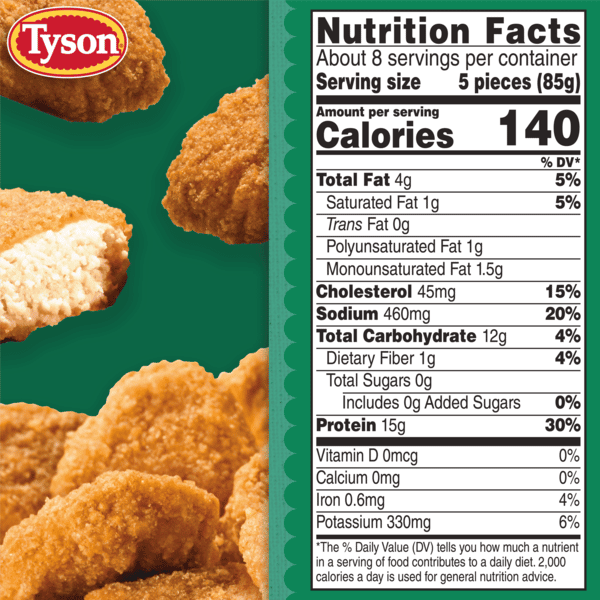
Air fryers use fast, hot air and a small amount of oil to mimic frying. Heat wraps around food and creates a brown, crisp surface. This method often needs far less oil than deep frying.
Why nutrition matters with air frying is simple. Less oil can mean fewer calories. But cooking method also affects vitamins and texture. When you search for air fryer nutrition facts explained, you want a clear view of calories, fat, and nutrient changes. I will explain each part in plain terms.

PAA-style questions about basic function
How much oil does an air fryer use?
Most air fryer recipes need one to two teaspoons of oil per pound. Some foods need no added oil at all.
Will air frying always lower calories?
Air frying cuts oil-related calories, but not calories that come from carbs or protein. The total calorie change depends on the food and recipe.
Calories, fat, and oil: does air frying make food healthier?
Air frying often lowers calories compared to deep frying. When you replace a cup of oil with one or two teaspoons, calories drop a lot. For example:
- Deep frying 1 cup of fries can add 800–1,900 calories from oil.
- Air frying similar fries can add roughly 40–80 calories from a teaspoon of oil.
However, the base food still has its own calories. A potato stays a potato. Air frying does not remove the carbohydrate calories already in a starchy food. When writing about air fryer nutrition facts explained, focus on oil reduction and portion size.
Fat profile changes depend on the oil you use. Using olive oil or avocado oil keeps healthy monounsaturated fats. Using large amounts of saturated fat changes the health story. Keep oil minimal to reap the main benefit.
Nutrient retention: vitamins, minerals, and protein in air-fried foods
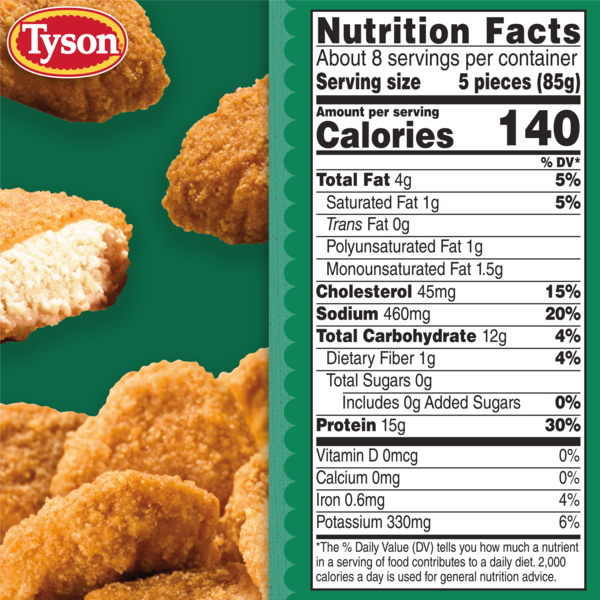
Heat affects vitamins. Air fryers cook fast and use dry heat. That can protect some nutrients compared with long boiling. Key points:
- Water-soluble vitamins such as vitamin C and some B vitamins can be lost by heat. Short cook times help preserve them.
- Fat-soluble vitamins (A, D, E, K) are usually stable with air frying.
- Minerals and protein stay mostly intact. Protein structure changes with heat, but nutritional value remains.
When looking for air fryer nutrition facts explained, note that faster cook times often mean better vitamin retention. For leafy or delicate veggies, use lower temps and shorter times. For sturdy vegetables, air fryers do a good job keeping nutrients and crispness.

Practical tips to maximize nutrition with an air fryer
Use these tips to get the most nutrition and taste from your air fryer:
- Choose whole foods
- Cook veggies, lean meats, fish, and whole grain sides instead of processed snacks.
- Use minimal healthy oil
- Spritz oil or toss with one teaspoon per pound.
- Keep portions reasonable
- Air frying can make food more appealing. Watch serving sizes.
- Avoid heavy breading
- Thick batter absorbs more fat. Light coatings crisp well in an air fryer.
- Mind temperature and time
- Lower temps for quick-cooking veggies help preserve vitamins.
- Rotate and shake baskets
- This gives even browning and avoids overcooking spots.
From my tests, a light brush of oil plus herbs produces the best texture and flavor. I once air-fried salmon with a teaspoon of olive oil and lemon zest. It stayed moist and kept most nutrients. That experience taught me small oil changes make a big difference.
When you read air fryer nutrition facts explained, remember that small habits matter. A single teaspoon of oil can lower calories dramatically compared to deep frying.
Air fryer vs oven vs deep frying: a nutrition comparison
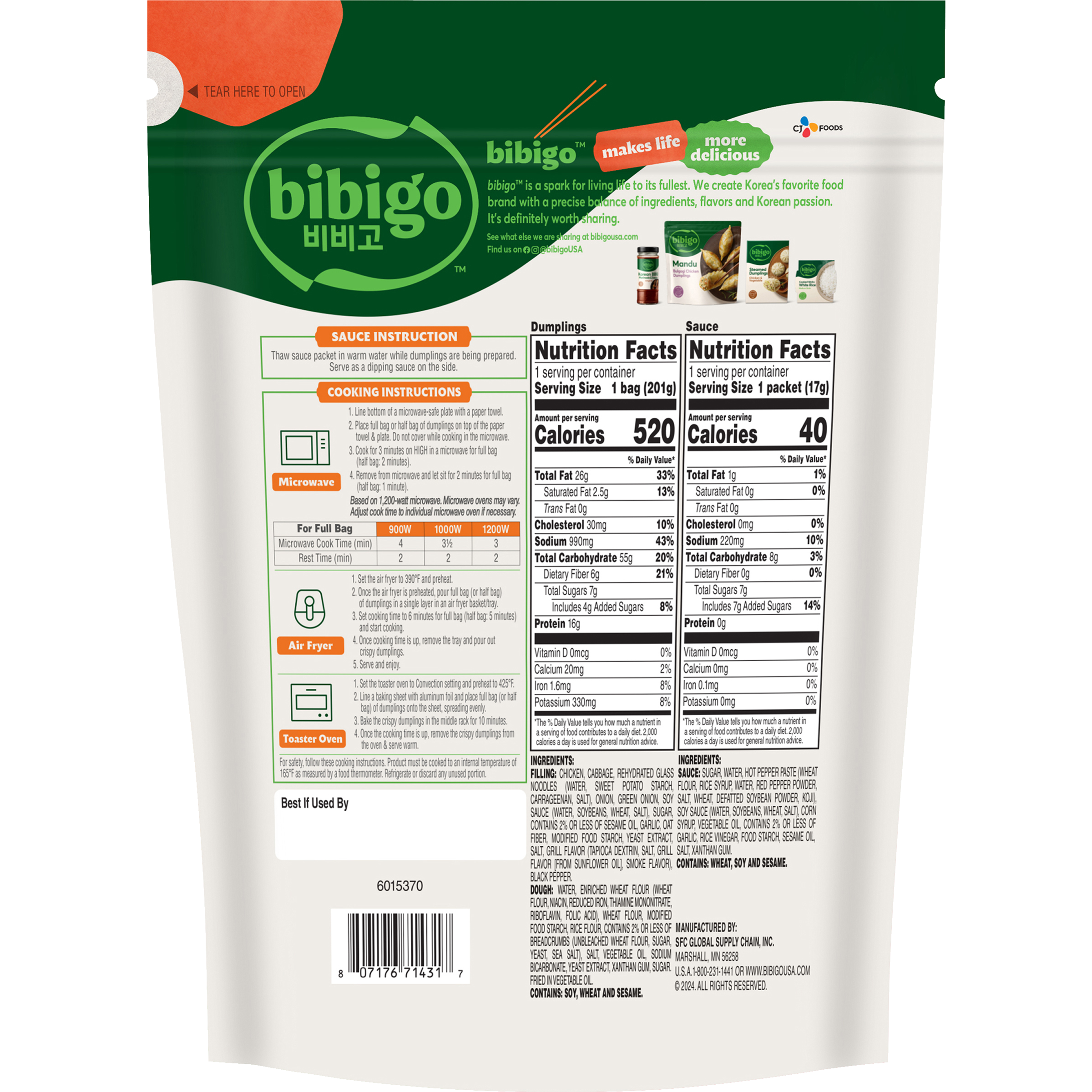
Here is how the methods stack up for nutrition:
- Deep frying
- Uses large amounts of oil. Higher calories and fat. Fast crisping.
- Oven roasting
- Uses moderate oil. Good for large batches. Slower than air frying.
- Air frying
- Uses very little oil. Faster than oven for small batches. Often lower calories than deep frying.
Nutrient retention tends to be better with shorter cook times. Air frying can be a good middle ground. When comparing methods in air fryer nutrition facts explained, keep in mind food type, oil type, and portion size.

Common misconceptions and safety concerns
Many myths surround air fryers. Let’s clear up the main ones:
- Myth: Air frying always makes food healthy.
- Reality: It lowers oil but not the calories already in the food. Processed, high-sugar, or high-sodium foods remain less healthy.
- Myth: Air frying removes all harmful compounds.
- Reality: High heat can form acrylamide in starchy foods. Use lower temp and shorter time to reduce risk.
- Concern: Nonstick coatings and high heat
- Cook at recommended temps and avoid damaged baskets. Replace parts if coating peels.
When learning air fryer nutrition facts explained, be honest about limits. Air frying helps, but it is not a cure-all. Balance, food choices, and safe cooking matter most.
Personal notes from experience
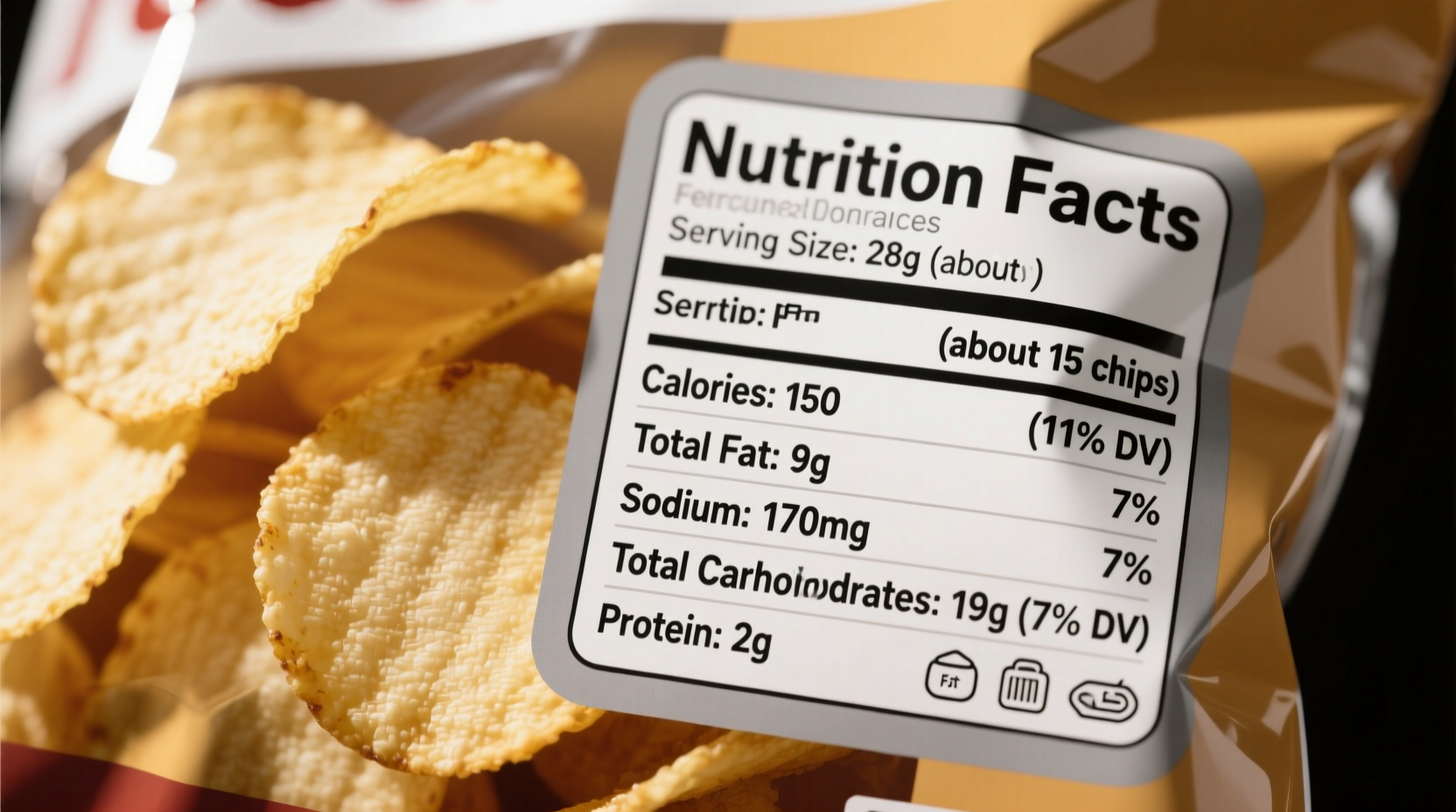
I tested air fryer recipes for years. I learned three practical lessons:
- Less oil works. A thin mist or teaspoon gives crisp results.
- Season early and recheck. Spices can burn, so time them right.
- Batch size matters. Overcrowding makes food soggy.
Using these habits improved both taste and nutrition in my kitchen. When I discuss air fryer nutrition facts explained, I rely on tests, simple math, and common-sense cooking.
:max_bytes(150000):strip_icc()/popcorn_annotated-9acd5997277f4de8bb116048eee0cff5.jpg)
Frequently Asked Questions of air fryer nutrition facts explained
What exactly changes nutritionally when you air fry?
Air frying mainly reduces oil-related calories. Vitamins and minerals change based on heat and time, but protein and minerals remain mostly stable.
Is air-fried food lower in fat than baked food?
Often yes, if you use less oil than in baking. Baking can use similar oil amounts. Air frying shines when you choose minimal oil.
Does air frying reduce acrylamide risk?
Air frying can still produce acrylamide at high temps. To reduce it, cook at lower temps, avoid over-browning, and soak starchy foods before cooking.
Are nutrients lost more in air frying than boiling?
Not usually. Boiling can leach water-soluble vitamins into the water. Air frying keeps these nutrients in the food better, thanks to dry heat.
Can I use the same seasonings and oils as other methods?
Yes. Use heart-healthy oils and fresh herbs. Adjust amounts so food doesn’t get oily or burned.
Is reheating in an air fryer safe for nutrients?
Reheating can reduce some vitamins, but an air fryer reheats quickly and keeps texture. Use short times and moderate heat to protect nutrients.
Conclusion
Air frying offers a practical way to cut oil and calories while keeping great texture and flavor. By understanding air fryer nutrition facts explained, you can make smart choices about oil, portion sizes, and cooking times. Start by choosing whole foods, using minimal healthy oil, and adjusting temps for delicate items. Try one new air-fryer recipe this week and note the difference in taste and calories — then share what worked. If you found this useful, subscribe for more tips or leave a comment with your favorite air-fryer swap.