

Always follow basic precautions: keep the air fryer clear, use heat-safe tools, and never leave it unattended.
I’ve spent years testing small kitchen appliances and teaching safe cooking practices. This guide covers air fryer safety tips in clear, practical steps you can use today. You’ll learn how to set up your air fryer, avoid common hazards, clean it safely, and troubleshoot issues. Read on for easy-to-follow air fryer safety tips that protect your home, your food, and your family.
Why air fryer safety tips matter
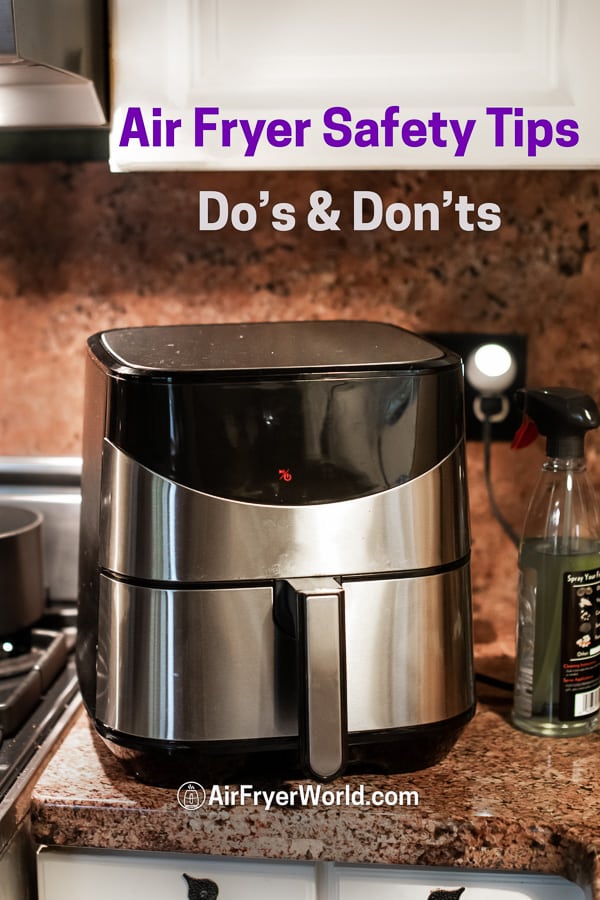
Air fryers heat fast and reach high temps. That speed makes them great, but it also raises risk of burns, smoke, and fire. Following air fryer safety tips keeps cooking safe and preserves the appliance. Many problems come from simple mistakes like overcrowding or using the wrong cookware. Learn the right habits now to prevent accidents later.
.png?v=1768625860497&options=w_870,h_700)
Prep and setup: first steps before using your air fryer
Start with placement. Place the air fryer on a flat, heat-resistant surface with at least 4–6 inches of space around it for airflow. Poor placement can cause overheating and create a fire risk.
Check the plug and outlet. Use the air fryer on its dedicated circuit if possible. Avoid extension cords and power strips that can overheat under load.
Read the manual. The manufacturer’s instructions include model-specific air fryer safety tips for wattage limits, recommended cookware, and cleaning steps. Manuals also list warnings you should not ignore.
Inspect baskets and trays. Make sure they’re clean and not damaged. Bent or coated trays can promote uneven cooking and flaking.
Operating tips for safe cooking with an air fryer
Preheat when needed. If a recipe calls for preheating, do it briefly. Preheating time is often just two to five minutes.
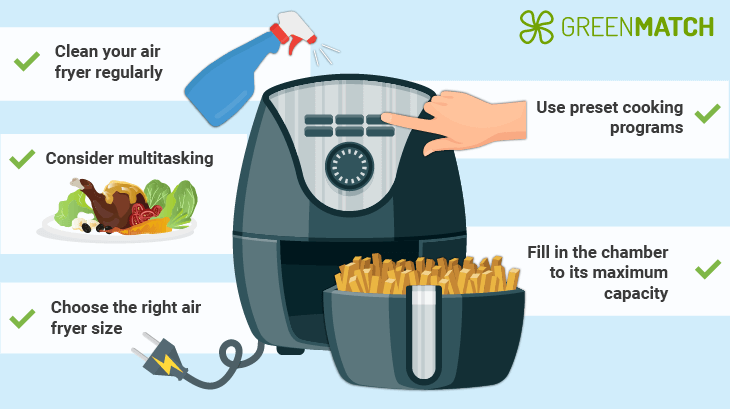
Do not overload the basket. Crowding reduces airflow and increases cooking time. Overloading can increase oil splatter and smoke.
Use heat-safe tools. Use silicone, wooden, or metal tools rated for high heat. Avoid plastic that can melt.
Watch oil and sprays. Add only a small amount of oil. Do not spray the heating element directly. Use measured oil or a brush to avoid flare-ups.
Avoid aerosol nonstick sprays. These sprays can damage nonstick coatings over time and produce sticky buildup that causes smoking.
Keep children and pets away. High heat and hot surfaces are dangerous. Set a safe zone while the air fryer runs.
Turn off and unplug after use. Once cooled, unplug the unit to prevent accidental starts and to remove power while cleaning.
Cleaning, maintenance, and storage to extend safety and life
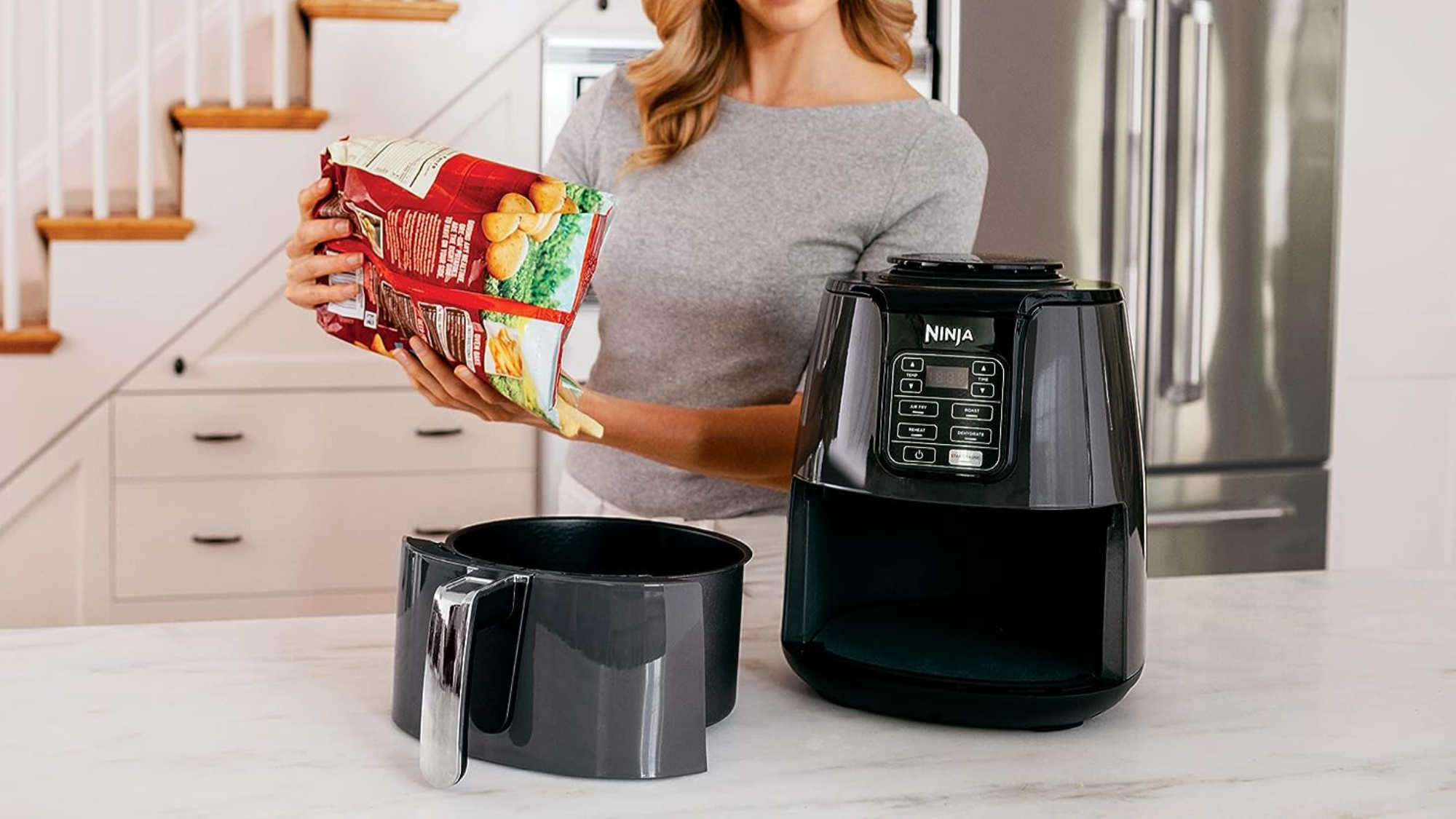
Clean after each use. Wipe the basket, tray, and interior with warm soapy water. Remove crumbs that can burn.
Deep clean regularly. Check heating elements for grease and residue, and clean gently with a soft brush. Built-up grease increases risk of smoking and fire.
Avoid abrasive tools. Scrubbing pads can scratch nonstick coatings and expose metal. Use soft cloths or nonabrasive sponges.
Dry completely before storing. Moisture left inside can cause rust or electrical issues. Store the air fryer in a dry place.
Replace worn parts. If baskets, trays, or cords show damage, replace them. Damaged parts can cause malfunction or injury.

Common hazards, troubleshooting, and how to avoid them
Smoke during cooking
- Cause: Excess oil, food debris, or very fatty foods can smoke at high temperatures.
- Fix: Lower the temperature by 10–20°F, remove excess oil, and clean the basket.
Burns and hot surfaces
- Cause: Touching the outer shell, basket, or food without protection.
- Fix: Use oven mitts, tongs, and keep the handle away from faces and hands.
Electrical issues
- Cause: Faulty cords or overloaded circuits.
- Fix: Stop use and have the cord inspected or replaced. Use a dedicated outlet.
Flare-ups or fire
- Cause: Excess grease or using very high heat with oil.
- Fix: Turn off the air fryer, keep the door closed, and let it smother the flame. Do not use water on hot oil fires.
Uneven cooking
- Cause: Overcrowding, wrong temperature, or not shaking food.
- Fix: Cook in smaller batches and shake or flip food halfway.
PAA-style quick questions
Can I use foil in an air fryer?
You can use foil, but avoid covering the whole basket. Secure foil to prevent it from touching the heating element and blocking airflow.
Is it safe to put an air fryer in a cabinet?
No. Air fryers need clear space for ventilation. Keeping one in a closed cabinet can trap heat and create a fire hazard.
Personal experience: mistakes I made and lessons learned
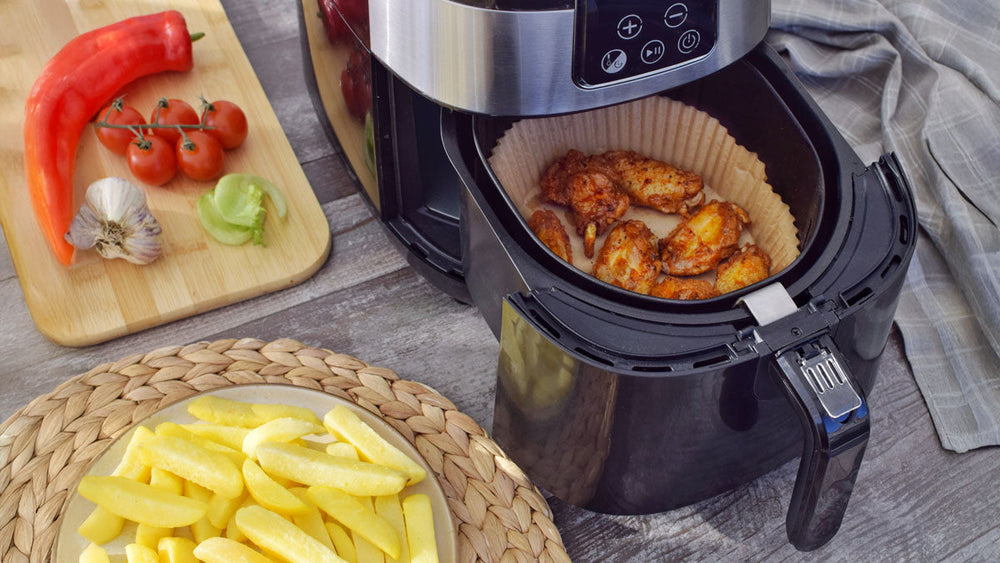
Early on, I used too much oil and left the unit unattended. That caused smoke and a tense cleanup. Since then, I learned to measure oil and set a timer every time.
I once placed an air fryer too close to a curtain. A small heat warp taught me to always give room for airflow. These simple lessons shape my top air fryer safety tips today.

Additional practical tips and safe cookware choices
Choose oven-safe cookware. Use metal pans or silicone that fit the basket and allow airflow. Avoid glass dishes unless the manual allows them.
Test new recipes carefully. Try shorter cook times and lower temps for new foods. Keep a thermometer on hand to check internal food temps.
Use a timer and thermometer. A timer prevents forgotten food. A food thermometer ensures safe internal temps for meats and poultry.
Store accessories safely. Keep racks and trays clean and dry. Store the unit with the cord wrapped loosely to avoid kinks.
Safety checklist before each use
- Inspect the cord and plug for damage.
- Clear surrounding area of paper, cloth, or curtains.
- Check basket and tray are clean and dry.
- Preheat only if the recipe asks.
- Use proper utensils and a timer.
Frequently Asked Questions of air fryer safety tips
How long should I let my air fryer cool before cleaning?
Let the air fryer cool for at least 15–30 minutes. Ensure it is cool to the touch before removing baskets and wiping the interior.
Can I use aluminum foil or parchment paper safely?
Yes, when used correctly. Secure foil or perforated parchment to prevent it from touching the heating element and blocking airflow.
Is it safe to deep-fry or use large amounts of oil in an air fryer?
No, air fryers are not designed for deep frying. They use circulating hot air and only need a small amount of oil for crisping.
What should I do if my air fryer smokes a lot?
Stop cooking and unplug the unit if safe to do so. Remove the basket, empty excess oil, and clean any food debris before trying again at a lower temperature.
Can I put frozen food directly into the air fryer?
Yes, many frozen foods are safe to cook directly. Increase cook time slightly and check internal temps to ensure even cooking.
Final thoughts and action steps
Air fryer safety tips are easy to follow and make cooking safer and more enjoyable. Start with simple habits: read the manual, give the appliance space, avoid excess oil, and clean regularly. Try one new safety tip this week and notice the difference in results and peace of mind. Share your experience below, subscribe for more safety guides, or leave a question to keep learning.