

Air fryers cook faster with crisp results and less oil, while ovens offer volume and versatile heat control.
I've tested both at home and reviewed appliance specs to compare air fryer vs oven differences in real kitchens. I cook weekly for family and friends, so I know how each tool performs for quick weeknight meals, batch cooking, and special recipes. Read on for a practical, experience-backed guide that explains how air fryer vs oven differences affect taste, time, cost, and everyday use.
How air fryers and ovens work
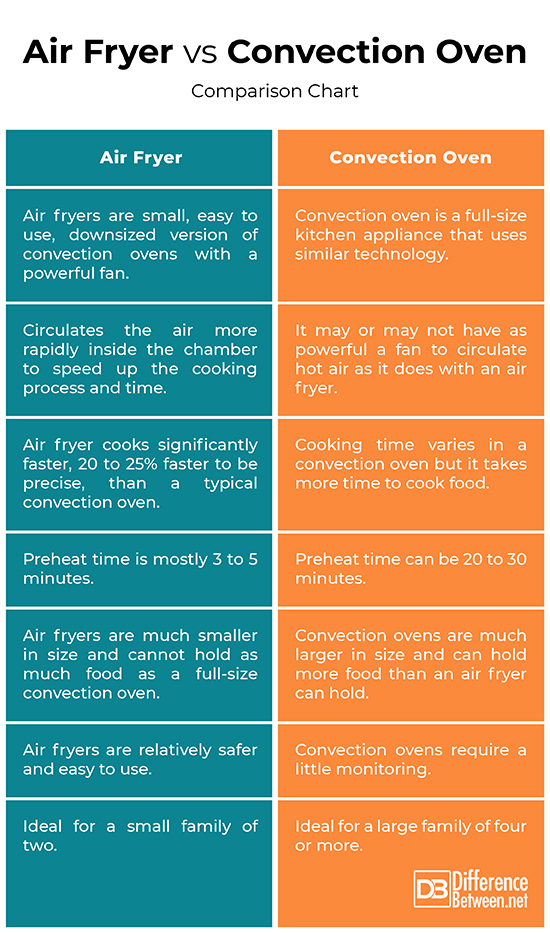
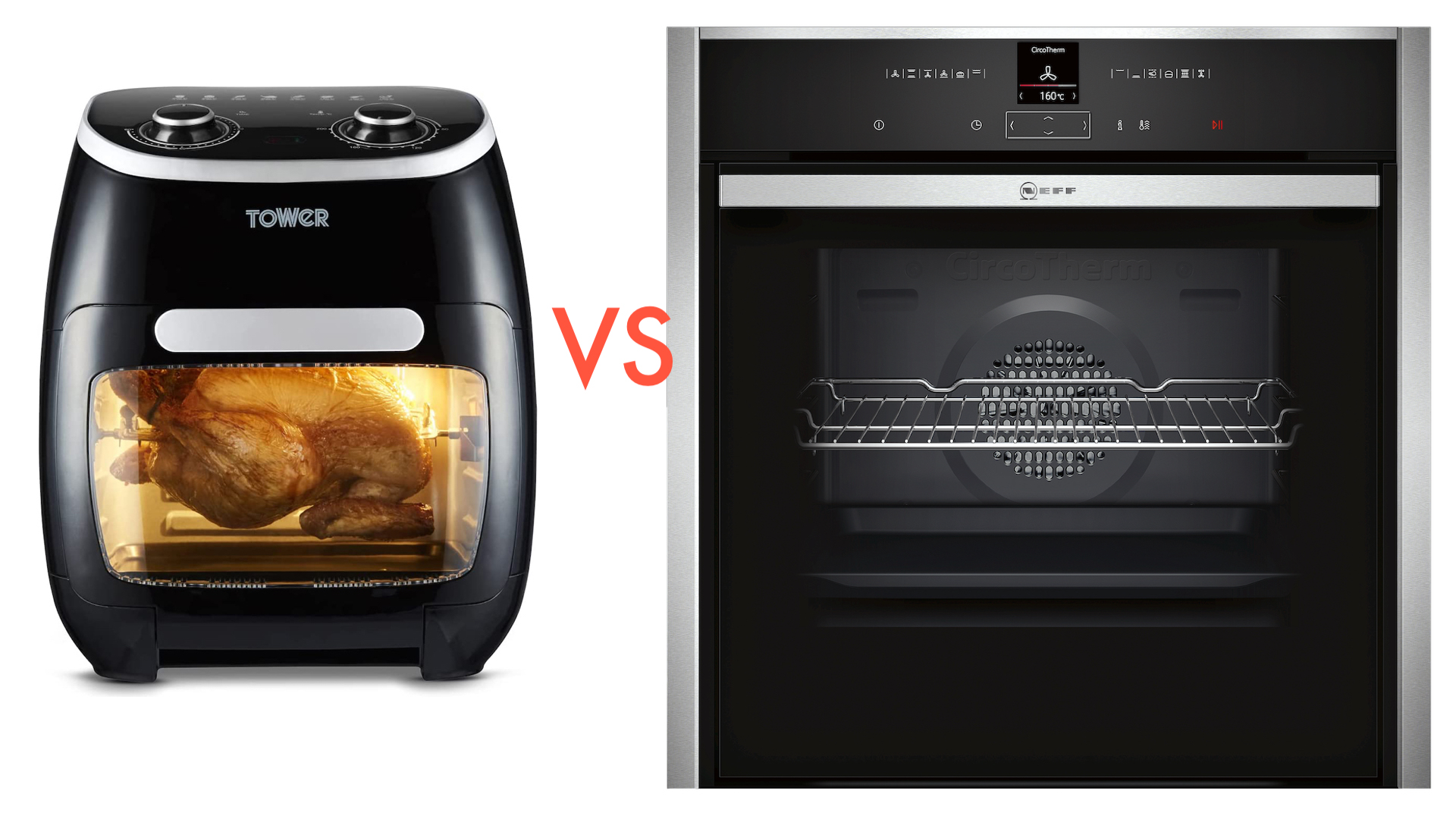
An air fryer is a compact countertop appliance that uses high-speed hot air circulation and a heating element to brown and crisp food. A conventional oven uses radiant heat from elements and sometimes convection fans to cook food more slowly and evenly. Understanding these basic mechanics is the first step to seeing air fryer vs oven differences.
Common mechanics to note:
- Air fryer concentrates heat in a small chamber, which speeds up browning.
- Oven offers stable, large-volume heat and is better for multi-rack baking.
- Convection ovens add a fan to mimic air fryer airflow but on a larger scale.
People also ask:
Do air fryers use less energy than ovens?
Yes. Air fryers often use less energy for small batches because they heat faster and for less time.
Can I bake in an air fryer?
Yes. You can bake small cakes, muffins, and bread in an air fryer, but size limits apply.
Are air fryers just mini convection ovens?
They are similar, but air fryers are designed for more intense airflow in a smaller space, which changes browning and crisping.

Performance and cooking results
Crisp factor is where many cooks compare air fryer vs oven differences first. Air fryers excel at crispy exteriors for things like fries, wings, and breaded items. Ovens provide more even baking across larger trays and are better for roasts and layered dishes.
Performance notes:
- Crisp and crunch: Air fryer often gives faster, more intense crisping.
- Even bake: Ovens win for cakes, casseroles, and multi-tray jobs.
- Browning control: Ovens offer gentler browning over longer time; air fryers may brown too quickly if not monitored.
Tips for better results:
- Shake or flip food halfway in an air fryer.
- Preheat the oven for consistent bake times.
- Use a thin layer of oil in an air fryer to improve browning without excess fat.
Speed, efficiency, and practical kitchen use
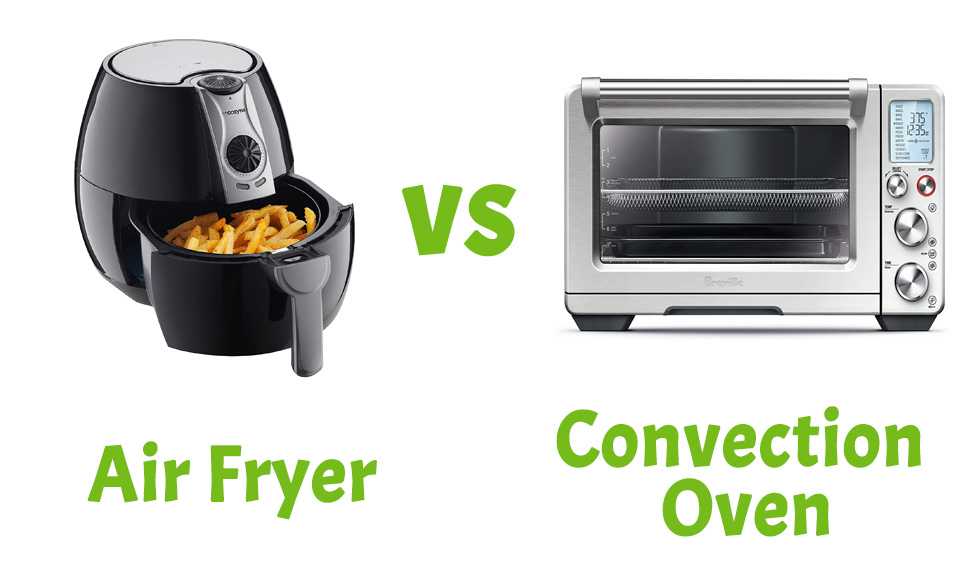
Speed and convenience are common reasons people choose an air fryer. For single portions and quick sides, the air fryer often beats the oven by 10–25 minutes. However, when cooking for a group, the oven shines because of its capacity.
Speed and efficiency facts:
- Preheat times: Air fryers heat almost instantly; ovens take longer.
- Batch cooking: Oven allows larger batches; air fryer may need multiple cycles.
- Energy use: For small meals, air fryer often uses less electricity overall.
Practical use cases:
- Weeknights and snacks: Use the air fryer.
- Entertaining and baking: Use the oven.
- Multi-dish meals: Oven makes it easier to coordinate timing.

Health, nutrition, and cooking oils
Many shoppers ask about health when weighing air fryer vs oven differences. Air fryers let you get crispy textures with little or no oil. That can reduce added fat versus deep-frying. Ovens also allow low-fat cooking but may require more oil for similar crispiness on some foods.
Health considerations:
- Oil reduction: Air fryers cut oil needs for breaded or fried-style foods.
- Nutrient retention: Both methods preserve nutrients well; shorter cook times may retain more heat-sensitive vitamins.
- Acrylamide: High-heat browning can form acrylamide in starchy foods; monitor temperature and time.
Practical tips:
- Use minimal oil spray in an air fryer for crisp texture.
- Roast veggies in the oven with a small oil drizzle for even caramelization.
- Avoid excessive charring to reduce harmful compounds.
:max_bytes(150000):strip_icc()/air-fryer-vs-toaster-oven-6830843-b7c2dd6e69844e459f3bf27696b223f0.jpg)
Capacity, size, and kitchen fit
Capacity is a big real-world difference in the air fryer vs oven differences conversation. Air fryers are compact and great for small kitchens. Ovens handle large dishes and multiple racks.
Capacity comparisons:
- Air fryer basket: Best for single servings or side dishes.
- Oven cavity: Suitable for whole roasts, multiple dishes, and baking sheets.
- Counter space: Air fryers sit on the counter; ovens are built-in or range-top.
Choosing by kitchen:
- Small household: Air fryer may cover most needs.
- Large family or frequent hosts: Oven is often essential.
- Combine both if you want speed and volume.
Cost, maintenance, and lifespan
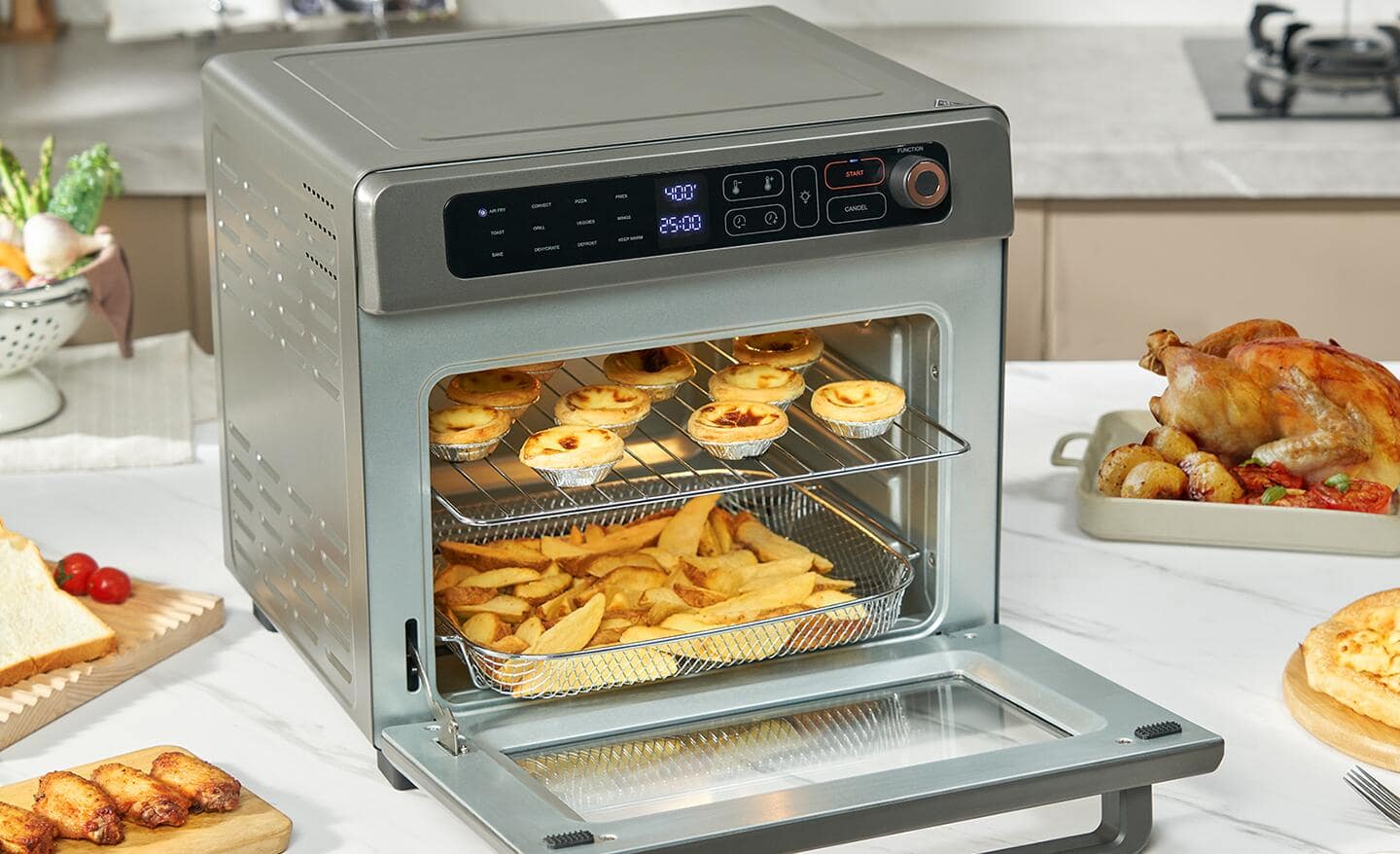
Initial price, upkeep, and how long appliances last factor into air fryer vs oven differences. Air fryers tend to be cheaper up front. Ovens are a heavier investment but can last many years when installed properly.
Cost and care points:
- Purchase price: Air fryers are affordable; high-end models cost more.
- Running costs: Air fryers can be cheaper per small meal; ovens are more efficient for big jobs.
- Cleaning: Air fryer baskets clean quickly but may need scrubbing; ovens need periodic deep cleaning.
Longevity:
- Air fryer lifespan can be 3–7 years depending on use.
- A built-in oven often lasts 10–15 years with proper care.
Choosing the right tool: practical use cases and decision guide
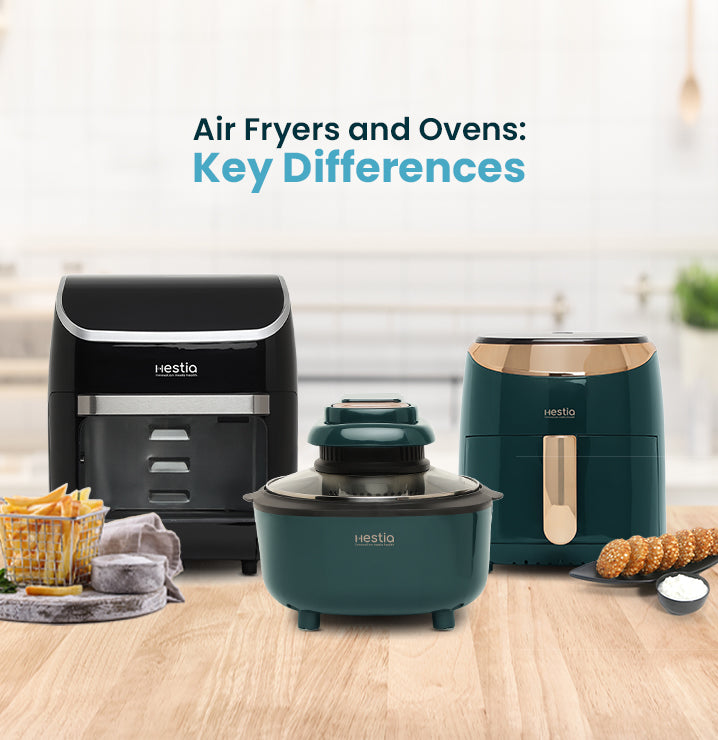
Match the appliance to your habits to make the best choice among air fryer vs oven differences. Think about meal size, cooking style, and storage.
Decision checklist:
- Cook mostly for one or two: Air fryer is smart.
- Bake and roast frequently: Oven is better.
- Limited space and budget: Start with an air fryer.
- Want both speed and volume: Use both or choose a convection oven with good airflow.
Recipe examples:
- Air fryer: Crispy tofu, frozen fries, reheated pizza slices.
- Oven: Sheet pan dinners, whole chicken, layered lasagna.
Personal experience, tips, and lessons learned
From my home tests and weekend dinner runs, I’ve learned practical rules that show clear air fryer vs oven differences. I once burned a batch of breaded shrimp in an air fryer by following oven times. Now I cut time by 25% and lower temp by 25°F for the air fryer.
Real-world tips:
- Reduce oven recipe temps by 20–30% in an air fryer and shorten time.
- Avoid overcrowding the air fryer basket; crisping needs airflow.
- Use small baking pans that fit the air fryer when you need to bake.
- Keep a quick oil mister for even coating without sogginess.
Lessons learned:
- Test a new recipe on a small batch first.
- Track time and temp changes in a simple notebook to repeat wins.
- Accept that each tool has its place — they complement, not replace, each other.
Frequently Asked Questions of air fryer vs oven differences
What are the main air fryer vs oven differences?
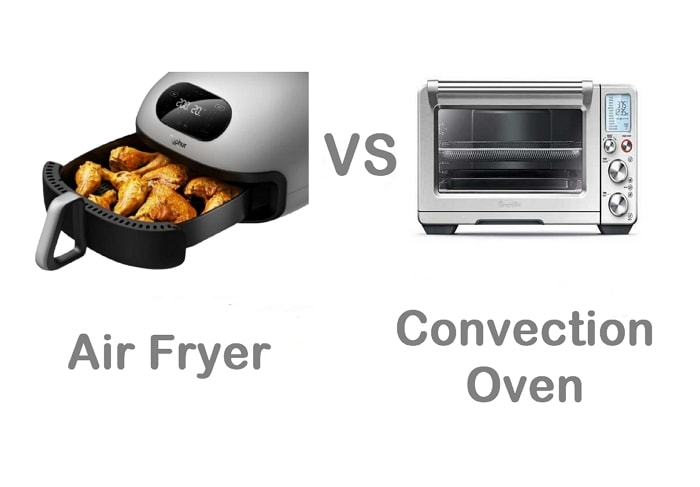
Air fryer vs oven differences include size, speed, and airflow. Air fryers heat faster and crisp well; ovens give more even heat and larger capacity.
Can an air fryer replace an oven?
An air fryer can replace an oven for small meals and quick crisping but not for large roasts or multi-sheet baking.
Are foods healthier in an air fryer than in an oven?
Air fryer foods can use less added oil, which reduces fat. Nutritionally, both methods are similar when oil and time are controlled.
How do I convert oven recipes for an air fryer?
Lower temperature by 20–30°F and shorten time by about 20–25%. Check early and shake or flip halfway through.
Do air fryers save energy compared to ovens?
For small, quick meals, air fryers usually use less energy because they heat faster and for shorter durations.
Conclusion
Air fryer vs oven differences come down to speed, size, and the kind of cooking you do most. Use an air fryer for fast, crispy single-serve meals and an oven for volume, even baking, and large roasts. Try both, test recipes in small batches, and keep a simple note of adjustments you make. Start cooking with intention, pick the tool that fits your lifestyle, and share your favorite wins or questions in the comments — I’d love to hear your experiences.