

Breville Smart Grinder Pro is the best entry level coffee grinder for espresso.
I’ve stood at the kitchen counter, craving a real espresso shot but stuck with inconsistent grinds. A good entry-level grinder fixes that. It gives steady fines, dose control, and simple settings without breaking the bank. I’ll walk you through practical picks that fit different budgets and needs so you can brew shots that taste like a cafe.
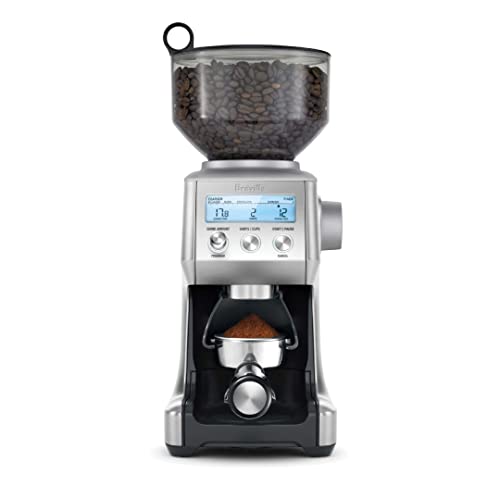
Breville BCG820BSS Smart Grinder Pro…
The Breville Smart Grinder Pro includes 60 unique settings – this programmable conical burr grinder offers a wide range of possibilities for your brew; Choose a unique setting and find…
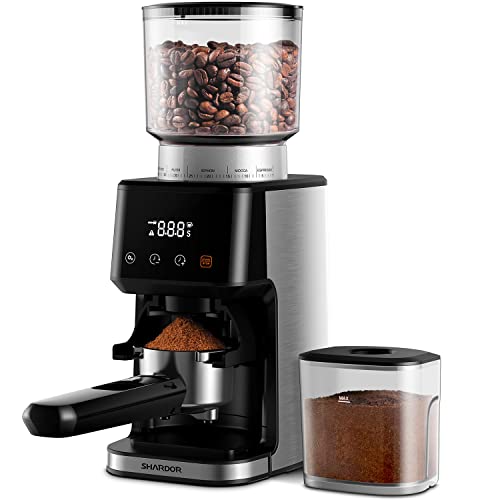
SHARDOR Conical Burr Espresso Coffee…
Premium 40 Millimeter Stainless Steel Conical Burr: Designed to minimize grinding heat and protect the essential oils in the coffee bean, creating uniform grounds for optimal flavor extraction. 51 Precise…
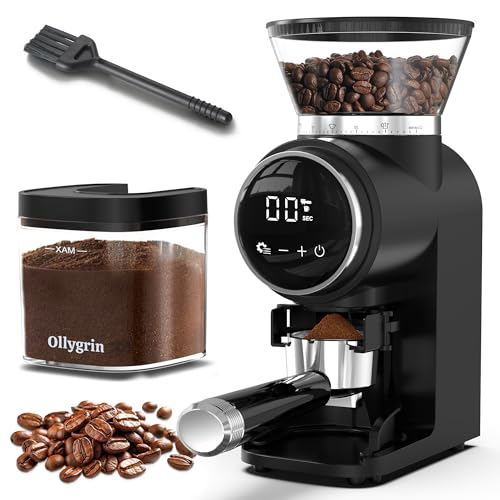
Ollygrin Burr Coffee Grinder Electric,…
30 Adjustable Grind Settings: The Ollygrin coffee bean grinder offers precise grind adjustments ranging from fine for espresso to coarse for French press, ensuring optimal extraction and compatibility with various…
Breville Smart Grinder Pro
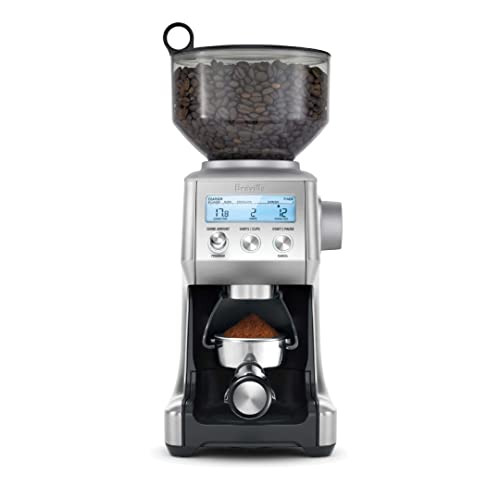
I’ve used the Breville Smart Grinder Pro for years. It grinds evenly for espresso. The stainless steel burrs deliver a consistent particle size. Its digital timer and many grind settings make dialing in easy.
The hopper holds enough beans for daily use. It’s quiet for its class. Cleanup is simple with removable parts. For a first serious grinder, it strikes a strong balance of price and features.
Pros:
- Precise grind settings for espresso dialing
- Low retention thanks to a well-designed chute
- Solid build with stainless steel burrs
- User-friendly timer and display
- Consistent grinds across shots
Cons:
- Bulkier footprint on small counters
- More features than some beginners need
My Recommendation
This unit is best for new baristas who want great espresso without a pro price. I find it forgiving when I tweak grind size or dose. If you want a start-to-finish tool that grows with your skills, the Breville Smart Grinder Pro is a top pick. It often sits at the top of best entry level coffee grinder for espresso lists for a reason.
| Best for | Why |
|---|---|
| Beginners wanting precision | Detailed settings help you learn dialing in espresso |
| Home cafes | Balanced build and performance for daily use |
| Budget-conscious buyers | High value vs features and durability |
SHARDOR Conical Burr Grinder

I like the SHARDOR Conical Burr for small kitchens. It offers 51 grind settings and a timer for precise dosing. The touchscreen is responsive. Anti-static features help reduce mess.
It grinds fine enough for espresso. The steel conical burrs are quiet. Setup and daily use are straightforward. For the price, it’s a solid entry model for espresso practice.
Pros:
- Wide range of grind settings for espresso
- Touchscreen timer for repeatable shots
- Anti-static design reduces grounds on counters
- Compact footprint fits tight spaces
- Quiet motor compared to many budget models
Cons:
- Plastic components feel less durable
- Not as long-lasting as premium brands
My Recommendation
I recommend the SHARDOR grinder for someone who wants a low-cost grinder with modern features. I found it easy to dial in for espresso. It’s a good step up from blade grinders and suits small homes. If you’re searching for the best entry level coffee grinder for espresso on a tight budget, this model makes sense.
| Best for | Why |
|---|---|
| Budget buyers | Affordable with many settings |
| Small kitchens | Compact and quiet |
| Anyone wanting easy dosing | Timer and touchscreen simplify repeatability |
Ollygrin Burr Grinder

The Ollygrin Burr grinder is built for home users. I tested its stepped grind scale and found it reliable for espresso. It has an easy-to-read touchscreen and an anti-static hopper. The motor runs smoothly during short bursts.
It handles espresso fines fairly well. The chamber design keeps retention low. I like its modern look for the counter. For those who want simple controls with capability, it’s a good pick.
Pros:
- Adjustable grind for espresso and other brews
- Anti-static hopper minimizes mess
- Touchscreen simplifies timing
- Compact and modern design
- Easy to clean components
Cons:
- Not as precise as boutique grinders
- Plastic parts show wear sooner
My Recommendation
I recommend the Ollygrin grinder for new espresso lovers who want a clean look and simple controls. I used it for multiple shots and found it consistent for short pulls. If you need a reliable, affordable device that helps you learn espresso, the Ollygrin is in the running for best entry level coffee grinder for espresso.
| Best for | Why |
|---|---|
| Aesthetics-focused buyers | Sleek design fits modern kitchens |
| Learners | Simple interface eases dialing in |
| Low-maintenance users | Accessible parts and easy cleanup |
Baratza Encore Grinder

The Baratza Encore is a legend for home brewers. It’s built to last with quality burrs. While focused on drip, it can produce espresso-fine grinds with careful dialing. I find it forgiving and durable.
It lacks a timer but excels in consistency. The grind steps are coarse-focused but stable for daily use. Repairability and spare parts make it a long-term buy. For many, it’s a trusted entry path into better espresso.
Pros:
- Durable build and reliable motor
- Consistent grind distribution
- Easy to service and find parts
- Simple and intuitive operation
- Great value for longevity
Cons:
- Not tailored specifically for espresso
- Requires manual timing for dosing
My Recommendation
I recommend the Baratza Encore if you want longevity and consistency. I use it when I need a workhorse that won’t fail over years. With patience, it works for espresso and other brews. If your priority is a long-lasting best entry level coffee grinder for espresso with repair support, Encore is an excellent option.
| Best for | Why |
|---|---|
| Longevity seekers | Simple serviceable design |
| Home multi-brew use | Handles drip to fine with care |
| Value buyers | Affordable quality that lasts |
KIDISLE Conical Burr Grinder
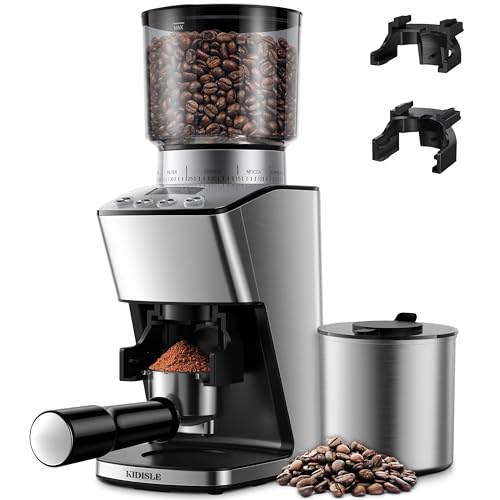
The KIDISLE Conical Burr offers 51 settings and a stainless dosing cup. I found the timer accurate for repeat shots. The conical burrs work well for espresso grind range. It’s an easy all-around unit for home espresso beginners.
The grinder has good anti-static behavior. Setup was simple and predictable. The metal cup is handy for moving grounds to portafilter. I’d recommend it to someone upgrading from a blade grinder.
Pros:
- Many grind settings for precise dialing
- Stainless dosing cup reduces mess
- Anti-static design helps cleanliness
- Reasonable noise profile
- Good value for features
Cons:
- Build materials lean budget-grade
- Not as refined as premium burrs
My Recommendation
KIDISLE works well for someone moving past a blade grinder. I used it to dial shots with repeatable results. If you want a capable, affordable grinder, it’s a fine candidate. This model fits many lists for best entry level coffee grinder for espresso thanks to its settings and dosing cup.
| Best for | Why |
|---|---|
| Upgraders from blade | Noticeable improvement in grind quality |
| Dosing fans | Includes stainless dosing cup |
| Budget-conscious learners | Good features for the price |
KRUPS Blade Coffee Grinder

The KRUPS blade grinder is basic and very affordable. It works for drip and press, but not ideal for espresso. Blade grinders create uneven particles which harm extraction for espresso. Still, it’s handy for someone on a tight budget.
I’ve used blade grinders in emergencies. They are fast and compact. For a true espresso shot, I don’t recommend them long term. But for occasional use, it’s serviceable.
Pros:
- Very low cost
- Compact and lightweight
- Easy to clean with removable bowl
- Good for spices and multi-use
- Fast grinding for coarse needs
Cons:
- Uneven particle size harms espresso extraction
- Limited control over grind fineness
My Recommendation
I recommend the KRUPS blade grinder only as a budget stopgap. I would not choose it as my primary grinder for espresso. If you want to learn espresso seriously, opt for a burr model. The KRUPS is best when your priority is price and compactness, not fine espresso shots.
| Best for | Why |
|---|---|
| Very tight budgets | Lowest price point |
| Casual users | Good for coarse and multi-use grinding |
| Space-savers | Compact storage and light weight |
Aromaster Conical Burr Grinder

The Aromaster brings a portafilter holder to the budget grinder class. I like that it supports direct dosing to a basket. It offers 25 grind settings and anti-static design. This helps when you want tidy espresso prep.
The timer handles 2–12 cups but works for single shots with short pulses. The holder increases convenience and reduces waste. For new espresso makers, this feature saves time and grounds.
Pros:
- Portafilter holder for direct dosing
- Anti-static design for cleaner counters
- Affordable conical burr performance
- Simple set of grind adjustments
- Includes cleaning brush
Cons:
- Limited fine adjustment steps
- Timer geared toward drip users
My Recommendation
The Aromaster is great for someone who wants quick portafilter dosing. I found it practical for rushed mornings. It simplifies the ritual and reduces mess. If you value speed and convenience, this ranks well among best entry level coffee grinder for espresso choices.
| Best for | Why |
|---|---|
| Portafilter users | Direct dosing cuts prep time |
| Quick morning routines | Faster, cleaner workflow |
| Mess-averse brewers | Anti-static design reduces grounds |
SHARDOR Super Silent Blade

This SHARDOR model emphasizes quiet operation and timed grinding. It’s a blade-style grinder tuned to reduce noise. It’s handy for spices and coarse coffee. For espresso it is not my first choice.
I used it for travel and quick grinds. It’s small and light. If you need a quiet, multipurpose grinder, it works. For consistent espresso, choose a burr model instead.
Pros:
- Very quiet compared to many blades
- Compact for travel or small kitchens
- Timed grind control for repeatability
- Affordable and multi-use
- Easy to store and wash
Cons:
- Blade design yields uneven espresso grinds
- Not designed for fine espresso dialing
My Recommendation
I recommend this SHARDOR blade grinder for travelers or spice users, not for espresso training. I keep one for quick trips and camping. If you want the best entry level coffee grinder for espresso, pick a burr grinder instead. This model is best when portability and low noise matter most.
| Best for | Why |
|---|---|
| Travelers | Small and quiet for trips |
| Multi-use kitchen | Good for spices and coarse grinds |
| Noise-sensitive users | Designed to reduce sound |
MOKKOM 64mm Flat Burr

The MOKKOM offers 64mm flat burrs and 100 grind settings. That level of control is rare at this price point. I found flat burrs give a clean particle distribution for espresso. The LED display and timer are precise for dosing.
It’s heavier and feels premium. Anti-static design keeps grounds tidy. For new enthusiasts who want a more advanced grinder, MOKKOM bridges budget and performance. I see it as a step-up unit for serious beginners.
Pros:
- Large flat burrs for even grind
- Many settings for fine tuning espresso
- Solid metal body and premium feel
- Anti-static and LED timer
- Low retention design
Cons:
- More expensive than basic entry models
- Heavier size may not fit all counters
My Recommendation
I recommend the MOKKOM for learners who want a near-pro experience at home. I used it to tighten extraction and saw more even shots. If you’re serious about espresso and want one grinder that grows with you, MOKKOM fits. It is a strong contender for best entry level coffee grinder for espresso if you’re ready to invest a bit more.
| Best for | Why |
|---|---|
| Serious beginners | Large burrs give pro-level consistency |
| Home baristas upgrading | Range lets you perfect shots |
| Those who want low retention | Anti-static design reduces waste |
Fellow Opus Conical Burr

The Fellow Opus has a modern design and 40mm stainless steel burrs. I like its build and quiet, consistent performance. It offers 41 settings and a neat step-less feel. The aesthetics and tech make dosing easy.
It’s tuned for cafe-style espresso at home. I found it reliable for single and double shots. It’s pricier, but the stylish form and precise action justify the cost. For those who want a refined grinder right away, it’s a favorite.
Pros:
- Quiet and smooth operation
- Precise conical burrs for espresso
- Thoughtful design and build quality
- Good for single-dosing and repeat shots
- Easy-to-use adjustment ring
Cons:
- Higher price than basic entry models
- Smaller burrs than professional units
My Recommendation
I recommend the Fellow Opus for design-minded brewers who want low noise and solid performance. I used it daily and enjoyed the consistency. It’s a strong pick among best entry level coffee grinder for espresso choices if style and quiet operation matter. For home baristas who want an elegant grinder that performs, go with the Opus.
| Best for | Why |
|---|---|
| Design-focused users | Beautiful form and neat controls |
| Quiet grinders | Low noise profile |
| Single-dosing fans | Good for repeatable single shots |
FAQs Of best entry level coffee grinder for espresso
What makes a grinder “entry level” for espresso?
An entry-level grinder balances cost and performance. It uses burrs rather than blades. It offers repeatable settings or a timer. It helps you make decent espresso without high-end price tags.
Can I use a blade grinder for espresso?
You can, but I do not recommend it. Blade grinders make uneven particles. That hurts extraction and creates bad crema. Burr grinders are the right choice for espresso.
How many grind settings do I need for espresso?
More settings help dial in shots faster. I look for at least 30+ steps in serious entry models. That gives fine control without overcomplication.
Does burr type matter (conical vs flat)?
Yes. Conical burrs are often quieter and more forgiving. Flat burrs give very even particle size and can yield excellent espresso. Both work for beginners; your choice depends on taste and budget.
How should I clean and maintain an entry-level grinder?
Clean the hopper and burrs regularly. Use a brush to remove grounds. Check for oil buildup and follow the maker’s instructions. Regular cleaning keeps grind quality steady.
Final Verdict: Which Should You Buy?
If you want reliable, repeatable shots on a budget, I recommend the Breville Smart Grinder Pro as the best entry level coffee grinder for espresso. It balances precision, features, and ease of use.
For tighter budgets, choose the SHARDOR or KIDISLE. For longer-term growth, consider MOKKOM or Fellow Opus as you aim higher in flavor and control. All are solid starts for espresso at home.