

Clean every part with hot water, soap, and a weekly deep clean using baking soda or vinegar.
I’ve cleaned and brewed with a French press for years. I know how to clean a french press coffee maker so it stays fresh, tastes great, and lasts longer. This guide walks you through quick daily rinses, full deep cleans, filter care, and safe cleaners. Read on for clear steps, tips from hands-on experience, and solutions to common problems.

Why proper cleaning matters
A clean French press gives better coffee. Leftover oils and grounds change flavor fast. Old residue can smell or grow mold if you leave it wet. Regular cleaning keeps taste bright. It also protects glass and metal parts. As someone who used a press daily, I learned that small habits prevent bad coffee.

Tools and materials you need
Use simple, safe tools. Here’s what I keep by the sink.
- Hot water: Rinses oils and grinds right away.
- Mild dish soap: Cuts oil without harm.
- Soft sponge or brush: Cleans glass and plunger gently.
- Bottle brush or toothbrush: Reaches crevices in the filter and lid.
- Baking soda: Gentle abrasive for stains.
- White vinegar: Good for descaling and odor removal when diluted.
- Paper towels or a dish towel: For drying parts.
- Rubber gloves (optional): Protects hands from hot water.

Daily cleaning: step-by-step
Daily care is fast. Doing this after each use keeps deep cleaning rare.
- Scoop or dump grounds into the compost or trash. Use a spoon or scoop to avoid clogging the sink.
- Rinse the carafe with hot water. Swirl and pour to remove most oils.
- Disassemble the plunger. Pull apart the mesh, plate, and rod if yours comes apart.
- Wash all parts with mild soap and a soft sponge. Clean the carafe, lid, and mesh. Rinse thoroughly.
- Dry parts or let them air dry upside down. Reassemble only when parts are fully dry to avoid rust or mold.
This routine shows you how to clean a french press coffee maker quickly each day. It takes a few minutes and keeps coffee tasting right.

Deep cleaning and stain removal
Do a deep clean once a week or when oils build up. Deep cleaning restores flavor and removes stains.
- Baking soda scrub
- Mix baking soda and warm water to a paste. Apply to stains and scrub gently with a soft brush.
- Rinse well. Baking soda removes stains without harsh chemicals.
- Vinegar soak for scale and odor
- Fill the carafe with equal parts hot water and white vinegar. Let sit 15–30 minutes.
- Press the plunger slowly to move liquid through the mesh, then pour out and rinse several times.
- Boiling water rinse for metal parts
- Carefully pour boiling water over metal filters to loosen oils. Don’t pour boiling water into thin glass that could crack.
- Replace the mesh or seals as needed
- Over time filters warp or rust. Swap them for new ones to keep performance high.
- Clean the lid and spout
- Use a small brush or toothpick to remove trapped grounds in tiny crevices.
Weekly deep cleaning is a core part of how to clean a french press coffee maker well. It prevents buildup and keeps the unit working smoothly.

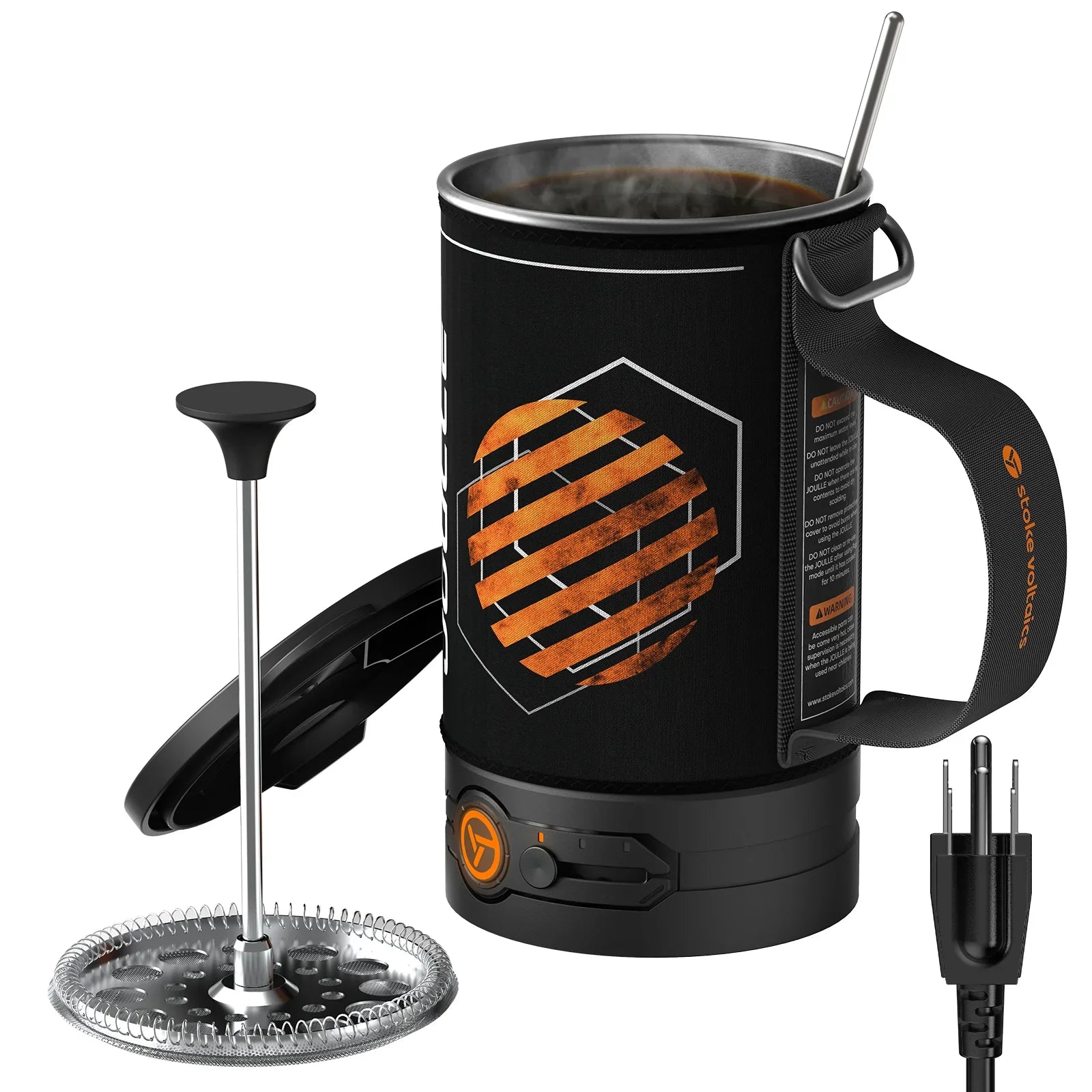
Cleaning the filter and plunger assembly
The filter is the most important part to clean well. Oily grounds collect here and change taste.
- Disassemble the filter stack. Lay the plates, mesh, and spring apart carefully.
- Rinse each piece under hot water. Use a toothbrush on mesh and edges.
- For stubborn oils, soak parts in warm soapy water for 10–20 minutes.
- If you see rust or tears, replace the filter. Small damage lets grounds into your cup.
- Dry completely before reassembling to avoid rust.
Knowing how to clean a french press coffee maker includes taking apart and caring for the filter often.
Maintenance tips and mistakes to avoid
Small habits extend its life. Avoid common mistakes.
- Do not leave wet grounds in the carafe for long. They stain and smell.
- Avoid abrasive scrubbers on glass. They scratch and weaken the carafe.
- Don’t use bleach or harsh chemicals. They leave residues and bad taste.
- Replace worn gaskets or filters every few years. It keeps pressure and filtering reliable.
- If the carafe is double-walled stainless steel, check manufacturer care instructions before soaking or using vinegar.
From my experience, skipping deep cleans is the main mistake. Take the time weekly and your press will last.

Troubleshooting common problems
If your coffee tastes bad, dirty parts are often the cause. Here are quick fixes.
- Problem: Sour or rancid taste
- Fix: Deep clean the plunger and carafe with baking soda and vinegar.
- Problem: Grounds in the cup
- Fix: Check for ripped mesh or loose filter plates and replace parts.
- Problem: Slow plunging
- Fix: Clean the mesh and check for compacted grounds. Use coarser grind next time.
- Problem: Stains that won’t come off
- Fix: Make a paste of baking soda and water and let it sit for 15 minutes before scrubbing.
These tips show practical ways to solve issues after learning how to clean a french press coffee maker properly.
Quick questions (PAA-style)
Can I put my French press in the dishwasher?
Some models are dishwasher-safe. Check the maker’s instructions and remove the mesh before washing.
How often should I deep clean my French press?
Deep clean once a week with regular use. If you brew less, deep clean every two weeks.
Will vinegar harm my French press?
Diluted vinegar is safe for most presses and removes scale and odors. Rinse thoroughly to avoid any vinegar taste.

Frequently Asked Questions about how to clean a french press coffee maker
How do I remove coffee oils from my French press?
Wash with hot water and mild dish soap after each use. For built-up oils, use baking soda paste or a vinegar soak for 15–30 minutes.
Can I use bleach to disinfect my French press?
No. Bleach can leave harmful residues and affect flavor. Stick to soap, baking soda, or diluted vinegar for safe cleaning.
How do I clean a cracked or chipped glass carafe?
Stop using a cracked carafe. Replace it to avoid injury and poor heat retention. Many brands sell replacement carafes.
Is it okay to leave the plunger assembled while drying?
Avoid reassembly until all parts are dry. Trapped moisture can cause rust or mold, which harms taste and parts.
How do I descale a stainless steel French press?
Mix equal parts white vinegar and hot water. Soak for 15–30 minutes, then rinse well and run hot water through the mesh.
Can coffee grounds be composted after rinsing?
Yes. Grounds are great for compost or garden use. Avoid dumping them in the sink where they can clog pipes.
How often should I replace the mesh filter?
Replace when you see rust, holes, or warping. Most filters last years with regular care, but heavy users may replace more often.
Conclusion
Keeping your French press clean is simple and rewarding. Regular rinses and weekly deep cleans keep coffee bright, parts healthy, and costs down. Start with the quick daily steps and add a deeper clean each week. Try the baking soda or vinegar methods I use. If you enjoyed this guide, subscribe for more brewing tips or leave a comment with your cleaning hacks. Implement one new cleaning habit today and taste the difference.