

Use fresh beans, coarse grind, 1:15 ratio, 200°F water, 4 minutes, and a gentle plunge.
I’ve brewed hundreds of presses and taught many friends how to make the best french press coffee. This guide gives clear, tested steps and practical tips so you can brew full-bodied, clean, and repeatable cups at home. Read on for gear advice, a precise recipe, troubleshooting, and tweaks that match your taste.

Why choose a French press and what it does
A French press is an immersion brewer. Ground coffee steeps in hot water. The metal filter lets oils and fine particles through. That creates a rounder, heavier mouthfeel than paper-filtered coffee.
Benefits include simple gear, control over brew time, and bold flavor. Limits include some sediment and a need for fresh cleaning. If you want a strong, aromatic cup, learning how to make the best french press coffee is a smart move.
:max_bytes(150000):strip_icc()/__opt__aboutcom__coeus__resources__content_migration__serious_eats__seriouseats.com__images__2014__07__20140714-french-press-pour-675fbb49d50744c3a8385cac2537d137.jpg)
What you need to make the best french press coffee
These basics keep brewing simple and repeatable.
- French press: 3-cup or 8-cup models work well.
- Burr grinder: for consistent coarse grounds.
- Scale: grams matter more than scoops.
- Kettle with thermometer or variable temp.
- Fresh whole beans roasted within 2–3 weeks.
- Timer, stirrer (non-metal), and a mug.
I learned early that a cheap blade grind ruins the press. Invest in a burr grinder and a reliable scale to get the best results when learning how to make the best french press coffee.
Step-by-step: a reliable recipe to follow
This is a practical, repeatable method I use daily.
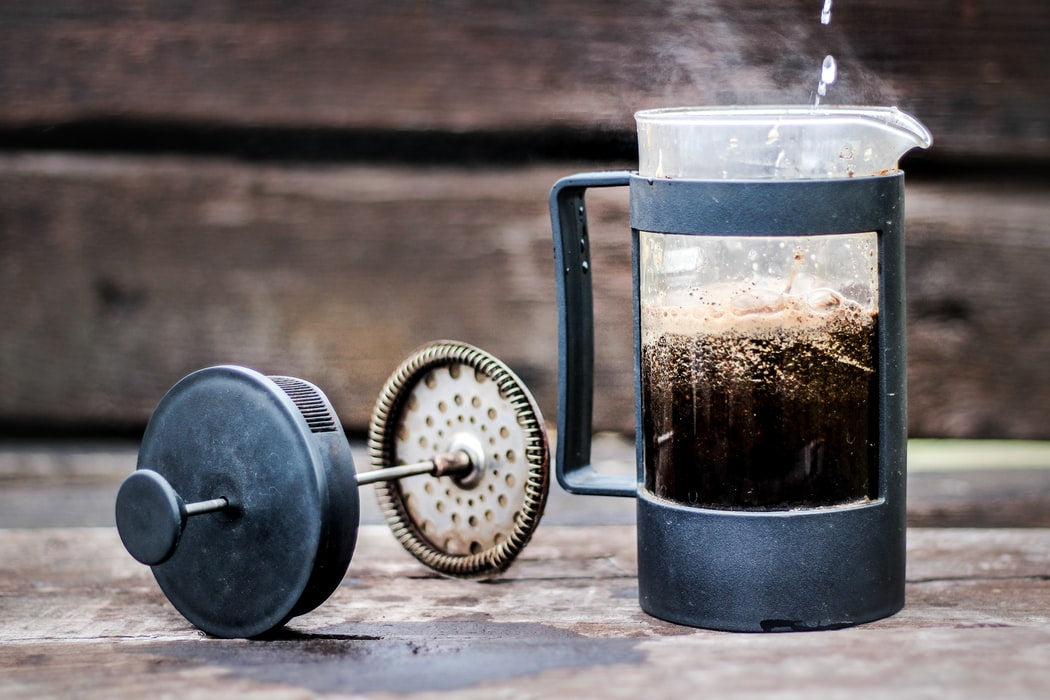
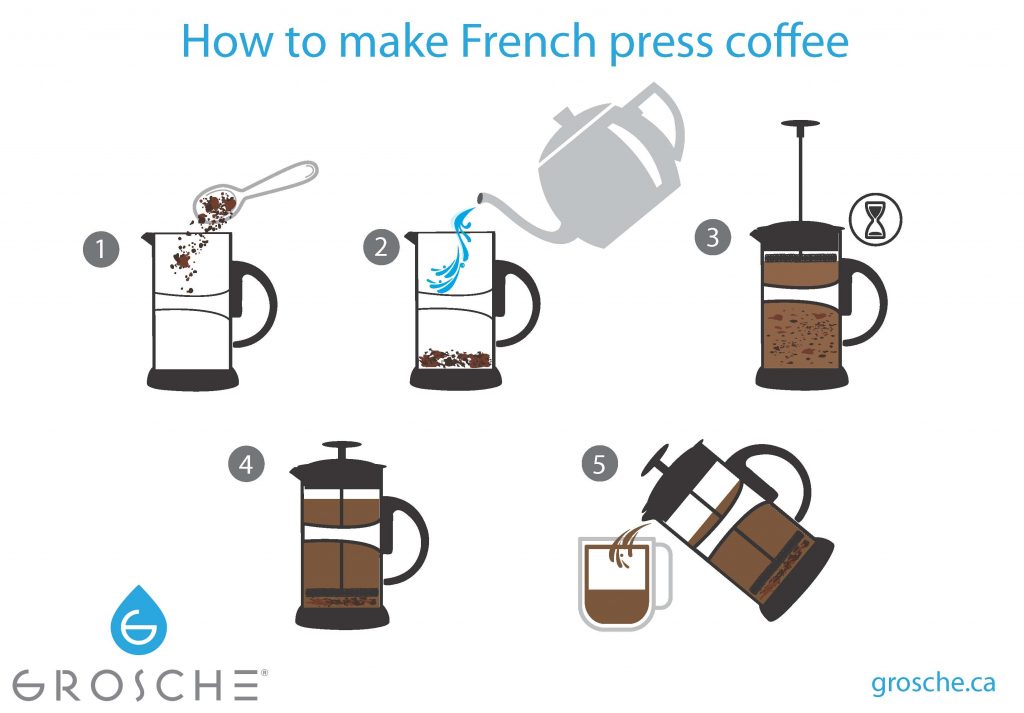
- Warm everything: Pour hot water into the empty press and mug to preheat. Discard that water.
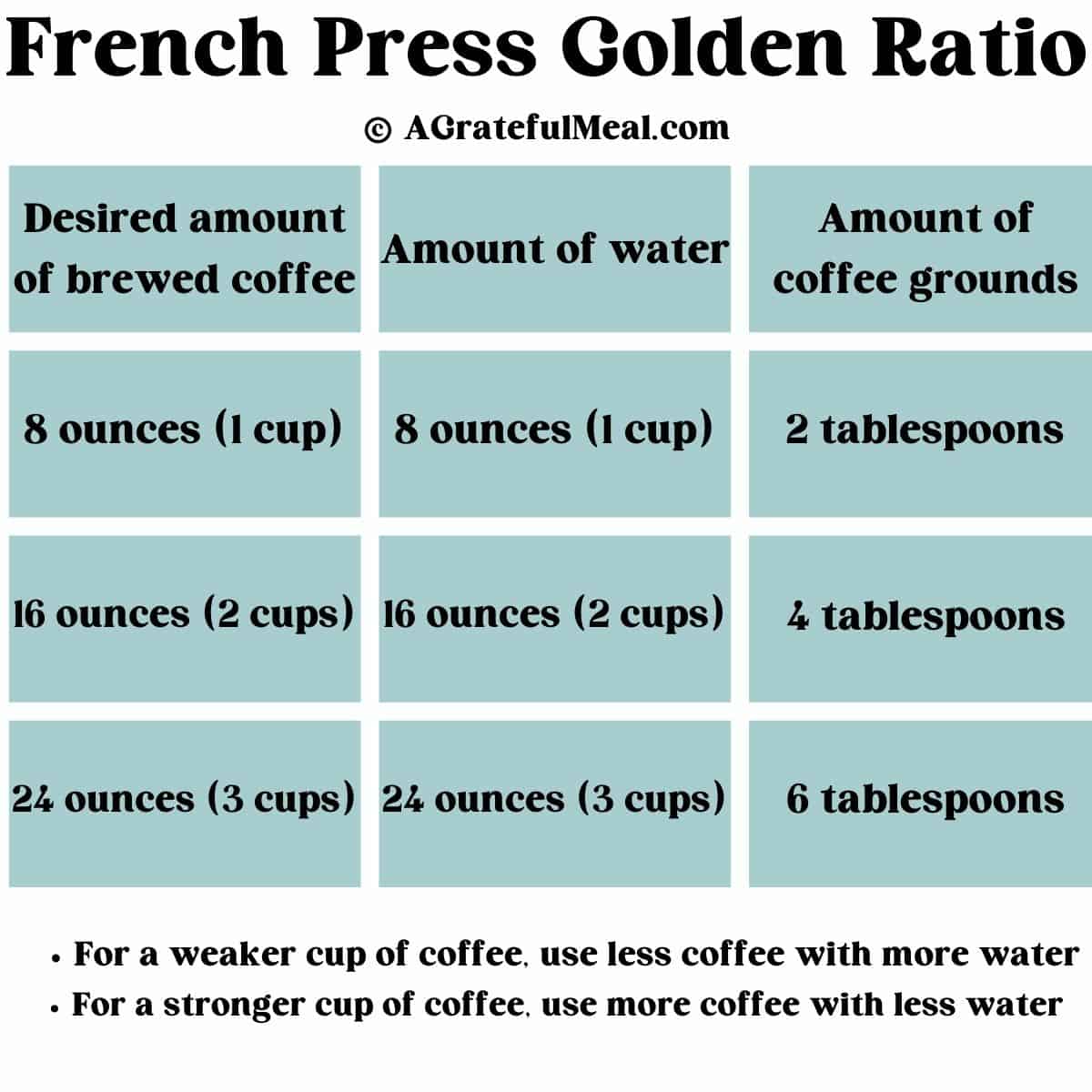
- Measure coffee: Use a 1:15 coffee-to-water ratio. For example, 28 g coffee to 420 g water.
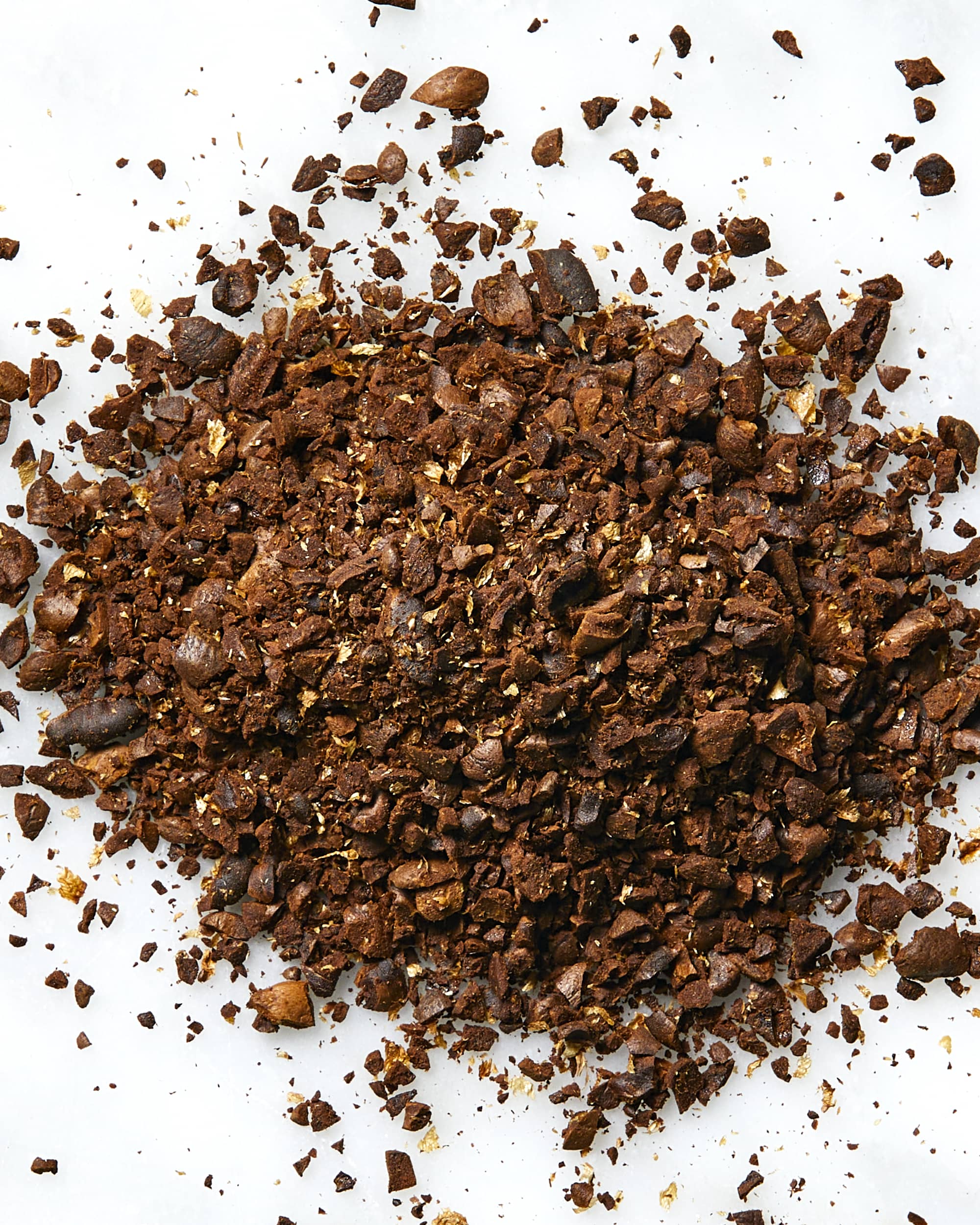
- Grind: Set grinder to coarse, like kosher salt. Grind just before brewing for freshness.
- Heat water: Bring water to 205–208°F (about 200°F after pouring delay). If you don't have a thermometer, boil and wait 30 seconds.
- Bloom and add water: Add grounds to the press. Pour a small amount of water to wet grounds (about twice the weight of coffee) and wait 30 seconds.
- Fill and timer: Pour the rest of the water to the top mark. Start timer and give a gentle stir with a non-metal spoon.
- Steep: Let it steep for 3:30–4:30 minutes depending on taste. I default to 4 minutes for balance.
- Plunge: Press slowly and steadily. Stop when the plunger reaches the bottom or when resistance eases.
- Serve immediately: Pour into cups or decanter to avoid over-extraction in the press.
This clear sequence makes it easy to practice how to make the best french press coffee and tune for your taste.

Tuning variables: how to adjust flavor
Small changes make big differences. Track one variable at a time.
- Grind size: Coarser reduces bitterness. Finer increases strength and sediment.
- Brew time: Shorter for lighter cups. Longer for more body.
- Ratio: Use 1:12 for stronger coffee, 1:18 for a lighter cup. I prefer 1:15.
- Water temp: 195–205°F is the sweet spot. Cooler water tastes under-extracted.
- Stirring: Gentle stir helps even extraction. Vigorous stirring increases fines and sediment.
My tests show grind size and ratio are the most impactful. When I switched to a more consistent burr setting, every cup improved. These lessons are key when mastering how to make the best french press coffee.
Beans, roast, and freshness
Choose beans and roasts that match the press’s strengths.
- Bean origin: Single origin highlights unique flavors. Blends add balance.
- Roast level: Medium to medium-dark tends to work best for French press. Very dark roasts can taste flat.
- Freshness: Use beans roasted within 2–3 weeks. Grind within 30 seconds of brewing for peak aroma.
I once used month-old beans and blamed my technique. Fresh beans fixed the issue instantly. This shows how bean freshness matters when trying to learn how to make the best french press coffee.
Cleaning, maintenance, and lifespan
Clean press parts after each use to avoid stale oils. Rinse filter screens and wash thoroughly every few days. Replace the mesh filter or gasket when you see wear.
Neglect leads to rancid flavors and clogging. Regular care keeps your press brewing clean and helps you consistently make the best french press coffee.
:max_bytes(150000):strip_icc()/__opt__aboutcom__coeus__resources__content_migration__serious_eats__seriouseats.com__images__2014__07__20140714-french-press-grinds-c47e07fb99db451595f519ca964348da.jpg)
Common mistakes and how to avoid them
Spotting errors saves time and beans.
- Using too fine a grind causes sludge and over-extraction. Use coarse grind instead.
- Letting coffee sit in the press after plunging makes it bitter. Decant immediately.
- Ignoring water quality leads to flat or off flavors. Use filtered water.
- Not preheating the press cools the brew too fast. Warm the carafe first.
I learned these the hard way. Fixing them improved every cup and helped me teach others how to make the best french press coffee.
Advanced tips, recipes, and variations
Try these once you master the basics.
- Double bloom: Two short pours to increase evenness.
- Inverted method: Steep with the press upside down for full immersion control.
- Coffee cocktail: Add a pinch of salt or a dash of spice for a twist.
- Iced French press: Brew double strength, cool, and pour over ice.
I experimented with the inverted method for a month. It gave cleaner cups but needs care. Advanced tweaks help you personalize how to make the best french press coffee.
Frequently Asked Questions of how to make the best french press coffee
How coarse should my grind be for a French press?
Aim for a coarse grind similar to kosher salt. This reduces sediment and prevents over-extraction.
What is the ideal coffee-to-water ratio?
Start with 1:15 (coffee:water by weight). Adjust to 1:12 for stronger or 1:18 for lighter cups.
How long should I steep in a French press?
Steep between 3:30 and 4:30 minutes. Taste and adjust within that range to suit your preference.
Can I use pre-ground coffee in a French press?
You can, but pre-ground coffee loses aroma faster. Fresh whole beans ground just before brewing give better results.
How do I reduce sediment in my cup?
Use a coarser grind, pour carefully, and consider double filtering into a decanter. These steps limit fines in the cup.
Conclusion
Mastering how to make the best french press coffee is about consistent technique and small experiments. Use fresh beans, a coarse grind, the right ratio and temp, and a clean press. Track one variable at a time, and taste often to learn what you prefer.
Try the recipe today, tweak a single variable, and note the change. If you enjoyed this guide, leave a comment, share your results, or subscribe for more brewing tips.