

Use coarse grounds, 1:15 coffee-to-water, 4-minute steep, then press slowly and serve immediately.
I’ve brewed thousands of cups with a French press and helped friends refine their routine. This guide shows how to properly use a french press coffee maker with clear steps, science-backed tips, and real-world fixes. Read on to learn tools, timing, grind, water, cleaning, and simple tricks that make each cup better.
Why choose a French press?
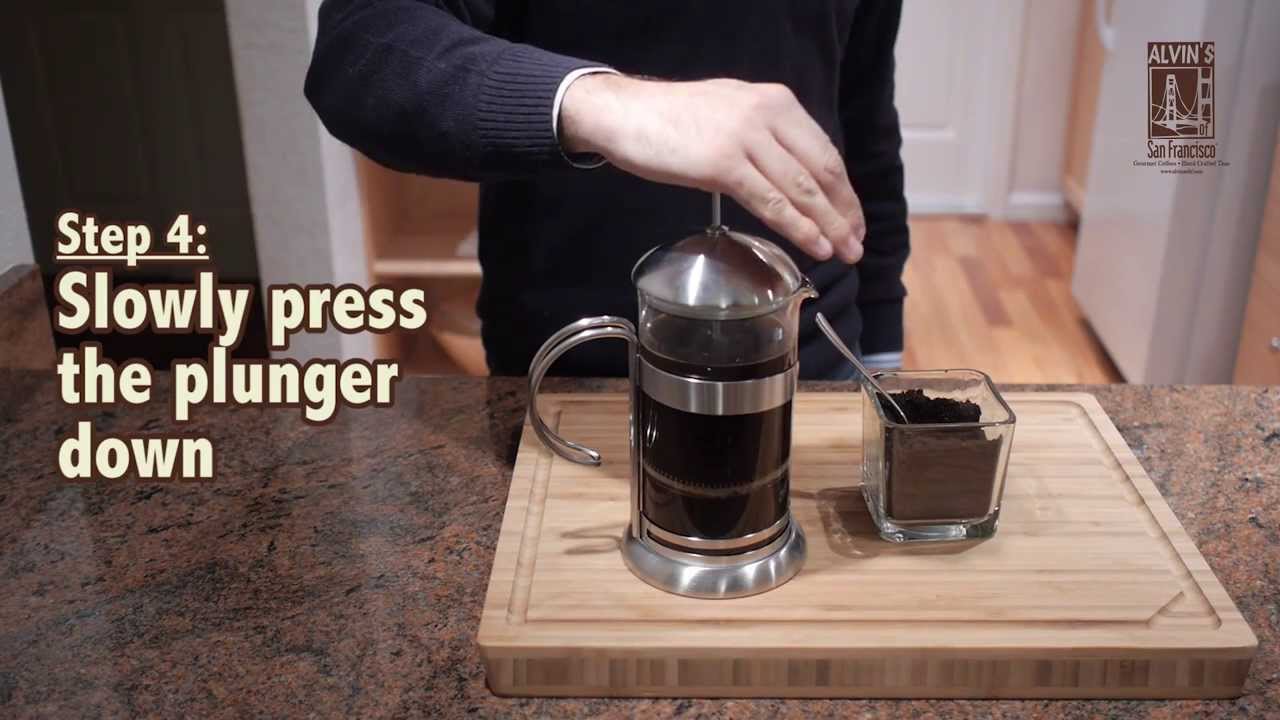
A French press makes full-bodied coffee. It keeps oils and solids that paper filters remove. That gives richer flavor and texture.
A press is simple, durable, and portable. It works without electricity. It fits home kitchens, campsites, and small offices.
Using this method well means controlling grind, ratio, time, and temperature. I’ll show each factor and explain why it matters for how to properly use a french press coffee maker.
What you need
Use fresh, quality items to get the best cup.
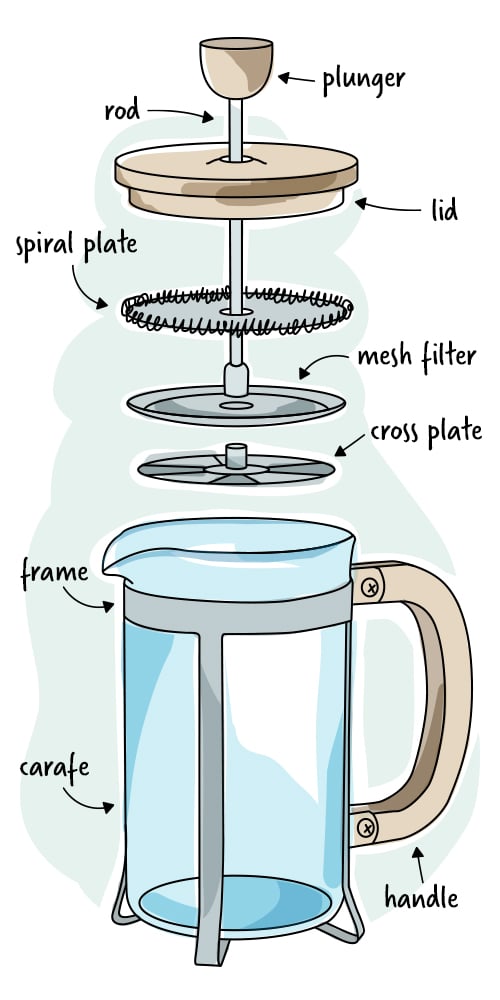
- French press: Choose glass or stainless steel with a tight mesh plunger.
- Coffee: Fresh whole beans roasted within 2–3 weeks for best flavor.
- Grinder: Burr grinder for a consistent coarse grind.
- Scale: Measure coffee and water precisely.
- Kettle: Gooseneck helps pour but any kettle works.
- Timer: Track steep time easily.
- Filtered water: Clean water improves taste.
These basics set you up to follow steps and repeat results reliably.
Step-by-step guide: How to properly use a french press coffee maker
Follow these steps for consistent cups. I repeat this routine when testing beans and equipment.
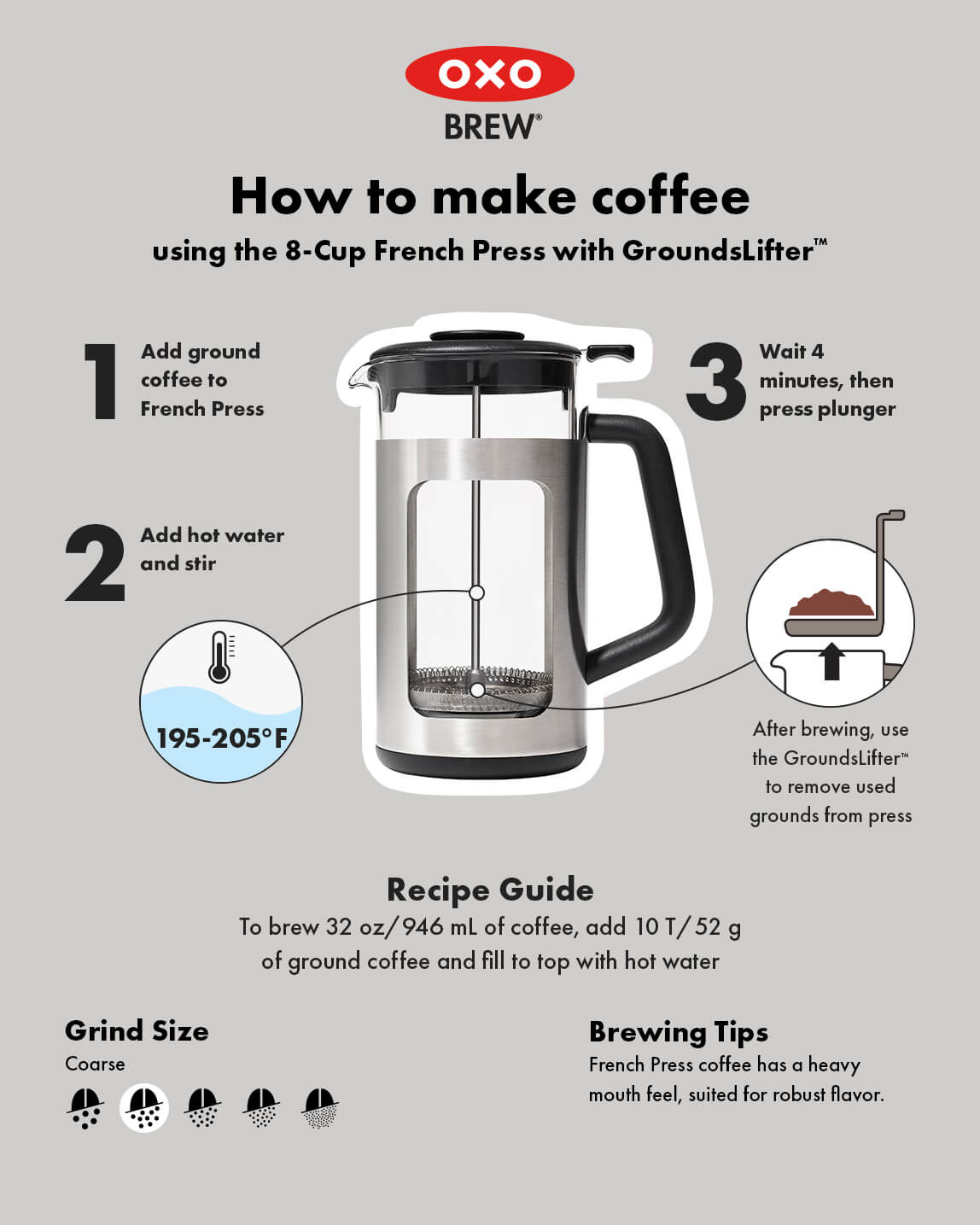
- Measure coffee and water
- Use a 1:15 coffee-to-water ratio. For example, 20 g coffee to 300 g water.
- Heat water
- Heat to 200°F (about 93°C). If no thermometer, boil then wait 30 seconds.
- Grind coffee
- Grind coarse, like sea salt. Aim for uniform large particles.
- Add grounds to the press
- Place ground coffee in the empty press. Level gently.
- Bloom and pour
- Pour just enough water to wet grounds (about twice the coffee weight). Wait 30 seconds to let CO2 escape.
- Fill and stir
- Pour remaining water, then stir once with a spoon or paddle to ensure saturation.
- Steep
- Let steep for 4 minutes. Adjust by ±30 seconds to taste.
- Plunge and serve
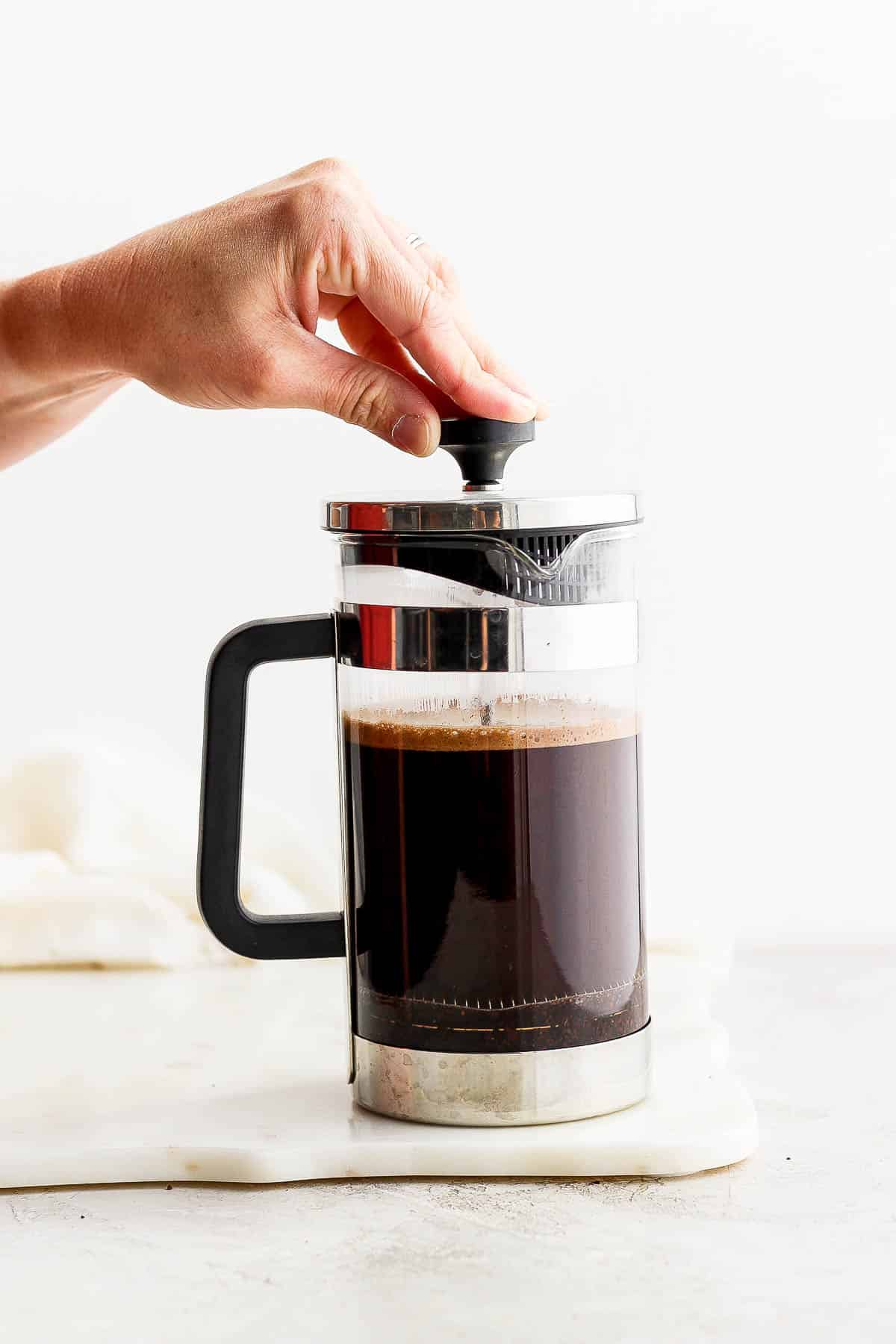
- Press the plunger down slowly and evenly. Pour immediately to avoid over-extraction.
Repeat this routine each time you want to know how to properly use a french press coffee maker. Small tweaks change taste more than big moves.
Grind size, water temperature, and brew time explained
These three elements control extraction. Keep each in check.
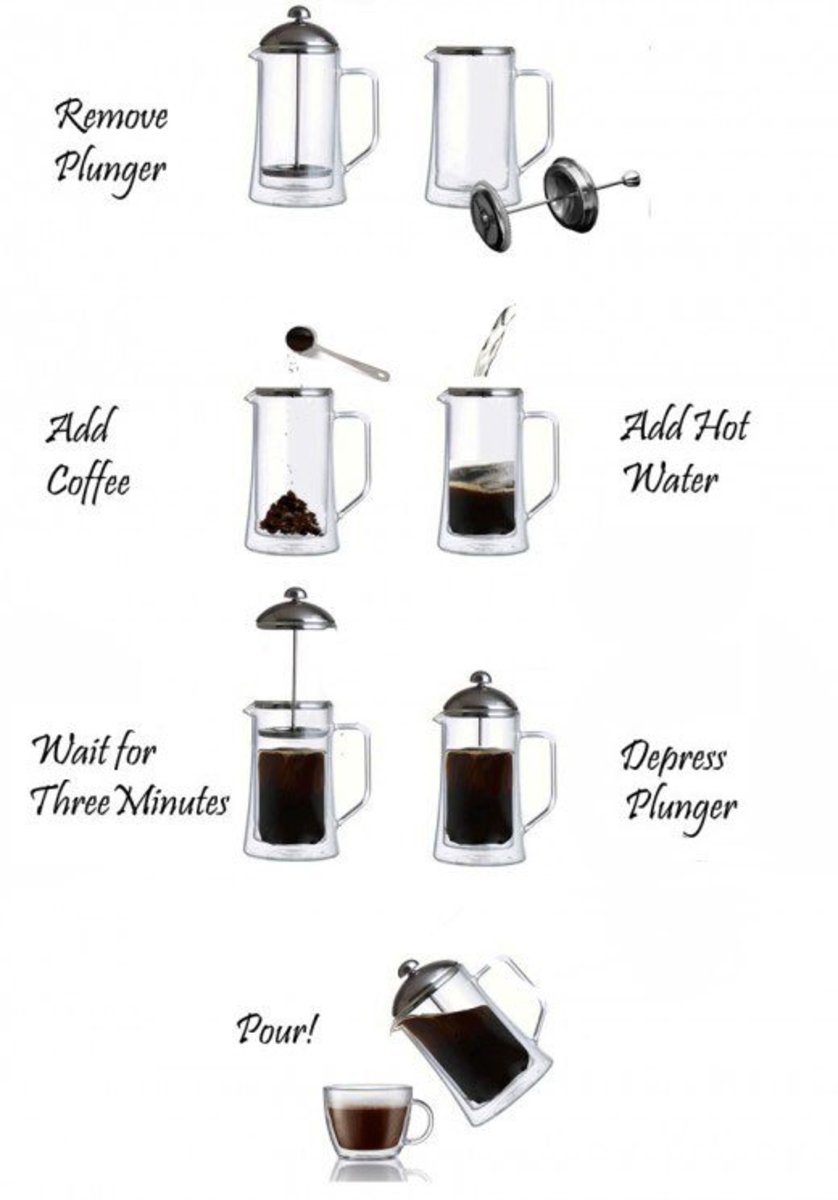
- Grind size: Coarse reduces over-extraction and limits sediment. If coffee tastes bitter, try coarser grind. If weak, go finer slightly.
- Water temperature: Too hot causes bitterness. Too cool makes sour, under-extracted coffee. Aim near 200°F (93°C).
- Brew time: Four minutes is a strong baseline for most beans. Increase to 4.5–5 minutes for darker roasts or coarser grinds. Decrease to 3.5 minutes for light roasts or finer grinds.
Understand these knobs and adjust one at a time. That helps you learn how to properly use a french press coffee maker and tune flavor quickly.
Common mistakes and how to avoid them
I made these errors early on. Fixing them improved my coffee right away.
- Using too fine a grind: Causes sludge and bitter taste. Use coarse grounds.
- Skipping the bloom: Traps CO2 and makes uneven extraction. Always pour a small amount first and wait 30 seconds.
- Pressing too fast: Forces fines through the mesh and creates grit. Press slowly and evenly.
- Letting coffee sit in the press: Over-extraction continues after plunging. Pour into a server or cups right away.
- Not cleaning the mesh: Residue builds up and changes flavor. Clean after each use.
Avoid these and your cups will be cleaner and more consistent.
:max_bytes(150000):strip_icc()/sea-tier-3-frieling-double-walled-french-press-ahuang-174-3995c72784eb4a1b90b0bbd5544cd2d3.jpeg)
Cleaning and maintenance
Good care keeps the press working and tasting great.
- Rinse immediately: Dump grounds and rinse the beaker after use.
- Deep clean weekly: Disassemble the plunger and scrub mesh, screen, and seal with warm soapy water.
- Descale if needed: Use a mild vinegar solution for mineral buildup on stainless or glass.
- Replace worn parts: Mesh screens and seals wear over time. Swap them to maintain a tight press.
Regular care helps you keep learning how to properly use a french press coffee maker long term.
Variations and recipes
Try these simple tweaks to expand your repertoire.
- Strong morning cup: 1:14 ratio, 4-minute steep, same grind.
- Lighter cup: 1:16 ratio, 3.5-minute steep.
- Iced French press: Brew double strength at 1:8, pour over ice, dilute to taste.
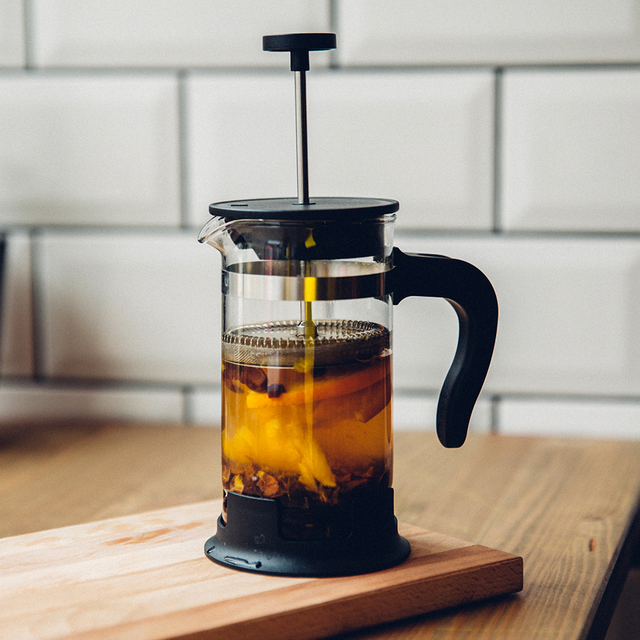
- Inverted method: Plunge once and flip to decant; reduces sediment for some users.
Experiment and record results. Small changes create new favorite drinks.

Quick PAA-style questions
How important is grind consistency?
Grind consistency is essential. It ensures even extraction and predictable flavor.
Can I use pre-ground coffee?
You can, but pre-ground stales fast. Buy whole beans and grind just before brewing for best taste.
Does water quality matter?
Yes. Clean, filtered water improves clarity and reduces off-flavors in the cup.
Frequently Asked Questions of how to properly use a french press coffee maker
What grind size should I use for a French press?
Use a coarse, even grind similar to sea salt. Consistency prevents over-extraction and reduces sediment.
How long should I steep coffee in a French press?
Steep for about 4 minutes as a baseline. Adjust by 30 seconds up or down to match bean roast and taste.
Can I leave coffee in the French press after plunging?
Avoid leaving coffee in the press. Transfer it to a carafe to stop extraction and preserve flavor.
How much coffee should I use per cup?
Use a 1:15 ratio (coffee:water) by weight. For a typical 12-ounce cup, that’s roughly 20 g coffee to 300 g water.
Why does my French press coffee taste bitter?
Bitter taste often comes from over-extraction. Try a coarser grind, slightly cooler water, or shorter steep time.
Conclusion
Mastering the French press is mostly about routine. Use coarse grounds, a clear ratio, controlled water temp, and a steady four-minute steep. Clean gear and small experiments will refine your results fast.
Try one change at a time and keep notes. Share your favorite tweak or question below, subscribe for more brewing tips, or leave a comment about your best French press cup.