

Full-bodied coffee, precise brewing control, eco-friendly, affordable, and simple to maintain.
I’ve brewed hundreds of pots with a French press, trained baristas, and tweaked recipes to get the best cup. In this guide I clearly explain what are the benefits of a french press coffee maker, how it works, real tips from experience, and practical trade-offs so you can decide if it fits your daily routine.
:max_bytes(150000):strip_icc()/faw-bodum-chambord-french-press-34oz-rkilgore-325-328cccc970f04514b98d493e538feb75.jpeg)
How a French press works
A French press is an immersion brewer. You add coarse coffee and hot water, wait, then press a metal mesh plunger to separate grounds from liquid. This simple method extracts oils and flavors that paper filters often remove. Knowing how it works makes it easier to see what are the benefits of a french press coffee maker.
Top benefits of a French press
Below are the main benefits I see from daily use. Each point explains why many coffee lovers choose a French press.
- Full-bodied flavor: The metal filter lets natural coffee oils pass into the cup. This creates a richer mouthfeel and deeper flavor than paper-filtered brews. If you like bold coffee, this is one of the clearest answers to what are the benefits of a french press coffee maker.
- Brewing control: You control water temperature, brew time, and coffee-to-water ratio. This control helps you dial in the taste you enjoy most. Many people prefer this hands-on approach over automatic machines.
- Simple and reliable: No electricity is required for brewing. A French press has few moving parts. That simplicity reduces breakage and maintenance.
- Cost-effective: Entry-level presses are affordable. There are no recurring filter costs. Over time, that saves money.
- Eco-friendly: No paper filters and minimal waste make the French press a greener choice. You can compost used grounds easily.
- Versatility: Use it for coffee, steeped tea, cold brew, or herbal infusions. A French press can replace multiple single-use devices.
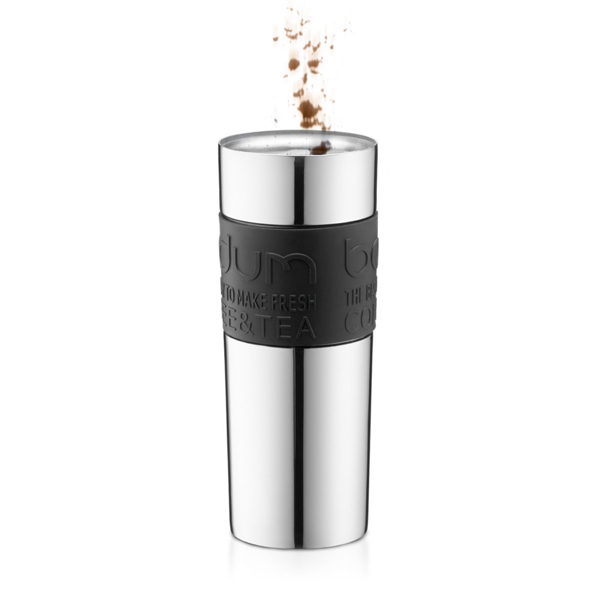
- Portability: A stainless steel press travels well. It’s great for camping, travel, or offices without a machine.
- Quick cleanup: Rinse, scoop grounds into compost, and wash. Cleanup is fast compared with many machines.
- Durable design: A well-built press can last years. Glass models are elegant; metal ones are rugged.
- Predictable results: With a simple recipe you get repeatable cups. That predictability answers many searches asking what are the benefits of a french press coffee maker.
Brewing tips and common mistakes to avoid
I learned these tips the hard way. They make every cup better.
- Use a coarse, even grind. Too fine a grind clogs the mesh and makes a muddy cup. This mistake undermines the benefits of a French press.
- Heat water to about 195–205°F (just off a boil). Too hot scorches flavors. Too cool under-extracts.
- Stir gently after adding water. This ensures even saturation and consistent extraction.
- Time the brew around 4 minutes for most beans. Adjust between 3 and 5 minutes to taste.
- Press slowly and steadily. A rapid plunge forces more fines through the mesh.
- Rinse right away. Leaving coffee in the press continues extraction and makes the cup bitter.
Taste and extraction explained simply
Immersion brewing extracts soluble compounds while leaving heavy solids behind. The metal mesh filter allows oils and micro-particles into the cup. That yields a fuller taste and stronger body. When people ask what are the benefits of a french press coffee maker, flavor and mouthfeel are the common answers. Science and tastings back this up: French press coffee often rates higher for body and richness compared with paper-filtered drip coffee.
Limitations and when a French press might not be ideal
No method is perfect. Be honest about trade-offs.
- Sediment: Some fines pass the mesh. If you dislike grit, a French press may bother you.
- Temperature loss: Heat escapes faster than in an insulated machine. Use a preheated carafe or insulated press to help.
- Filtering: If you need a paper-filtered, ultra-clean cup, a French press will not match that.
- Not automatic: You must watch brew time and temperature. If you need push-button convenience, choose a machine.
Being clear about limits helps answer the real consumer question: what are the benefits of a french press coffee maker compared to other methods?

Sustainability, cost, and long-term value
A French press often wins on sustainability and running cost.
- No paper filters save money and trees.
- Minimal electricity use lowers your energy footprint.
- Long lifespan reduces replacement waste.
- Low upfront cost gives good value for quality.
From my experience, the press pays for itself quickly if you brew daily. For readers asking what are the benefits of a french press coffee maker, the long-term savings and eco benefits are strong points.
Personal experience: lessons learned
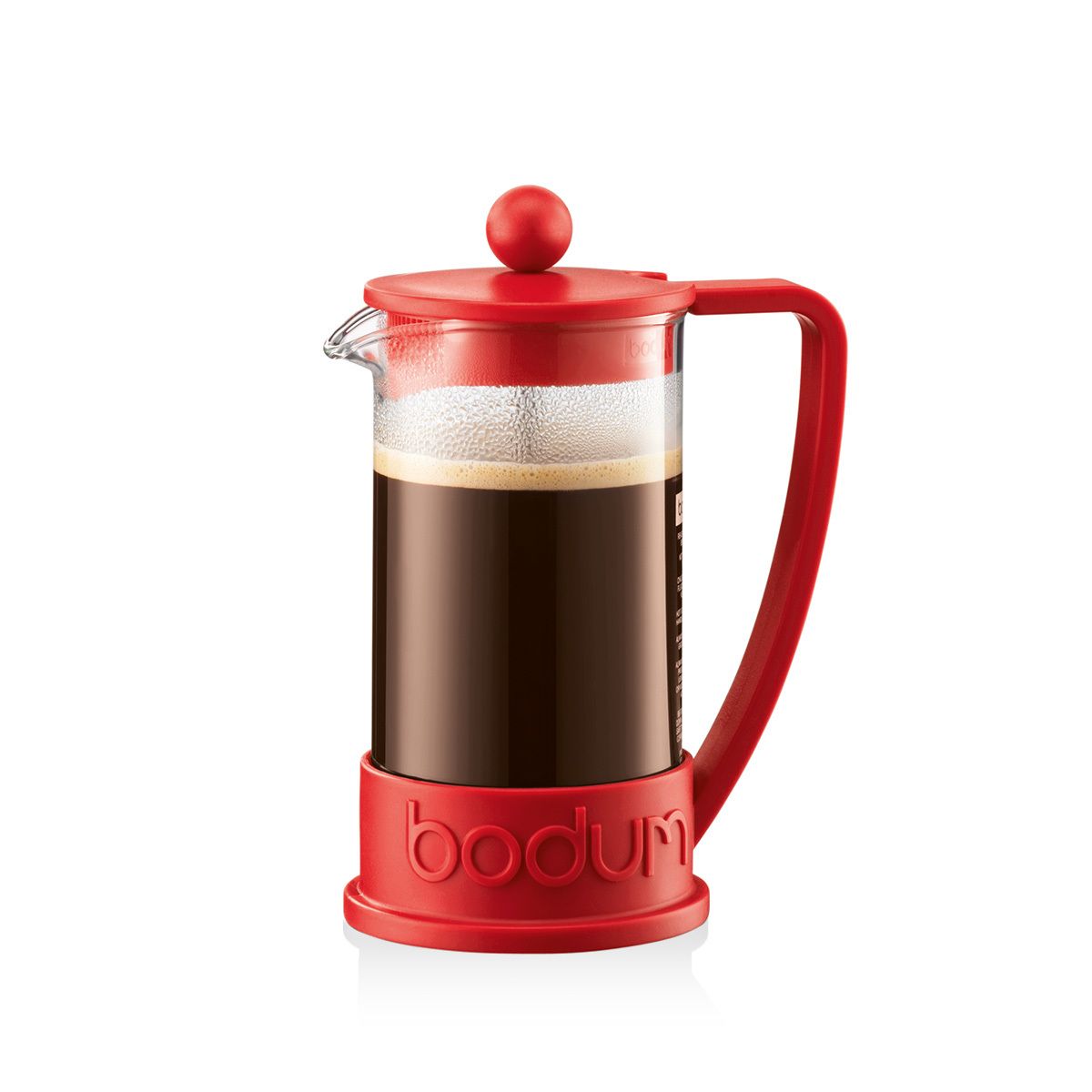
I started with a glass press and cracked it the first year. I switched to a stainless steel model and haven’t looked back. My notes:
- Invest in a durable body if you travel.
- Match grind size to the press screen. A burr grinder helps.
- Try a double-steep for weaker beans: press once, pour into cup, then re-steep leftover grounds for a second, lighter cup.
- If guests complain about grit, decant the brew into another carafe to leave fines behind.
These small changes made my routine smoother and the cups consistently better. Saying what are the benefits of a french press coffee maker from experience, I can vouch for improved flavor, lower waste, and better control.
How to choose the right French press
Consider these factors when buying.
- Material: Glass looks nice but is fragile. Stainless steel is rugged and often insulated.
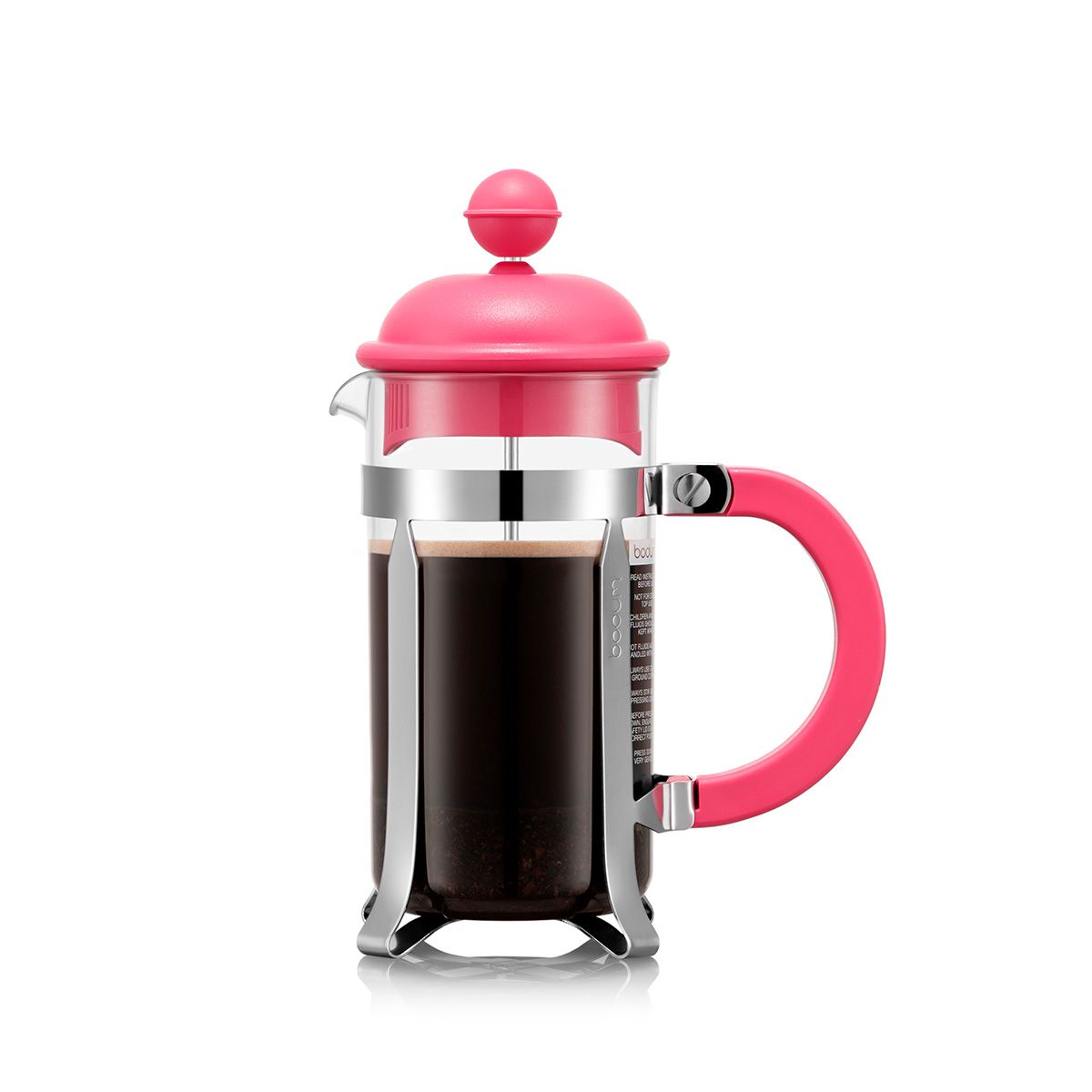
- Capacity: Choose a size that fits your daily consumption.
- Filter quality: Look for a fine mesh and multiple screens for less sediment.
- Handle and lid: Comfortable grip and leak-free lid matter if you pour often.
- Brand reputation: Read reviews and look for replacement parts availability.
Selecting wisely enhances the benefits you get from a French press.
Frequently Asked Questions of what are the benefits of a french press coffee maker
What flavor differences can I expect from a French press?
A French press gives fuller body and richer mouthfeel because the metal filter allows oils through. Expect deeper, bolder flavors than paper-filtered coffee.
Do I need a special grind for a French press?
Yes. A coarse, even grind is best to avoid clogging the mesh and reduce sediment. A burr grinder helps achieve consistent results.
Is a French press better for the environment?
Often yes. It avoids paper filters and uses little to no electricity, making it a low-waste brew method. Composting grounds adds to the benefit.
Can I make tea or cold brew in a French press?
Absolutely. The press works well for steeped tea and cold brew. It is versatile for many infused drinks.
Will I get grit in my cup?
Some fines may pass the mesh, which can leave light sediment. Decanting into another carafe or letting grounds settle reduces grit.
How long should I steep coffee in a French press?
Around 4 minutes is a common starting point. Adjust between 3 and 5 minutes to match your taste and the bean’s roast.
Conclusion
A French press gives fuller flavor, strong brewing control, low running costs, and fewer disposable parts. It’s simple, versatile, and eco-friendly for many home brewers. Try a few recipes, use a coarse grind, and note how brew time changes the taste. If you love a rich, hands-on coffee ritual, test a French press and compare it to your usual method. Leave a comment with your favorite recipe or subscribe to get more brewing tips and recipes.