

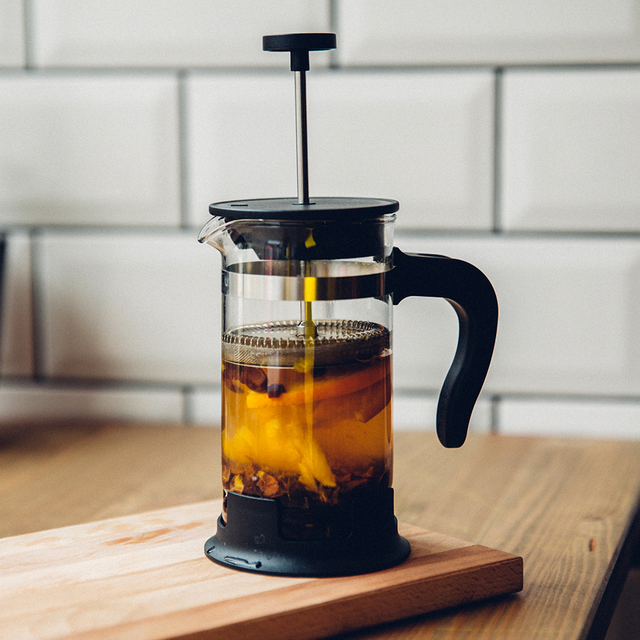
A French press is a clear or metal beaker with a plunger, mesh filter, and a sturdy handle.
I have spent years testing coffee gear and teaching people how to brew better coffee. In this guide I will describe what does a french press coffee maker look like, how its parts fit together, the style variations you will find, and practical tips to pick the right one. Read on to learn the small visual cues that matter for taste, durability, and ease of use.
Design and core parts: the classic look
A French press has a simple, clear layout. You will see a tall beaker. It may be made of glass, metal, or ceramic. A lid sits on top. A long rod extends from the lid. The rod ends in a plunger. The plunger presses a metal mesh filter. The mesh fits snugly against walls to separate grounds from liquid.
Key parts at a glance:
- Beaker body: holds water and grounds. Often cylindrical and straight‑sided.
- Plunger and rod: the control that presses the grounds down.
- Mesh filter: usually stainless steel and double or triple layered.
- Lid and spout: for pouring without spilling.
- Handle and base/frame: plastic, metal, or wood for grip and support.
How the look affects brew:
- A tall, narrow beaker keeps grounds submerged more evenly.
- Thick walls hold heat better and look more robust.
- A quality mesh filter sits close to the glass and reduces silt. This is why knowing what does a french press coffee maker look like helps you predict how clean the cup will be.
PAA-style question: What makes a French press look different from a drip brewer?
- A French press is manual and has a visible plunger and mesh filter. Drip brewers hide the brewing parts and use paper filters.

Visual variations and styles you’ll encounter
French presses come in many looks. The form stays the same but materials and finishes change the feel.
Common styles:
- Classic glass with a metal frame. It looks timeless and lets you watch the brew.
- Stainless steel insulated. It looks sleek and often has a modern silhouette.
- Ceramic or colored finishes. These look stylish and keep heat but hide the brew.
- Compact travel versions. Smaller and tougher, often with locking lids.
Design cues that matter:
- Clear glass shows the bloom and color. It appeals to people who like to watch.
- Metal bodies often have double walls for insulation and a more solid look.
- Frame style varies from minimal wire support to heavy cast bases. Heavier frames look and feel more durable.
- Spout shape affects how cleanly it pours. Some spouts are wide and graceful. Others are more utilitarian.
How to match style to needs:
- Choose glass if you want to see your brew and don’t mind extra care.
- Choose insulated metal for travel and better heat retention.
- Pick ceramic for a decorative look and good heat hold.
What does a french press coffee maker look like across brands? You will see the same plunger-and-beaker silhouette but with different finishes. High-end models often add a thicker glass, tighter mesh, or a refined handle.
 recognize authentic French press features”
style=”max-width: 100%; height: auto; border: 2px solid black; border-radius: 10px; display: block; margin: 0 auto;”
loading=”lazy”
/>
How to recognize authentic French press features
Not every pot that looks like a French press brews the same way. To tell if it’s a true French press, check these signs.
Authentic features:
- A plunger that slides smoothly and compresses grounds.
- A multi-layer stainless steel mesh that seals the grounds near the walls.
- A spout designed to pour without opening the filter.
- A stable handle that keeps the pot balanced when full.
Watch for lookalikes:
- Some cheap models use a thin screen that bends. They let more grit through.
- Press pots with plastic filters often feel flimsy and look cheaper.
- If the plunger wobbles or the mesh gaps, the brew will include more sediment.
Knowing what does a french press coffee maker look like helps you spot models that will last and give better coffee. Aim for tight tolerances and solid materials.

Benefits and limitations tied to appearance
The way a French press looks often reflects its performance. Shape and material suggest certain strengths and weaknesses.
Benefits shown by looks:
- Thick walls or double-walled steel indicate better heat retention.
- Robust frame and handle suggest durability and a long life.
- Visible brew in glass lets you control extraction visually.
Limitations you can spot:
- Thin glass looks fragile and may be prone to cracking.
- Simple single-layer filters may let through more sediment.
- Large bases or heavy frames add weight and bulk for storage.
Practical example:
- A stainless steel press with a narrow beaker will keep coffee hot longer. A clear glass press will cool faster but looks pleasing and is cheaper.
What does a french press coffee maker look like when it fails to perform? Often it looks cheap: thin mesh, flimsy handle, misaligned lid. Those visual faults predict poorer results.

Buying tips: choose by look and function
When shopping, use the look to guide a quick decision. But also check simple specs.
Checklist:
- Capacity: 12 oz, 34 oz, or larger. Match to how many cups you brew.
- Material: glass for visibility, steel for heat, ceramic for style.
- Filter quality: look for layered mesh or replaceable filters.
- Handle and base: sturdy and comfortable grip matters.
- Spare parts: models with available filters or beakers are easier to maintain.
Spot-check before buying:
- Press the plunger in-store if possible. It should feel smooth.
- Inspect the mesh edge. It should sit flat against the beaker.
- Check the lid fit. A loose lid makes a mess when pouring.
My rule of thumb from years of testing: invest a bit more for a tight mesh and solid frame. The look will be better and the coffee will taste cleaner.

Care and maintenance to keep it looking new
How a French press looks changes with use. Simple care keeps it fresh and functional.
Daily care:
- Rinse immediately after use to avoid stains and stuck grounds.
- Hand wash the plunger and mesh to remove oils.
Deeper maintenance:
- Disassemble the filter and clean between layers once a week.
- Replace worn screens when they warp or let more grit through.
- For glass, handle gently and avoid sudden temperature changes.
Quick tip from experience: a soft brush cleans mesh well. This prevents buildup that makes the press look darker and blocks flow.

Personal experience, tips, and common mistakes
I have used dozens of presses in cafés and at home. Here are things I learned the hard way.
What worked for me:
- A medium-coarse grind keeps the mesh clear and reduces sludge.
- Press slowly and evenly to avoid splashes.
- Warm the beaker with hot water first to keep temperature stable.
Common mistakes to avoid:
- Using too-fine grind that clogs the mesh.
- Forcing the plunger too fast, which splashes and over-extracts.
- Neglecting filter cleaning, which harms taste and looks.
These tips come from daily brewing tests. They save time and make the press look and work like new.

Frequently Asked Questions of what does a french press coffee maker look like
What is the most common material for a French press?
Glass is the most common for home presses because it is affordable and lets you see the brew. Stainless steel is common for travel and insulation.
How can I tell a quality French press by sight?
Look for a tight mesh filter, solid handle, and snug lid. These visual cues point to better build quality and cleaner coffee.
Does the look affect coffee temperature?
Yes. Double-walled stainless steel retains heat better than single-walled glass. The outer look often signals the insulation level.
Are colorful or decorative presses as effective?
Yes, if they have the same core parts: good mesh and stable plunger. A decorative finish does not change brewing principles.
Can I replace parts based on how the press looks?
Often yes. Many brands offer replacement beakers and filters. A press that is built to allow part swaps will look more modular and repairable.
How should a French press look when it’s working correctly?
It should hold grounds below the plunger, pour cleanly, and show little sediment in the cup. A messy pour or excessive grit shows issues.
Conclusion
A French press is instantly recognizable by its beaker, plunger, and mesh filter. Understanding what does a french press coffee maker look like helps you choose a model that brews well and lasts. Look for a tight filter, sturdy frame, and a design that fits your routine. Try one with a visible beaker if you love process, or pick insulated steel if you need heat retention. Now that you know the visual cues, check your options and pick the press that matches your taste and lifestyle. Leave a comment with what model you like, or subscribe to get more coffee gear guides and tips.