

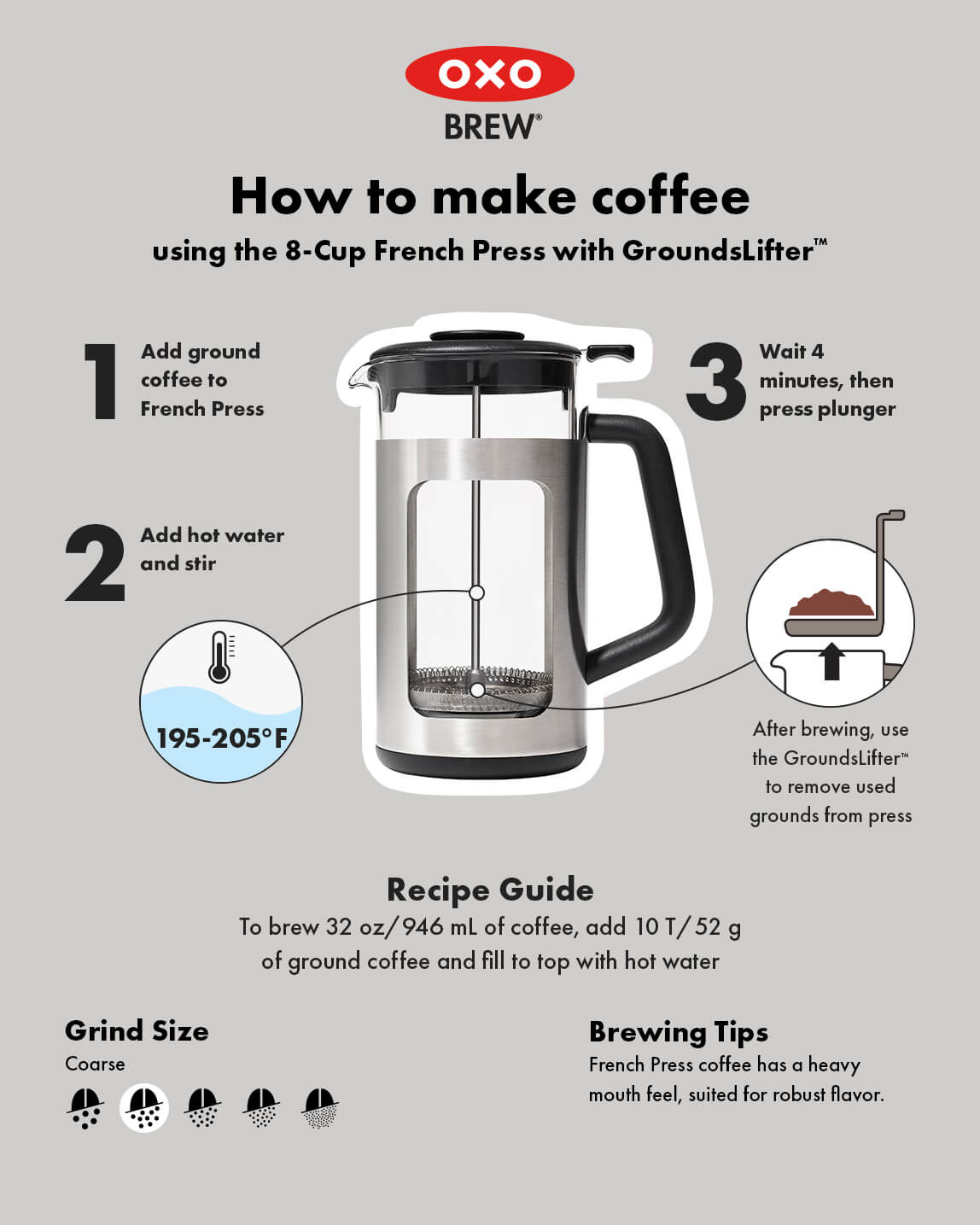
Use a coarse, even grind—about the size of sea salt—for the French press.
I’ve spent years dialing in coffee at home and in small cafés, testing beans, grinders, and brew times so I can tell you exactly what grind for french press coffee maker yields rich, low-acid brews with clear texture. Read on for step-by-step tips, real-life tests, and simple fixes so your French press makes great coffee every time.
Why grind size matters for French press
Grind size controls how fast water extracts coffee. Too fine and you get over-extraction, bitterness, and a sludgy cup. Too coarse and the brew is weak and sour. For a French press, the ideal balance is a coarse, uniform grind that lets water pull out flavor without trapping too many fines.
What grind for french press coffee maker matters more than many people think. It affects mouthfeel, clarity, and strength. I learned this after testing the same beans with different grinds and noting big flavor swings. Use the right grind and your press will sing.
The best grind for French press (clear recommendation)
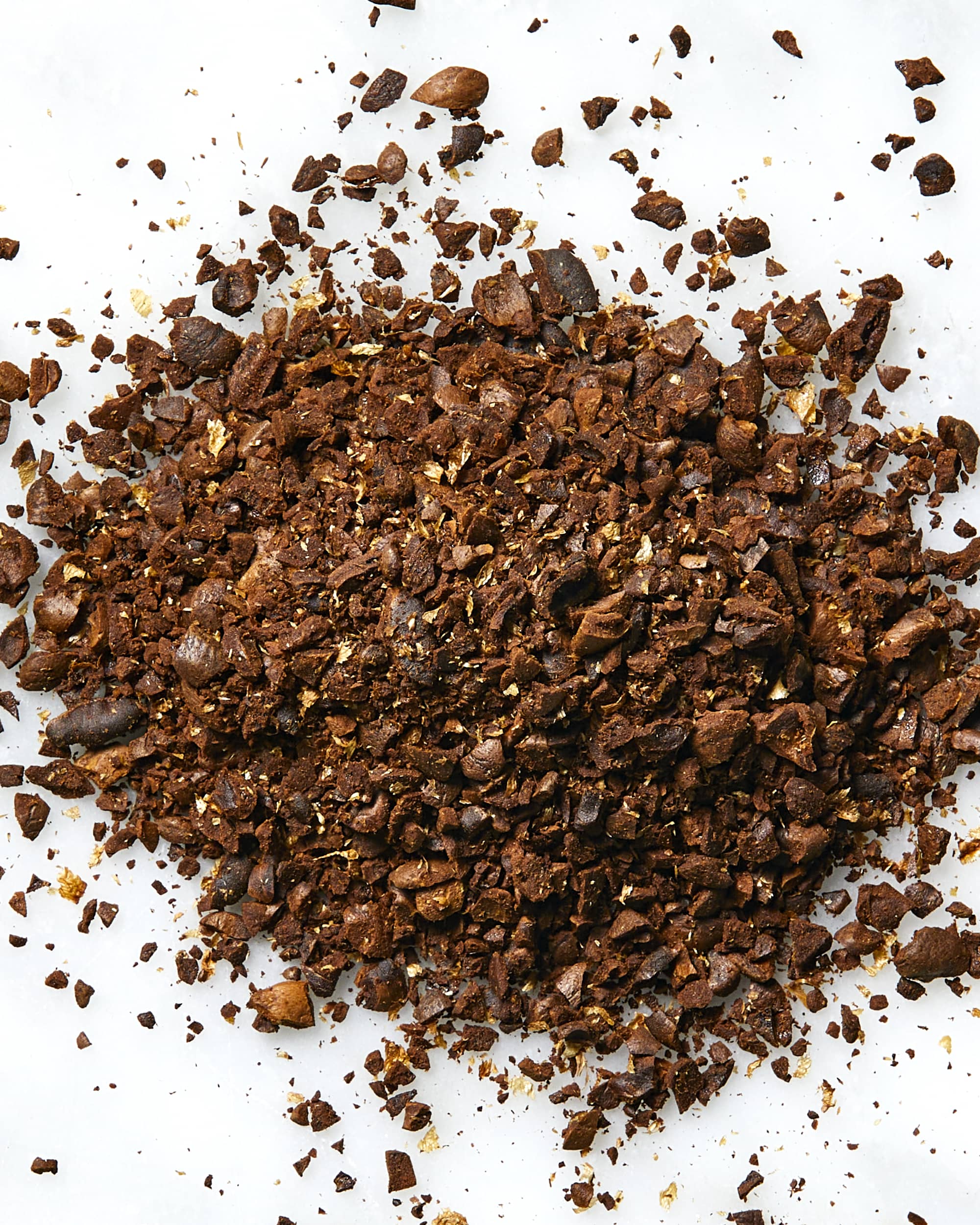
Aim for a coarse grind that looks like rough sea salt or breadcrumbs. Coarse particles let oils and big flavor compounds pass through while keeping tiny sediments mostly out of the cup. This grind works well with steep times from 3.5 to 5 minutes.
What grind for french press coffee maker should be coarse, consistent, and not dusty. Consistency is the key. A good burr grinder gives even particles and a cleaner cup.

How to grind: tools and settings
Choose a burr grinder if you can. Burr grinders crush beans between two wheels and give uniform pieces. Blade grinders chop unevenly and create dust. Here’s how to set things up.
- Use a burr grinder and set it to coarse.
- Look for particles similar to coarse sea salt.
- Grind just before brewing to keep aroma fresh.
I once used a blade grinder out of convenience. The coffee tasted harsh and muddy. After switching to a burr grinder and coarser setting, the cup was cleaner and sweeter. That test convinced me to invest in a good grinder.

Step-by-step: grind and brew for a great French press
Follow this simple routine for consistent results.
- Measure beans by weight. Use a 1:15 to 1:17 coffee-to-water ratio for a balanced cup.
- Grind coarse right before brewing. Aim for even sea-salt-sized particles.
- Heat water to about 200°F (just off boil).
- Pour water, stir gently, cover, and steep 3.5 to 4 minutes.
- Press slowly and serve immediately.
When I shift the steep time or tweak grind coarseness, the cup changes fast. Coarser grind needs a bit more time. Finer grind needs less. Adjust in small steps and taste.
:max_bytes(150000):strip_icc()/Simply-Recipes-French-Press-Coffee-METHOD-02-0b86d6f4f80b4a358ebbef633bbfd87a.jpg)
Common mistakes and how to fix them
Many home brewers make simple errors. Here are easy fixes.
- Using a blade grinder. Upgrade to a burr grinder for uniform particles.
- Grinding too fine. Shift two clicks coarser and try again.
- Letting coffee sit after pressing. Decant into a carafe to avoid over-extraction.
- Ignoring water temperature. Too hot burns; too cool under-extracts.
If your cup is muddy and bitter, you likely ground too fine or pressed too hard. If it’s thin and sour, go slightly finer or steep longer. Small moves matter.

Brewing tips that pair with grind
A few habits raise the bar for press coffee.
- Use fresh, whole beans. Grind just before brewing.
- Rinse the press with hot water to stabilize temperature.
- Bloom with a small pour to release CO2, then add the rest of the water.
- Pour into mugs or a carafe soon after pressing to stop extraction.
In my tests, preheating the French press and using a coarse grind gave a more balanced result than tweaking ratios alone. The grind is the foundation; everything else supports it.

People Also Ask — quick answers
What happens if you use a fine grind in a French press?
Fine grind increases surface area and extracts faster. This often leads to bitter, over-extracted coffee and more sediment in the cup.
Can I use medium grind for French press?
You can, but medium grind usually under-extracts. The brew will taste weak or sour unless you extend steep time or use more coffee.
How coarse should French press grind be compared to drip?
French press grind is much coarser than drip grind. Drip needs medium-fine; French press needs coarse like sea salt.
Personal tips from my testing
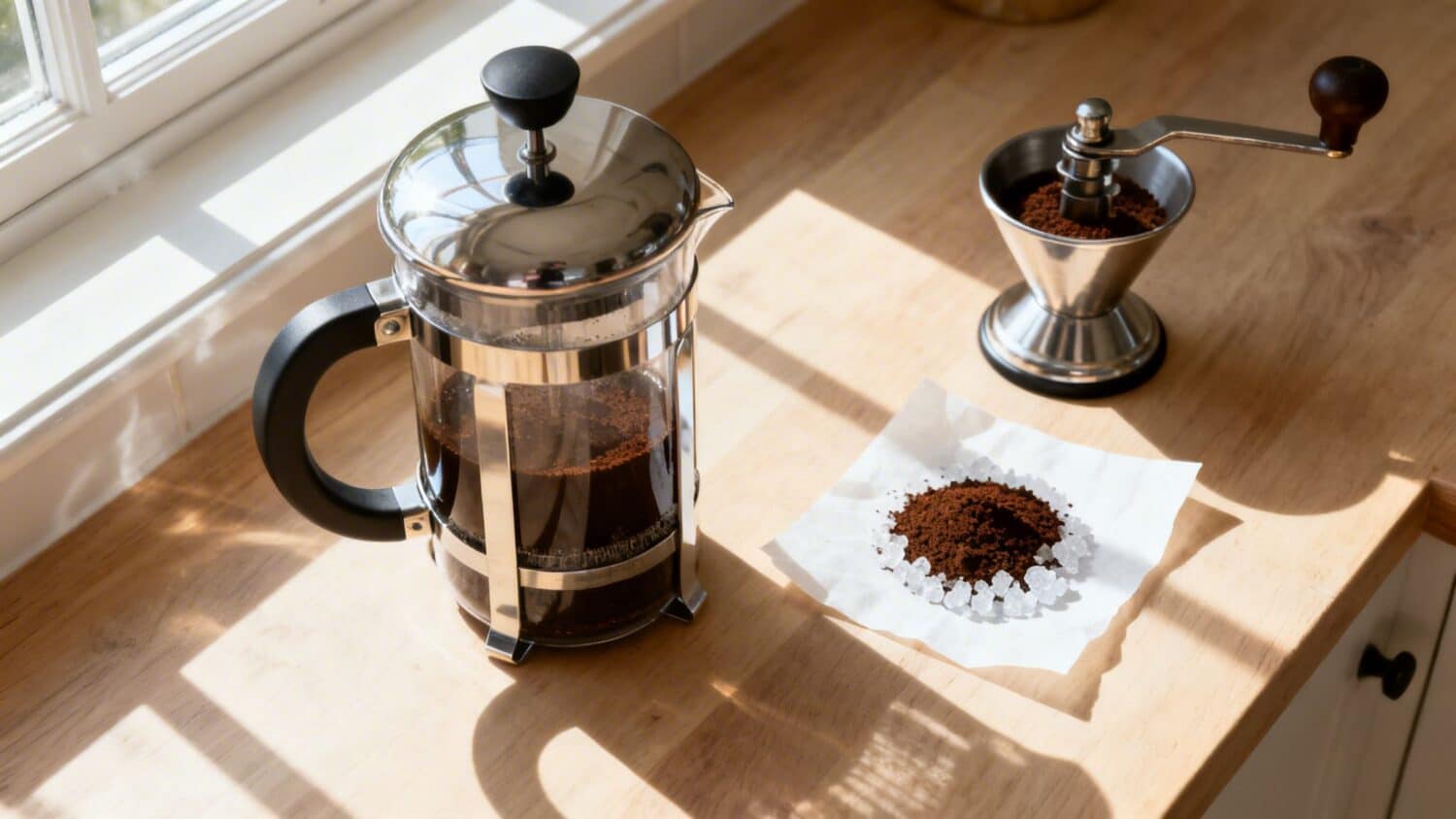
I kept notes while testing different beans, grinders, and steep times. Here’s what helped me most.
- Record each change. Small tweaks add up.
- Adjust grind before changing time. Grind affects extraction first.
- Try a 1:16 ratio as a starting point. Tweak from there.
One memorable test used the same roast at five grind sizes. The coarse setting made the cup smooth and nutty. The fine setting made it sharp and heavy. That experiment taught me to trust my grinder and my palate.
Troubleshooting quick guide
Use this checklist when a brew misfires.
- Bitter and muddy
- Solution: Grind coarser, press slowly, decant immediately.
- Weak and sour
- Solution: Grind slightly finer, increase steep time, or use more coffee.
- Too much sediment
- Solution: Use coarser grind and let fines settle before pressing gently.
Small fixes often solve common issues. Keep notes so you repeat wins.
Frequently Asked Questions of what grind for french press coffee maker
What grind for french press coffee maker gives the least sediment?
A coarse, consistent grind produces the least sediment. Use a burr grinder and aim for sea-salt-sized particles.
Does grind size change brewing time for a French press?
Yes. Coarser grind needs slightly longer steep time, and finer grind needs less. Start at 3.5 to 4 minutes and adjust.
Can I use pre-ground coffee for French press?
You can, but fresh-ground beans taste better. Pre-ground coffee loses aroma and may include finer dust that muddies the cup.
How do I set my grinder for French press?
Set your burr grinder to the coarse setting and test a small dose. Adjust coarser or finer in small steps until the taste is right.
Will a finer grind make French press stronger?
A finer grind can make the cup stronger but also more bitter and muddy. It’s better to balance grind with time and dose.
Conclusion
Choosing the right grind for French press coffee maker means using a coarse, even grind and making small, measured adjustments. Start with sea-salt-sized particles, grind fresh, and keep a simple routine for brewing. Try the steps here, record your results, and tweak one variable at a time to find your perfect cup.
Make a plan to test one change per brew. Share what you find or ask a question below to get help dialing in your press.