

A French press is used to steep coarse coffee grounds to brew rich, full-bodied coffee.
I have brewed hundreds of cups with a French press. I write about what is french press coffee maker used for from real work and testing. This guide explains why many coffee lovers choose a French press. Read on to learn how it works, when to use it, and how to get great results every time.
How a French Press Works
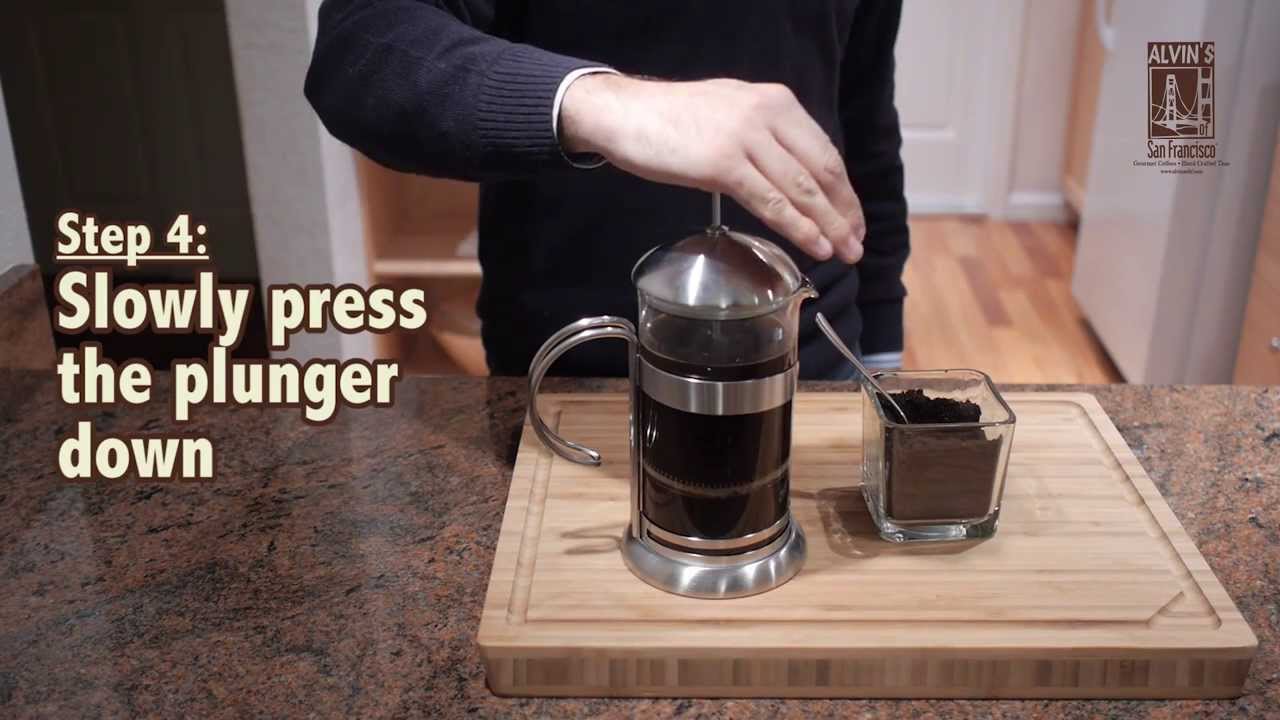
A French press is a simple device. It has a glass or metal carafe and a plunger with a mesh filter. You add coarse coffee and hot water. The grounds steep. Then you press the plunger down to separate grounds from liquid. The mesh keeps oils and fine particles in contact with the brew. This gives a bolder taste than paper-filter methods. The steps are easy to master and repeat.
What a French Press Is Used For
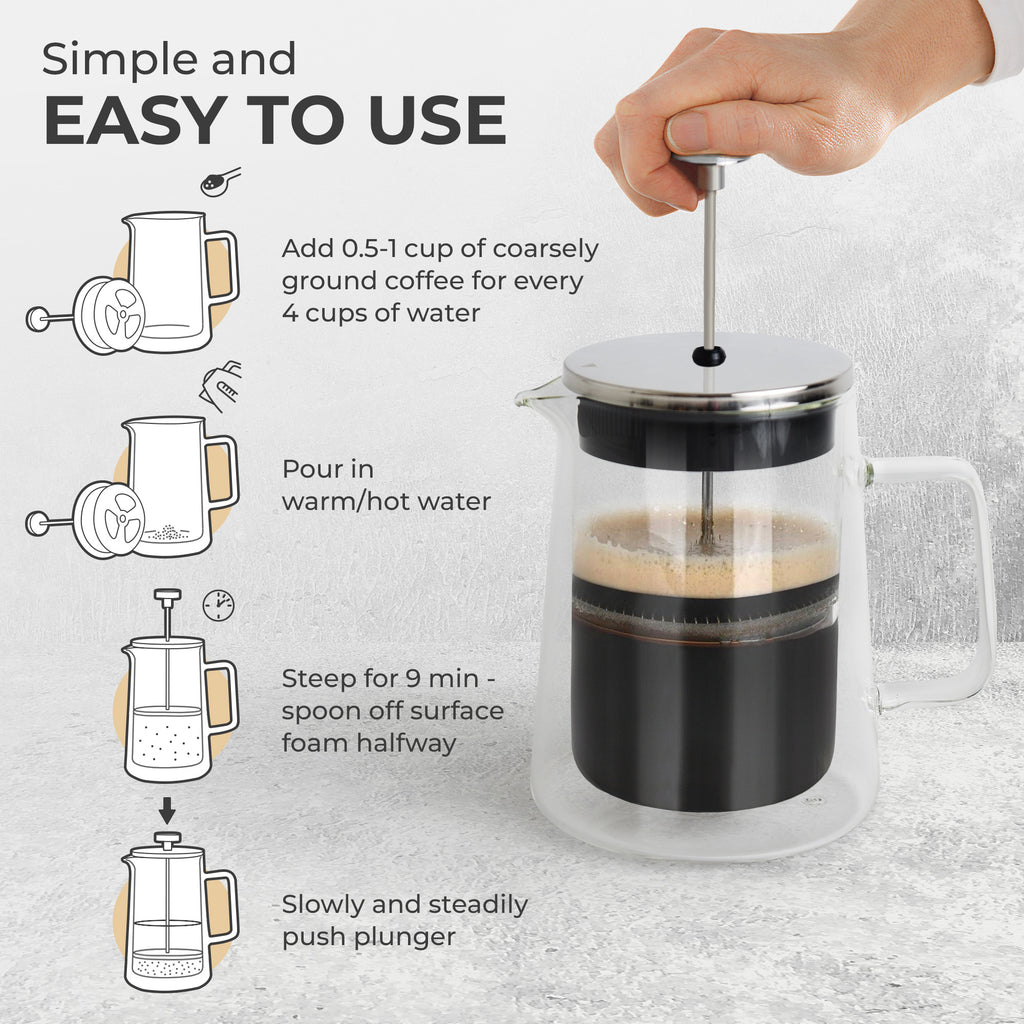
If you ask what is french press coffee maker used for, the short answer is brewing bold, aromatic coffee at home. Many people use a French press for these goals:
- Making a strong, full-bodied cup with natural coffee oils left in the brew.
- Brewing multiple cups at once for friends or family.
- Controlling extraction time and water temperature for a custom taste.
- Preparing coffee for milk drinks like lattes or for cold brew styles.
- Steeping tea or infusing herbs when you want a no-fuss method.
A French press is also used by home brewers who want simple gear. It is popular in small kitchens and on trips. If you value taste and control, you will enjoy what is french press coffee maker used for.
Benefits of Using a French Press
You may wonder why people ask what is french press coffee maker used for. Here are clear benefits:
- Bold flavor: The metal mesh lets oils pass through for deeper taste.
- Simple gear: No electricity or filters are needed.
- Control: You set the grind size, water temp, and steep time.
- Versatile: Use it for coffee, tea, or even cold brew.
- Cost-effective: Good presses are affordable and long-lasting.
From my experience, a press gives a richer cup than quick drip machines. It is forgiving for beginners. The best results come with consistent grind and steady timing.

Limitations and When It Might Not Be Best
Knowing what is french press coffee maker used for also means knowing limits. A press can leave sediment in the cup. That can feel gritty to some. It needs coarse, even grind to avoid over-extraction. The brew cools faster than in insulated gear. Cleanup takes a bit more time than dropping a paper filter. If you want a very clean cup with no oils, a paper-filter method may suit you more.
How to Brew Great Coffee with a French Press
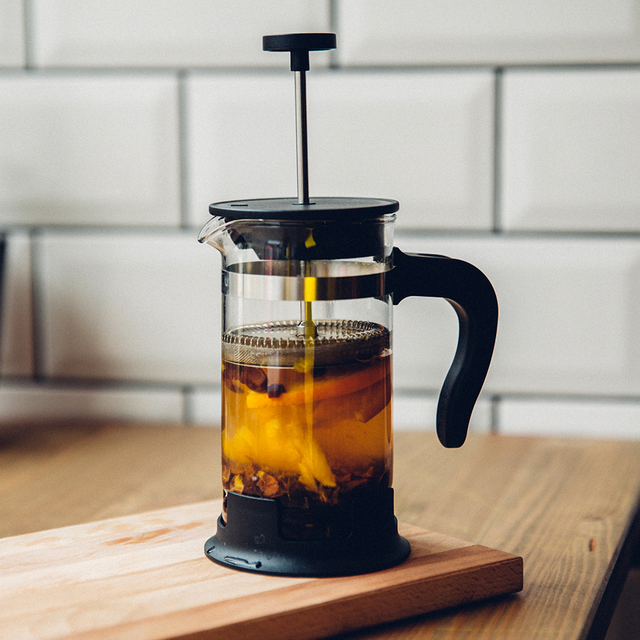
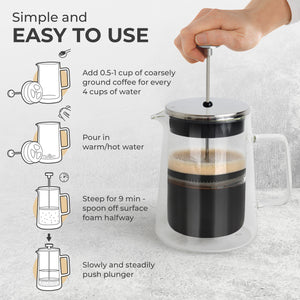
Follow these simple steps to use a French press well:
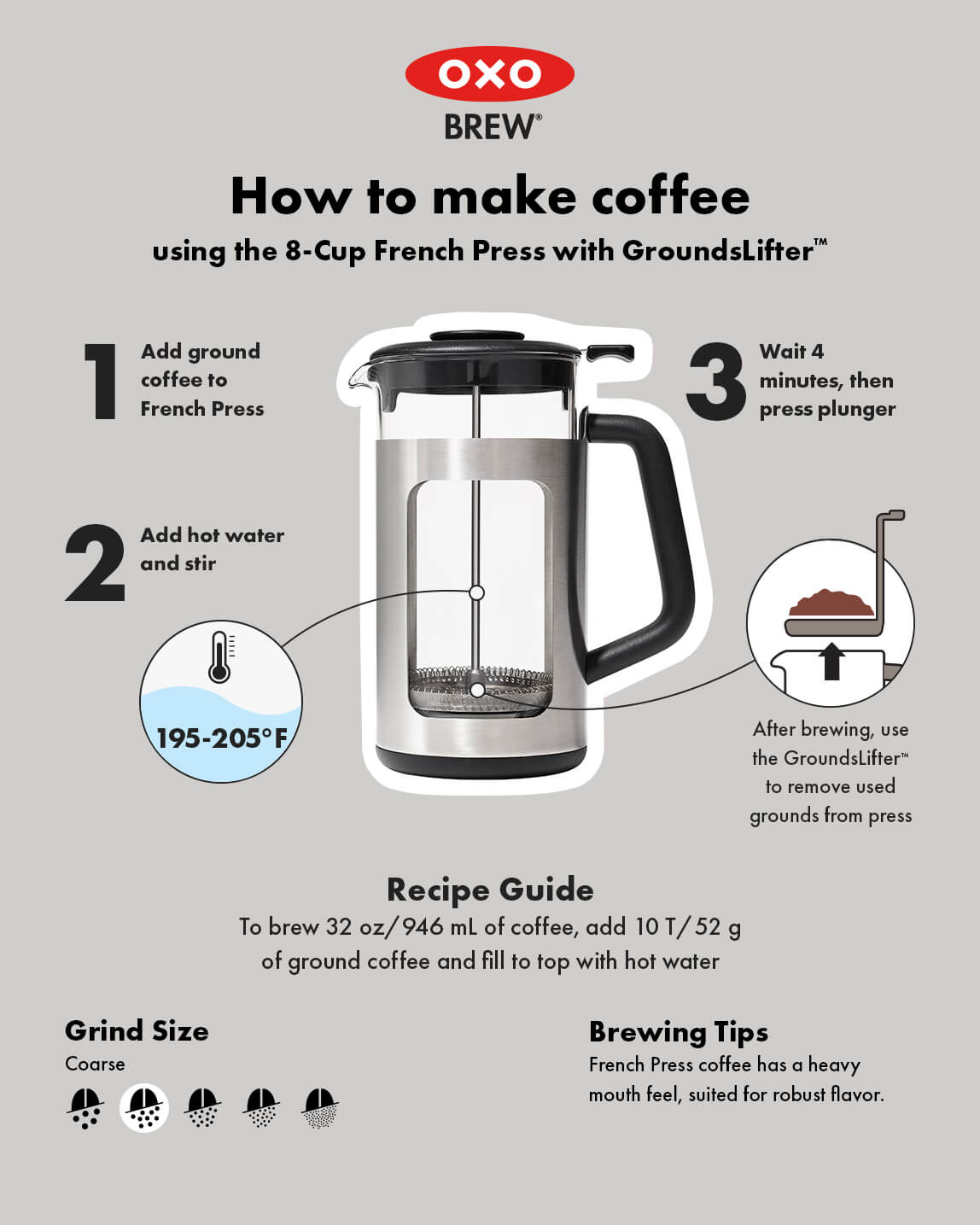
- Heat water to about 195–205°F. Let it sit 30 seconds after boiling.
- Add coarse coffee. A good start is 1 gram coffee to 15–17 grams water.
- Pour water over grounds and stir gently. Cover with the lid without plunging.
- Steep for 4 minutes. Adjust time to taste.
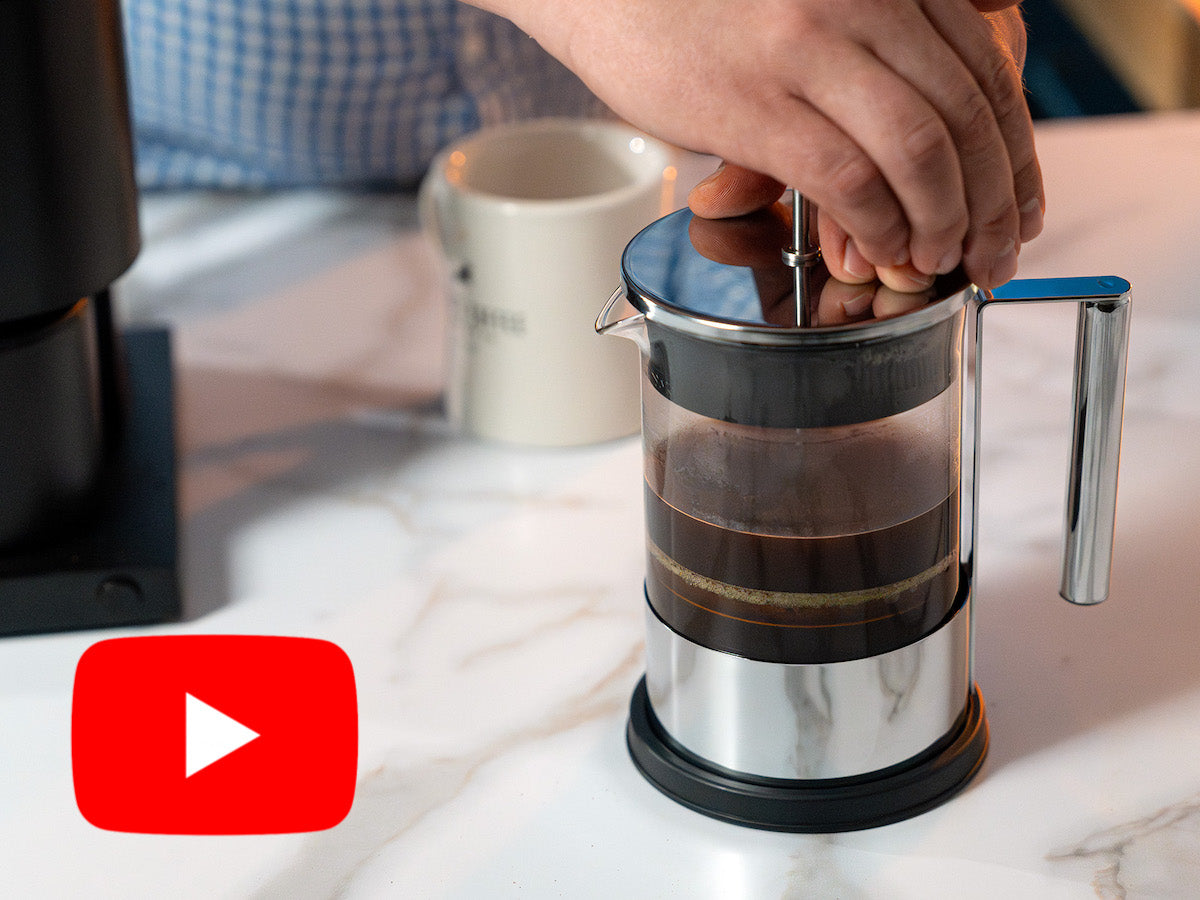
- Press the plunger down slowly and pour immediately.
Practice will improve results. Try small tweaks to grind size and steep time. That is the true answer to what is french press coffee maker used for—customizable brewing.
Cleaning and Maintenance
Keep your press clean to brew well. Empty grounds right away. Rinse the carafe with warm water. Disassemble the plunger and wash the mesh screen at least weekly. For deep clean, soak parts in a mild detergent, then rinse well. Glass carafes can break. Handle with care. A clean press makes better coffee and lasts longer.
:max_bytes(150000):strip_icc()/sea-tier-3-frieling-double-walled-french-press-ahuang-174-3995c72784eb4a1b90b0bbd5544cd2d3.jpeg)
Choosing the Right French Press
Selecting a press matters when considering what is french press coffee maker used for. Look for these features:
- Material: Stainless steel for heat retention or glass for visibility.
- Size: 12-ounce for single cups, up to 34-ounce for groups.
- Filter quality: A tight mesh reduces sediment.
- Build: A sturdy handle and secure lid improve ease of use.
I prefer a double-walled stainless steel press for home use. It keeps coffee warmer and cleans easily. If you like to watch the brew, choose glass.
Personal Tips, Common Mistakes, and Lessons Learned
I started with too-fine grounds. The result was muddy coffee. Lesson learned: use coarse grind. Here are tips from my test cups:
- Grind right before brewing for the freshest taste.
- Preheat the carafe to keep temp stable.
- Use a timer for repeatable results.
- Pour slowly to avoid splashing and uneven extraction.
Many ask what is french press coffee maker used for when they see my routine. I tell them it is about control and flavor. Small habits make a big difference.
PAA-style Questions
Q: Does a French press make stronger coffee?
A: Yes. A French press often yields a fuller, stronger cup because oils and fine particles stay in the brew.
Q: Can you use a French press for cold brew?
A: Yes. Use a coarse grind and steep in cold water for 12–24 hours, then press and chill.
Q: Is a French press healthier or worse than filtered coffee?
A: A French press retains natural oils that some studies link to higher cholesterol when consumed in large amounts, but moderate use is fine for most people.
Frequently Asked Questions of what is french press coffee maker used for
What grind size should I use for a French press?
Use a coarse, even grind. It looks like coarse sea salt. Fine grinds will make the brew cloudy and over-extracted.
How long should I steep coffee in a French press?
A 4-minute steep is a good start. You can try 3 to 5 minutes to find your preferred strength.
Can I brew tea in a French press?
Yes. A French press works well for loose leaf tea. Use the right steep time and pour promptly to avoid bitterness.
Does a French press make espresso?
No. A French press makes strong coffee but not espresso. Espresso needs high pressure that a press cannot provide.
How do I reduce sediment in my French press cup?
Use a coarser grind and press slowly. A finer mesh filter or a short decant into another carafe can also help.
Is a French press good for travel?
Yes. Stainless steel presses are great for travel. They are durable and do not need power.
Conclusion
A French press is a simple, powerful tool for making bold and flexible coffee. It shines when you want control over taste and texture. By learning grind size, water temp, and timing you can make great cups every day. Try a few recipes and tune them to your taste. Start with the steps above, then experiment. If you enjoyed this guide, try a brew today, leave a comment, or subscribe for more tips.